
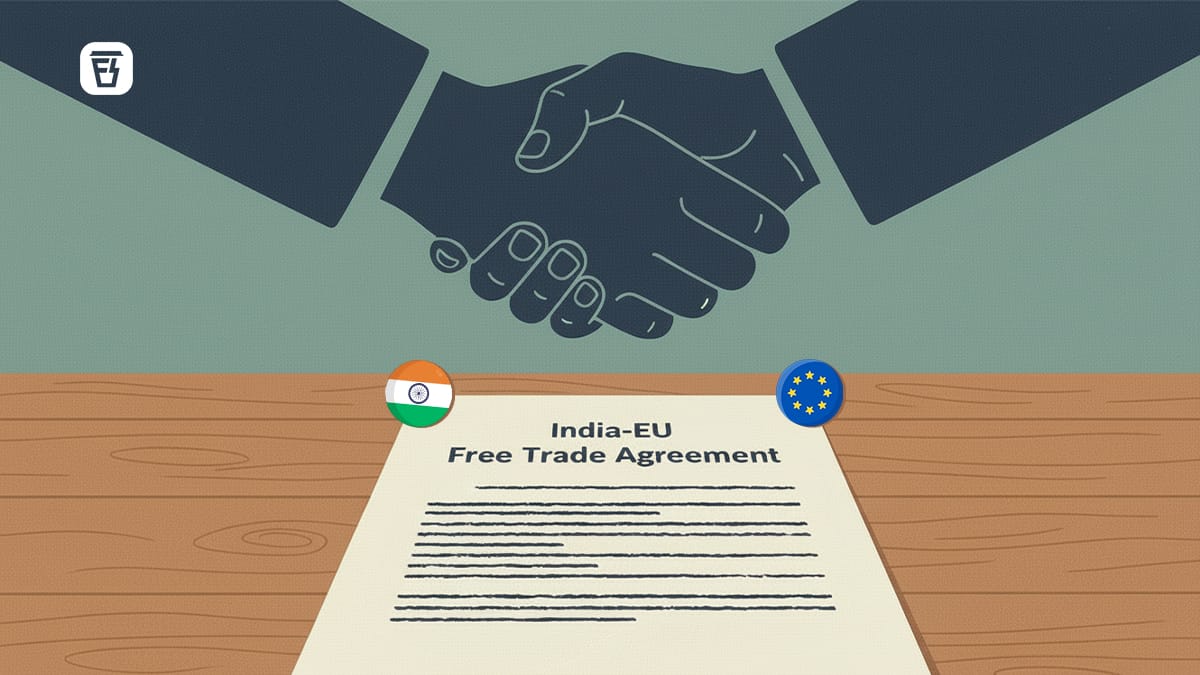




EU-India Trade Deal 2026 | $2B Market Opportunity for Cross-Border Sellers
- Opens 1.4B Indian consumers to European sellers with reduced tariffs on manufactured goods; creates alternative sourcing hub to China for 50K+ e-commerce operators




















概览
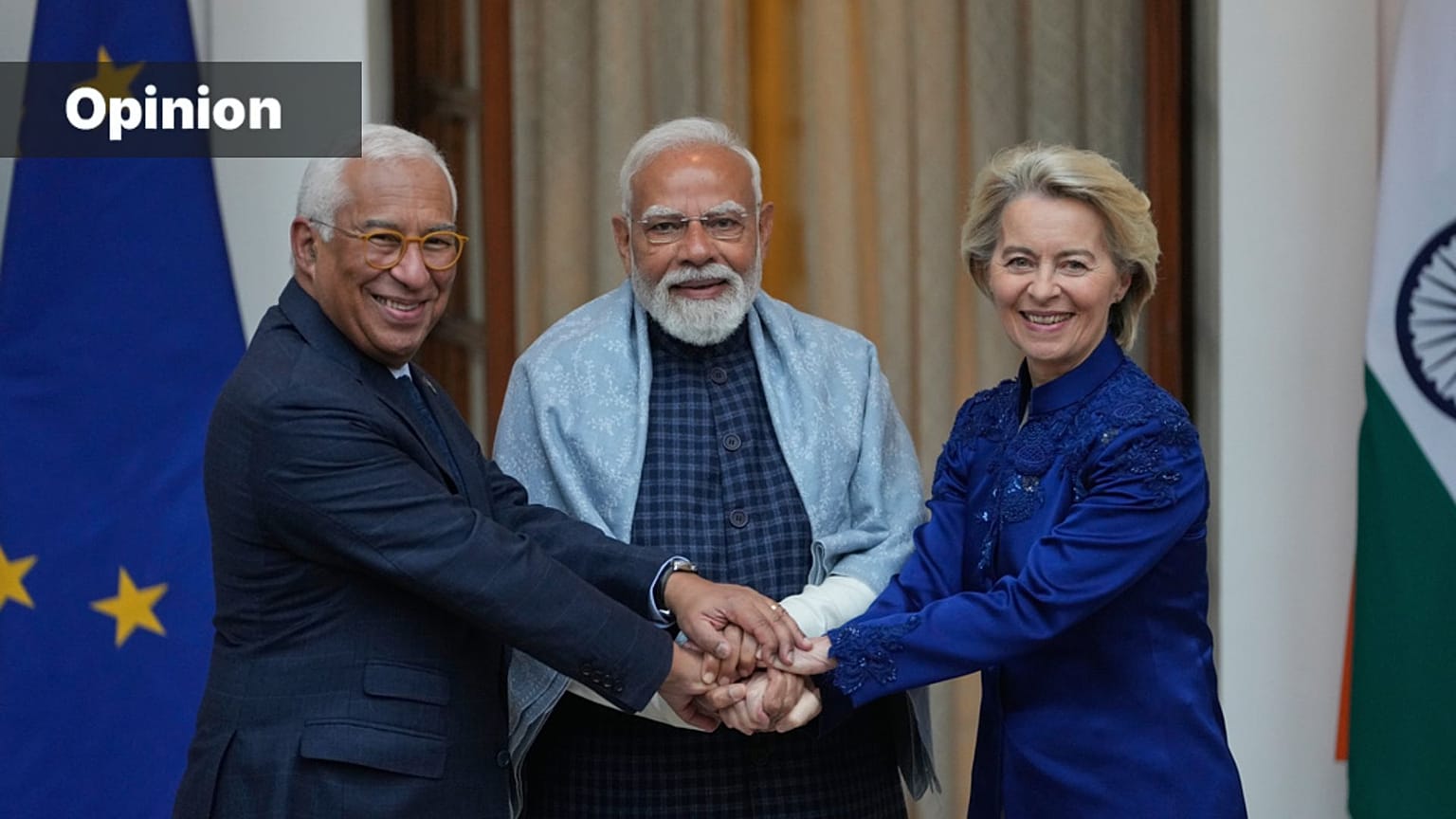
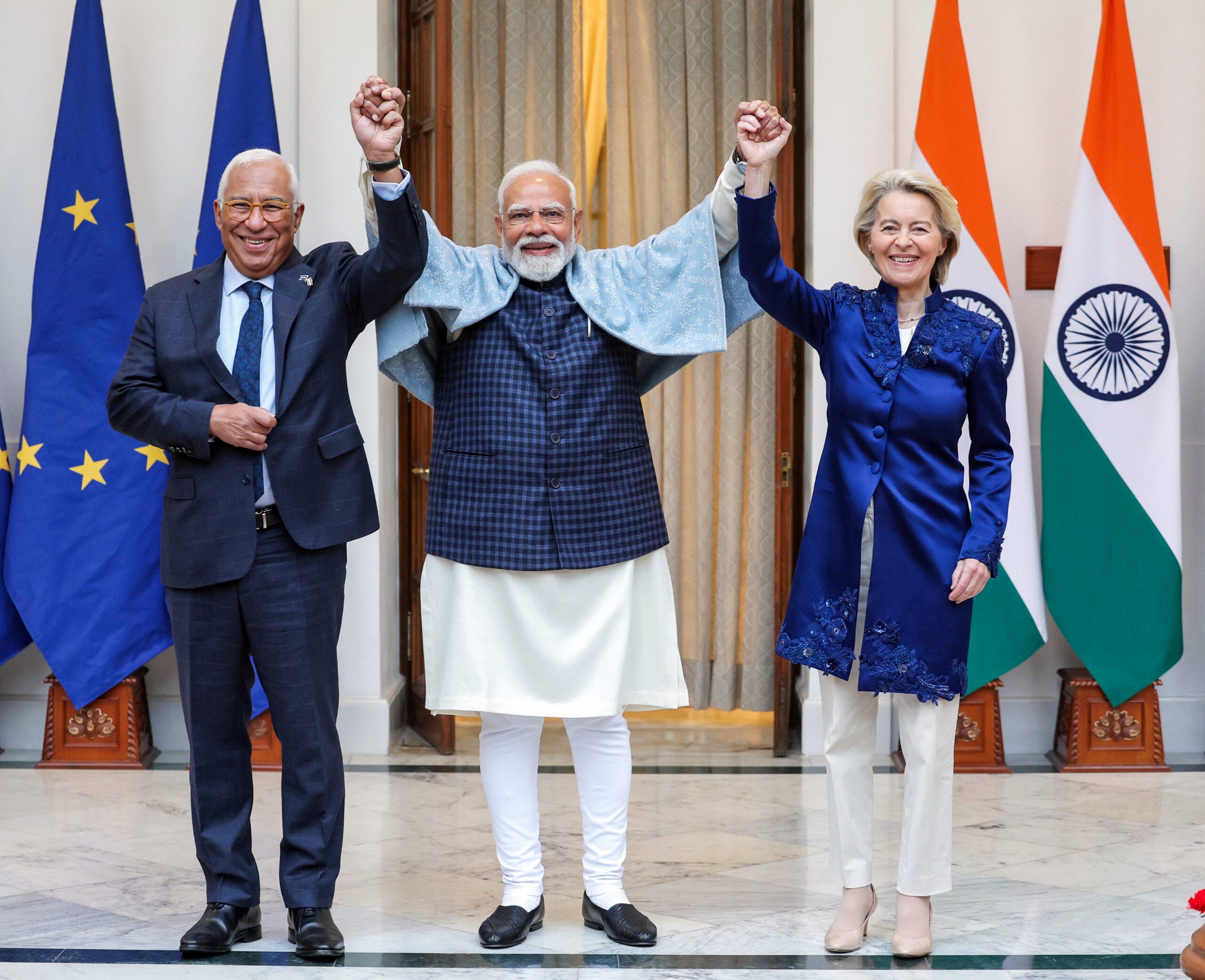
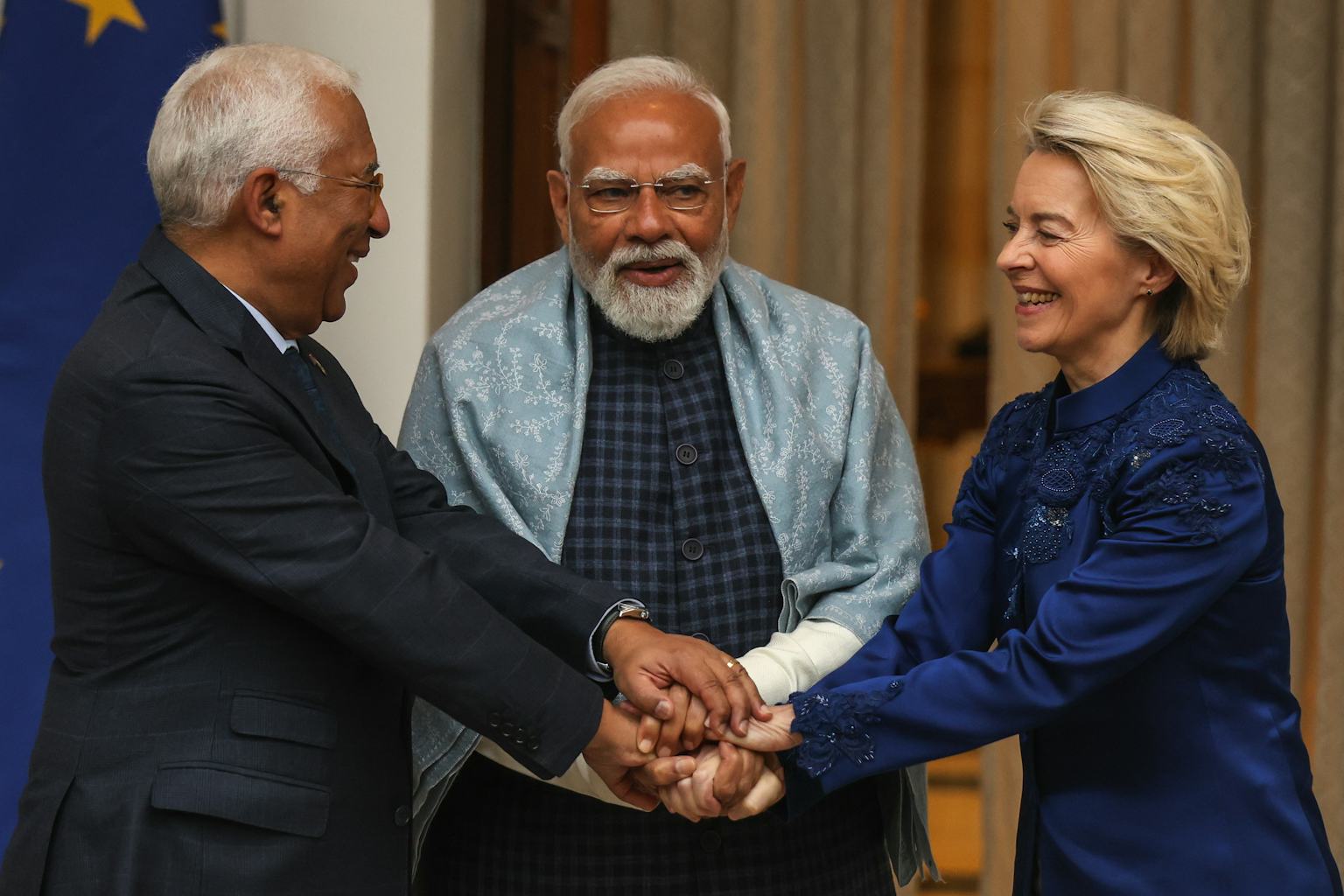
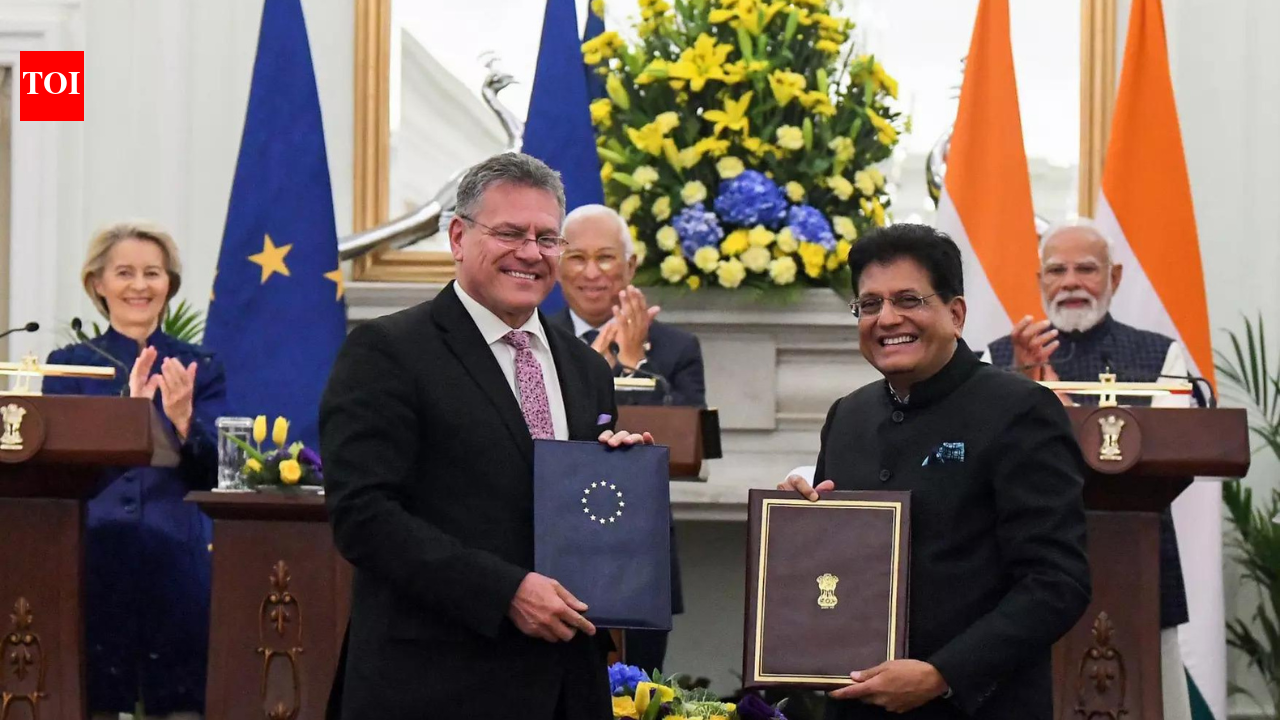
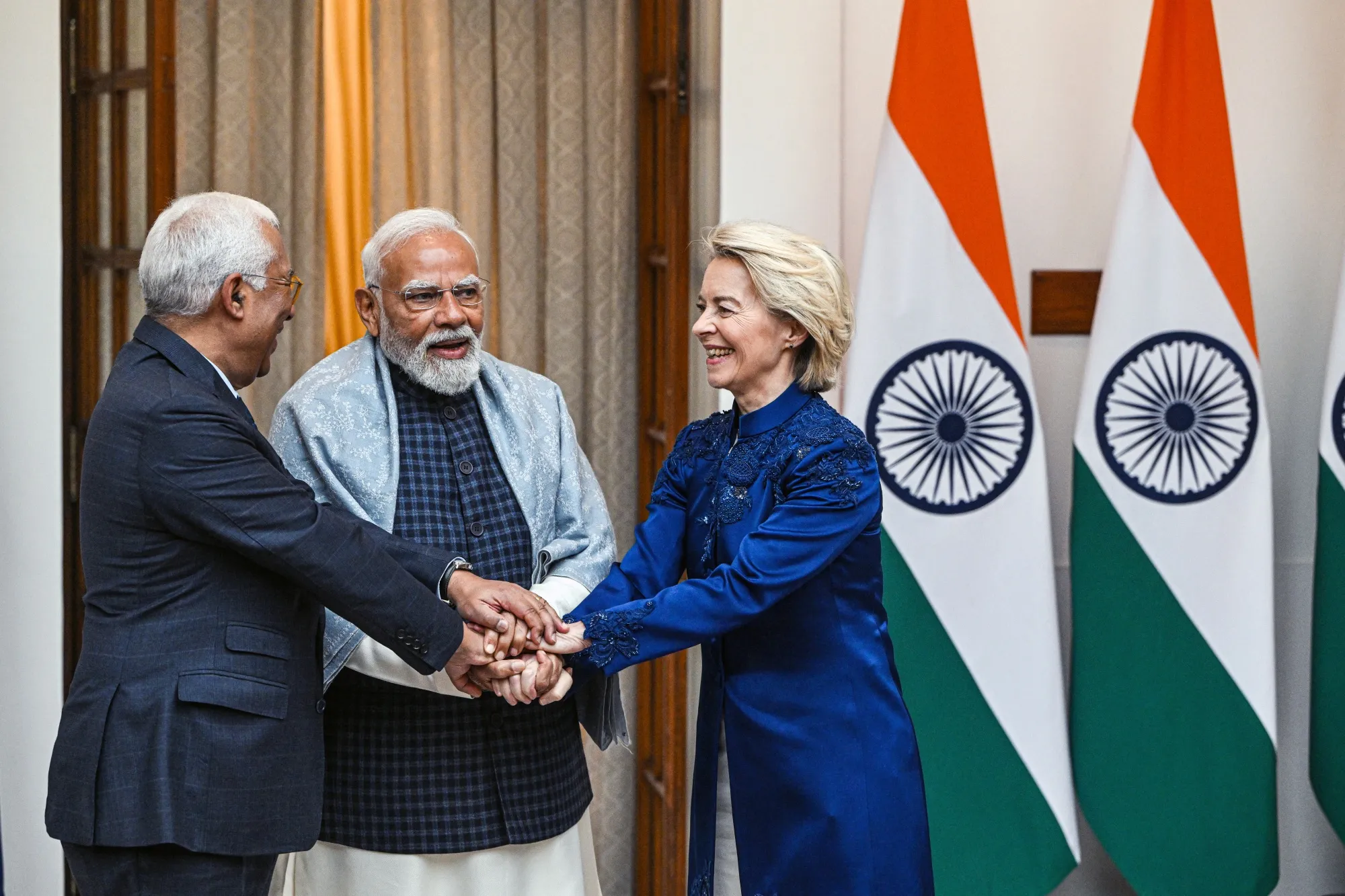
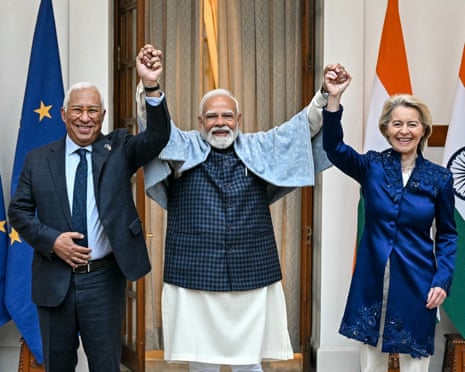
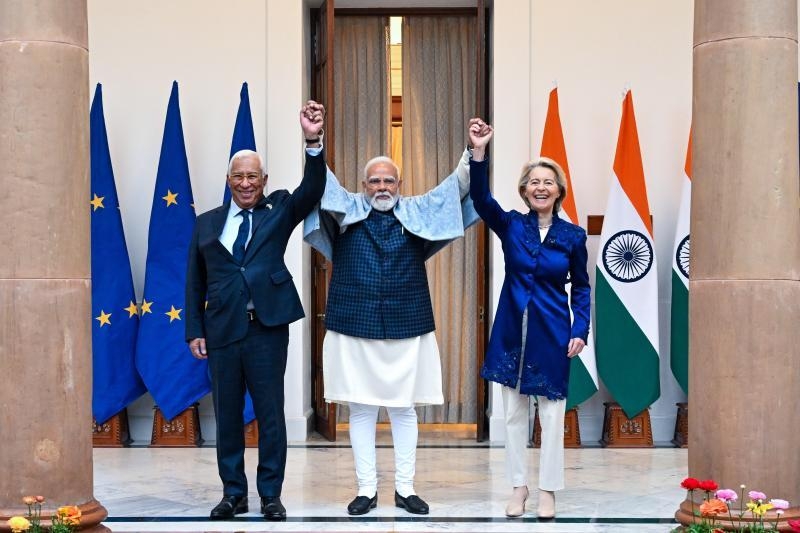
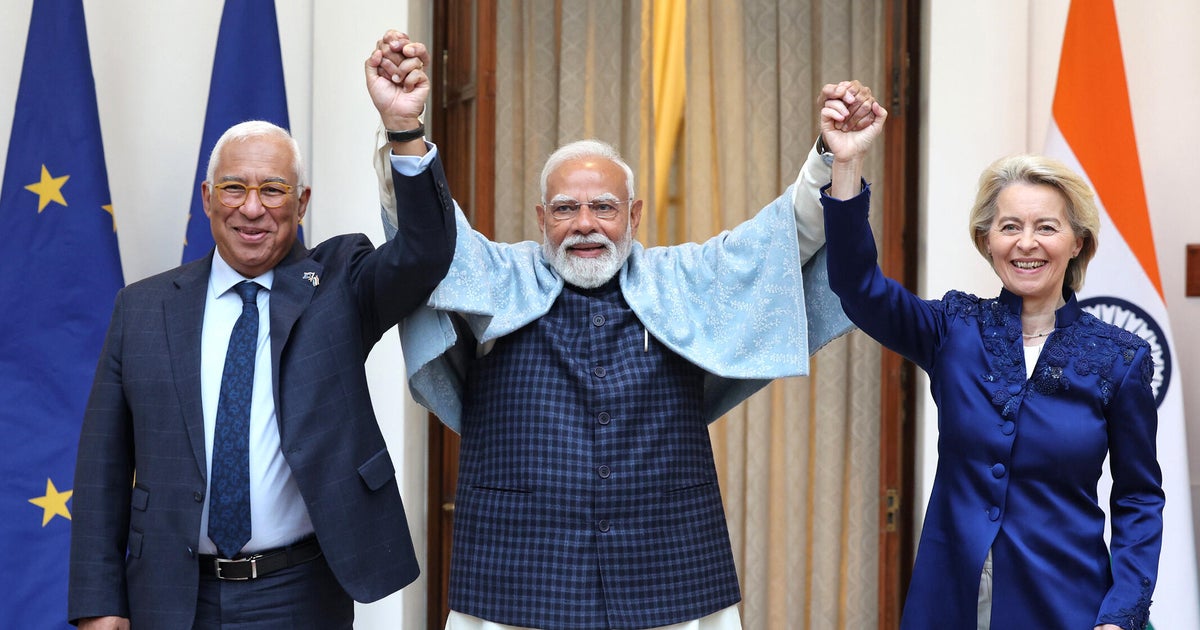
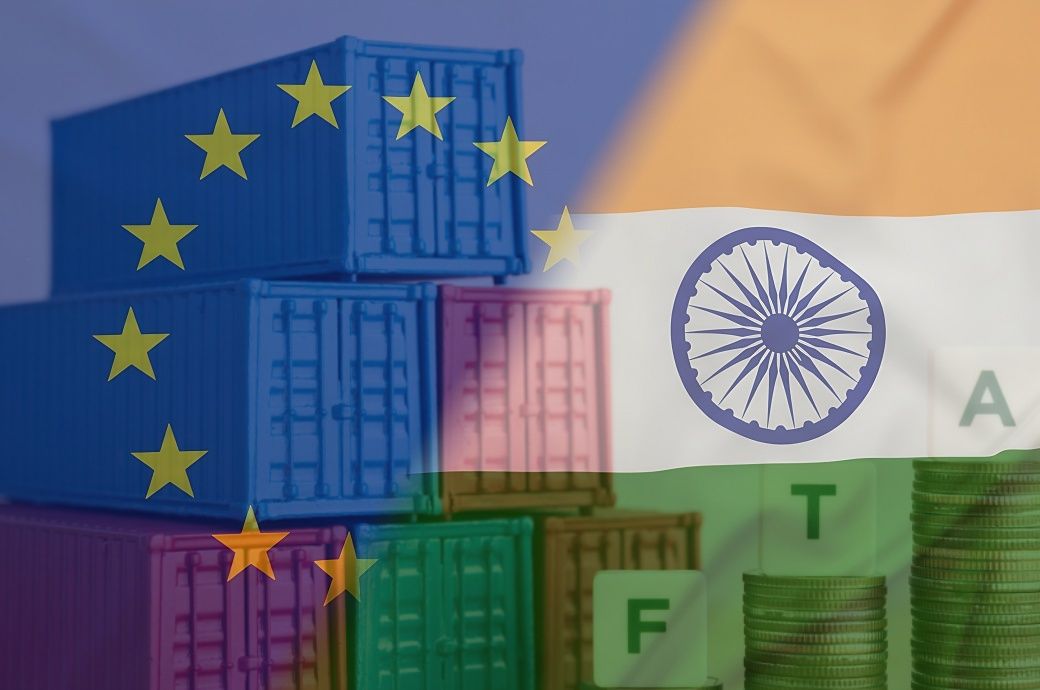
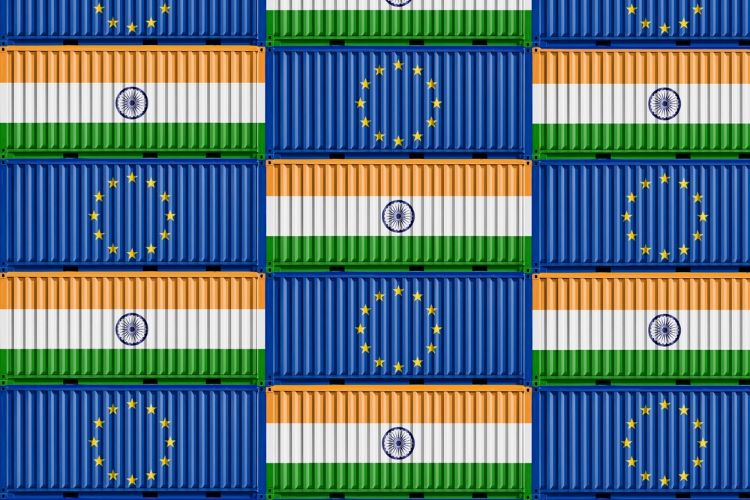
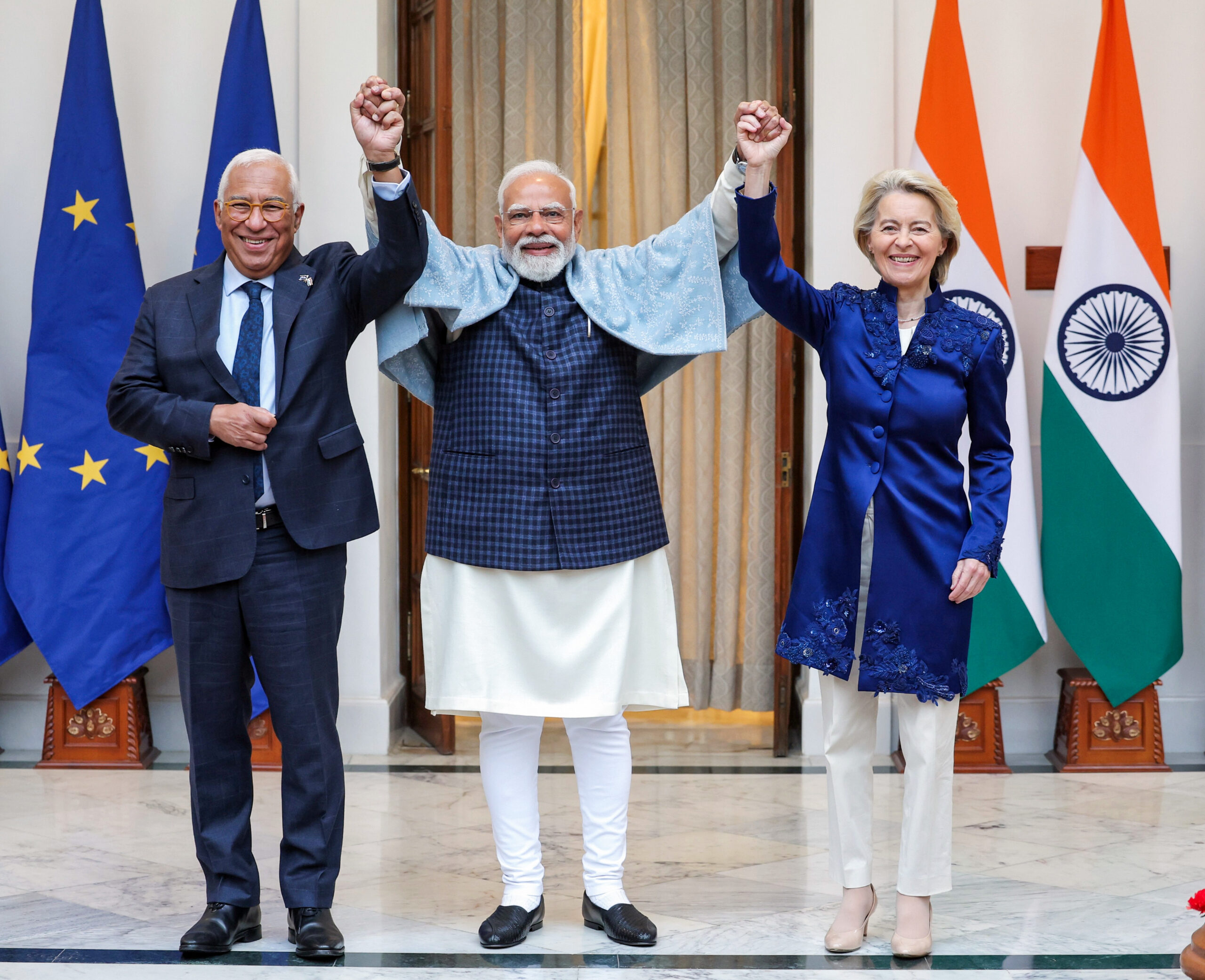
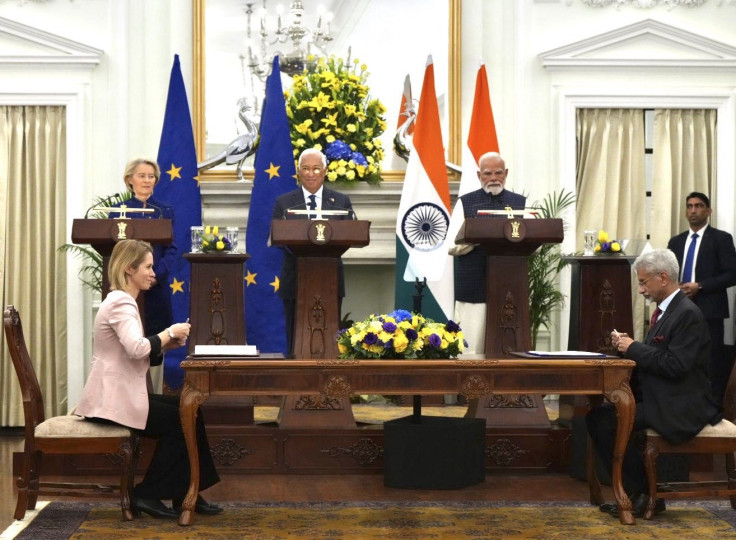
The EU-India Comprehensive Free Trade Agreement, signed January 28, 2026, represents a watershed moment for cross-border e-commerce sellers, creating a 2-billion-consumer market spanning 450 million EU citizens and 1.4+ billion Indian consumers. This landmark deal—accelerated by Trump administration tariff pressures (50% US tariffs on Indian goods, 25% penalties for Russian oil purchases) and NATO-related EU threats—fundamentally reshapes global trade architecture and creates immediate tariff arbitrage opportunities for sellers operating across these regions.
Tariff Arbitrage & Market Access Opportunities: The agreement opens India's historically protectionist domestic market to European manufactured goods and services with substantially reduced tariffs. European sellers gain streamlined access to India's rapidly expanding e-commerce sector (500+ million internet users, growing middle-class consumer base), while Indian exporters benefit from simplified EU market entry. This creates a critical 6-12 month window before competitors saturate these corridors. Sellers should immediately audit product categories with highest tariff reductions—particularly manufacturing, automotive components, consumer electronics, and specialty goods—to identify margin expansion opportunities of 8-15% on India-bound shipments.
Strategic Sourcing Shift Away from China: Both the EU and India explicitly seek to counterbalance Chinese economic dominance. This partnership accelerates India's positioning as an alternative manufacturing hub to China, creating new sourcing opportunities for cross-border sellers. Sellers currently dependent on Chinese suppliers can diversify sourcing to Indian manufacturers at competitive rates, reducing geopolitical supply chain risk. The agreement's emphasis on regulatory harmonization and customs streamlining suggests reduced compliance complexity compared to China's opaque tariff environment. Sellers should evaluate Indian suppliers in textiles, pharmaceuticals, automotive parts, and consumer goods—categories where India maintains cost advantages over China while offering improved trade stability.
Operational Cost Reduction & Logistics Efficiency: Reduced trade barriers and streamlined customs procedures directly lower operational costs for sellers exporting between EU and India. The agreement's potential regulatory harmonization could reduce documentation requirements, customs clearance times, and compliance complexity—translating to 5-10% logistics cost savings on EU-India shipments. This is particularly valuable for 3PL providers and sellers managing high-volume inventory flows. Additionally, the geopolitical stability framework addresses trade policy unpredictability that has plagued seller planning since 2024, enabling more confident long-term supply chain investments.
Competitive Advantage Timeline: Early-mover sellers who establish India market presence within Q1-Q2 2026 will capture disproportionate market share before larger competitors mobilize. The 20-year negotiation acceleration suggests implementation details will emerge gradually—sellers should monitor official EU and Indian government sources for specific tariff schedules, regulatory harmonization provisions, and customs procedures affecting their product categories. Sellers with existing EU infrastructure can leverage established logistics networks to enter India with minimal additional investment, creating competitive advantages over India-based sellers lacking international fulfillment capabilities.
问题 7
Which product categories benefit most from EU-India tariff reductions?
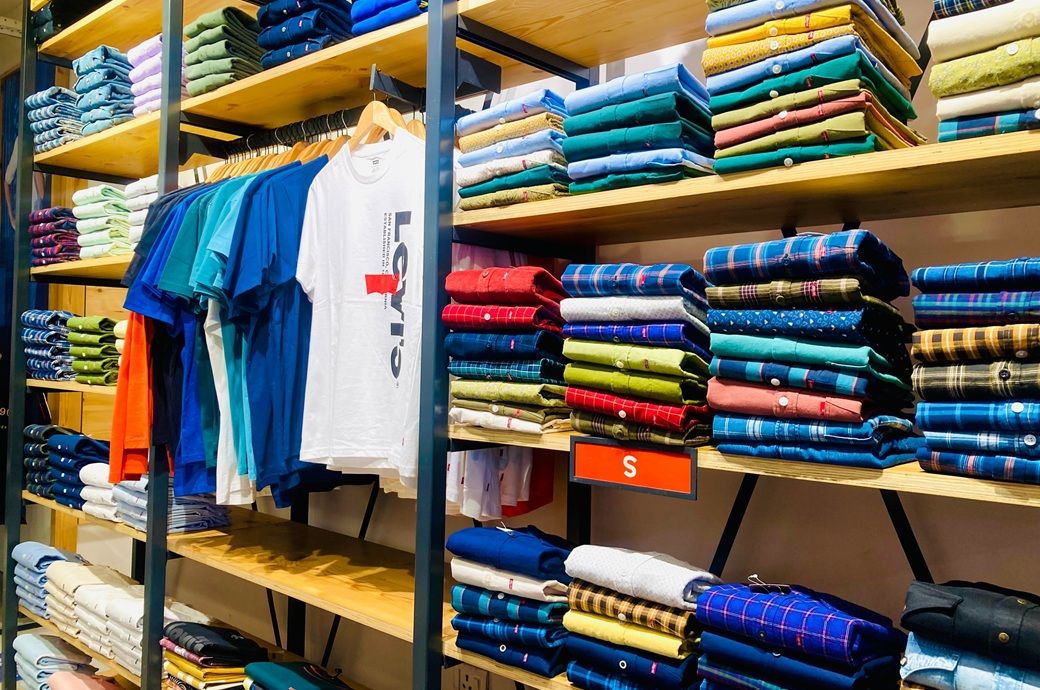
The agreement specifically targets manufacturing and services sectors with the highest tariff reductions. Priority categories include: consumer electronics (HS codes 8471-8517), automotive components (HS codes 8704-8708), textiles and apparel (HS codes 6204-6209), pharmaceuticals (HS codes 3004-3005), and specialty chemicals (HS codes 2915-2930). European sellers should audit their product portfolios against these categories to identify margin expansion opportunities. Indian exporters should prioritize these same categories for EU market entry. Sellers in lower-tariff categories (food, beverages) should monitor for secondary opportunities as regulatory harmonization provisions emerge. Request detailed tariff schedules from EU Commission and Indian Ministry of Commerce to calculate exact margin improvements by HS code.
How should sellers monitor implementation of the EU-India trade deal?
Sellers must actively monitor official sources for tariff schedules, regulatory harmonization provisions, and customs procedures. Key monitoring points: (1) EU Commission Trade Directorate announcements for detailed tariff schedules and implementation timelines; (2) Indian Ministry of Commerce & Industry notifications for customs procedures and regulatory requirements; (3) National customs authorities (CBIC for India, HMRC for EU) for operational guidance; (4) Industry associations representing your product category for sector-specific impacts. Subscribe to trade policy alerts from these sources and establish quarterly review cycles to identify new opportunities as implementation details emerge. Sellers should also monitor competitor activity in India markets to gauge market saturation and adjust entry timing accordingly. Engage customs brokers and trade consultants familiar with both EU and Indian regulations to ensure compliance and optimize tariff classification.