

Xbox Hardware Collapse Signals Gaming Market Shift | Seller Opportunities in Console Accessories & Game Merchandise
- Microsoft reports 32% hardware revenue drop, 9% gaming decline in Q2 FY26; creates inventory liquidation opportunities for electronics sellers and gaming merchandise categories






概览
Microsoft's Xbox division experienced a significant financial contraction in Q2 FY26 (ended December 31, 2025), with gaming revenue declining 9% year-over-year to $623 million, hardware revenue plummeting 32%, and content/services revenue falling 5%. The company directly attributed the downturn to weak first-party game releases, with Call of Duty: Black Ops 7 underperforming expectations—a rare occurrence for the franchise. This represents a cumulative 50% hardware decline over 24 months, signaling a structural shift in the gaming console market that creates both risks and opportunities for cross-border e-commerce sellers.
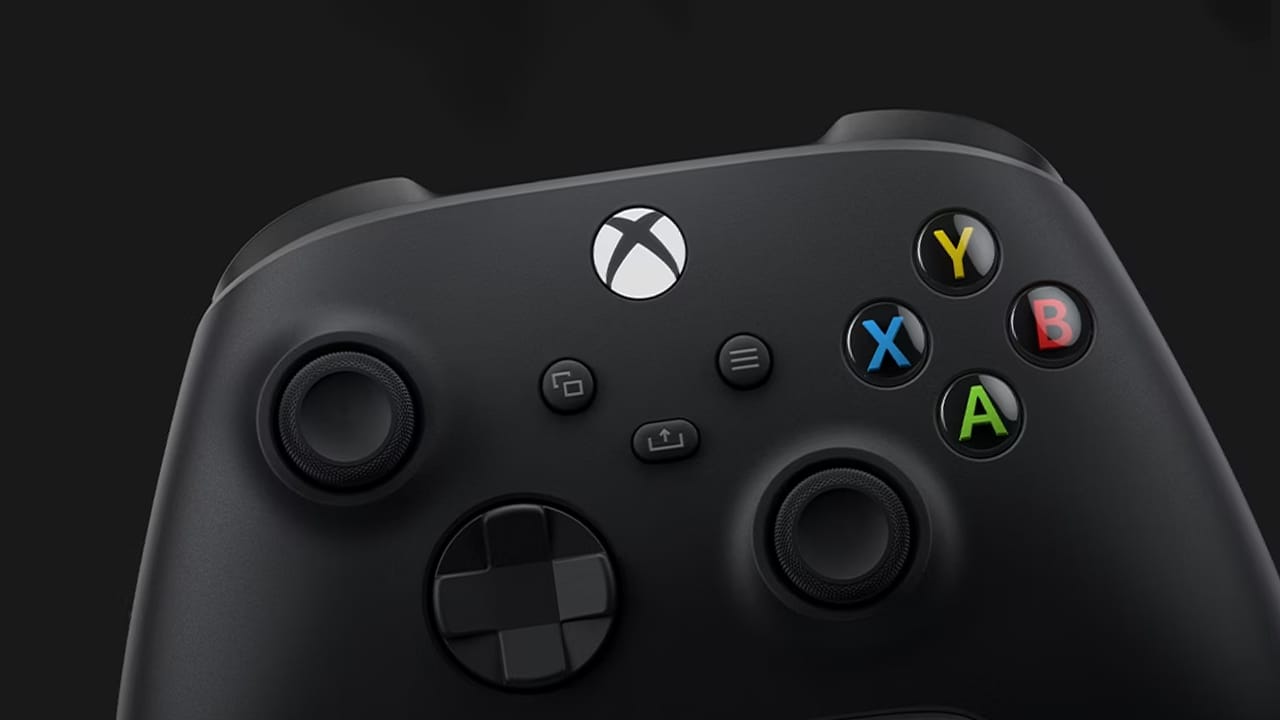
For electronics and gaming merchandise sellers, this decline presents multiple strategic angles. First, the hardware collapse indicates potential inventory liquidation opportunities: Microsoft's two price increases in 2025 (May 1 across most regions, October 3 in US) failed to offset declining unit sales, suggesting retailers and distributors may need to clear Xbox Series S/X inventory at discounted rates. The Series S pricing at $399—matching PlayStation 5 Digital Edition despite lower performance specs—indicates price compression in the console market. Sellers specializing in gaming hardware bundles, refurbished consoles, or console accessories (controllers, charging docks, protective cases) should monitor secondary market pricing for arbitrage opportunities. Additionally, the 50% hardware decline over 24 months suggests reduced demand for Xbox-exclusive peripherals, creating potential clearance opportunities in this category.
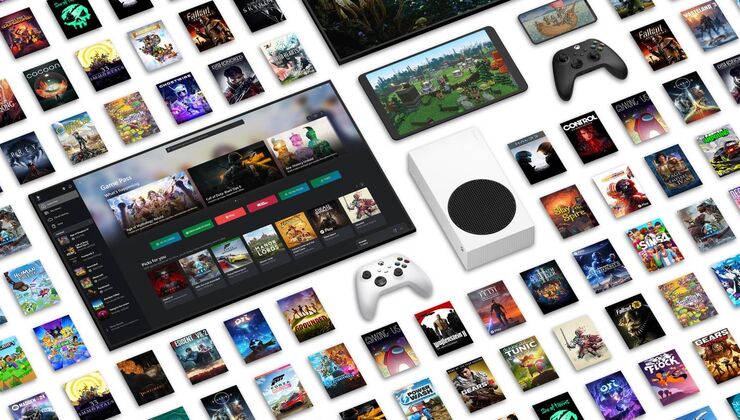
Second, the content/services decline despite Game Pass growth reveals consumer spending fatigue in subscription gaming. Microsoft's 50% Game Pass price increase recently pressured adoption, indicating price sensitivity among gaming consumers. This creates opportunities for sellers offering alternative gaming content: physical game collections, retro gaming merchandise, indie game bundles, and cross-platform gaming accessories that appeal to budget-conscious gamers. The news specifically mentions strong performance by Monster Hunter Wilds, Borderlands 4, NBA 2K26, and Battlefield 6—indicating demand for action, sports, and multiplayer titles. Sellers can capitalize by sourcing merchandise tied to these franchises (collectibles, apparel, gaming chairs, headsets) rather than Xbox-exclusive content. The shift toward PC gaming (Microsoft noted "record PC players") also signals opportunity in PC gaming peripherals and accessories, which typically command higher margins than console hardware.
Third, Microsoft's strategic pivot toward multi-platform releases and cloud gaming indicates a fundamental market restructuring. The company's rumored next-generation Xbox console featuring Windows-like environment and Steam integration suggests Microsoft is abandoning the traditional console exclusivity model. This creates uncertainty for sellers heavily invested in Xbox-specific inventory but opens opportunities in cross-platform gaming products. Sellers should monitor the Q3 FY26 guidance (4-6% content/services decline expected) and upcoming hardware announcements to time inventory purchases. The tariff and supply chain cost pressures mentioned (driving Series S to $399) also affect sellers' sourcing strategies—consider diversifying suppliers and monitoring tariff developments on electronics imports.
问题 8
What impact does the 50% Game Pass price increase have on gaming content sellers?
Microsoft's recent 50% Game Pass price increase pressured consumer adoption and contributed to the 5% content/services revenue decline. This indicates price sensitivity among gaming consumers and reduced spending on subscription services. For sellers, this creates opportunities in alternative gaming content categories: physical game collections, indie game bundles, retro gaming merchandise, and gaming-related apparel. Sellers can target budget-conscious gamers who are canceling or downgrading subscriptions by offering affordable gaming merchandise, collectibles, and cross-platform gaming accessories that provide value without ongoing subscription costs.
Which game franchises showed strong performance while Xbox titles underperformed?
While Call of Duty: Black Ops 7 underperformed significantly, Monster Hunter Wilds, Borderlands 4, NBA 2K26, and Battlefield 6 ranked higher in sales. This indicates strong consumer demand for action, sports, and multiplayer gaming franchises. Sellers should prioritize sourcing merchandise tied to these high-performing franchises: Monster Hunter collectibles and apparel, Borderlands gaming gear, NBA 2K sports merchandise, and Battlefield gaming peripherals. These franchises demonstrate consistent consumer engagement and purchasing power, making them safer inventory bets than Xbox-exclusive titles during this market transition.