



PC Component Shortage Drives Retail Security Crisis | O2O Opportunity for Component Sellers
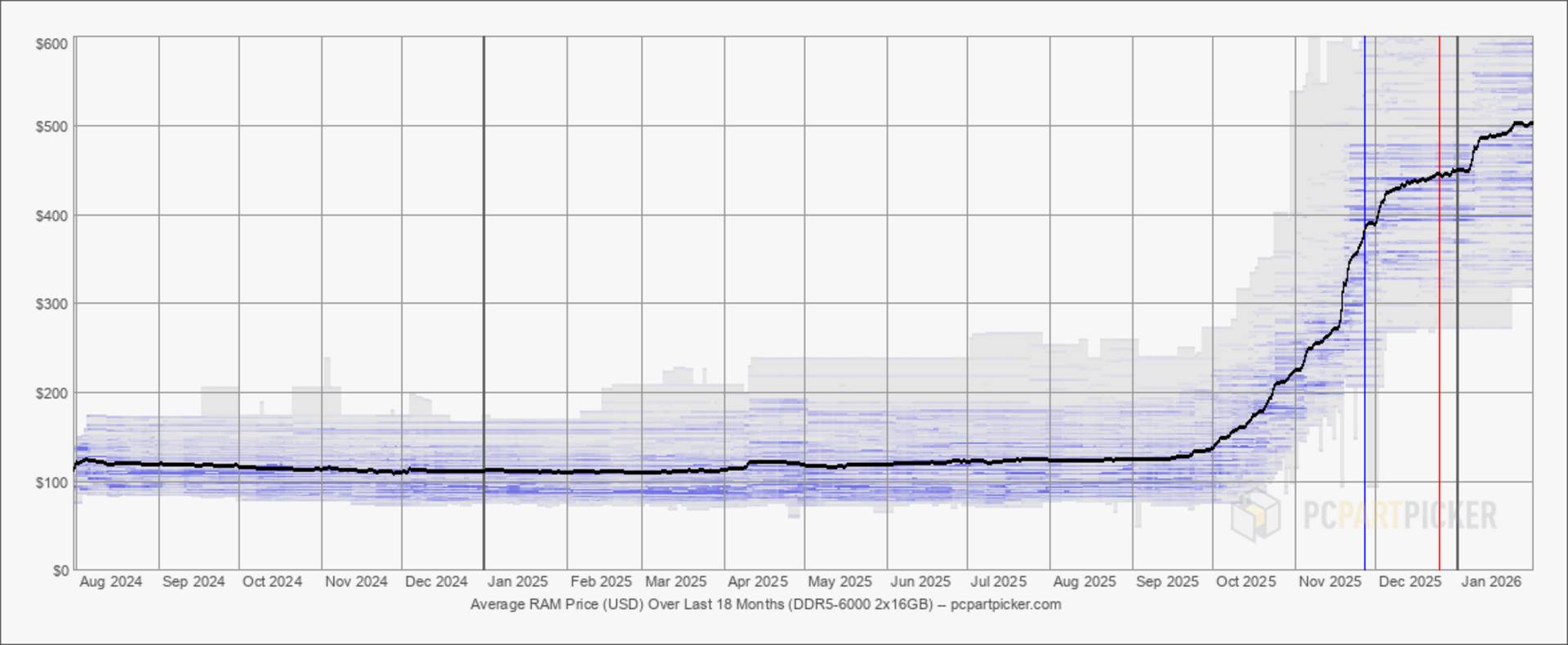
- RAM prices surge 171% YoY, GPU theft escalates across warehouse retailers, creating urgent O2O and experiential retail opportunities for component sellers and system integrators





概览
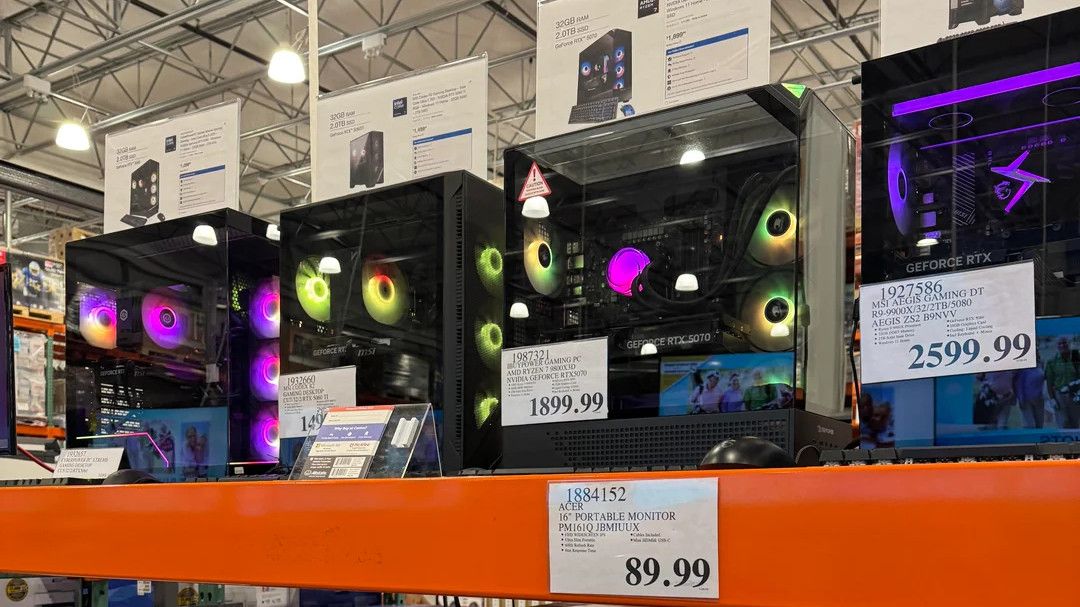
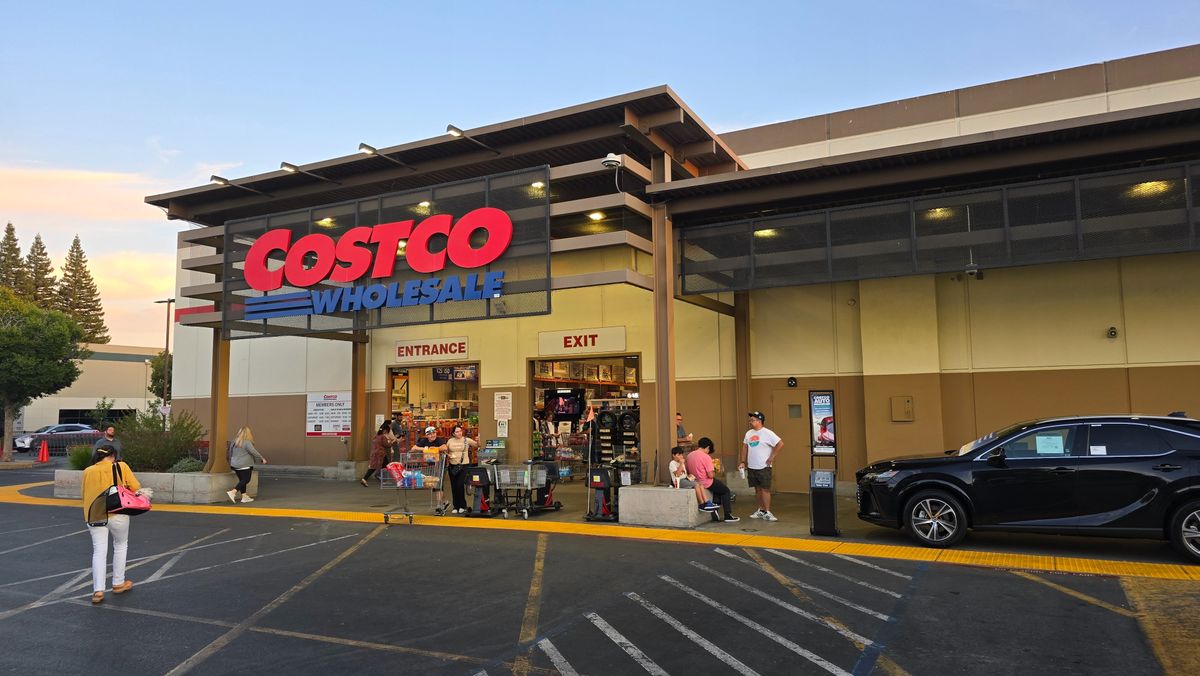
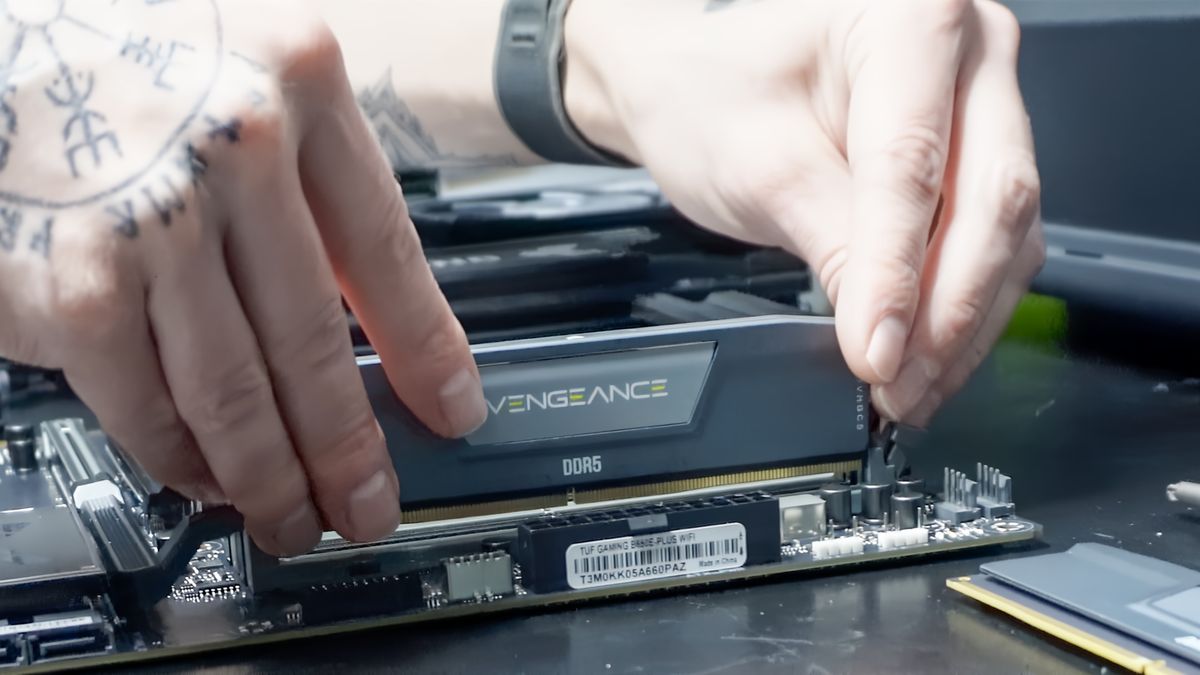
Costco's removal of RAM and GPUs from in-store display PCs represents a critical inflection point in retail operations for high-value electronics, signaling that component scarcity and theft have become severe enough to override customer experience priorities. As of January 2026, Costco has systematically stripped RAM modules and graphics cards from demonstration units across multiple locations, leaving only CPUs and motherboards visible to shoppers. This defensive merchandising strategy stems from documented theft incidents—including one caught on camera where an Instacart shopper stole RAM from a display unit—and reflects the dramatic surge in component prices: RAM has increased 171% year-over-year, with DDR5 memory kits now selling for $1,200+ and components commanding 4-5x official retail prices on secondary markets.
The root cause is structural: AI infrastructure demand has created a supply crisis expected to persist until 2031. Data centers now consume 70% of all memory chip production, forcing major manufacturers like Micron to exit the consumer market entirely and prioritize enterprise clients. This supply constraint has created a lucrative black market where high-capacity NVMe SSDs cost as much as gold by weight. IDC projects the PC market could shrink 9% in 2026 due to skyrocketing RAM costs, while fraudsters exploit the shortage through GPU scams targeting desperate buyers. The severity is global—a recent incident in Korea involved breaking into an office and stealing four 32GB memory modules from a PC case.
For retail operations and O2O sellers, this creates a paradox and an opportunity. Costco's approach of removing components entirely rather than using locked display cases or security tethers demonstrates that traditional loss-prevention fails when component values exceed $300-500 per unit. This forces a strategic choice: retailers must either sacrifice product visibility (reducing sales velocity) or accept significant theft losses. The operational impact is substantial—Costco's decision indicates component theft has become a material cost driver at high-traffic warehouse locations. For e-commerce sellers and cross-border brands, this signals three immediate opportunities: (1) Pop-up showrooms in major metros where customers can physically inspect and configure systems without theft risk, (2) O2O conversion strategies linking online component sales to in-store configuration services, and (3) Retail partnerships with warehouse clubs seeking alternative merchandising solutions that protect inventory while enabling customer evaluation. The removal of demo units also creates demand for experiential retail formats—system integrator kiosks, AR/VR configuration tools, and build-your-own-PC experiences that don't require exposing valuable components. Cities with high PC gaming adoption (Seattle, San Francisco, Austin, Los Angeles) and strong AI/tech worker populations represent priority markets for temporary retail presence testing this model.
问题 8
Which retail chains are actively seeking component merchandising solutions?
Costco's decision signals that warehouse clubs and major electronics retailers are actively seeking alternative merchandising strategies for high-value components. The operational challenge affects retailers with high foot traffic and significant component inventory exposure. Potential retail partners include Best Buy, Micro Center, and regional computer retailers facing similar theft pressures. These chains are likely evaluating solutions including locked component storage, back-room fulfillment models, and partnerships with system integrators who can handle customer configuration and assembly. Sellers offering turnkey O2O solutions—combining online ordering with in-store configuration services—have strong partnership opportunities with retailers seeking to balance loss prevention and customer experience.
What O2O opportunities does this retail security crisis create for sellers?
The removal of display components creates three immediate O2O opportunities: (1) Pop-up showrooms in major metros (Seattle, San Francisco, Austin, Los Angeles) where customers can physically configure systems without theft risk, (2) O2O conversion strategies linking online component sales to in-store configuration and build services, and (3) Retail partnerships with warehouse clubs seeking alternative merchandising solutions. Experiential retail formats—system integrator kiosks, AR/VR configuration tools, and build-your-own-PC experiences—can enable customer evaluation without exposing valuable inventory. Cities with high PC gaming adoption and strong AI/tech worker populations represent priority markets for testing temporary retail presence, with expected customer LTV increases of 25-40% from omnichannel engagement.