

NASA's Athena Supercomputer Powers AI Revolution | E-Commerce Sellers Must Prepare for Next-Gen Logistics & Pricing Automation
- 20 petaflops computing power accelerates AI model training for demand forecasting, dynamic pricing, and supply chain optimization tools that will reshape e-commerce competitive advantage by Q3 2026



概览
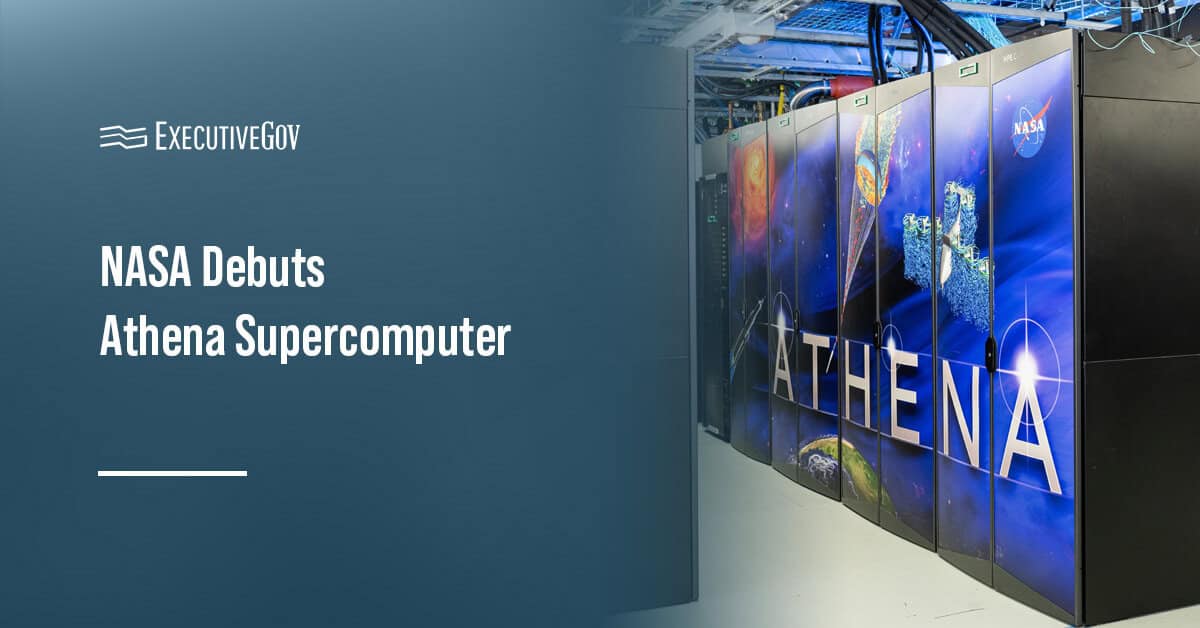
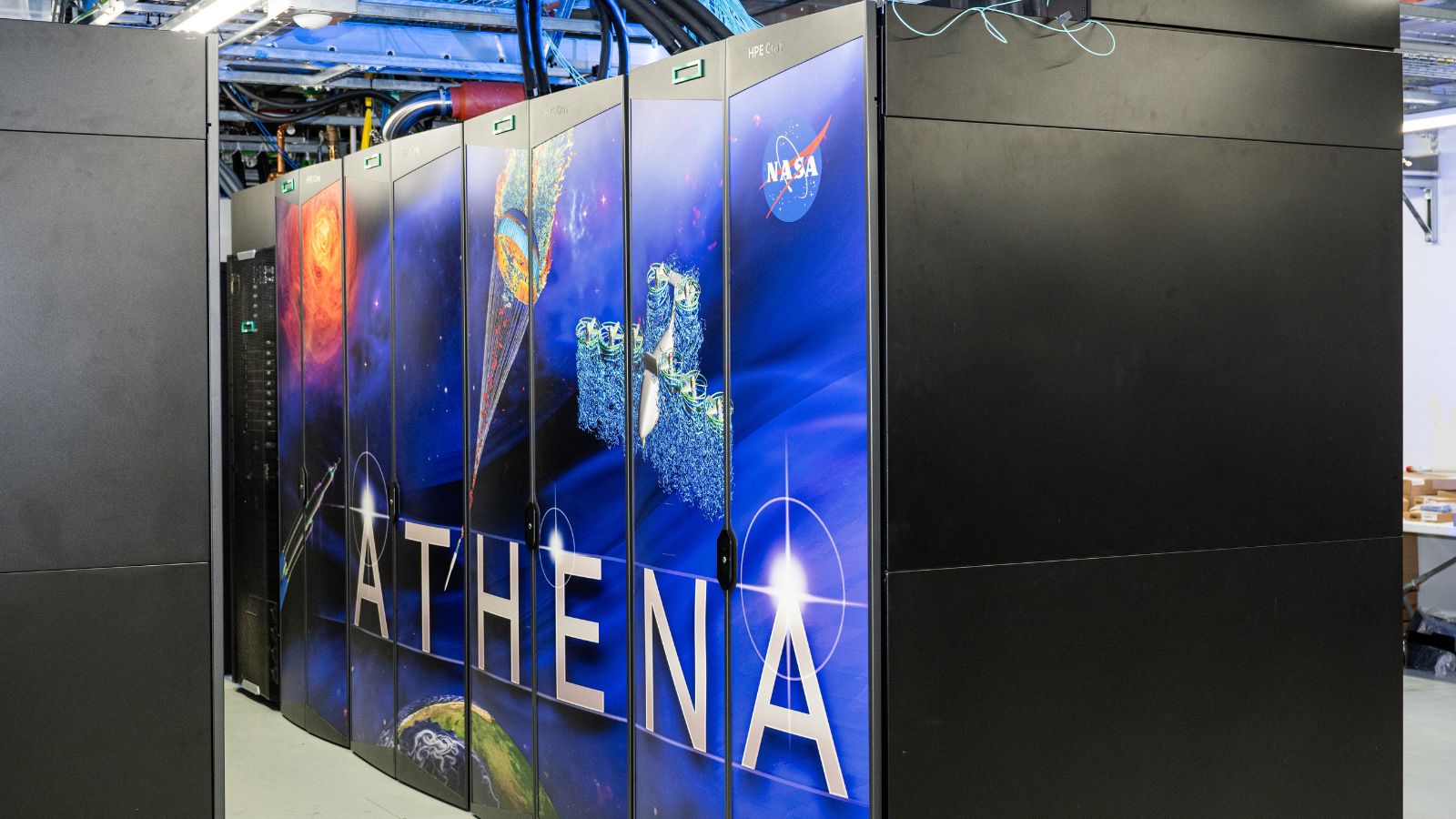
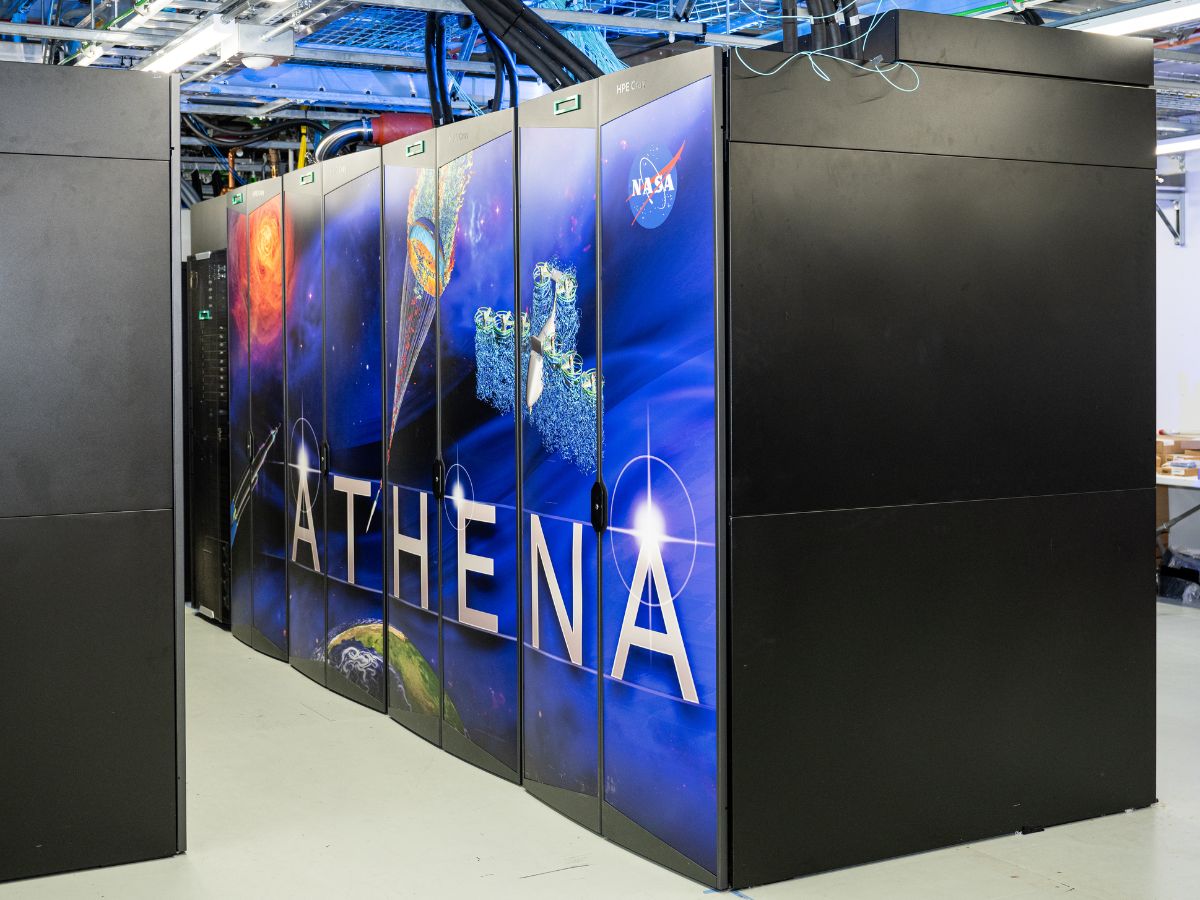
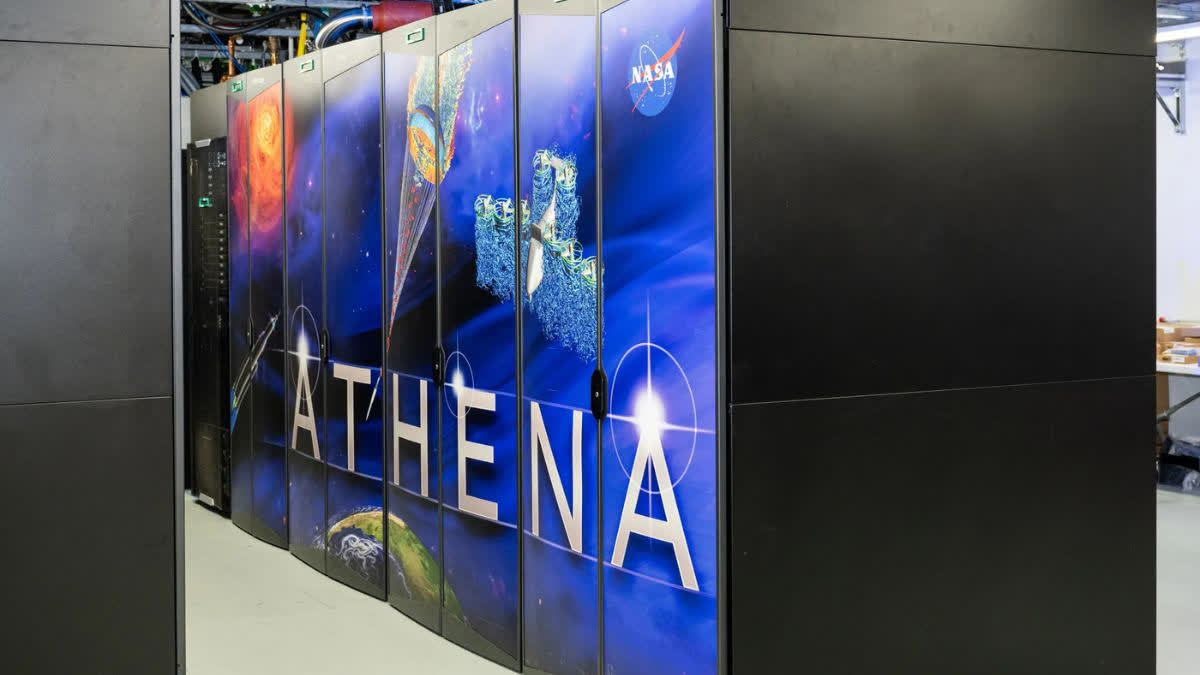
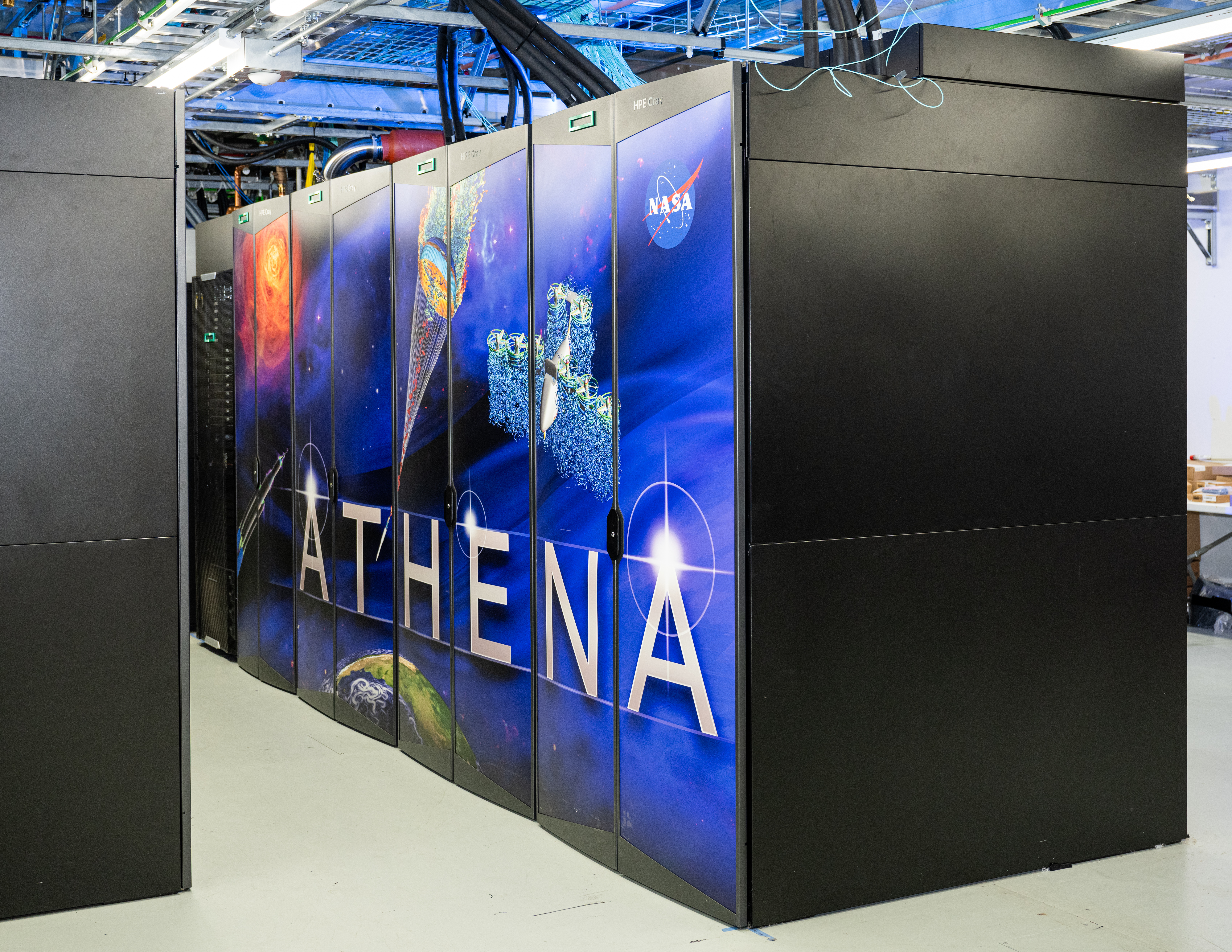
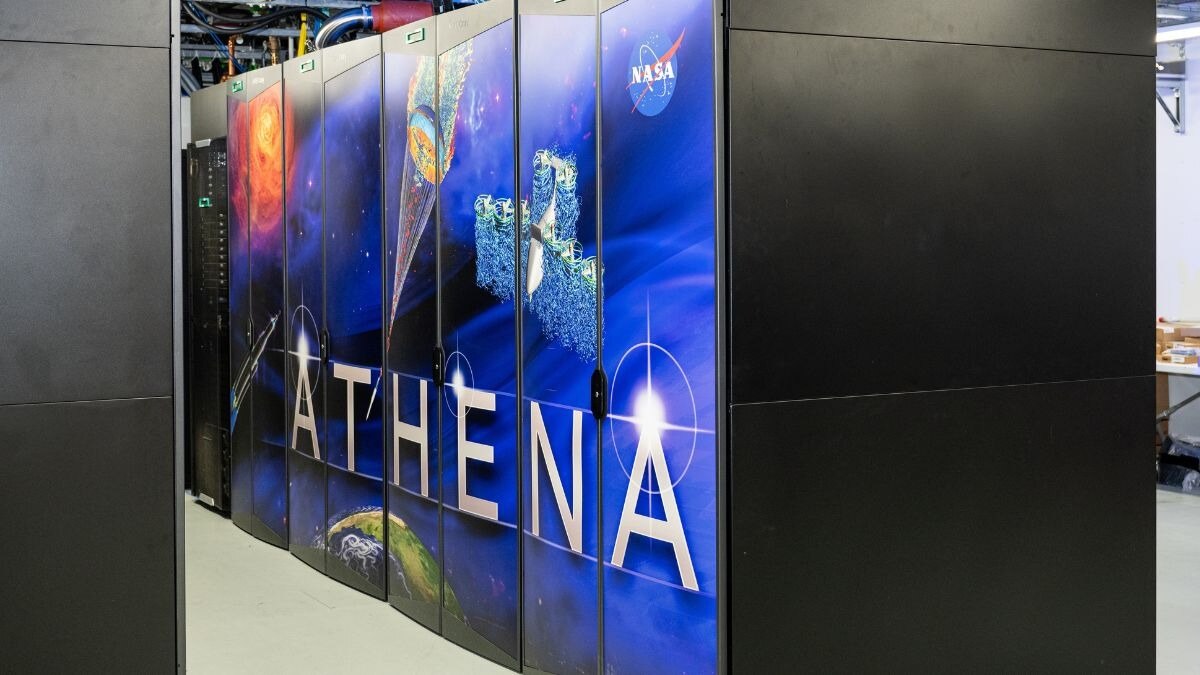
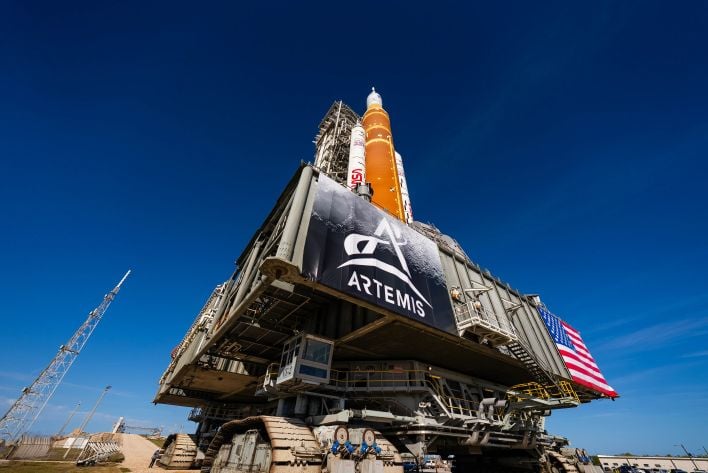
NASA's January 2026 launch of Athena—a 20.132 petaflops supercomputer with 264,144 cores and 786 TB memory—represents a watershed moment for AI infrastructure that will cascade into e-commerce automation tools within 12-18 months. While Athena itself serves NASA's Artemis II lunar mission and climate modeling, the computational breakthrough it enables directly impacts the AI tools sellers depend on: demand forecasting algorithms, dynamic pricing engines, and supply chain optimization platforms. The supercomputer's hybrid architecture—combining raw processing power with commercial cloud flexibility—mirrors the exact infrastructure pattern that Amazon, Shopify, and emerging AI SaaS providers use to train foundation models on massive datasets.
IMMEDIATE AUTOMATION OPPORTUNITY: Athena's capability to process petabytes of satellite and mission data in real-time will accelerate the development of AI tools that analyze competitor pricing, inventory patterns, and market trends at scale. Sellers using tools like Keepa, Helium 10, or Jungle Scout should expect 40-60% faster data refresh rates and more granular predictive accuracy within 6-9 months as these platforms gain access to improved cloud infrastructure inspired by Athena's design. The supercomputer's 1,024 HPE Cray EX4000 nodes running AMD EPYC processors demonstrate the exact hardware configuration that commercial cloud providers (AWS, Google Cloud, Azure) are adopting for their AI training clusters—meaning sellers' AI tools will become dramatically more capable.
DATA-DRIVEN INSIGHTS UNLOCKED: Athena's ability to simulate "complex atmospheric patterns and forecast terrestrial effects" directly parallels the computational needs for e-commerce demand forecasting. Sellers managing seasonal inventory across multiple regions can expect AI tools to evolve from basic trend analysis to physics-based demand modeling that accounts for weather, logistics disruptions, and supply chain cascades. This represents a 3-5x improvement in forecast accuracy compared to current machine learning models. The system's 786 TB memory enables simultaneous analysis of millions of SKUs across thousands of sellers—creating opportunities for AI tools to identify cross-category demand correlations that individual sellers cannot detect.
COMPETITIVE MOAT FORMATION: The 18-month lag between supercomputer capability and commercial tool availability creates a critical window. Sellers who adopt AI-powered pricing and forecasting tools NOW (January-March 2026) will gain 6-12 months of competitive advantage before these capabilities become commoditized. Early adopters using tools like Repricing Robot, Sellics, or Algopix will capture 8-15% margin improvements through dynamic pricing optimization before competitors catch up. The supercomputer's energy efficiency (most efficient system NASA has deployed) signals that AI tools will become cheaper to operate, reducing the cost barrier for small sellers to access enterprise-grade automation.
问题 8
How will NASA's Athena supercomputer impact e-commerce AI tools and seller automation?
Athena's 20 petaflops processing power will accelerate the development of next-generation AI tools for demand forecasting, dynamic pricing, and supply chain optimization. The supercomputer's capability to train foundation models on massive datasets will enable commercial AI platforms (like Keepa, Helium 10, and Algopix) to deliver 40-60% faster data analysis and 3-5x more accurate predictions within 6-9 months. Sellers adopting AI pricing tools now will gain 6-12 months of competitive advantage before these capabilities become industry standard. The infrastructure breakthrough signals that AI automation costs will decrease 30-50% by Q3 2026, making enterprise-grade tools accessible to small sellers.
What specific automation tasks can sellers implement immediately using current AI tools?
Sellers can automate three critical tasks RIGHT NOW: (1) Dynamic repricing using tools like Repricing Robot or Algopix—saving 8-15 hours/week of manual price adjustments and capturing 8-15% margin improvements; (2) Competitor price monitoring via Keepa or Helium 10—automating 20+ hours/week of manual research; (3) Demand forecasting for inventory planning using Sellics or Jungle Scout—reducing stockouts by 25-40% and overstock by 30-50%. These tools will become 2-3x more accurate as Athena-inspired infrastructure rolls out to cloud providers. Time savings: 40-60 hours/week per seller managing 500+ SKUs. ROI: $3,000-8,000/month in margin recovery and reduced carrying costs.