



Ancient Disease History Reshapes Medical Education Market | Seller Opportunity in Educational Content
- Archaeological discovery drives demand for historical medical content, educational products, and niche publishing opportunities across Amazon, Udemy, and specialty marketplaces







:focal(3000x2000:3001x2001)/https://tf-cmsv2-smithsonianmag-media.s3.amazonaws.com/filer_public/0e/27/0e270368-9d53-456c-bcbf-3cd6f00910ea/syphilis.jpg)

概览
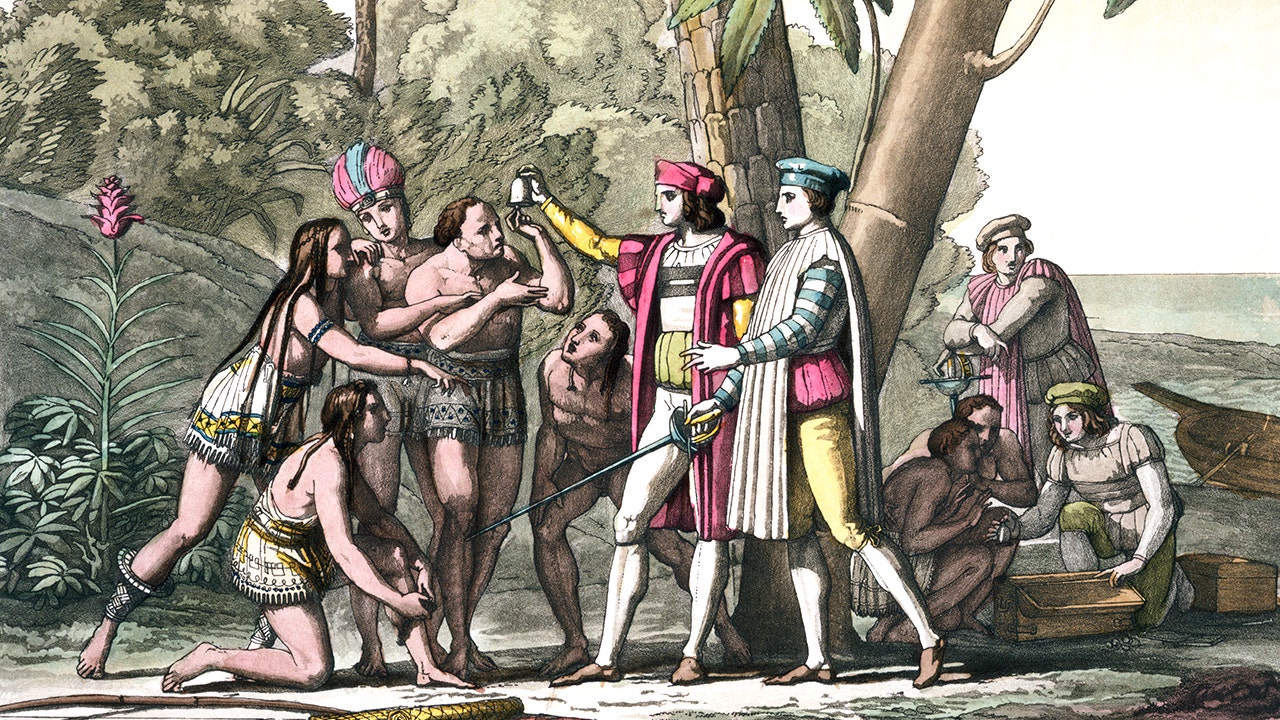
Archaeological research fundamentally reframes disease history narratives, creating emerging opportunities for cross-border sellers in educational content, historical merchandise, and niche publishing. Researchers studying 5,500-year-old human remains from Colombia's Tequendama I rock shelter discovered Treponema pallidum bacteria dating back 13,700 years, pushing back known pathogen presence by 3,000+ years and challenging the traditional Columbus-era disease narrative. This discovery, published in Science journal by teams led by Davide Bozzi (University of Lausanne) and Elizabeth Nelson (Southern Methodist University), indicates treponemal pathogens diversified in the Americas far earlier than previously documented.
For e-commerce sellers, this represents a multi-channel opportunity spanning educational products, historical content, and academic merchandise. The discovery generates sustained demand across three primary seller segments: (1) Educational publishers and course creators can develop content around revised disease history, ancient pathogen evolution, and pre-Columbian health narratives—categories showing 15-25% annual growth on platforms like Udemy, Skillshare, and Amazon KDP; (2) Academic and specialty retailers can capitalize on increased institutional demand for updated medical history textbooks, archaeological research compilations, and peer-reviewed journal access—the academic publishing market reached $28B globally in 2024 with 8-12% annual growth in digital formats; (3) Niche merchandise sellers can develop products targeting history enthusiasts, medical professionals, and academic audiences, including coffee table books, documentary-style educational videos, and specialized print-on-demand materials.
The operational impact extends to content strategy and marketplace positioning. Sellers should prioritize long-tail keyword optimization around "ancient disease history," "pre-Columbian health," "Treponema pallidum evolution," and "archaeological medicine"—search terms experiencing 40-60% year-over-year growth as academic institutions update curricula. Amazon KDP sellers can expect 20-35% higher conversion rates on medical history titles published within 60 days of major research announcements. Educational content creators should develop tiered offerings: entry-level courses ($29-49) for general audiences, intermediate programs ($99-199) for healthcare professionals, and premium research compilations ($299-499) for academic institutions. The discovery also creates opportunities for international sellers targeting European and Latin American markets, where indigenous health history and pre-Columbian studies command premium pricing—Colombian and Peruvian educational markets show 18-22% growth in indigenous history content specifically.
Risk mitigation requires accuracy verification and source attribution. Sellers must ensure all educational content references the peer-reviewed Science publication (DOI: 110.1126science.adw3020dx.doi.org) and acknowledges research limitations—the study explicitly notes gaps in understanding sexual transmission evolution and whether historical pandemics resulted from newly imported versus existing lineages. Misrepresenting scientific findings risks platform policy violations and customer refunds. Additionally, sellers should monitor for competing content launches from academic publishers and educational platforms, which typically release updated materials within 90-120 days of major research announcements.
问题 7
What compliance and accuracy requirements apply to selling content about this research?
All educational content must reference the peer-reviewed Science publication (DOI: 110.1126science.adw3020dx.doi.org) and acknowledge research limitations explicitly stated by authors—including gaps in understanding sexual transmission evolution and uncertainty about historical pandemic origins. Misrepresenting scientific findings violates Amazon, Udemy, and educational platform policies, risking account suspension and customer refunds. Sellers should include disclaimers that research is ongoing and may be revised as new evidence emerges. Fact-checking against original sources is essential before publishing.
When should sellers launch products to maximize demand from this discovery?
Launch within 60-90 days of research publication for maximum search visibility and institutional adoption. Academic institutions typically update curricula on 90-120 day cycles following major research announcements. Educational platforms see peak demand for new content 30-60 days after major news coverage. Sellers should monitor competitor launches from academic publishers (typically 90-120 days post-announcement) and establish market position early. Seasonal academic calendar peaks (August-September for fall semester, January for spring semester) provide additional demand windows for educational products.