

.jpg)

Strategic Negotiations and Personal Agency in Professional Sports Contracts
- Emerging trend of athlete empowerment reshaping team-player dynamics





概览
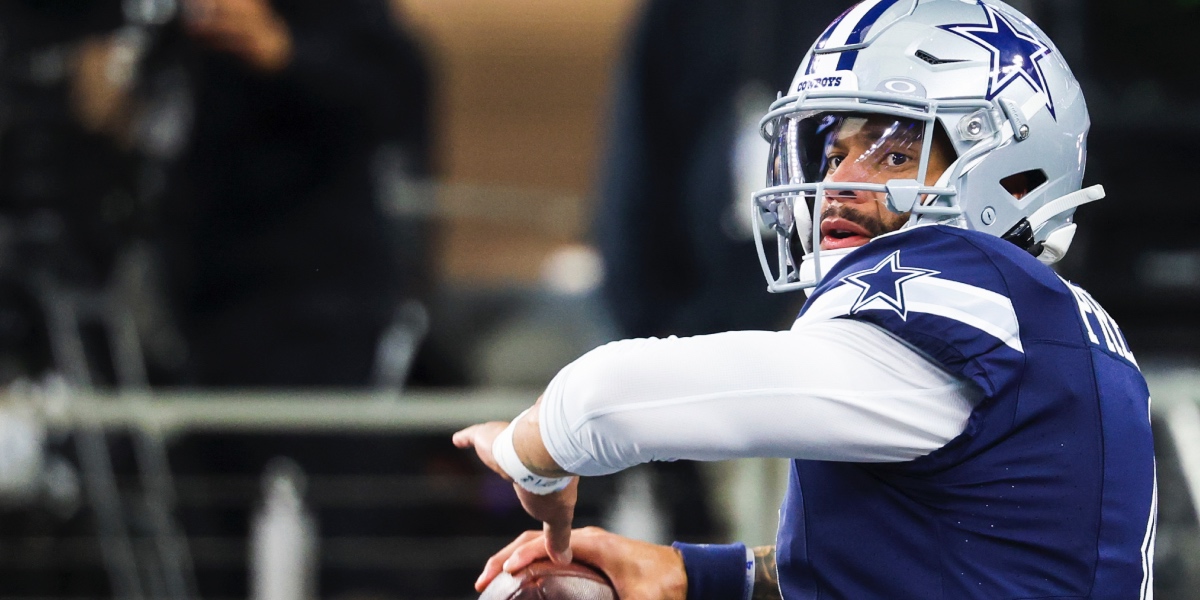
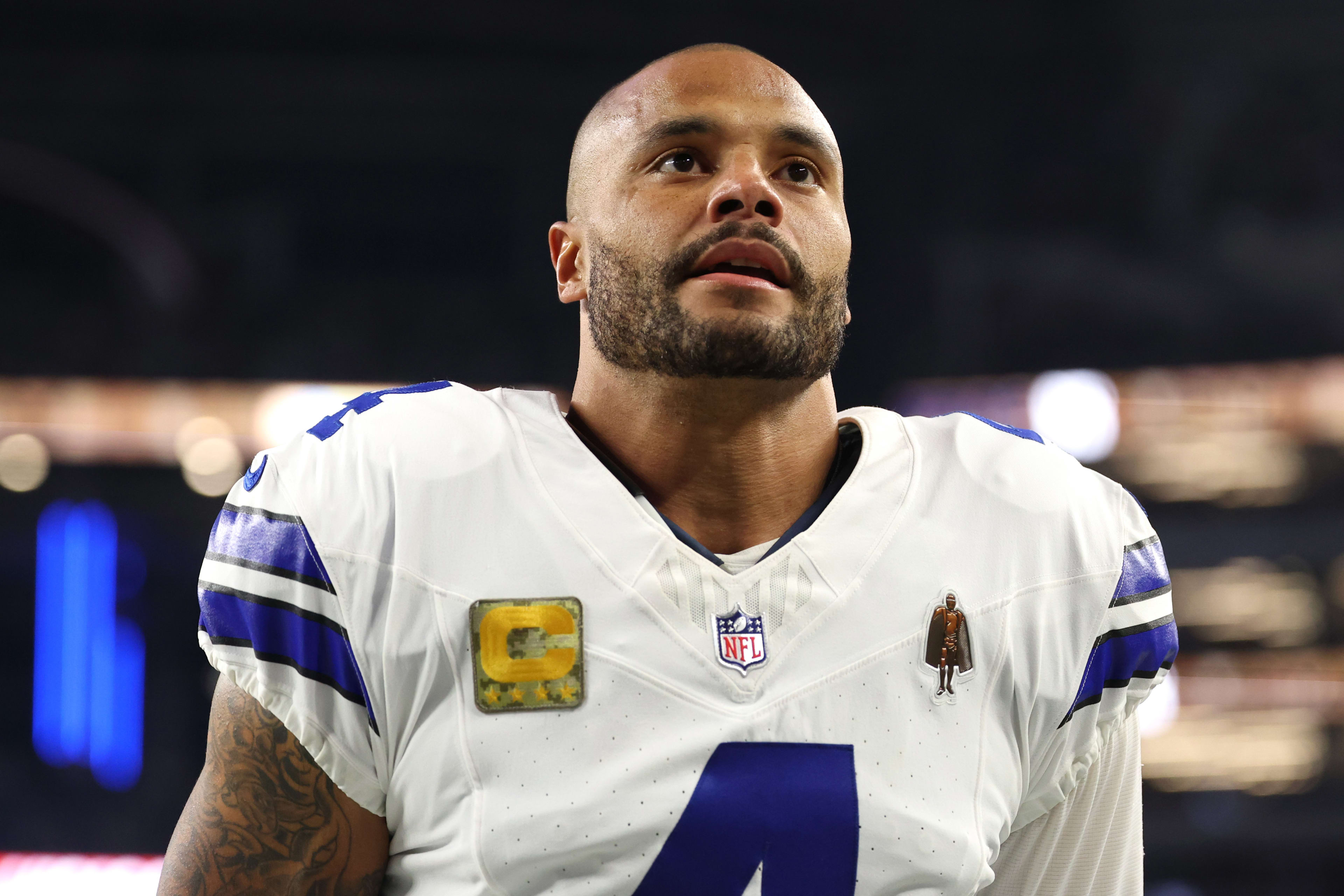
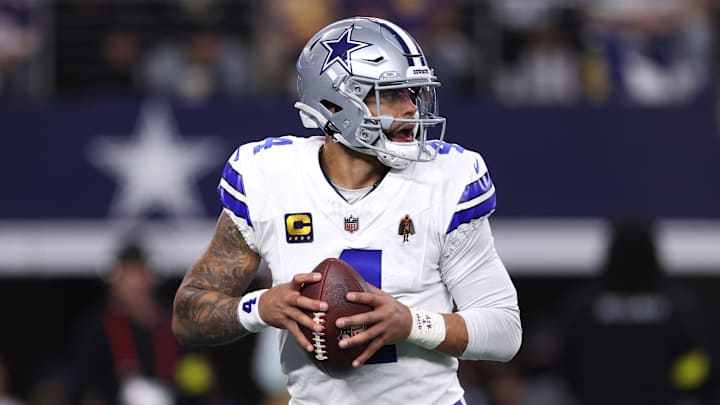
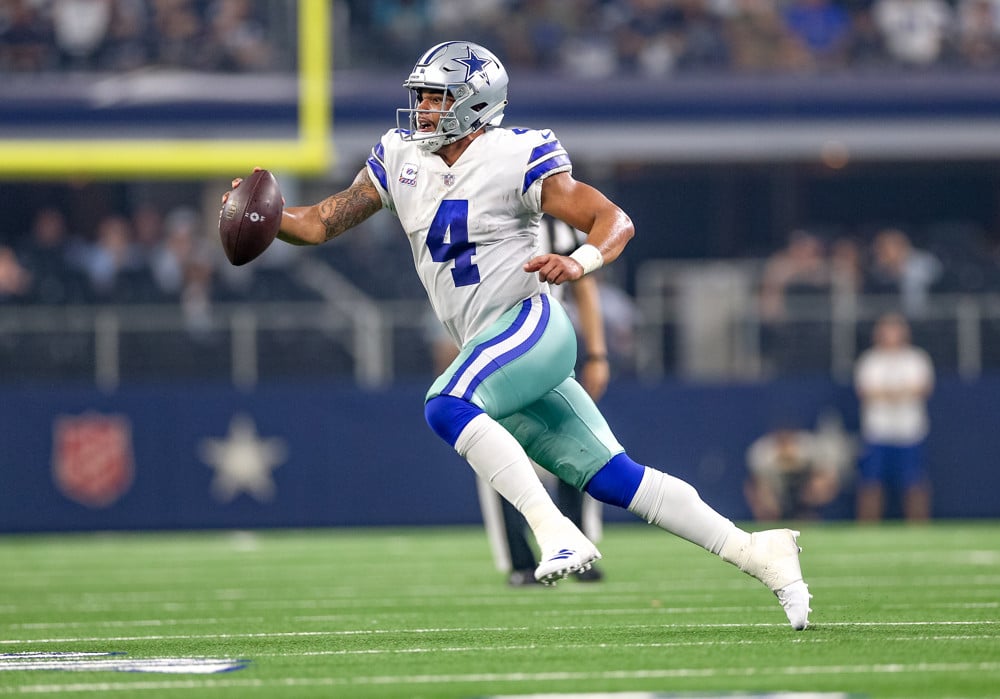
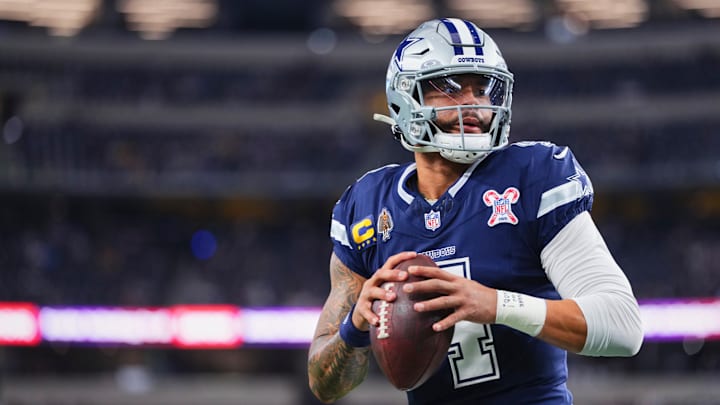
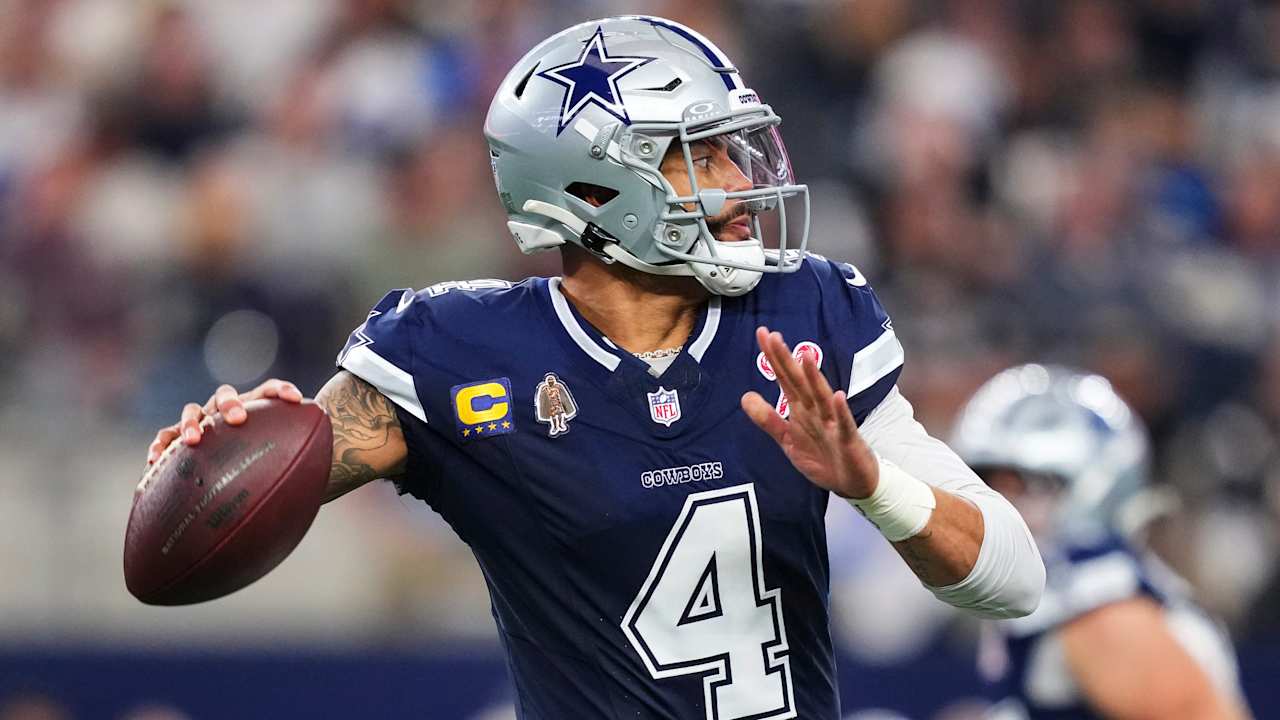
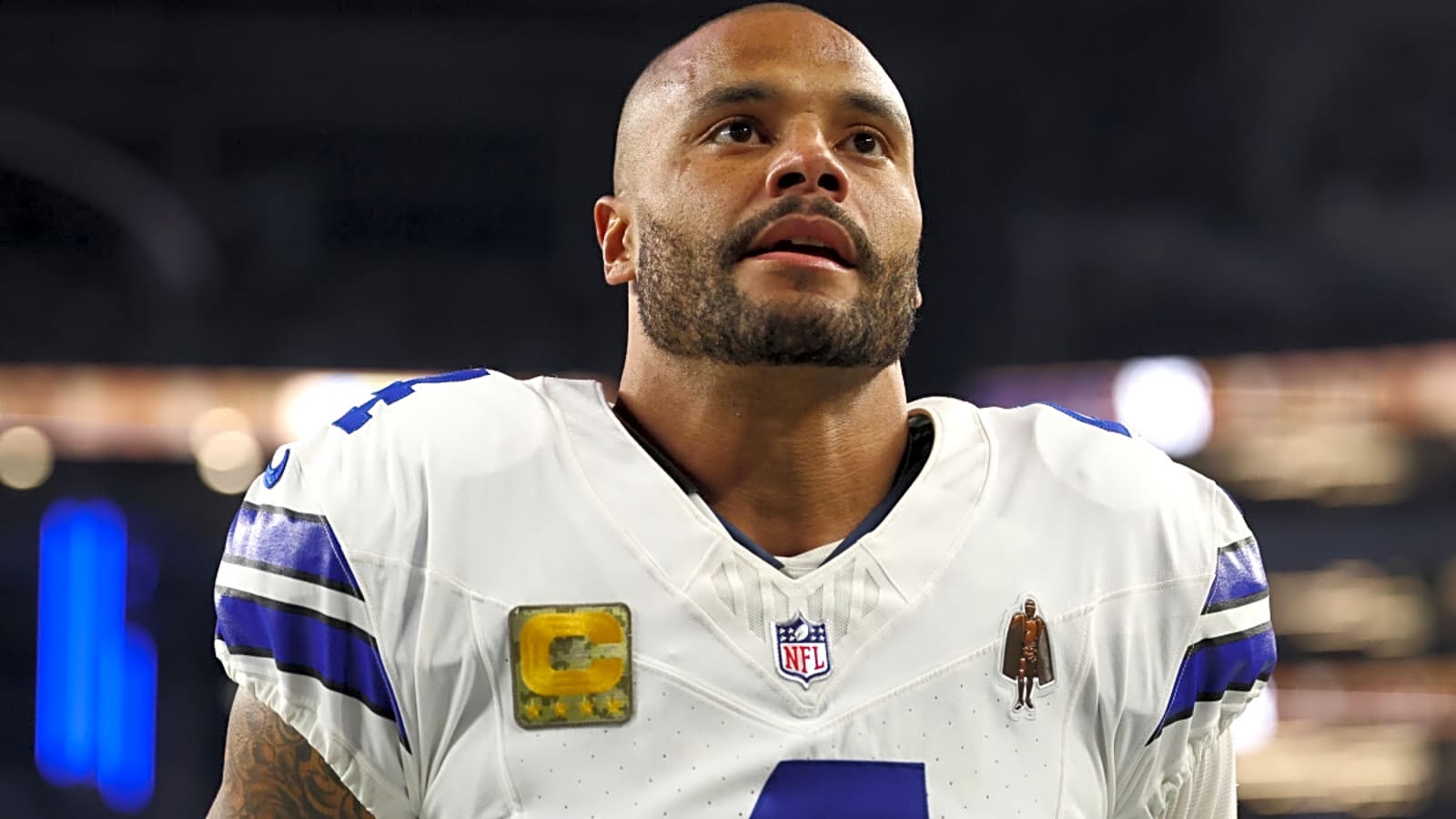
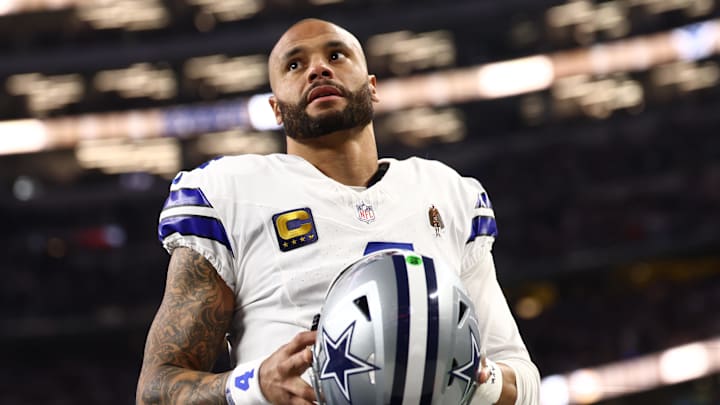
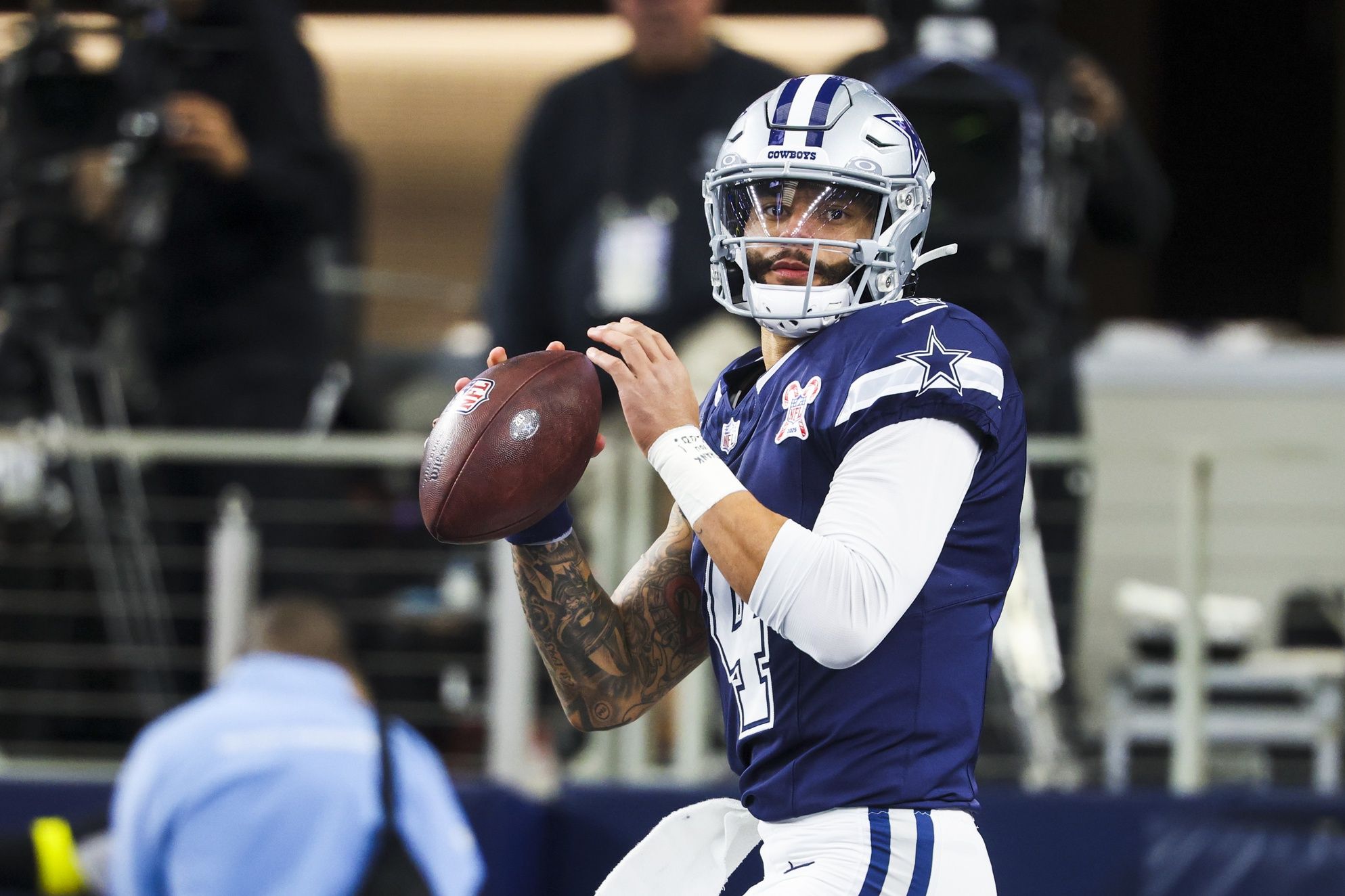
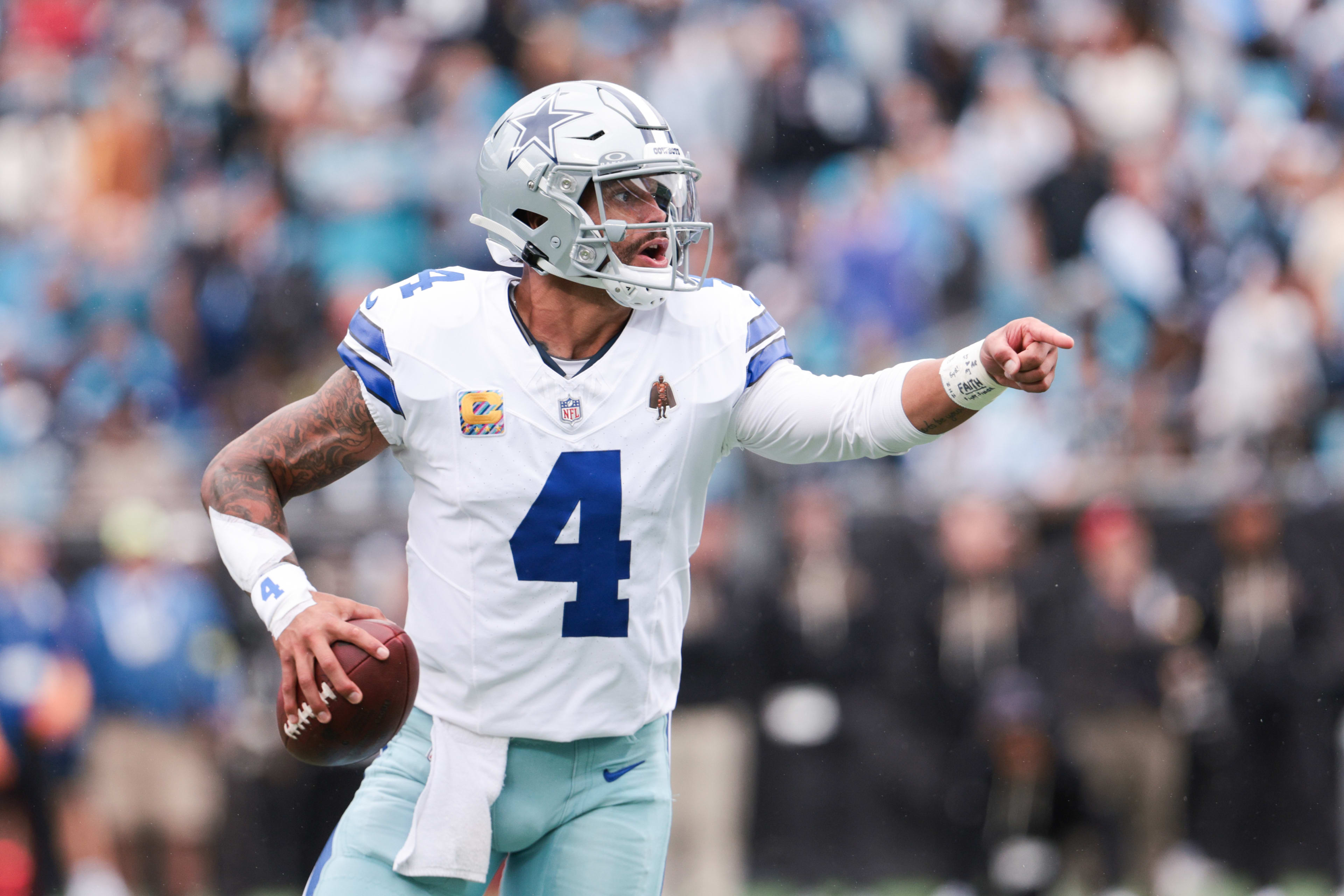
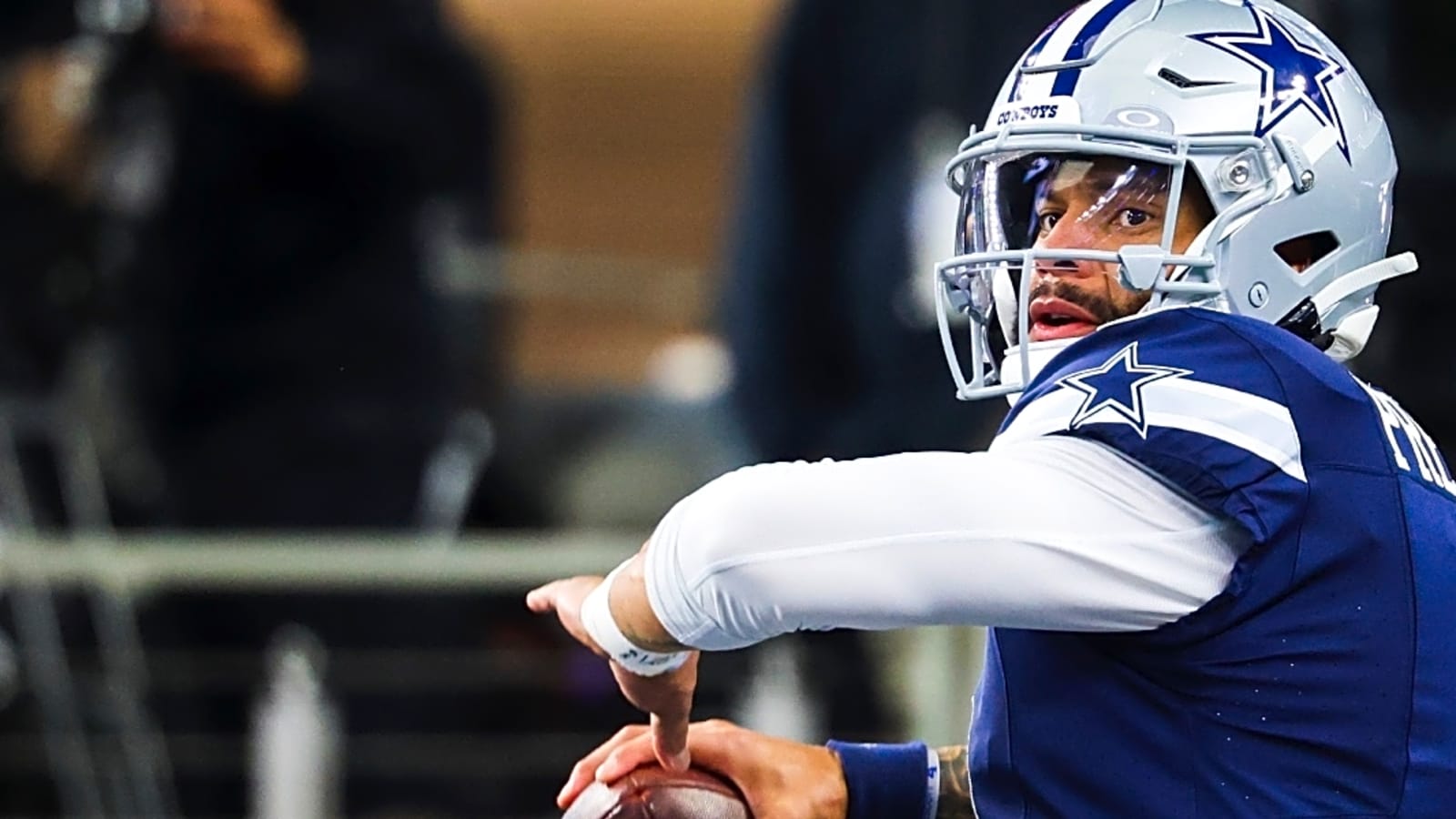
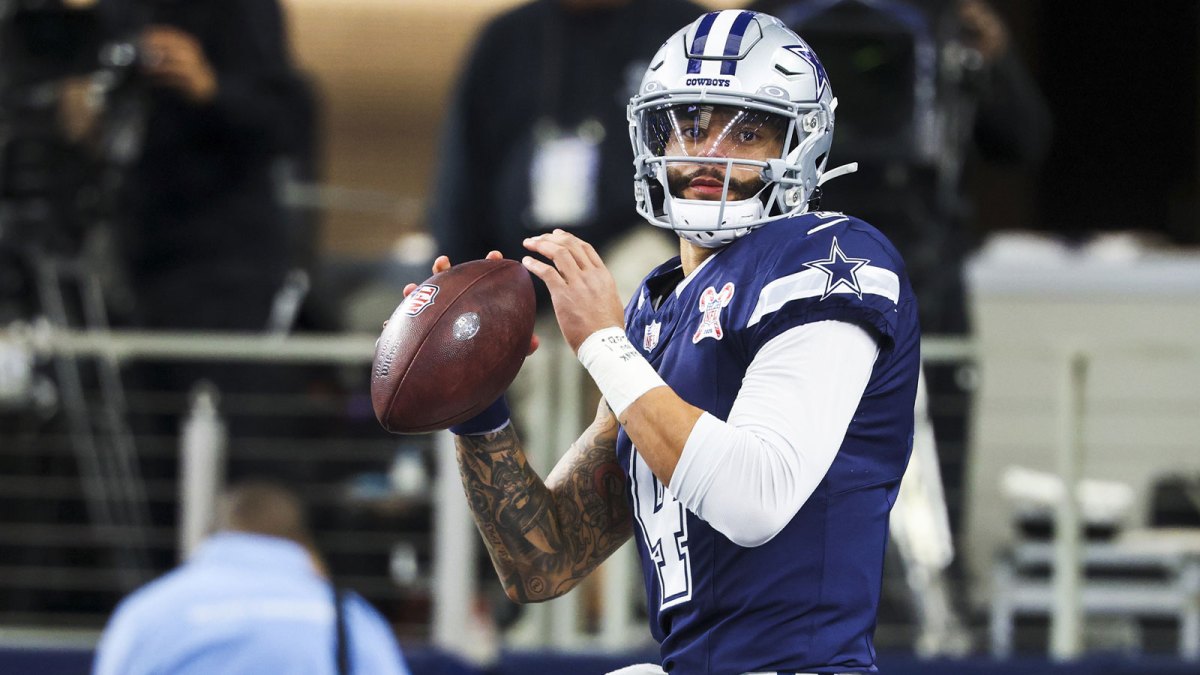
In the evolving landscape of professional sports, athlete negotiation power is undergoing a significant transformation, signaled by high-profile cases like Dak Prescott's contract discussions with the Dallas Cowboys. The emerging narrative goes beyond traditional contract negotiations, highlighting a broader shift towards players seeking more strategic input and organizational influence.
Player Agency in Organizational Strategy represents a critical emerging trend where top-tier athletes are no longer content with mere compensation packages. Prescott's desire for more say in the Cowboys' 2026 offseason decisions exemplifies a growing movement where elite performers demand a more holistic role within their organizations. This signals a fundamental reimagining of the athlete-team relationship, where professional athletes are increasingly viewed as strategic partners rather than simply contracted performers.
The implications extend far beyond individual contract discussions. By seeking greater organizational influence, athletes like Prescott are challenging traditional power structures in professional sports. This trend suggests a future where player expertise, market understanding, and strategic vision are recognized as valuable organizational assets. Teams that can successfully integrate player perspectives may gain competitive advantages in talent retention, strategic planning, and overall organizational adaptability.
Critically, this movement reflects broader workplace trends of increased professional autonomy and collaborative decision-making. Athletes are no longer passive recipients of organizational directives but active participants in shaping their professional ecosystems. For sports franchises, this means developing more sophisticated engagement models that respect player intelligence and strategic potential.
问题 3
How are athlete contract negotiations changing in professional sports?
Modern athletes like Dak Prescott are seeking more than financial compensation, demanding strategic input and organizational influence. This represents a shift from traditional transactional contracts to more collaborative, partnership-oriented relationships between players and teams.
What implications does increased player agency have for sports organizations?
Organizations must develop more sophisticated engagement models that respect player intelligence and strategic potential. Teams that successfully integrate player perspectives may gain competitive advantages in talent retention and strategic planning.