




ASEAN Diplomatic Shifts 2026 | South China Sea Code & Myanmar Market Opening Impact on Cross-Border Sellers
- Philippines accelerates South China Sea Code of Conduct negotiations; Myanmar calibrated engagement signals gradual market opening; Thailand-Cambodia ceasefire stabilizes logistics corridors affecting $3T+ ASEAN e-commerce ecosystem
















.jpg)



概览
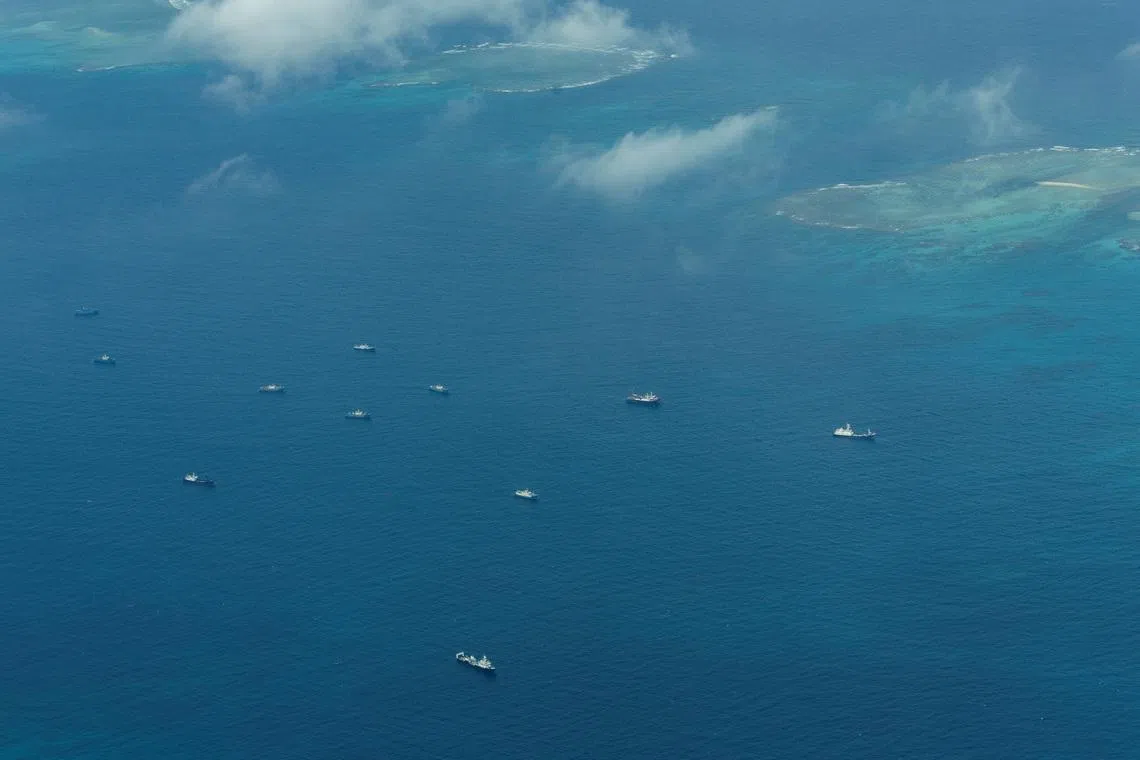
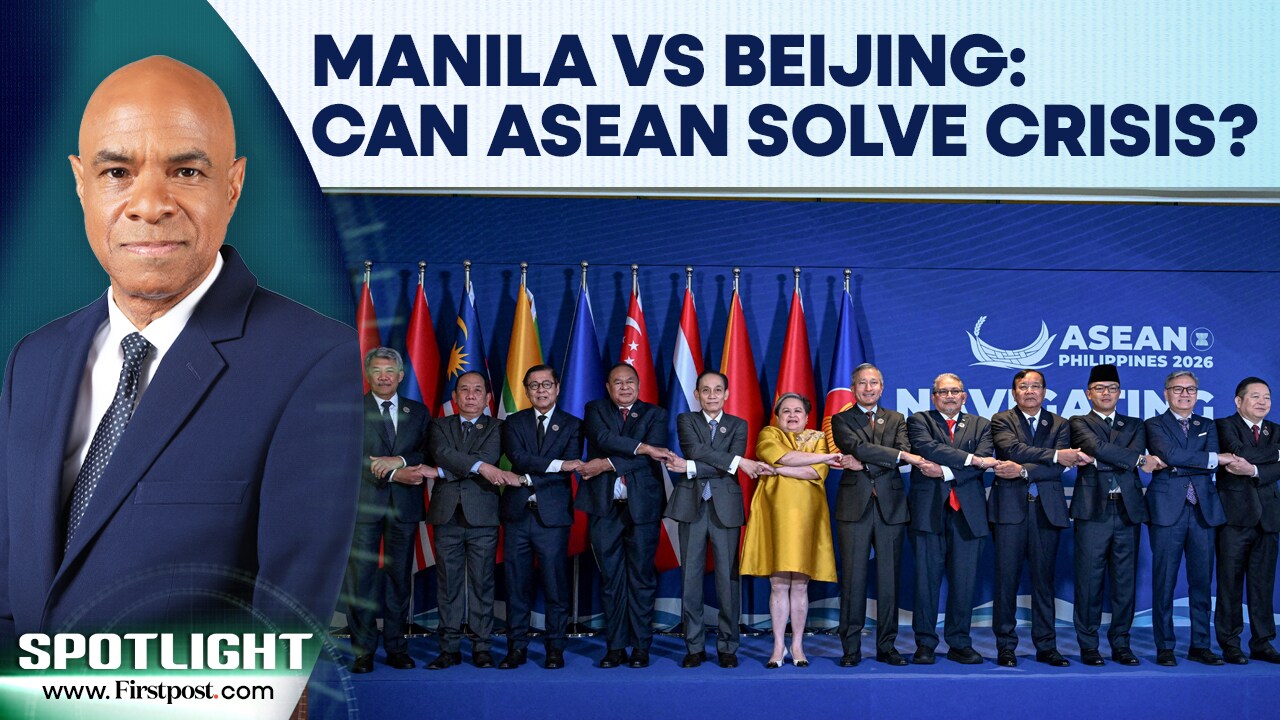
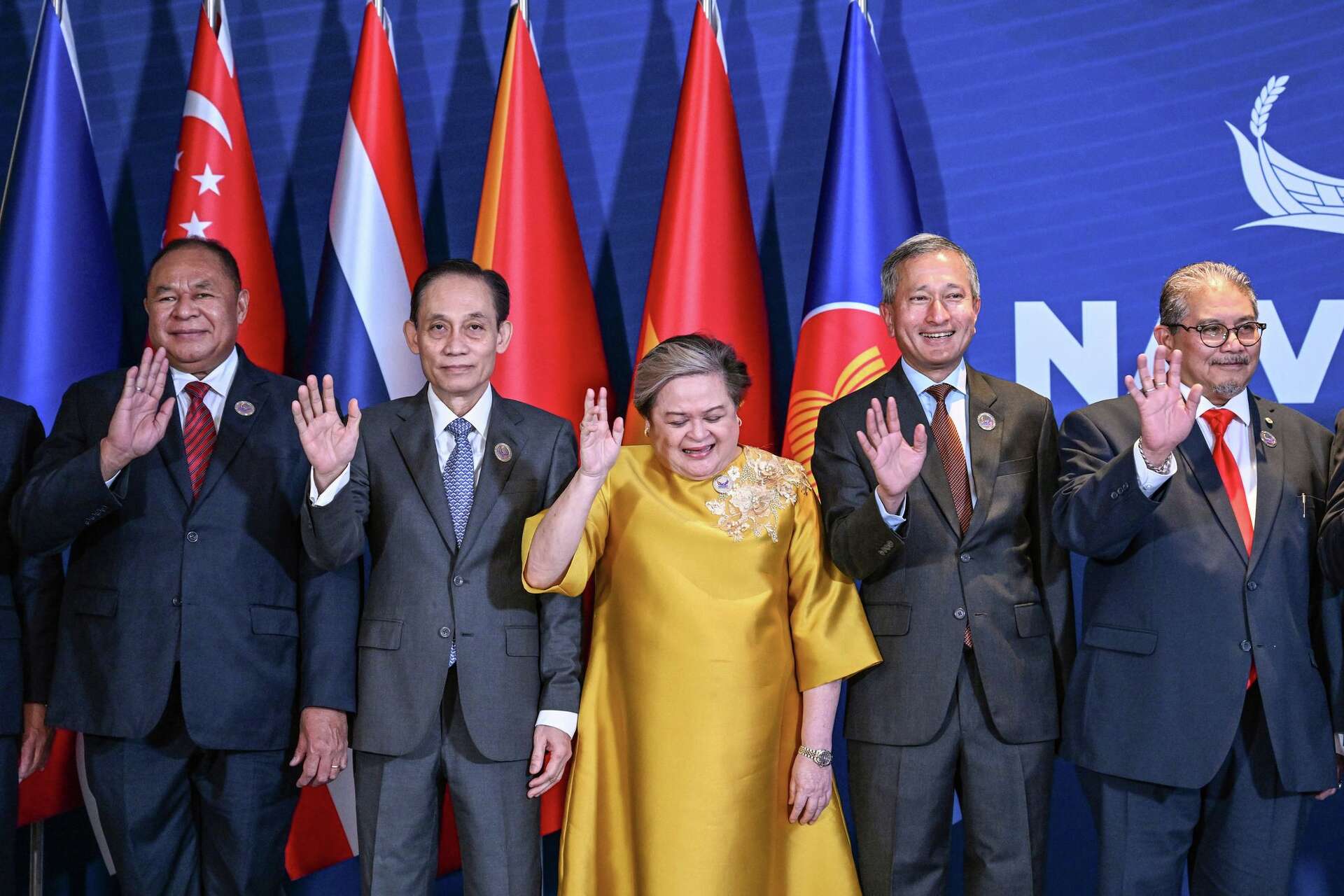
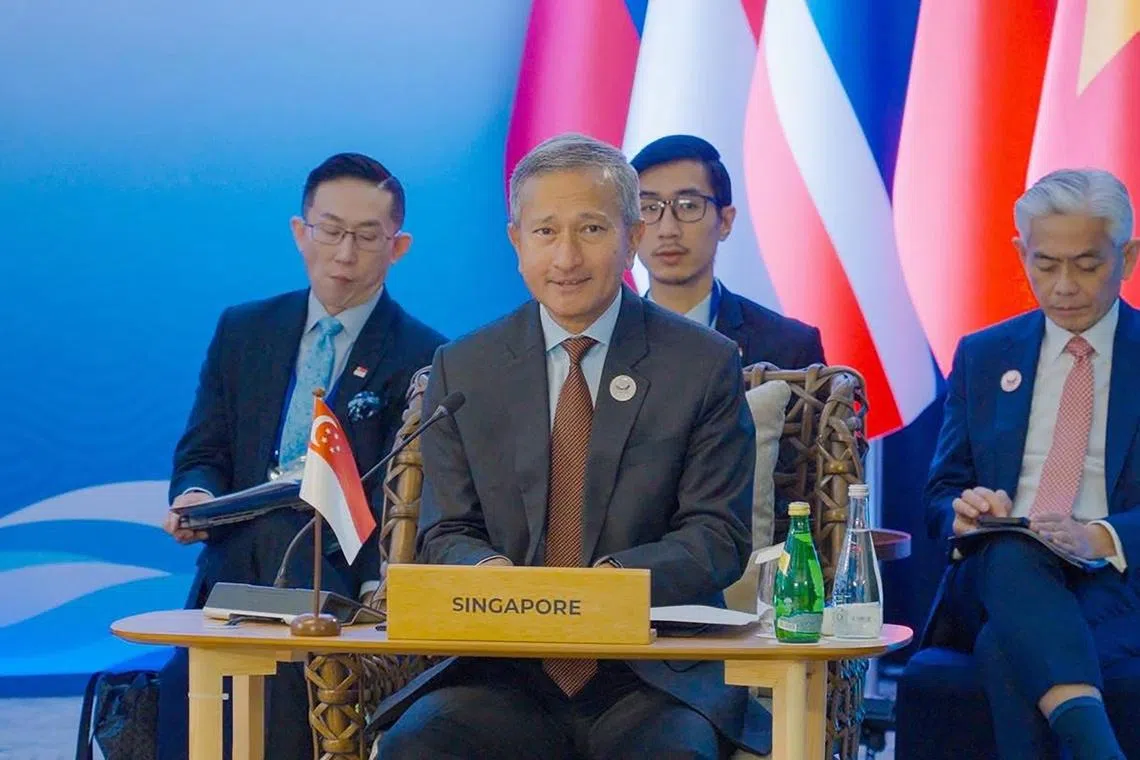
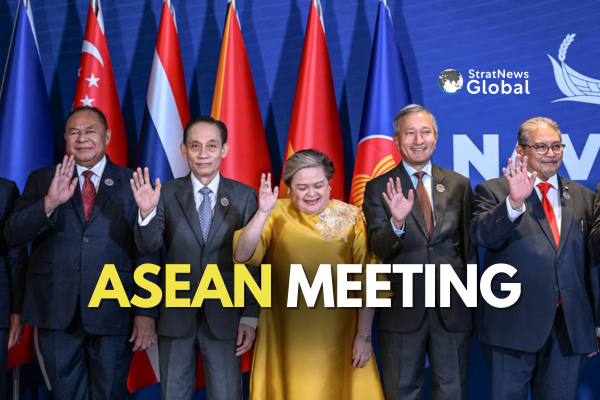
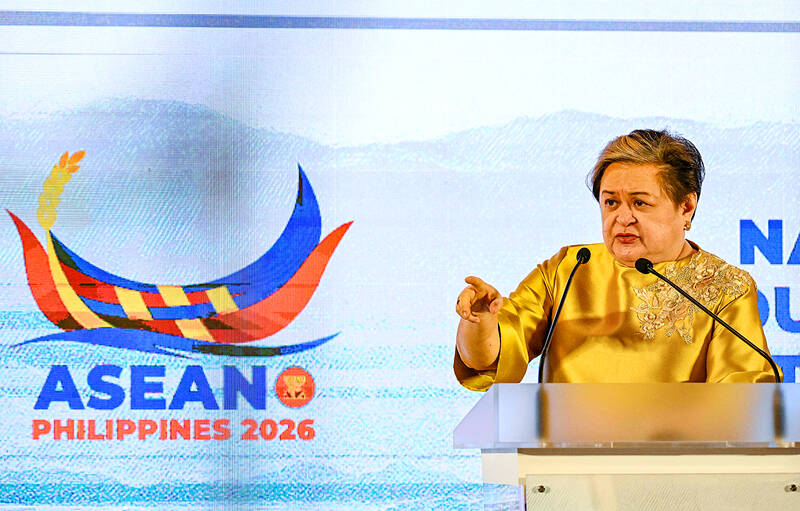
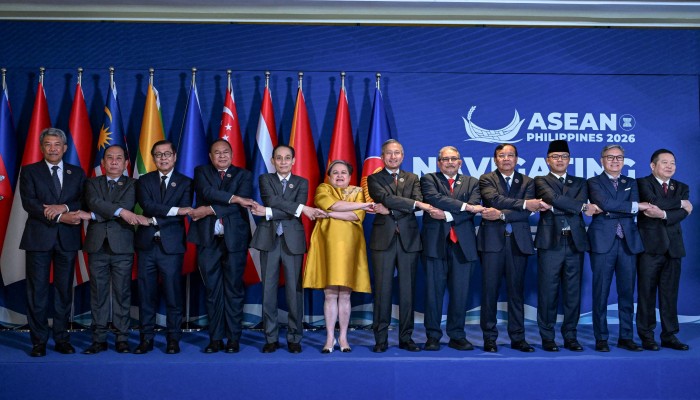
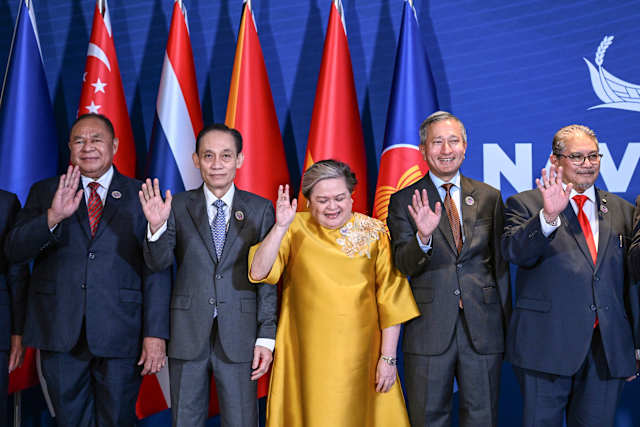
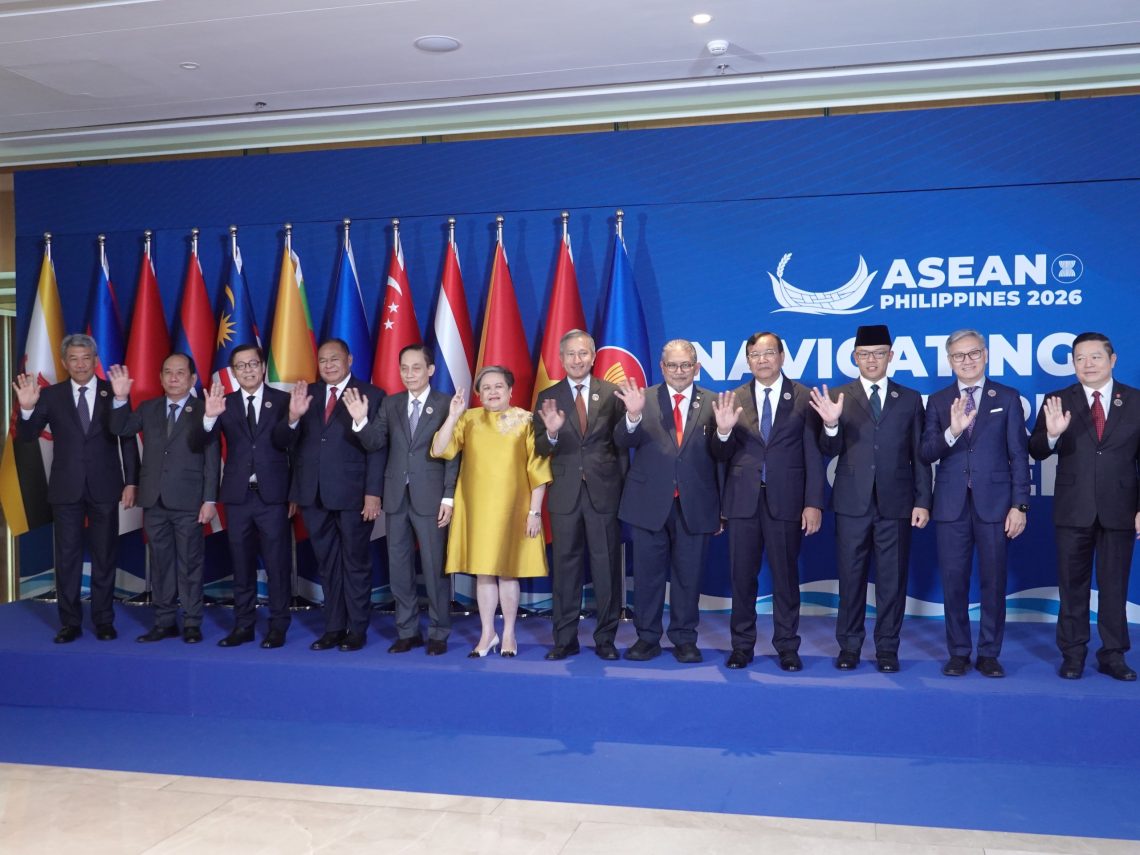
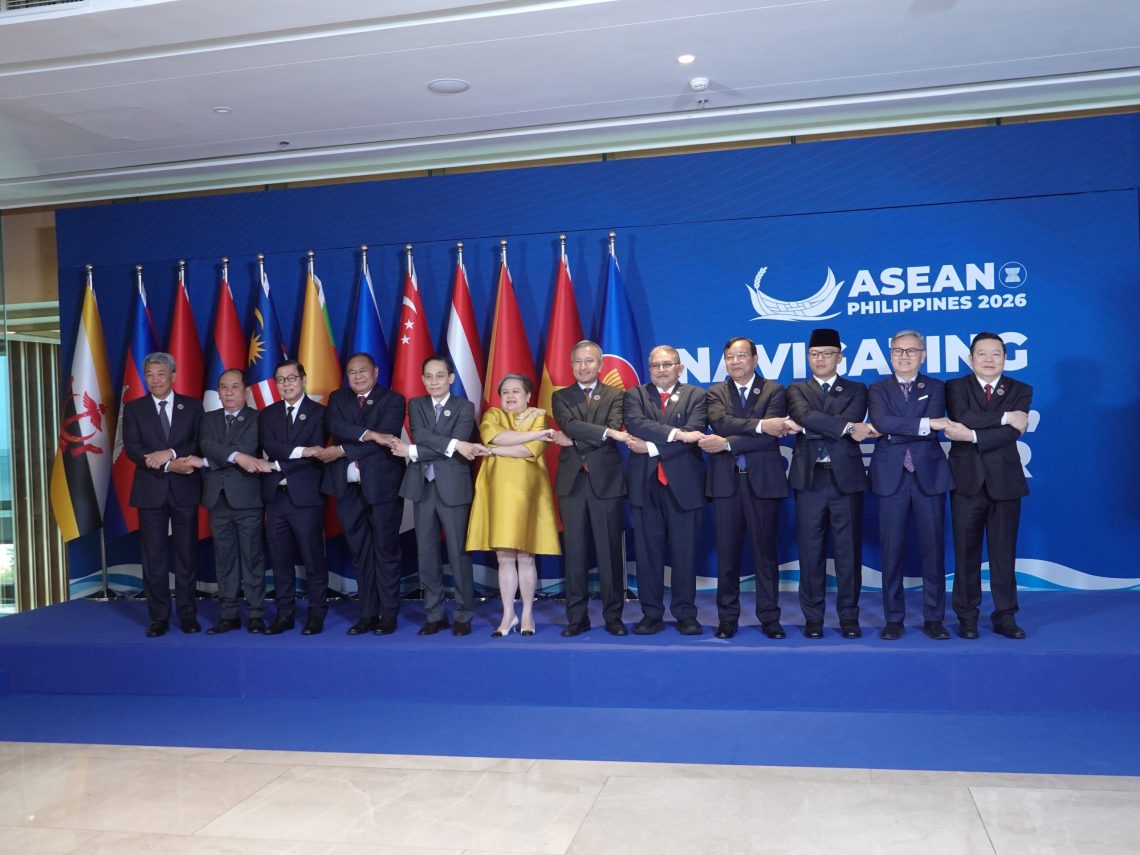
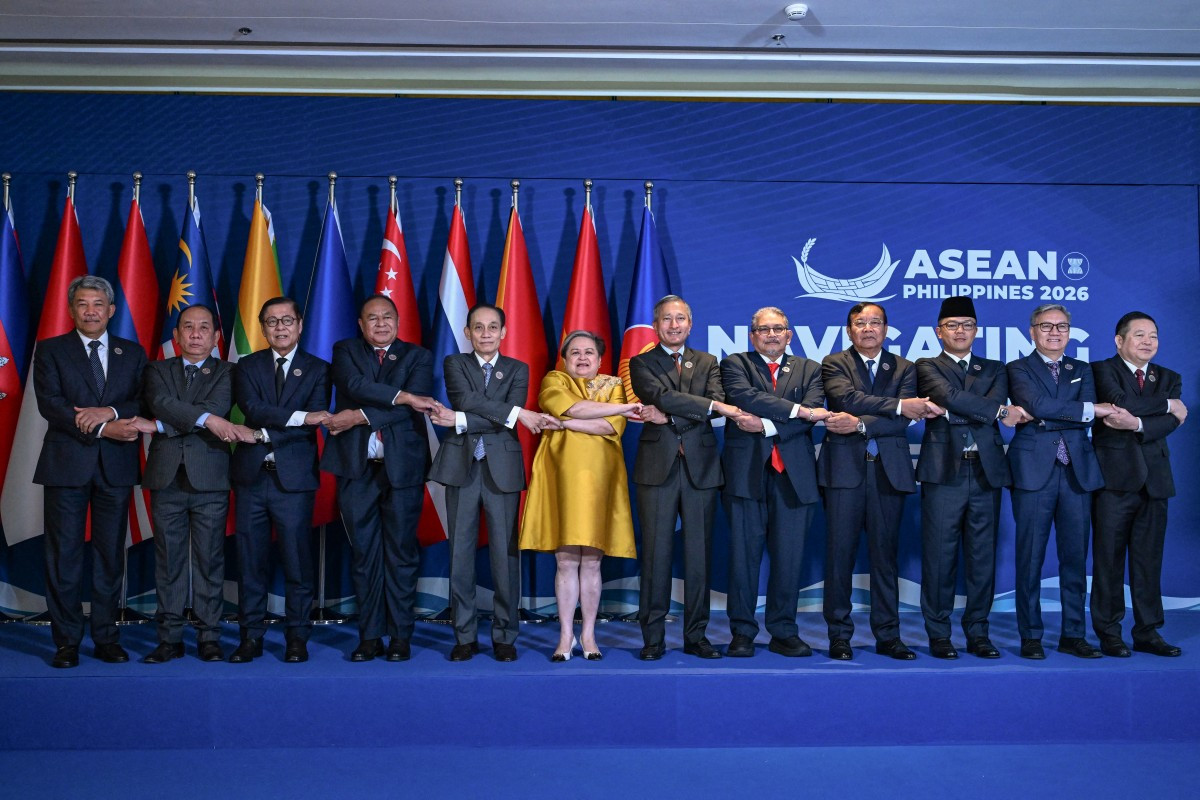
ASEAN's January 2026 diplomatic initiatives represent a critical inflection point for cross-border e-commerce sellers operating in Southeast Asia. The 11-member bloc's foreign ministers convened in the Philippines (January 28-29, 2026) to address three geopolitical challenges with direct implications for maritime shipping routes, market access, and supply chain stability. The Philippines' 2026 ASEAN chairmanship is accelerating negotiations on a legally binding South China Sea Code of Conduct—stalled for over two decades—with target completion in 2026. This code directly impacts e-commerce logistics since China's maritime claims overlap with exclusive economic zones of Brunei, Indonesia, Malaysia, the Philippines, and Vietnam, representing critical shipping corridors for regional cross-border commerce. Successful code implementation could reduce shipping route uncertainties and insurance premiums for sellers using sea freight between ASEAN nations and China.
Myanmar's political transition presents a phased market-opening opportunity. Thailand's proposed "calibrated engagement" strategy (January 29, 2026) signals potential softening of ASEAN's military junta ban, with Myanmar's new government expected to form in March 2026. While international observers remain skeptical of the military-backed elections (held December 28, 2025; January 11 and 25, 2026), the engagement framework suggests gradual normalization rather than immediate full integration. For sellers, this creates a time-sensitive window: reduced international isolation may facilitate logistics corridors, payment system integration, and regulatory clarity for Myanmar operations. However, continued civil conflict and humanitarian concerns create operational risks requiring close compliance monitoring. The "calibrated engagement" approach indicates a 6-12 month transition period before full market access becomes viable.
Thailand-Cambodia border stabilization reduces logistics disruption costs. Following renewed fighting in 2025 (clashes, airstrikes, landmine incidents), Malaysia negotiated a ceasefire now monitored by the Philippines' ASEAN Observer Team. While fragile, this ceasefire stabilizes critical cross-border logistics corridors between Thailand and Cambodia. Regional instability had driven maritime shipping insurance premiums higher and delayed infrastructure development—costs that directly compress seller margins on sea freight fulfillment. The ceasefire's holding status suggests these costs may stabilize or decline through 2026.
For sellers, the immediate impact manifests in three areas: (1) Shipping cost volatility: South China Sea Code negotiations reduce route uncertainty; maritime insurance premiums may decline 5-8% if code is finalized; (2) Myanmar market timing: Sellers should monitor March 2026 government formation and subsequent regulatory announcements; early movers in payment integration and logistics partnerships could capture first-mover advantage in a 55M-person market; (3) Thailand-Cambodia corridor stability: Reduced conflict risk lowers fulfillment costs for sellers using Bangkok-Phnom Penh logistics routes. ASEAN's combined GDP exceeds $3 trillion with growing digital commerce adoption—regional stability directly correlates with e-commerce growth rates and seller profitability.
问题 7
When will Myanmar become a viable market for cross-border sellers?
Myanmar's new military-backed government is expected to form in March 2026, following elections held December 28, 2025, and January 11 and 25, 2026. Thailand's proposed 'calibrated engagement' strategy signals gradual re-engagement rather than immediate full ASEAN readmission, suggesting a 6-12 month transition period before full market access becomes viable. Sellers should monitor March 2026 government formation and subsequent regulatory announcements regarding payment system integration, customs procedures, and logistics corridor establishment. Early movers in logistics partnerships and payment integration could capture first-mover advantage in Myanmar's 55M-person market, but operational risks remain due to ongoing civil conflict in resistance-held areas.
How does the South China Sea Code of Conduct affect shipping costs for cross-border sellers?
A legally binding South China Sea Code of Conduct—targeted for 2026 completion under Philippine leadership—could reduce maritime shipping route uncertainties and lower insurance premiums by 5-8% for sellers using sea freight between ASEAN nations and China. Currently, overlapping maritime claims by China, Philippines, Vietnam, Indonesia, Malaysia, and Brunei create shipping route unpredictability and higher insurance costs. The code's implementation would establish clear maritime governance based on UN Convention on the Law of the Sea, enabling sellers to lock in more stable shipping rates and reduce fulfillment cost volatility. Sellers shipping electronics, textiles, and consumer goods via Bangkok-Singapore-Hong Kong corridors would see the most immediate cost relief.