



West African Supply Chain Disruption Risk | Airport Security Incidents Impact Cross-Border Logistics
- Military conflict near Niger's international airport creates logistics bottlenecks; uranium shipment delays signal broader supply chain vulnerabilities affecting regional trade corridors and 3PL operations











概览
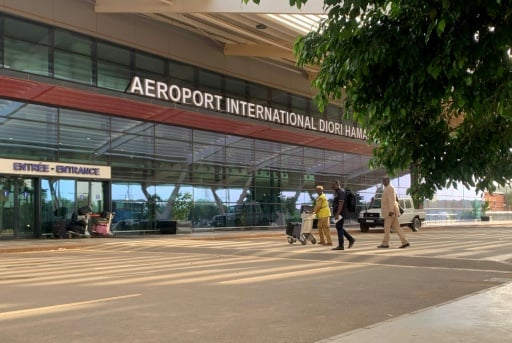
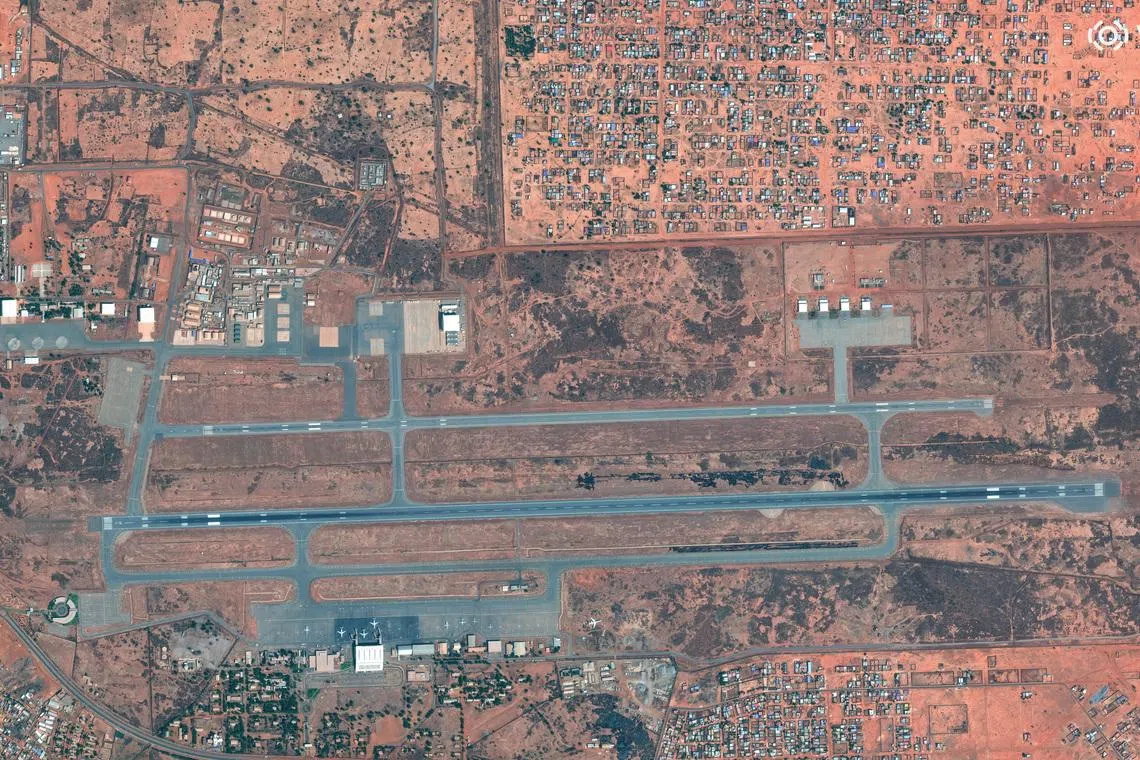
The January 29, 2026 attack on Niamey's international airport military base represents a critical inflection point for cross-border sellers operating in or through West African logistics networks. While Niger itself represents a negligible direct e-commerce market, the country functions as a strategic transit hub for regional trade and hosts critical commodity exports—most notably uranium shipments that have been stuck at the airport for weeks. General Abdourahamane Tiani's military government, which seized power in July 2023, has increasingly aligned with Russia and the Alliance of Sahel States (AES), creating geopolitical friction with France, Benin, and Ivory Coast that directly impacts trade corridor stability.
Supply Chain Vulnerability Assessment: The incident reveals three operational risks for sellers. First, airport security incidents create unpredictable delays for air freight operations—critical for time-sensitive categories like electronics, perishables, and fashion. The 30-minute attack and subsequent security lockdowns exemplify how regional instability translates into logistics delays that compress seller margins. Second, the stuck uranium shipment (departed November, still grounded weeks later) demonstrates how geopolitical tensions can paralyze export infrastructure for weeks, affecting downstream supply chains. Third, Niger's expulsion of French and US forces and pivot toward Russian military partnerships signals potential future restrictions on Western logistics operators and customs procedures, creating compliance uncertainty for sellers using regional 3PL providers.
Regional Trade Corridor Impact: The broader Sahel region—encompassing Mali, Burkina Faso, and Niger through the AES alliance—faces approximately 2,000 documented deaths from jihadist violence in 2025 alone, with millions displaced. This instability directly affects logistics security, customs processing speeds, and insurance premiums for shipments transiting the region. Sellers shipping to or through West Africa face elevated risks: increased security surcharges (typically 5-15% premium), extended customs clearance times (3-7 days vs. 1-2 days in stable regions), and potential cargo loss from regional insurgencies. The military junta's control of airport operations introduces additional uncertainty around customs procedures and documentation requirements, which may shift without notice.
Competitive Implications: Sellers currently using West African supply chains or targeting regional markets should evaluate alternative logistics routes. The incident demonstrates that Niamey airport—a key regional hub—cannot guarantee consistent operations. Competitors may already be shifting inventory to East African ports (Dar es Salaam, Mombasa) or routing through North African gateways (Casablanca, Algiers), creating competitive pressure on sellers dependent on traditional Sahel corridors. The 5,000-strong AES joint military force and ongoing jihadist insurgencies suggest this instability will persist through 2026, making short-term route diversification essential for risk mitigation.
问题 7
What supply chain risks does the stuck uranium shipment signal for sellers?
The uranium shipment that departed Niger in November and remains grounded weeks later demonstrates how geopolitical tensions can paralyze export infrastructure indefinitely. This signals that even critical commodity exports face unpredictable delays when airport operations are compromised by military conflict. For sellers, this indicates that any cargo routed through Niamey airport faces similar risk of extended delays—potentially weeks rather than days. The incident suggests that customs procedures may be disrupted by military operations, and airport capacity may be diverted to military priorities. Sellers should diversify routing through alternative West African ports (Dakar, Abidjan, Lagos) and avoid concentrating inventory in Niger-dependent supply chains.
How does Niger airport instability affect cross-border sellers shipping to West Africa?
The January 29, 2026 attack on Niamey airport creates immediate operational risks for sellers using West African logistics networks. Airport security incidents trigger extended lockdowns and customs delays—typically adding 3-7 days to processing times compared to 1-2 days in stable regions. Sellers shipping electronics, perishables, or time-sensitive goods face margin compression from extended transit times and potential cargo spoilage. Additionally, freight insurance premiums for West African routes typically increase 5-15% during periods of regional instability, directly raising fulfillment costs. Sellers should immediately audit their 3PL provider agreements to understand force majeure clauses and alternative routing options.