
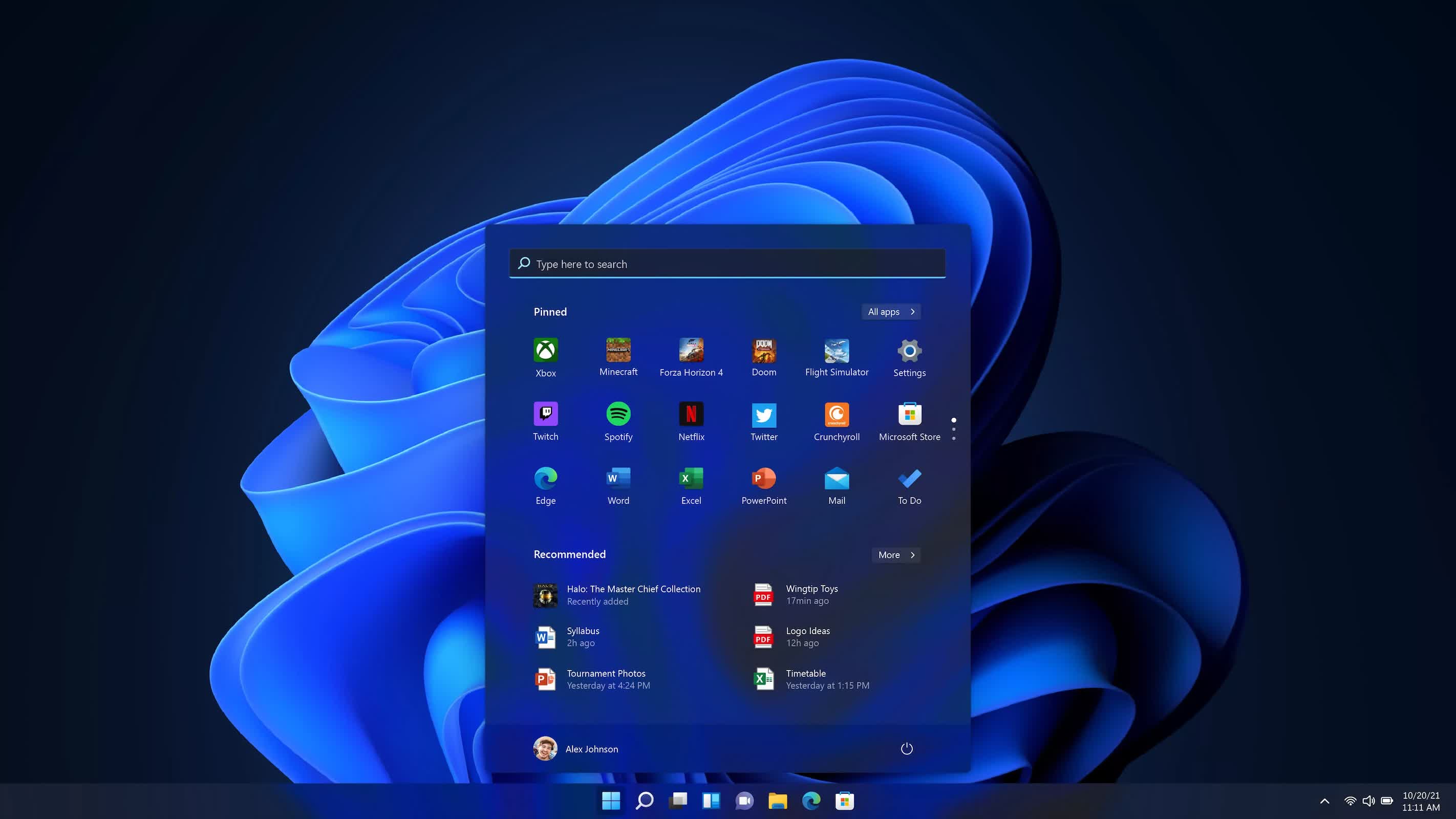


Windows 11 1 Billion Users | Critical Infrastructure Shift for E-Commerce Sellers
- 1.576 billion devices upgraded in 130 days faster than Windows 10; 45% YoY adoption surge creates software compatibility and licensing cost pressures for 500M+ enterprise sellers globally







概览
Windows 11 has reached 1 billion users in 1,576 days—130 days faster than Windows 10's 1,706-day timeline—representing a 45% year-over-year adoption surge driven by October 2025 end-of-support deadlines and aggressive Microsoft ecosystem integration. This milestone signals a fundamental shift in global computing infrastructure that directly impacts cross-border e-commerce sellers managing business operations, inventory systems, and customer-facing tools.
The accelerated adoption creates immediate operational implications for seller infrastructure. Approximately 50-55% of Windows PCs globally now run Windows 11, while 500 million Windows 10 devices remain ineligible for upgrade due to strict hardware requirements (TPM 2.0, processor compatibility). This creates a bifurcated market where sellers must maintain compatibility across two OS versions simultaneously. Sellers relying on Windows-based point-of-sale systems, inventory management software (QuickBooks, Shopify desktop apps, Amazon Seller Central tools), and business applications face potential software licensing cost increases of 8-15% annually as vendors prioritize Windows 11 optimization and discontinue Windows 10 support. Microsoft's aggressive push toward cloud-based services (Microsoft 365, OneDrive, Copilot AI integration) signals a shift toward subscription-based licensing models, potentially increasing operational costs for small-to-medium sellers by $50-200 monthly depending on tool stack complexity.
The hardware replacement cycle creates both market friction and opportunity for sellers in the PC/electronics category. Dell's Chief Operating Officer reported 1 billion active Windows 10 PCs remain in use, with 500 million requiring complete hardware replacement to achieve Windows 11 compatibility. This represents a $200-400 billion global PC replacement market opportunity, with peak demand concentrated in Q1-Q2 2026 as enterprises complete budgeted migrations ahead of Windows 10 extended support costs. Sellers in the refurbished electronics, PC components, and business hardware categories should anticipate 25-40% increased demand for compatible devices, while sellers of legacy software face margin compression as customers delay purchases pending Windows 11 certification. The October 2025 Windows 10 end-of-support deadline already triggered forced enterprise migrations, suggesting the upgrade surge was largely anticipated rather than organic demand-driven, indicating market saturation risk by Q3 2026.
Strategic implications extend to software vendor partnerships and cross-platform strategy. Microsoft's successful rapid adoption—despite widespread user complaints about interface changes and mandatory sign-in requirements—demonstrates the company's ability to drive platform transitions through support deadline enforcement rather than feature innovation. This precedent suggests future Microsoft ecosystem changes will similarly force seller tool migrations. Sellers should audit their entire Windows-dependent tool stack (accounting software, inventory management, POS systems, fulfillment integrations) for Windows 11 compatibility status and plan 6-12 month migration timelines. The lack of detailed adoption metrics from Microsoft (daily active users vs. installed base vs. new hardware sales breakdown) creates uncertainty around actual user engagement levels, suggesting some reported adoption may reflect forced upgrades rather than active usage, warranting cautious investment in Windows 11-exclusive tools.
问题 7
What does Windows 11 reaching 1 billion users mean for my e-commerce business tools?
Windows 11's 1.576-billion-user milestone (130 days faster than Windows 10) signals accelerating vendor migration away from Windows 10 support. Your inventory management, POS, and accounting software will increasingly require Windows 11 compatibility, potentially forcing tool upgrades costing $50-200 monthly per application. Statcounter data shows 50-55% of Windows PCs globally now run Windows 11, meaning your customer base and supplier partners are rapidly migrating. Audit your entire Windows-dependent tool stack immediately—accounting software (QuickBooks), inventory systems, fulfillment integrations, and payment processors—for Windows 11 certification status. Delay creates risk of tool incompatibility by Q3 2026 when vendor support for Windows 10 drops significantly.
How will Windows 11 adoption affect my software licensing costs?
Microsoft's shift toward cloud-based services (Microsoft 365, OneDrive, Copilot AI) integrated into Windows 11 signals a transition from perpetual licensing to subscription models. Sellers should expect 8-15% annual cost increases for business software as vendors optimize exclusively for Windows 11 and discontinue Windows 10 support. Microsoft 365 Business Standard costs $12.50-22 per user monthly depending on plan tier, and vendors increasingly bundle Windows 11 optimization with subscription upgrades. The 45% YoY Windows 11 adoption surge suggests vendors will accelerate Windows 10 discontinuation timelines, compressing your migration window. Audit current licensing agreements for Windows 11 compatibility clauses and negotiate multi-year pricing locks before Q2 2026 when vendor pricing typically increases post-migration surge.