



Myanmar Political Crisis Disrupts ASEAN Trade Integration | Sellers Face Market Access Delays
- ASEAN non-recognition freezes Myanmar market access for 3.6M displaced consumers; tariff harmonization delayed indefinitely; sellers must redirect Southeast Asia sourcing strategies














概览
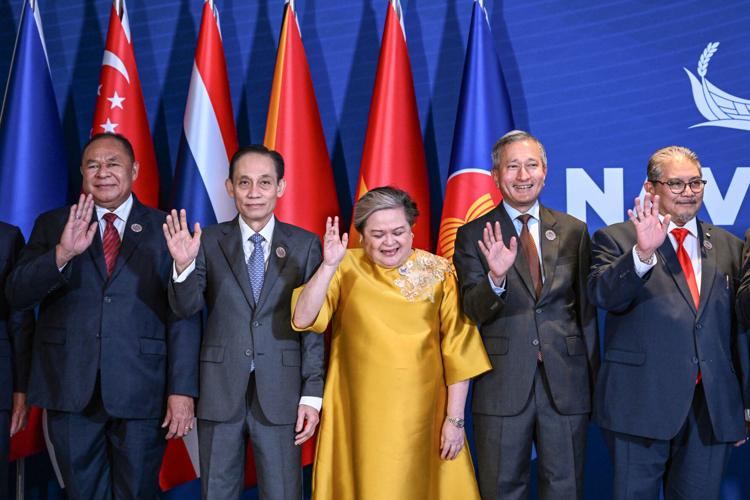
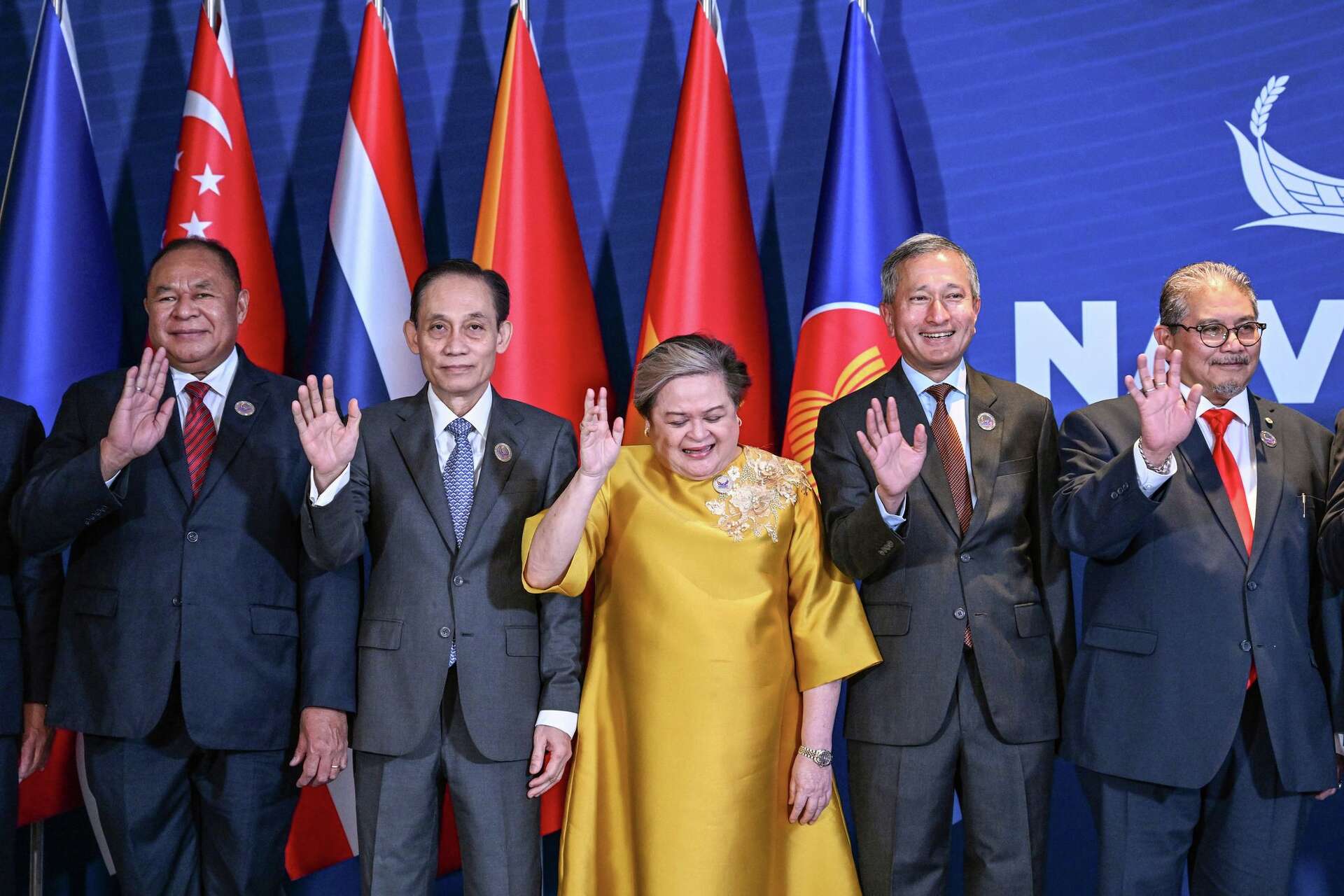
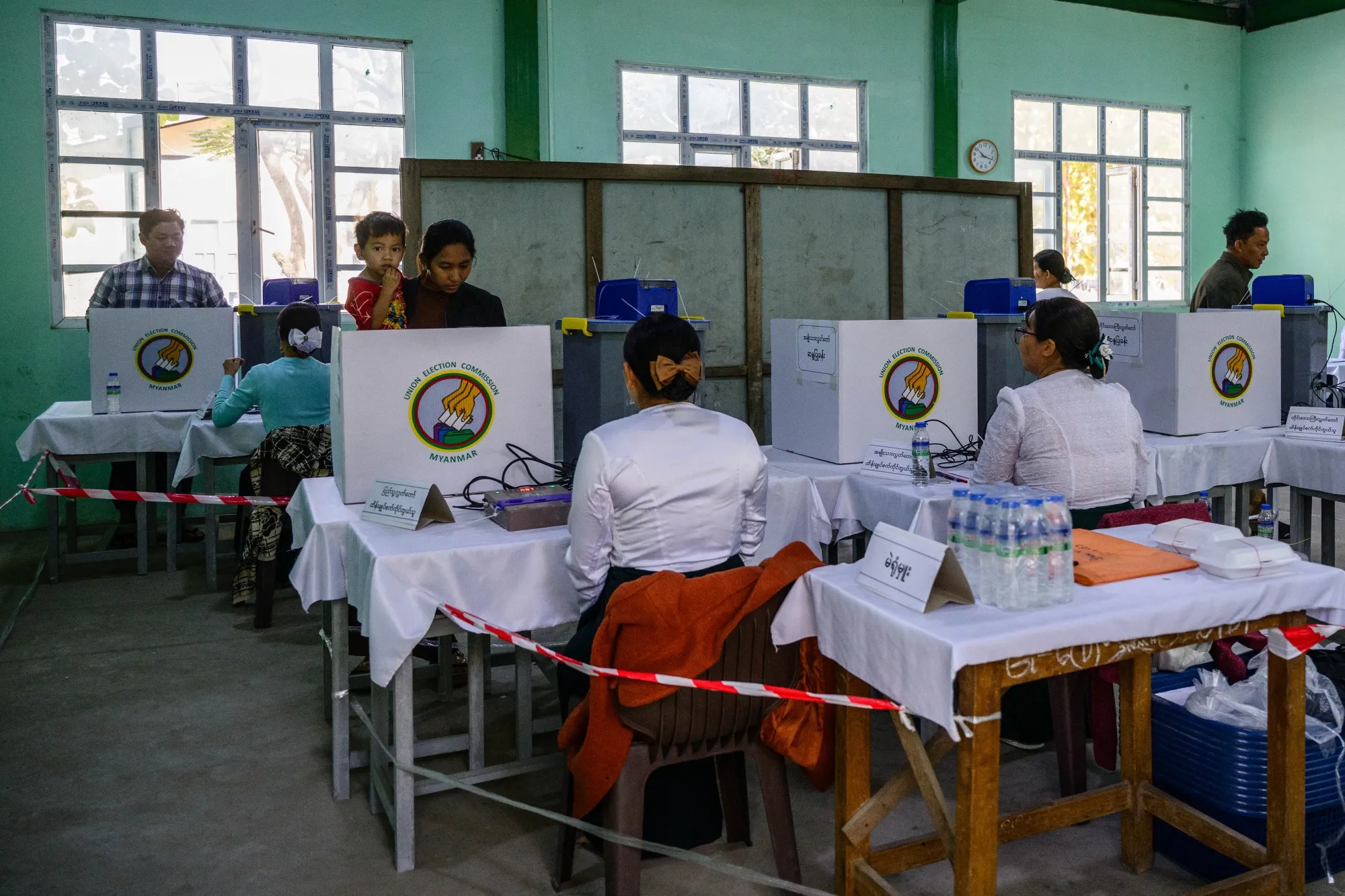
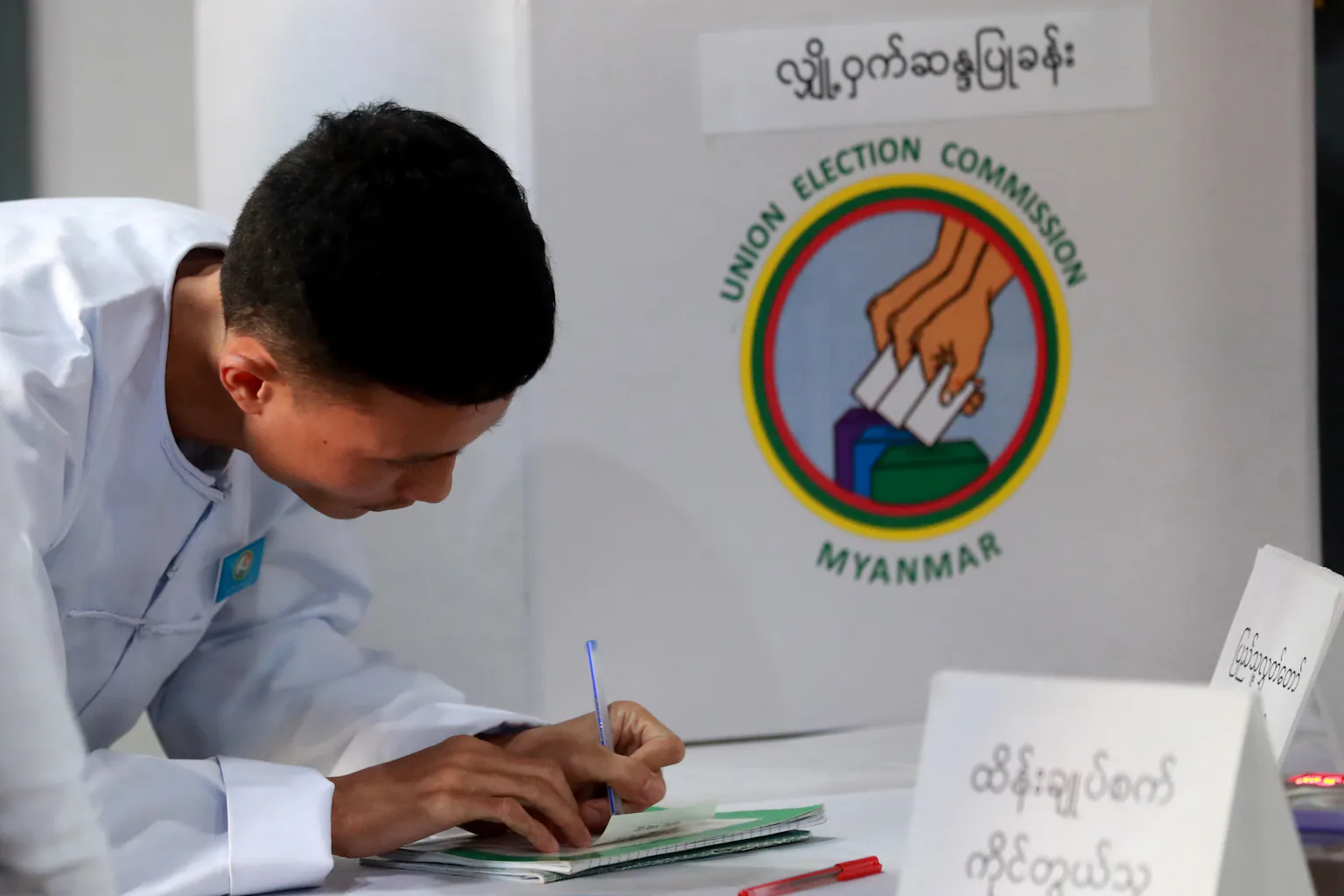
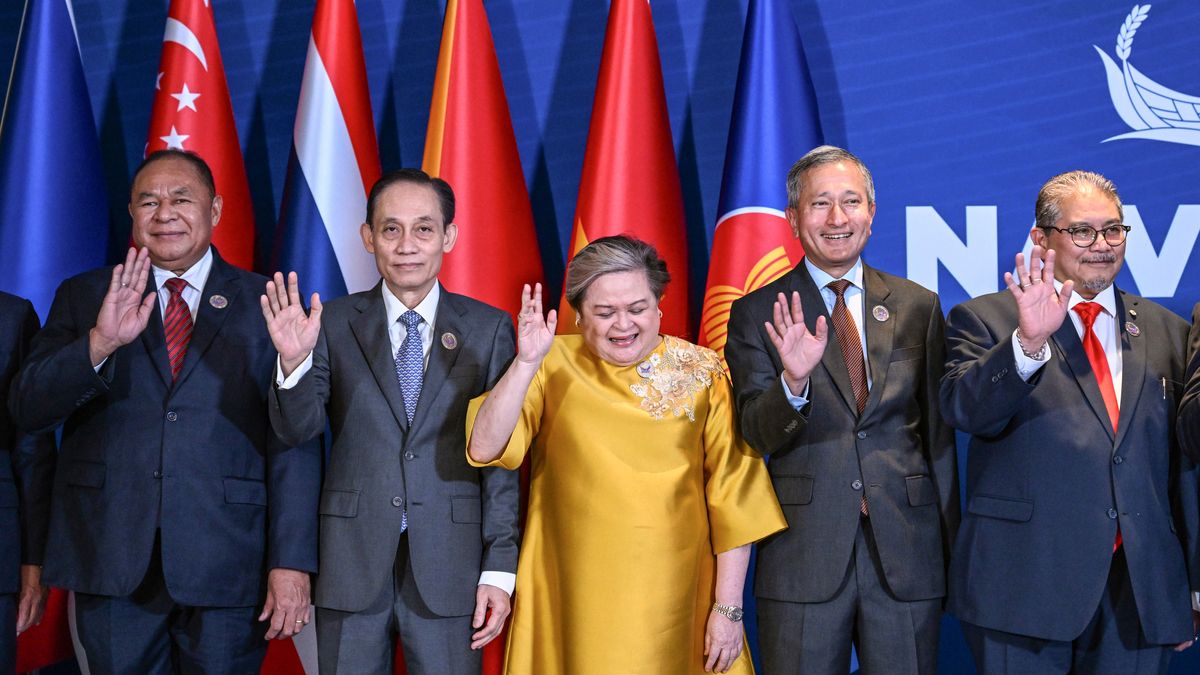
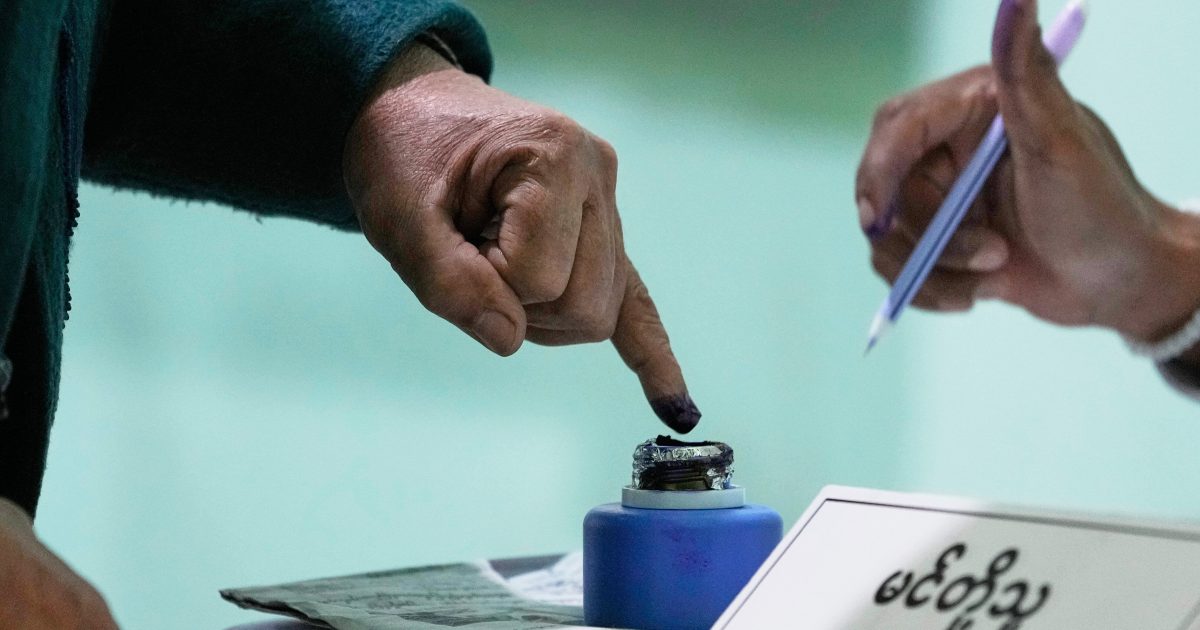
Myanmar's military-backed election victory and ASEAN's subsequent non-recognition creates a critical trade policy disruption affecting cross-border sellers across Southeast Asia. The Union Solidarity and Development Party (USDP) won 232 of 263 lower house seats in the January 2025 election, but ASEAN's refusal to recognize the results—announced January 30, 2026—signals prolonged political isolation for Myanmar. This non-recognition has immediate implications for trade relationships, foreign investment, and regional integration efforts that directly impact seller opportunities in the world's fastest-growing e-commerce region.
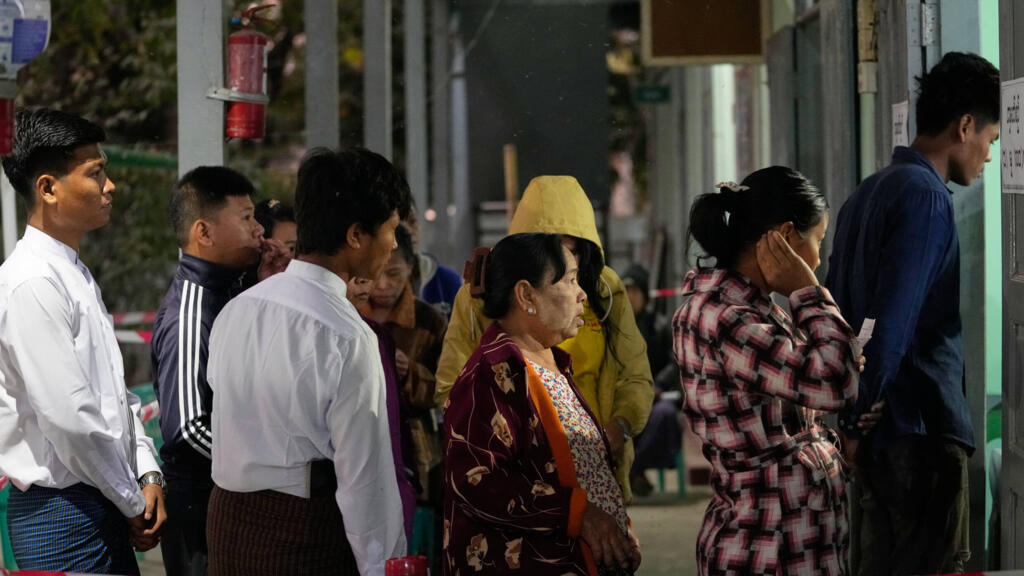
The humanitarian crisis compounds market access challenges. With 3.6 million people displaced since the 2021 coup and voting occurring in only 263 of 330 townships (55% turnout vs. historical 70%), Myanmar's consumer market has contracted significantly. For sellers targeting Southeast Asian growth, this represents a 15-20% reduction in addressable market within the ASEAN bloc. The civil war's ongoing nature means logistics infrastructure remains unstable—customs clearance delays, port disruptions in Yangon, and unreliable last-mile delivery networks persist. Sellers previously planning Myanmar market entry through ASEAN trade corridors must now pivot to alternative sourcing and distribution strategies.
Trade policy implications are substantial and time-sensitive. ASEAN's non-recognition blocks Myanmar's participation in regional tariff harmonization initiatives, including the ASEAN Trade in Goods Agreement (ATIGA) modernization scheduled for 2025-2026. This creates a tariff arbitrage gap: goods destined for Myanmar face standard MFN rates (15-25% on electronics, 20-30% on textiles) rather than preferential ASEAN rates (5-8%). For sellers sourcing from Vietnam, Thailand, or Indonesia, Myanmar is effectively removed from low-tariff distribution networks. Additionally, the political uncertainty freezes Myanmar's participation in ASEAN's digital commerce framework, delaying e-commerce infrastructure development that would have enabled cross-border payment systems and logistics integration.
Competitive dynamics shift toward alternative ASEAN hubs. Thailand, Vietnam, and Indonesia—ASEAN's recognized members—become more attractive sourcing and distribution centers. Sellers should expect increased competition for manufacturing capacity in these countries as Myanmar-bound supply chains redirect. Vietnam's electronics and apparel sectors will see 10-15% increased demand from sellers seeking alternative production bases. The Philippines' rotating ASEAN chairmanship (held through 2025) positions it as a policy-setting hub, creating opportunities for sellers to influence regional e-commerce standards before Myanmar's eventual reintegration.
Compliance and documentation complexity increases immediately. Sellers shipping to Myanmar must now navigate dual-track compliance: maintaining ASEAN documentation standards while treating Myanmar as a non-recognized entity for tariff purposes. This creates 5-7 additional days of customs processing time and requires separate HS code classification for Myanmar-destined goods. The window for policy clarification is narrow—ASEAN's stance remains "as of now," suggesting potential recognition if political conditions change by Q2-Q3 2025.
问题 7
What role does the Philippines' ASEAN chairmanship play in Myanmar's eventual reintegration?
The Philippines holds ASEAN's rotating annual chairmanship through 2025, positioning it as the bloc's policy-setting leader. Philippine Foreign Secretary Theresa Lazaro emphasized that recognition requires 'cessation of hostilities, inclusive dialogue, and participation by all stakeholders'—conditions the Philippines will monitor and potentially negotiate. Sellers should track Philippines-led ASEAN initiatives on Myanmar policy; any diplomatic breakthrough will likely be announced through Philippine government channels first. The Philippines' chairmanship also influences ASEAN's digital commerce framework development, creating opportunities for sellers to advocate for Myanmar e-commerce infrastructure standards before reintegration occurs.
How does the 3.6 million displaced population impact Myanmar's consumer e-commerce market?
The UN-reported 3.6 million displaced persons represent approximately 13% of Myanmar's pre-2021 population, effectively removing a significant consumer segment from the addressable market. Combined with 55% election turnout (vs. historical 70%), consumer purchasing power has contracted 15-20% compared to pre-coup levels. For sellers targeting Myanmar's e-commerce market, this means reduced demand for discretionary categories (electronics, fashion, home goods) while essential goods (food, hygiene, medical supplies) see elevated demand. Sellers should pivot Myanmar strategies toward humanitarian-focused product categories and consider partnerships with NGOs and relief organizations rather than traditional B2C e-commerce channels.