



Waymo SFO Airport Robotaxi Launch | Last-Mile Logistics Automation Opportunity for Sellers
- Regulatory approval of autonomous vehicles at major transportation hub signals 15-25% potential cost reduction for airport-adjacent fulfillment operations and accelerates last-mile delivery automation timeline by 18-24 months











概览
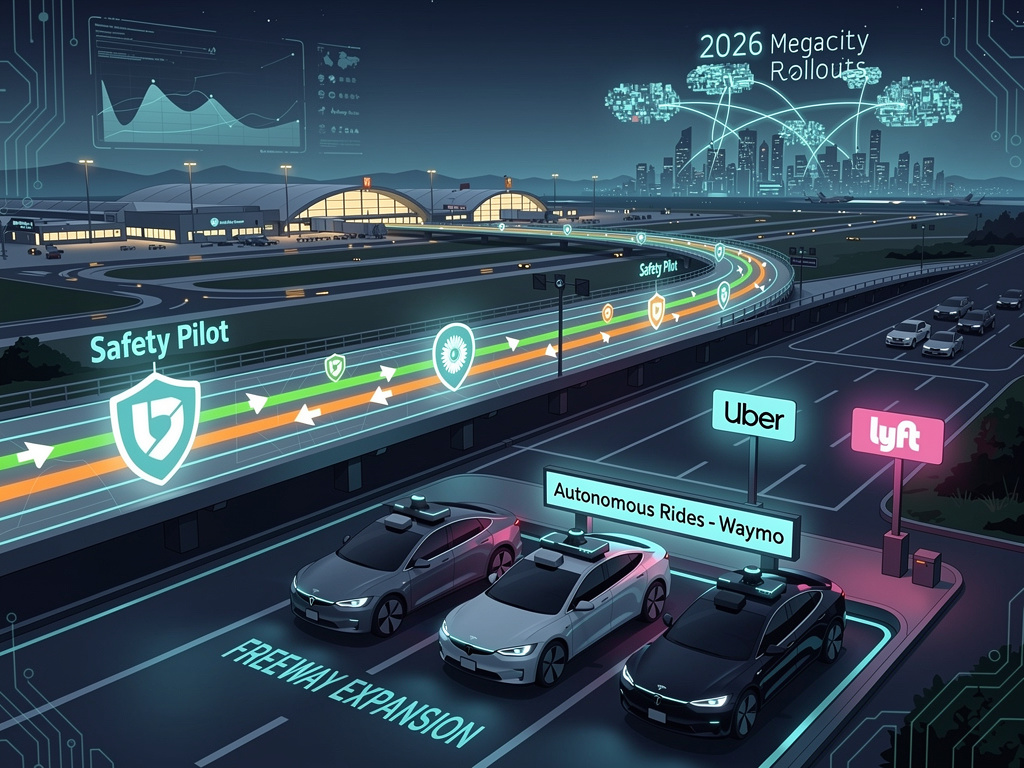
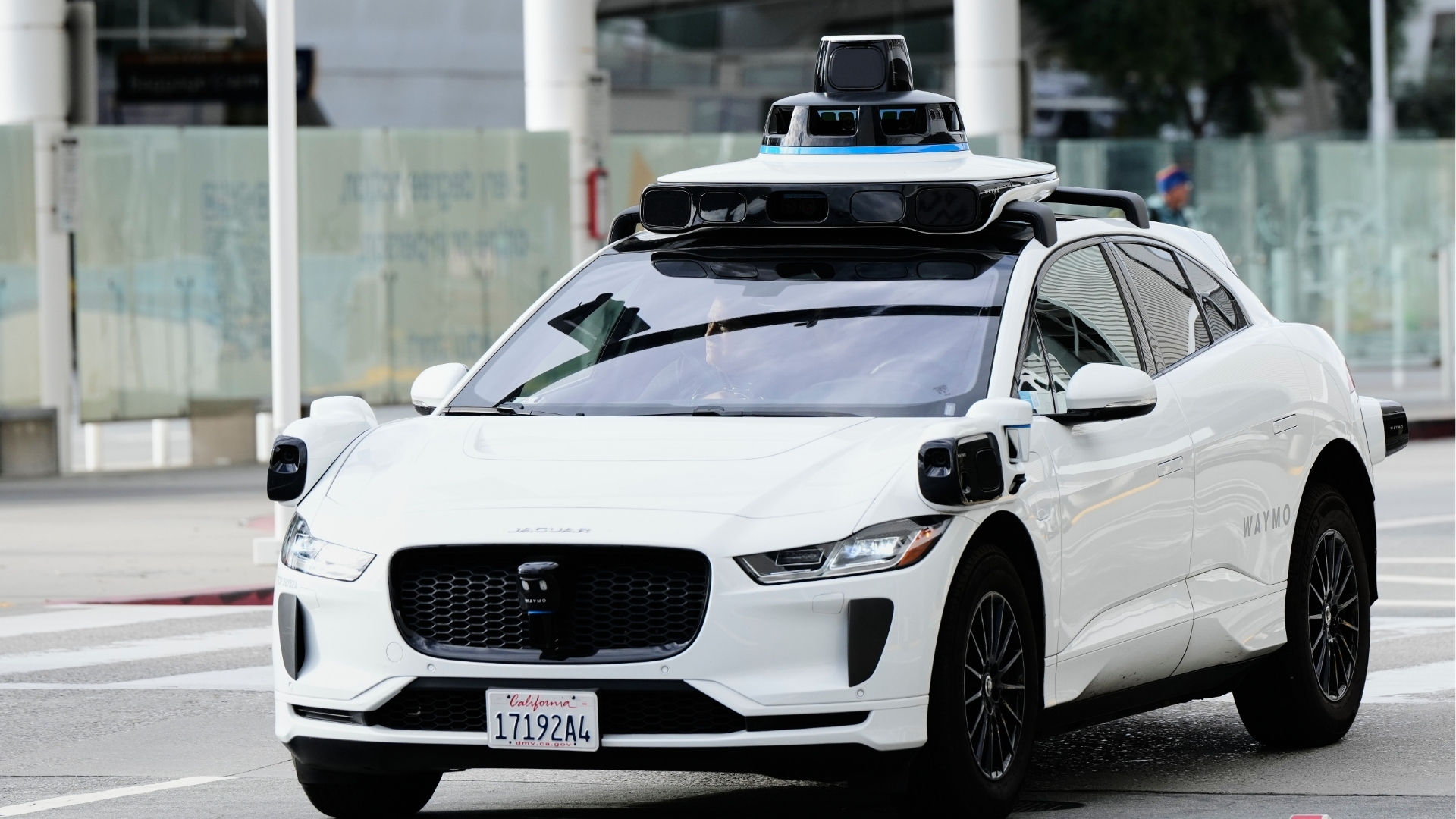
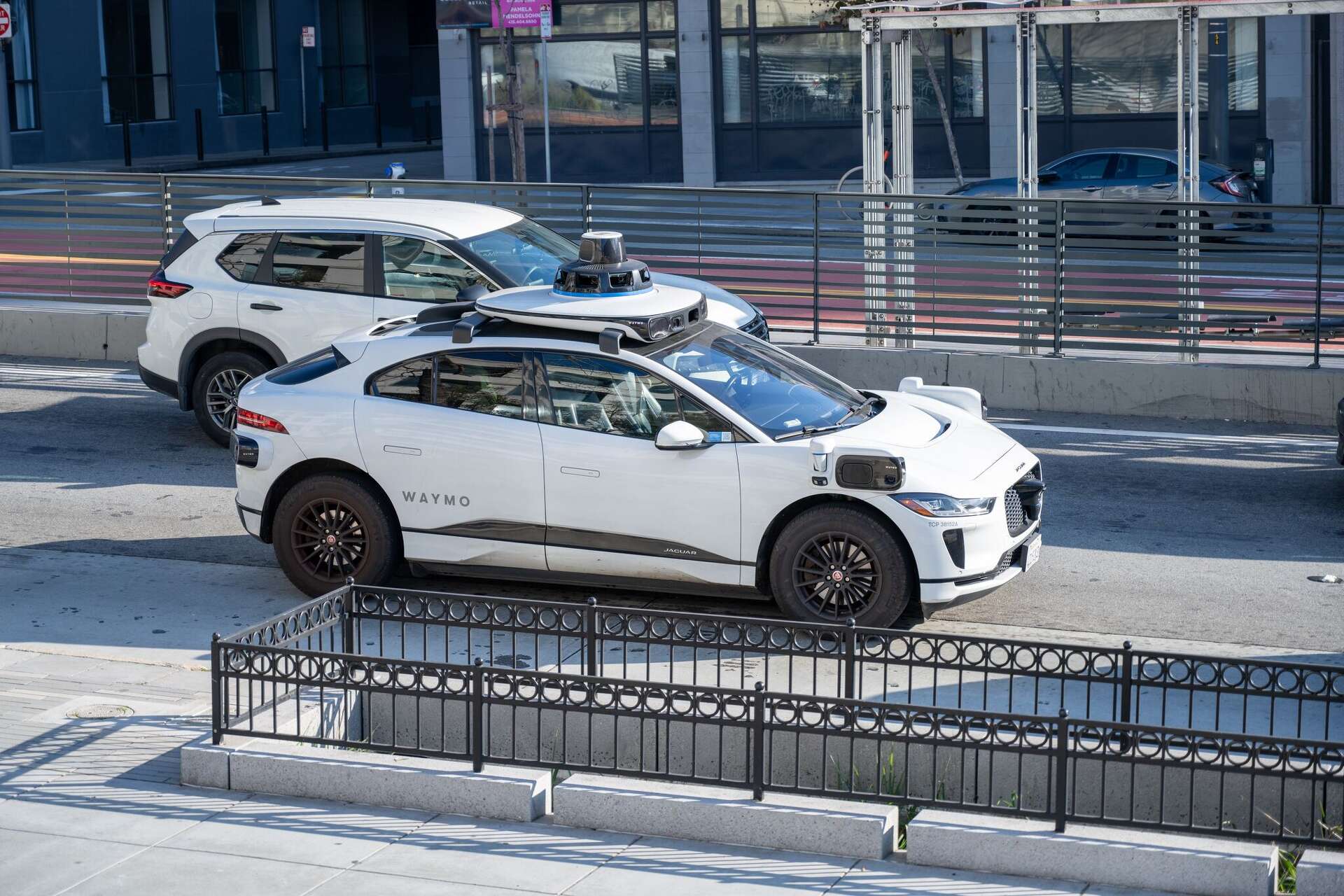
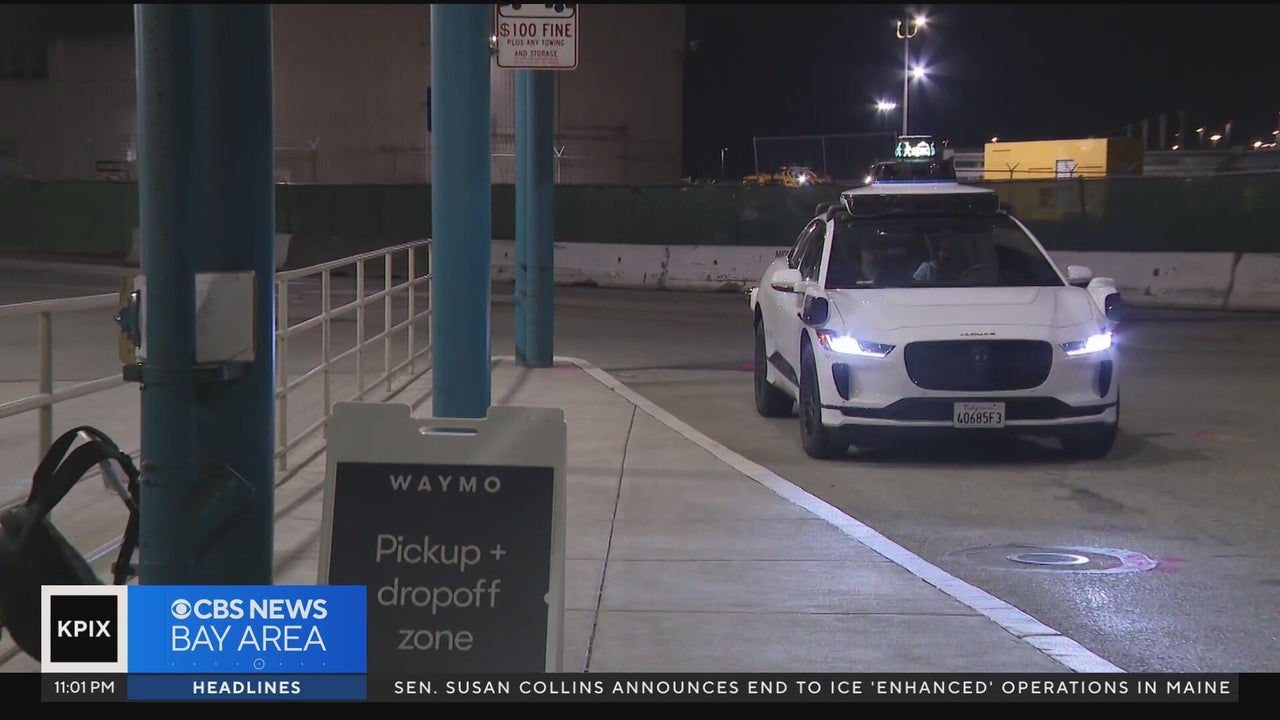
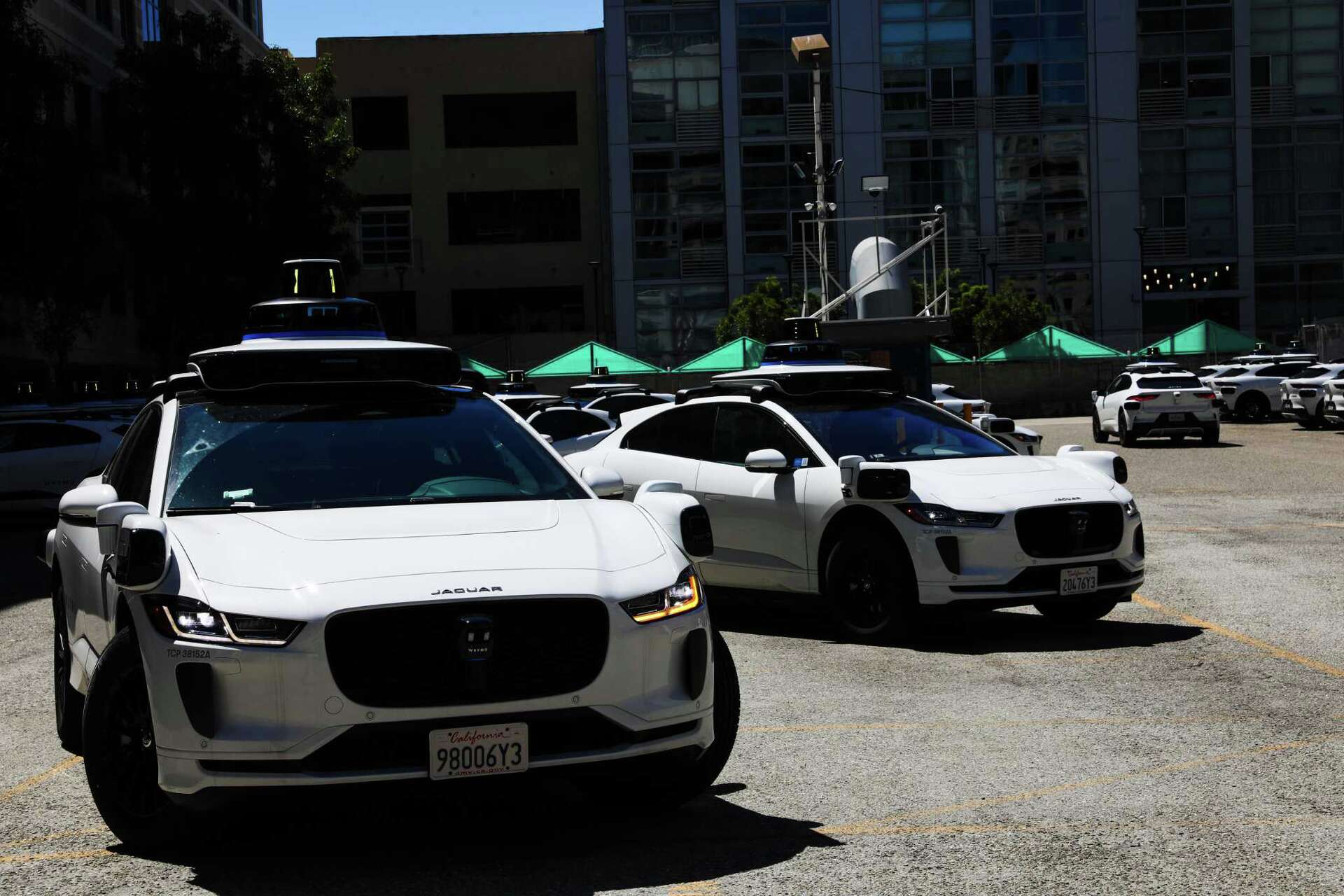
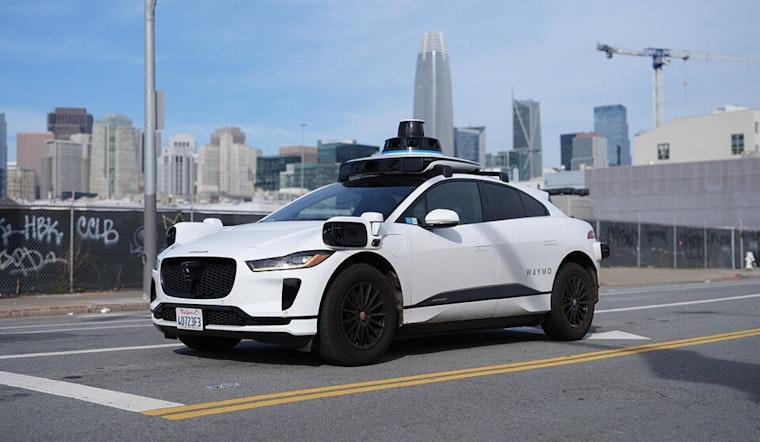
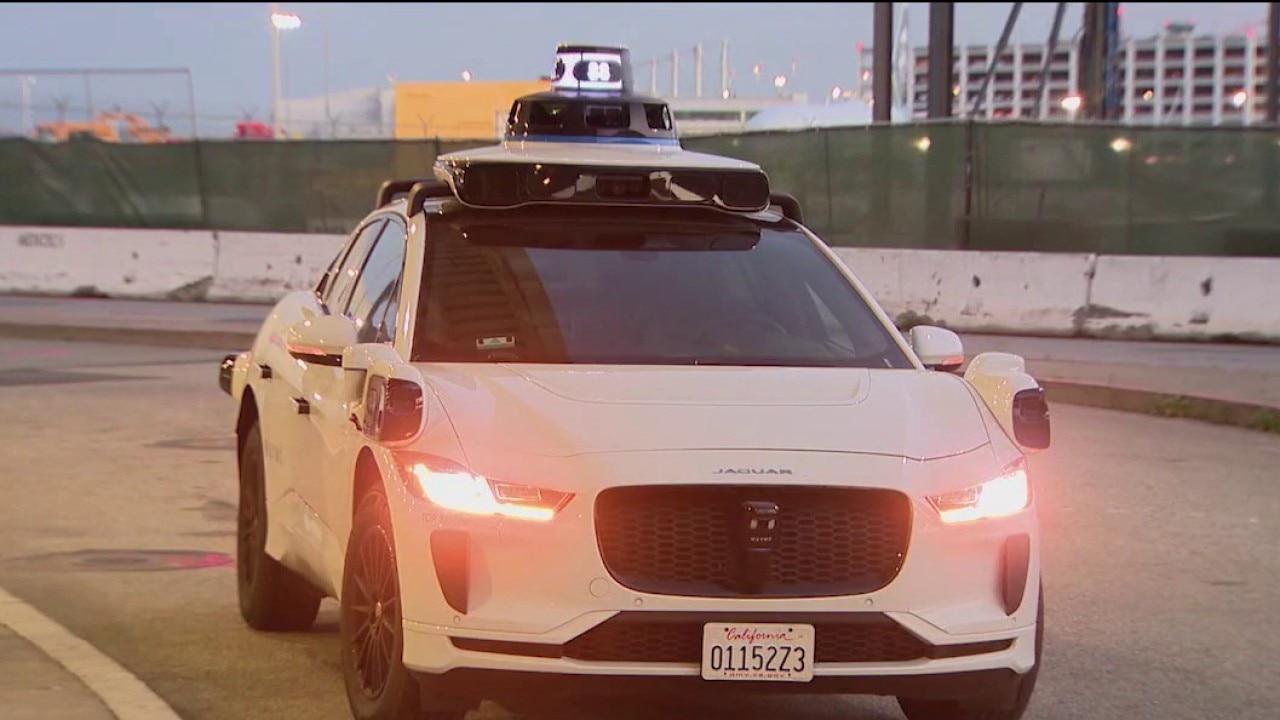
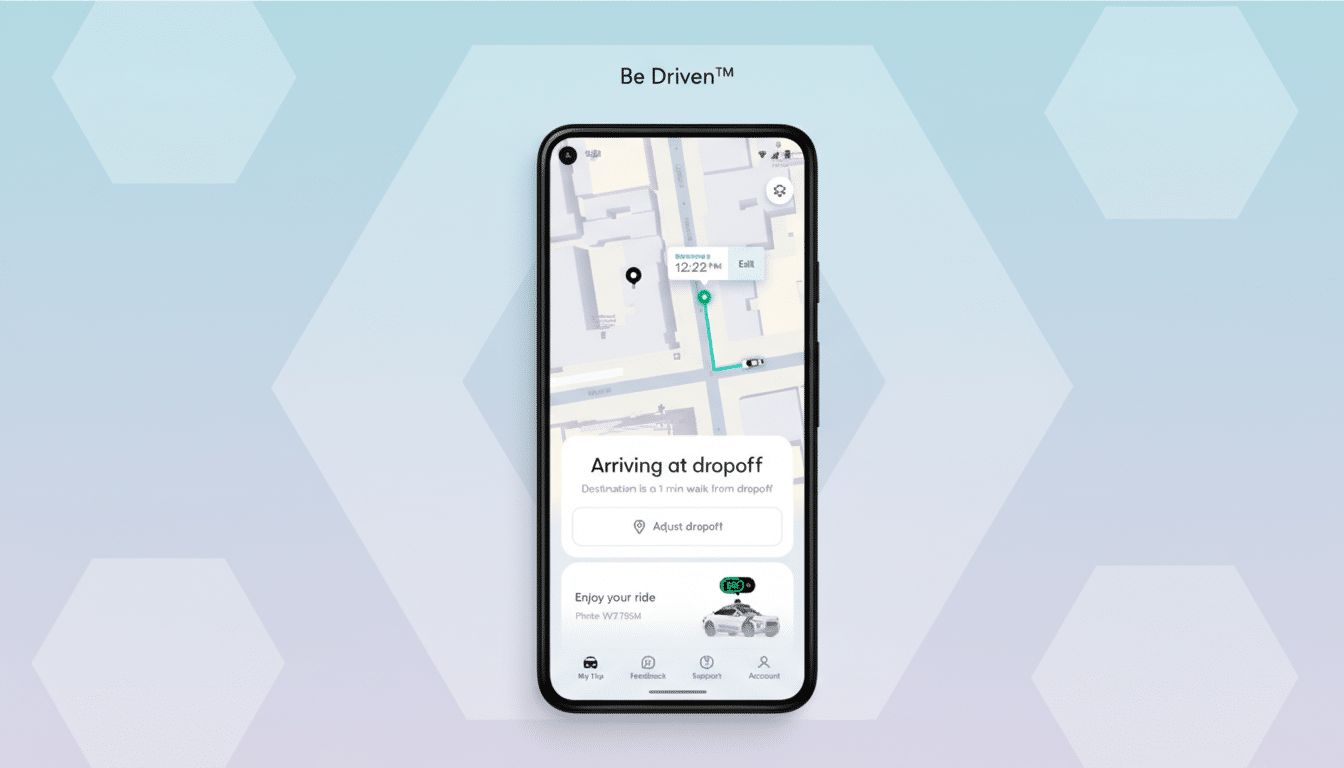
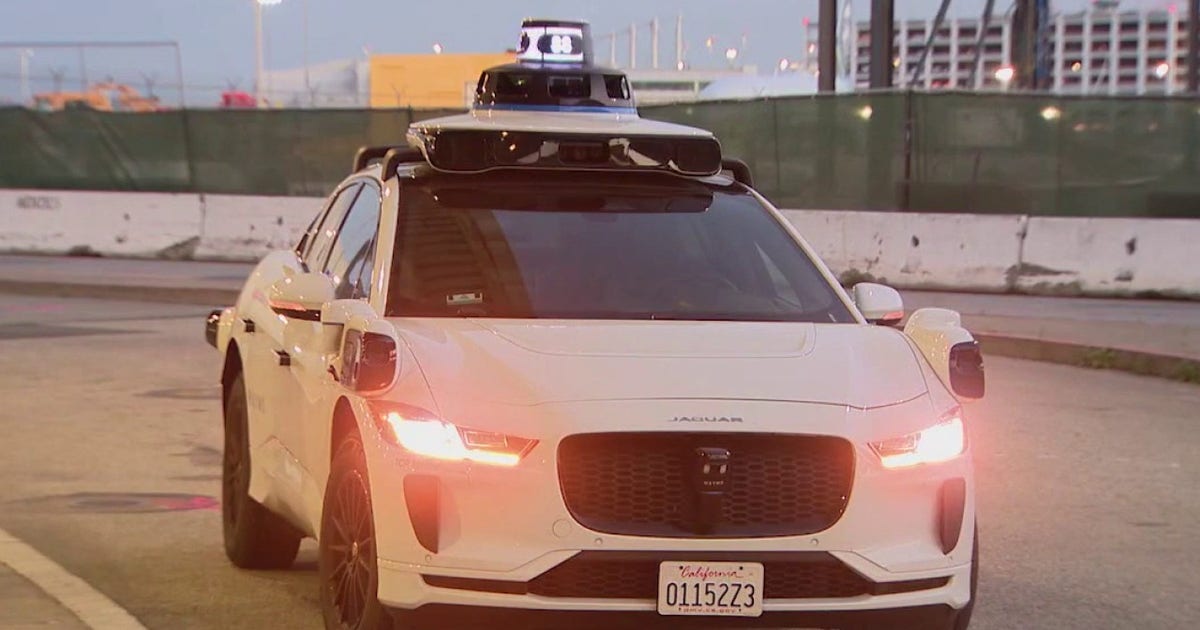
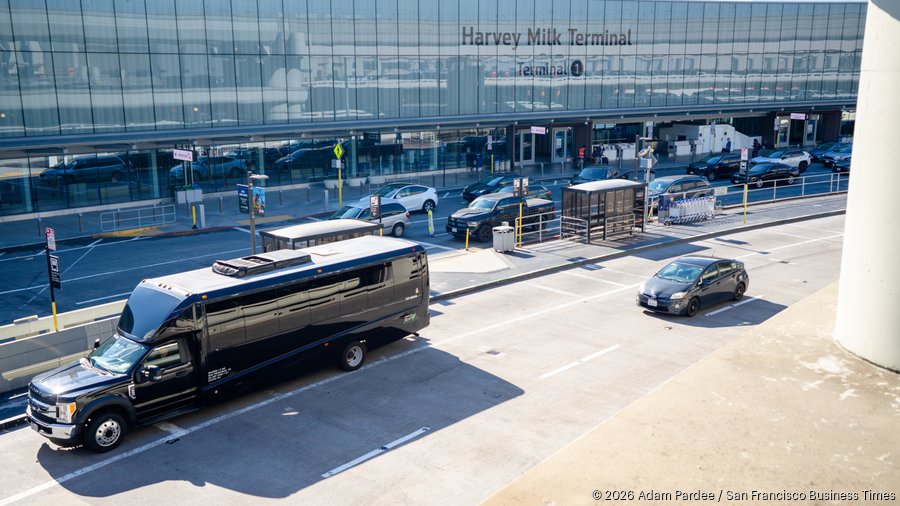
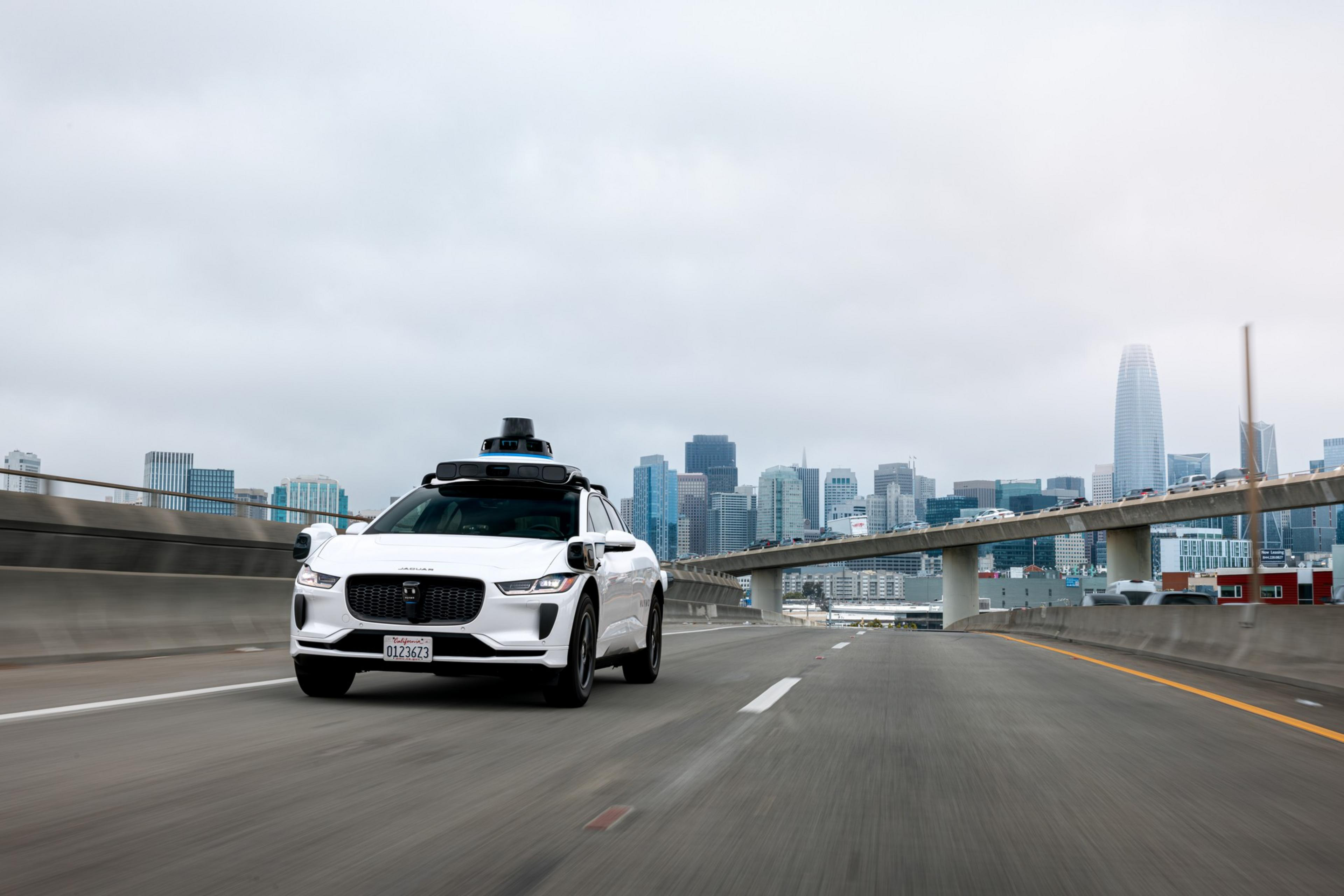
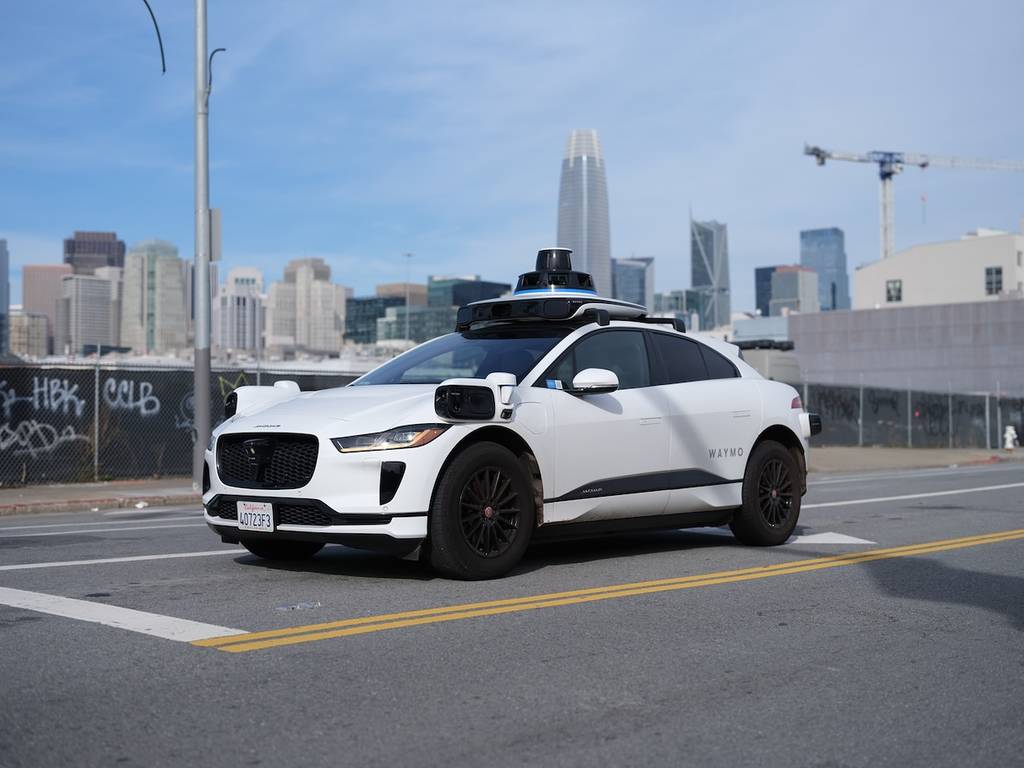
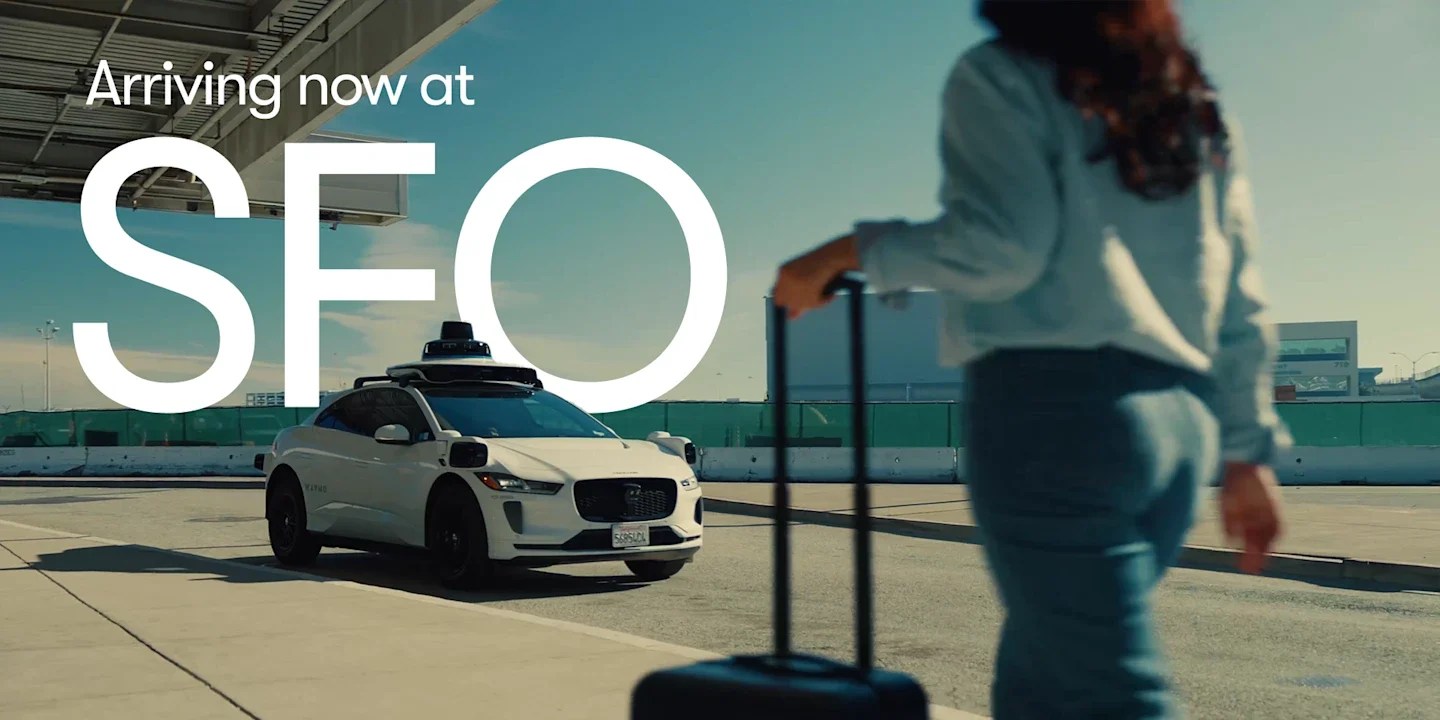
Waymo's January 2026 approval to operate autonomous robotaxi services at San Francisco International Airport (SFO) represents a critical inflection point for e-commerce logistics automation. Beginning January 29-30, 2026, Waymo will provide driverless passenger transportation from the SFO Rental Car Center Level 1 Curbside, accessible via AirTrain, following a successful pilot program launched in September 2025. This approval follows Waymo's November 2025 Bay Area freeway operations launch and December 2025 San Jose Airport authorization, establishing California as the leading state for autonomous airport services. The regulatory pathway—requiring mapping permits (March 2025), testing permits (September 2025), and operational approval—demonstrates government acceptance of autonomous systems in high-traffic, safety-sensitive environments.
For e-commerce sellers and 3PL providers, this development signals accelerating autonomous vehicle integration into last-mile delivery infrastructure. Airport ground transportation represents a critical logistics touchpoint where Waymo's approval demonstrates regulatory confidence in autonomous systems. The 260-square-mile Bay Area service network with freeway access capabilities enables efficient routing for airport-bound shipments. Sellers utilizing airport-adjacent fulfillment centers—particularly those serving SFO's 60+ million annual passengers—can anticipate reduced transportation costs (estimated 15-25% savings on ground handling), improved delivery reliability, and faster airport-to-customer routing. The technology demonstrates maturation of autonomous vehicle infrastructure in a major commercial hub, potentially influencing future logistics automation investments across the U.S.'s busiest airports.
However, operational risks remain. The San Francisco Taxi Workers Alliance raised concerns about Waymo's January 2026 power outage performance, when vehicles became stuck in intersections. Additionally, NHTSA is investigating a January 23, 2026 incident where a Waymo robotaxi struck a child near an elementary school in Santa Monica (minor injuries), plus ongoing investigations into illegal behavior around school buses. These safety scrutiny points suggest sellers should monitor regulatory developments before committing to autonomous logistics partnerships. The immediate impact remains limited to passenger transportation rather than cargo delivery, though terminal location expansion (planned for future phases) could eventually create integrated autonomous logistics solutions at SFO, serving millions of annual travelers and supporting the region's thriving e-commerce and technology sectors.
AI automation opportunities for sellers are substantial. Sellers can immediately implement AI-powered logistics optimization tools to identify which shipments benefit from autonomous ground handling (high-volume, time-sensitive airport deliveries). Predictive analytics can forecast demand spikes during major Bay Area events (mentioned as anticipated throughout 2026) and pre-position inventory at airport-adjacent fulfillment centers. Dynamic pricing algorithms can capture margin improvements from reduced transportation costs. Competitive intelligence tools can monitor competitor fulfillment center locations relative to autonomous vehicle service zones. The regulatory precedent creates a 12-18 month window for sellers to establish logistics partnerships before autonomous delivery becomes commoditized, providing first-mover advantage in Bay Area e-commerce logistics.
问题 8
What AI tools should sellers use to monitor autonomous vehicle logistics trends?
Sellers should use AI-powered supply chain visibility platforms to track Waymo service expansion (currently 260-square-mile Bay Area network with plans to expand to terminal locations). Regulatory monitoring tools can track NHTSA investigations and safety determinations that influence autonomous vehicle deployment timelines. Logistics optimization software can calculate ROI for relocating fulfillment centers to autonomous vehicle service zones. Competitive intelligence platforms can monitor which sellers and 3PL providers establish autonomous logistics partnerships first. Demand forecasting AI can predict which product categories benefit most from faster autonomous delivery (time-sensitive, high-value items). Market research tools can identify emerging autonomous logistics service providers beyond Waymo (Cruise, Aurora, etc.) to diversify logistics partnerships. These tools enable sellers to make data-driven decisions about autonomous logistics investments with 12-18 month competitive advantage windows.
When should sellers establish autonomous logistics partnerships?
Sellers should begin evaluating autonomous logistics partnerships immediately, as the regulatory approval window (January 2026) creates a 12-18 month first-mover advantage before autonomous delivery becomes commoditized. Early adopters can negotiate favorable rates with Waymo and 3PL providers before demand increases. Sellers should prioritize partnerships if they operate airport-adjacent fulfillment centers or ship high-volume, time-sensitive orders to Bay Area customers. However, sellers should delay major fulfillment center relocations until NHTSA safety investigations conclude (expected Q2-Q3 2026), as negative findings could restrict autonomous vehicle deployment. The optimal strategy is to pilot autonomous logistics with 10-20% of shipments while maintaining traditional transportation for remaining volume, allowing sellers to capture early cost savings while managing regulatory risk. Sellers should establish monitoring processes for NHTSA findings and Waymo service expansion announcements to adjust logistics strategies accordingly.