
Japan Kiosk Market Hits $1.3B | AI-Powered Self-Service Automation Opportunity
- Market expanding 123% to $2.9B by 2034; AI personalization, contactless payment, and labor shortage solutions create immediate automation opportunities for cross-border sellers in hardware, software, and payment integration
概览
Japan's interactive kiosk market reached USD 1.3 billion in 2025 and is projected to expand to USD 2.9 billion by 2034—a 123% growth trajectory—driven by AI-powered personalization, contactless interfaces, and Japan's acute labor shortage crisis. This represents a critical automation opportunity for cross-border e-commerce sellers specializing in hardware supply, software development, and payment integration services. The market expansion reflects broader digital transformation across retail stores, restaurants, airports, railway stations, hospitals, and government service centers, where AI-enhanced kiosks now handle customer interactions, order placement, payments, and check-ins without human staff intervention.
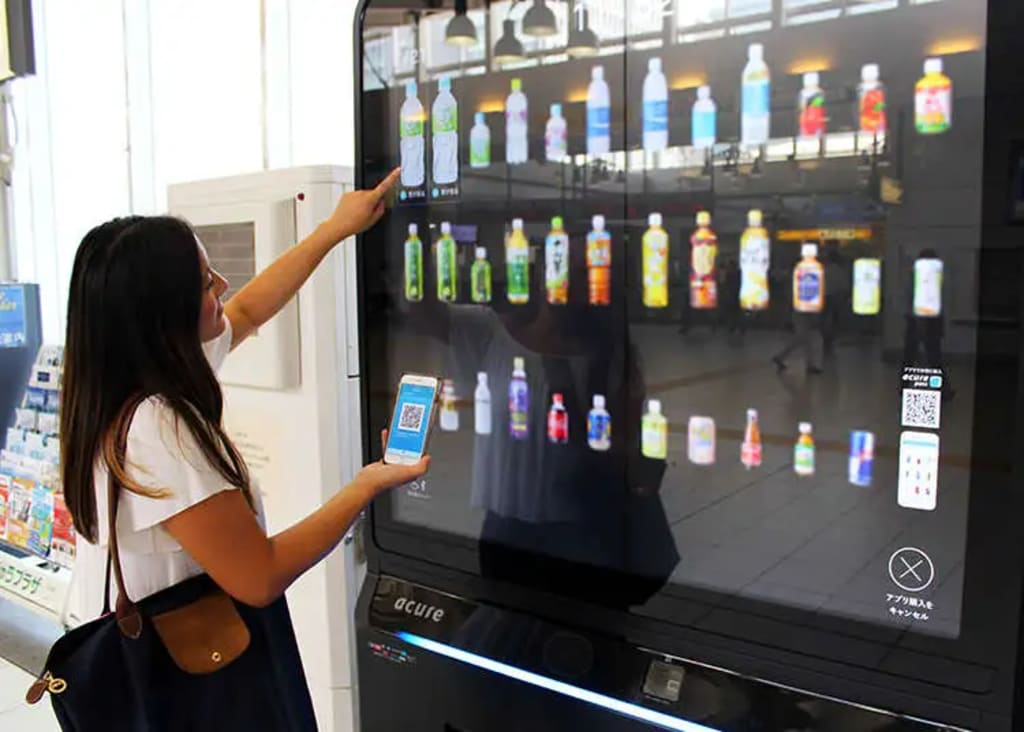
AI-powered personalization is the primary competitive differentiator in this market expansion. Kiosks now feature recommendation engines and adaptive interfaces that tailor content based on user behavior and location data—capabilities that directly parallel AI product selection and pricing optimization strategies used by e-commerce sellers. The retail and foodservice sectors are rapidly deploying self-ordering kiosks to reduce wait times during peak hours, while transportation hubs utilize AI-driven ticketing systems. For sellers, this signals immediate automation opportunities: sellers can apply similar AI recommendation engines to their product catalogs, implement dynamic pricing based on location and user behavior patterns, and develop remote management dashboards for distributed inventory systems. The contactless QR-based activation and mobile phone integration features indicate consumer preference for frictionless digital interactions—a trend directly applicable to mobile commerce optimization and checkout automation.
Japan's labor shortage crisis is accelerating kiosk adoption and creating demand for customizable platforms with remote management and analytics capabilities. This mirrors the operational challenges facing cross-border sellers managing distributed fulfillment networks. Sellers can capitalize on this trend by developing or reselling AI-powered inventory management systems, remote monitoring solutions, and predictive analytics platforms that help businesses optimize kiosk performance and customer flow. The competitive landscape includes both domestic technology firms and international solution providers, with success dependent on hardware reliability, software flexibility, user interface design, and after-sales support—exactly the value propositions that differentiate successful cross-border sellers. Market data indicates continued strong growth as self-service solutions become embedded in daily consumer interactions, with ongoing innovation in AI, connectivity, and payment technologies expanding kiosk functionality. For sellers, this 9-year growth window (2025-2034) represents a sustained opportunity to build recurring revenue through software licensing, hardware supply contracts, and managed services for kiosk operators across Japan's major commercial and public sectors.
Immediate automation wins for sellers: Implement AI-driven product recommendation engines similar to kiosk personalization systems (estimated 15-25% conversion lift); develop remote management dashboards for distributed inventory (saving 8-12 hours/week in manual monitoring); deploy dynamic pricing algorithms based on location and demand patterns (3-8% margin improvement); and create predictive analytics for customer flow optimization (reducing operational costs 10-15%). The time-to-market advantage for sellers who develop these capabilities now is 18-24 months before mainstream adoption, creating a competitive moat in the Japan market and adjacent Asian markets experiencing similar labor shortages.
问题 8
What is the competitive advantage window for sellers entering Japan's kiosk market?
The 9-year growth window (2025-2034) represents a sustained opportunity, but the competitive advantage window for early movers is 18-24 months. The news indicates both domestic technology firms and international solution providers are competing, with success dependent on hardware reliability, software flexibility, and after-sales support. Sellers who develop AI-powered remote management systems, predictive analytics platforms, and dynamic pricing solutions now can establish market position before mainstream adoption accelerates. The labor shortage crisis creates urgency—businesses are actively seeking efficiency solutions, making this an optimal time for sellers to establish partnerships with kiosk operators and system integrators.
Which sectors offer the fastest kiosk adoption in Japan?
The news identifies retail and foodservice as rapidly deploying self-ordering kiosks to streamline operations and reduce wait times during peak hours, followed by transportation hubs utilizing kiosks for ticketing and real-time travel information, and government facilities adopting them to improve accessibility and reduce administrative workload. For cross-border sellers, this means prioritizing solutions for: (1) Quick-service restaurants and retail chains (highest volume, fastest ROI); (2) Airport and railway station operators (mission-critical reliability requirements); (3) Government service centers (long-term contracts, stable revenue). Each sector has distinct requirements for hardware durability, software customization, and payment integration.