



Trump's China Trade Warning Signals Major Tariff Escalation | Sellers Face Supply Chain Realignment
- January 30, 2026 warning triggers tariff uncertainty for 50K+ cross-border sellers; US-China-Canada corridors face 15-25% potential duty increases














概览
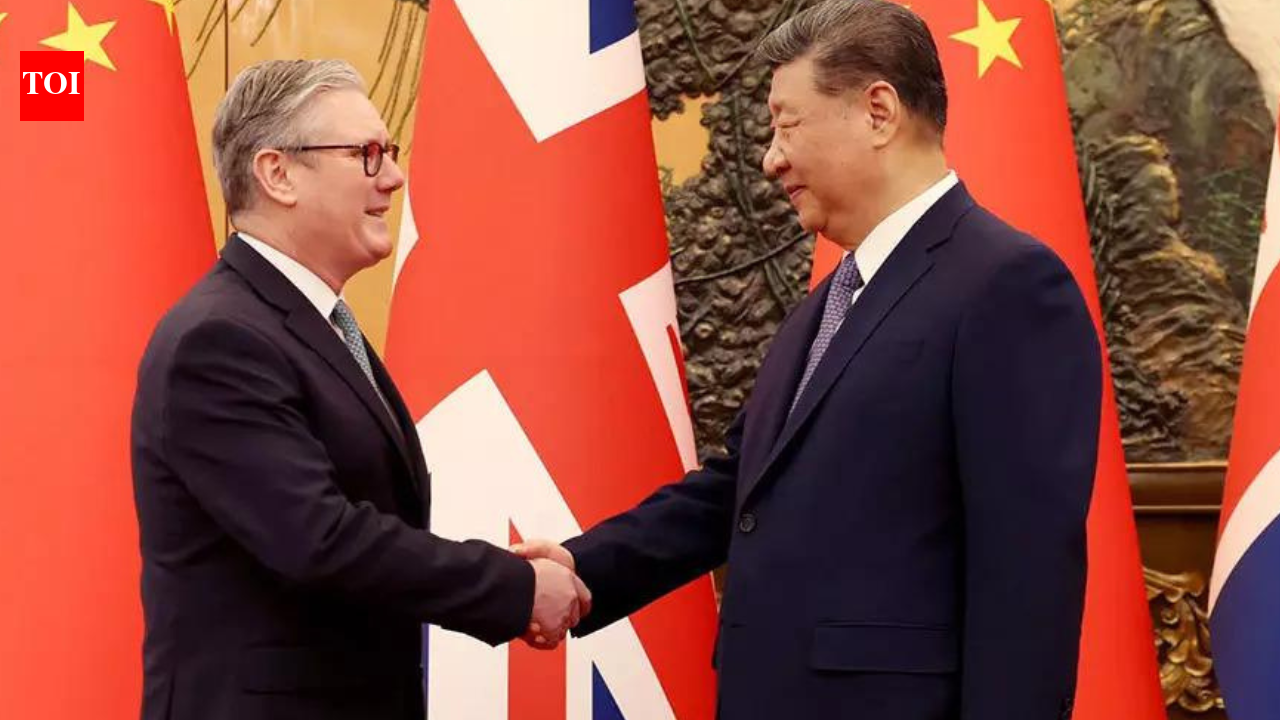
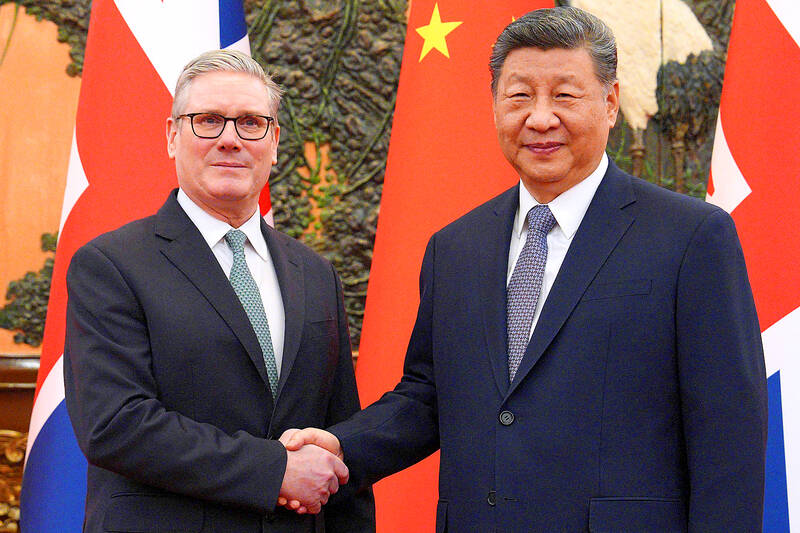
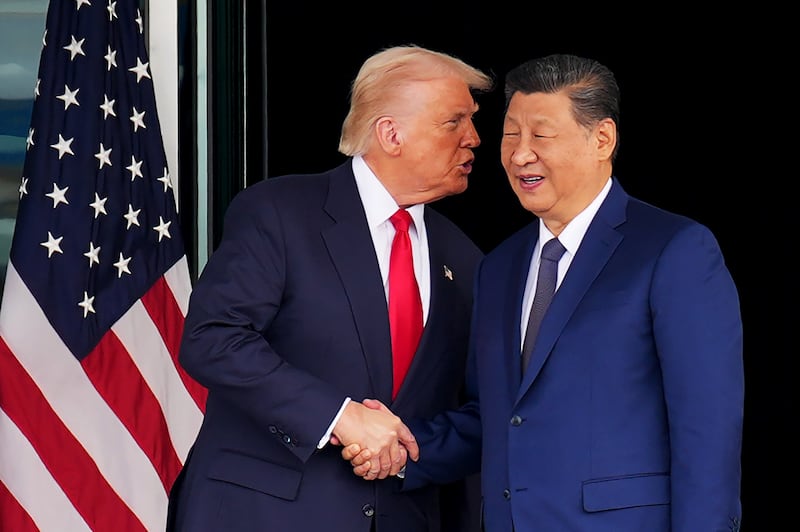
On January 30, 2026, President Trump issued a stark public warning against UK and Canadian trade expansion with China, characterizing such partnerships as "dangerous" and signaling aggressive protectionist trade policy ahead. This geopolitical friction directly impacts cross-border e-commerce sellers operating across North American and European markets, as the administration's rhetoric precedes potential tariff escalations, supply chain disruptions, and regulatory realignment affecting product sourcing, inventory positioning, and profit margins.
Tariff Arbitrage Implications: The warning suggests imminent tariff increases on China-origin goods entering US and Canadian markets. Sellers currently sourcing electronics (HS 8471-8517), apparel (HS 6204-6209), and consumer goods (HS 9406-9406) from China face margin compression of 8-15% if tariff rates increase from current 15-25% baseline to 30-40% levels. The timing window for inventory repositioning is critical—sellers have 60-90 days before potential policy implementation to lock in current tariff rates through advance shipments or alternative sourcing arrangements.
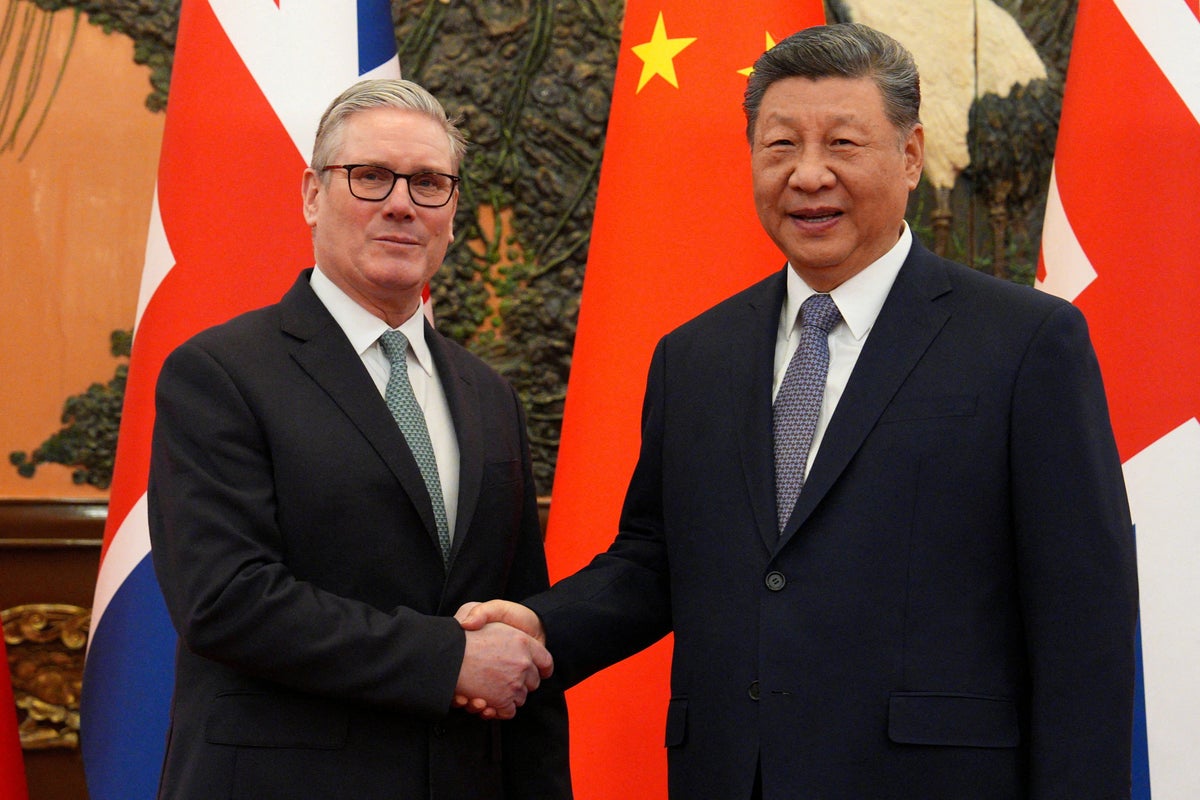
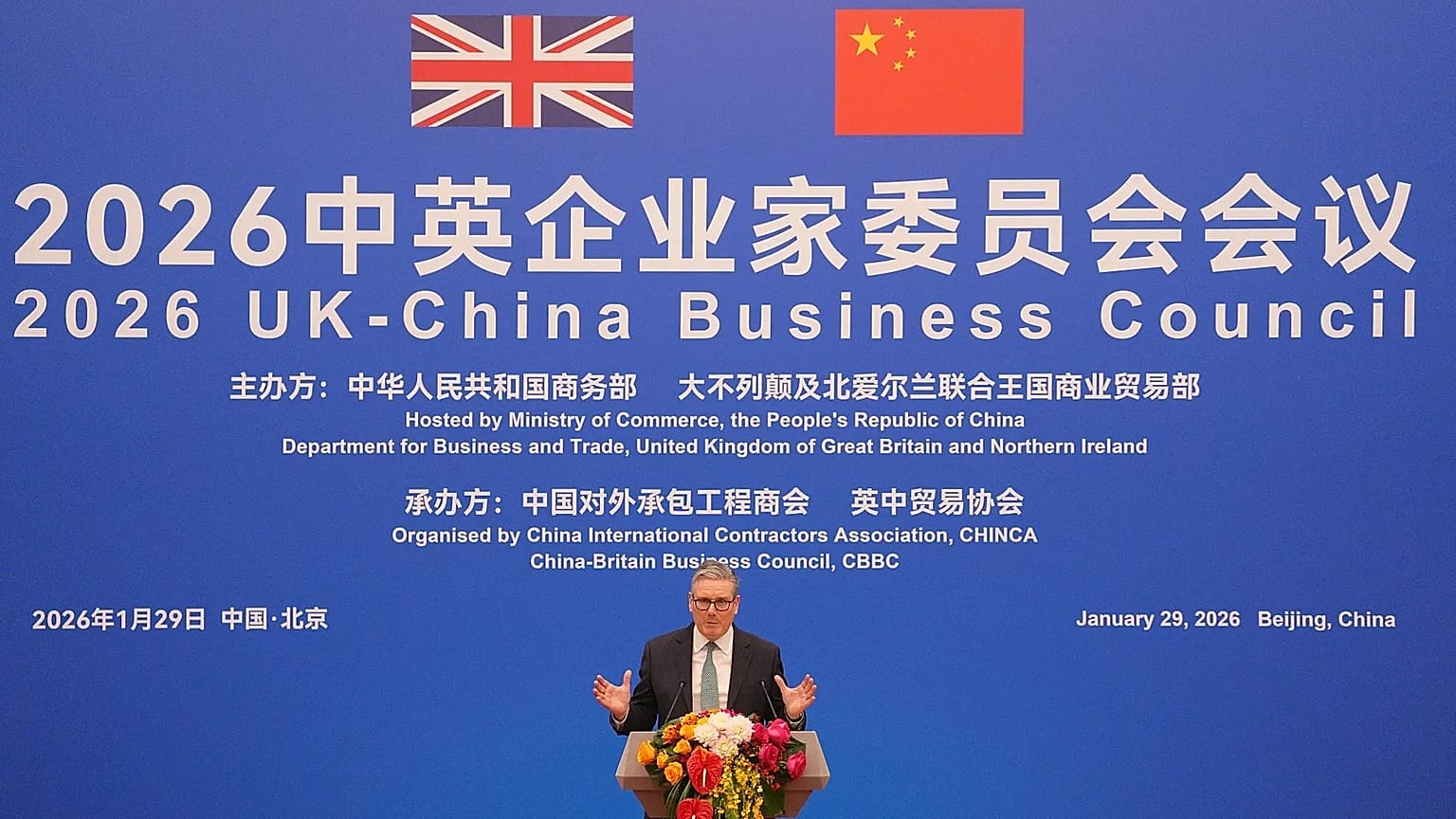
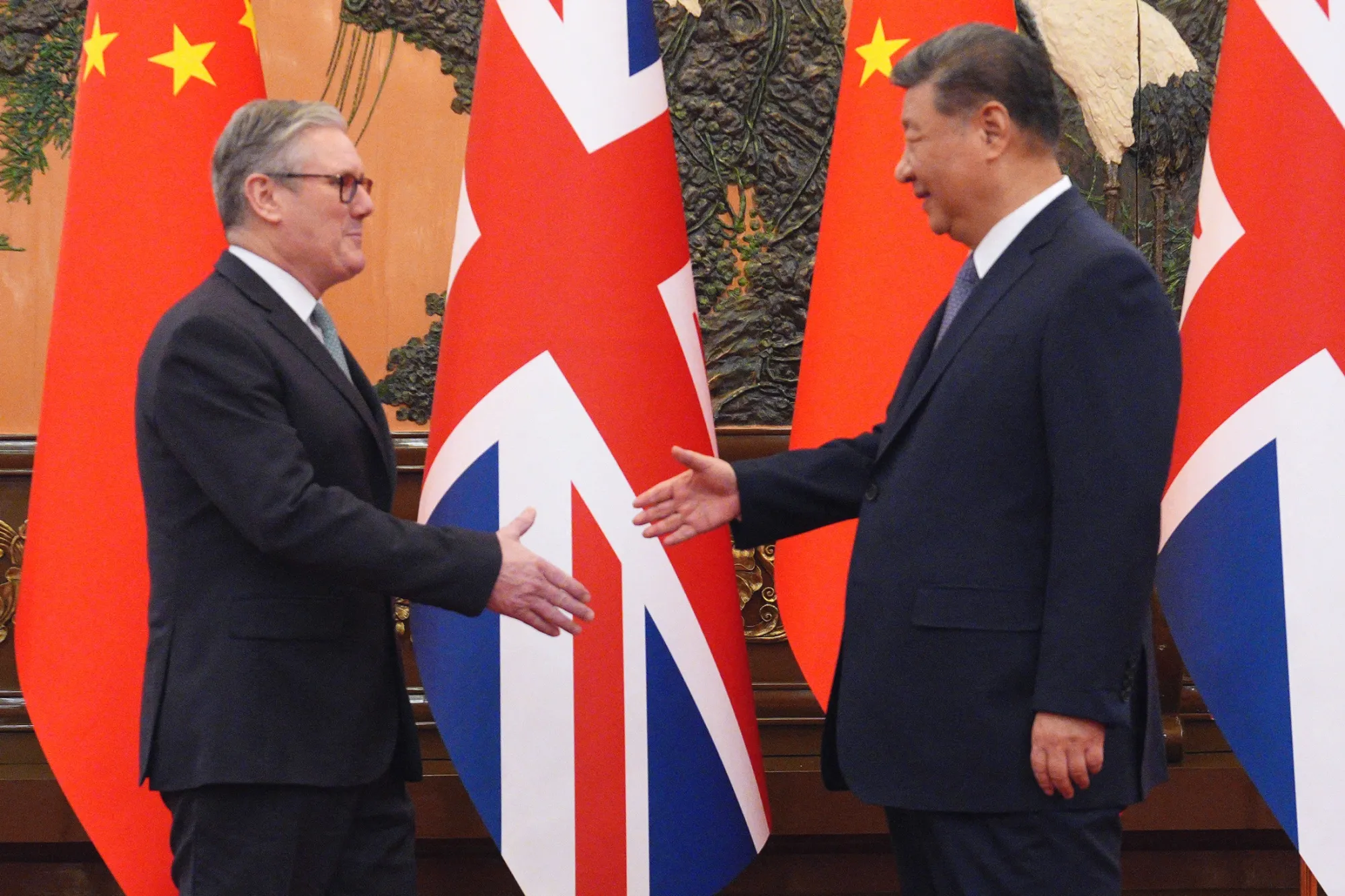
Market Access Shifts: Trump's criticism of Canada's economic performance and emphasis on "U.S.-centric relationships" signals potential trade agreement renegotiations affecting USMCA terms. Canadian sellers importing Chinese goods face dual tariff exposure: China-origin tariffs plus potential USMCA compliance penalties. UK sellers face similar uncertainty as Prime Minister Starmer's Beijing visit demonstrates Britain's hedging strategy. This creates a competitive advantage window for US-based sellers who can source domestically or from non-China suppliers (Vietnam, India, Mexico) before tariff structures solidify.
Competitive Dynamics: Small and medium sellers (SMBs) with 60-70% China sourcing face existential margin pressure, while larger sellers with diversified supply chains (20-30% China exposure) can absorb tariff increases. This creates consolidation opportunity—larger sellers can acquire SMB inventory at distressed valuations. Sellers with established Vietnam, India, or Mexico sourcing relationships gain 3-6 month competitive advantage before competitors shift suppliers. The warning also signals potential retaliatory tariffs against UK and Canadian sellers exporting to US markets, creating pricing pressure on cross-border sellers in those regions.
Compliance and Timing: The policy implementation timeline remains unclear, but historical precedent suggests 30-60 day notice before tariff changes take effect. Sellers should immediately audit inventory by HS code, calculate tariff exposure by product category, and model margin impact under 25%, 35%, and 40% tariff scenarios. Supply chain realignment toward Mexico (USMCA-compliant) and Southeast Asia (Vietnam, Thailand) becomes strategically urgent. Sellers should also monitor UK-US trade negotiations, as potential UK tariff increases could affect 15-20K UK-based cross-border sellers currently exporting to US markets.
问题 8
How can sellers calculate tariff impact on specific product categories?
Use the US International Trade Commission (USITC) tariff database to identify HS codes for your products, then calculate tariff cost: (Product Cost × Current Tariff Rate) + (Product Cost × Projected Tariff Increase) = Margin Impact. For example, a $20 apparel item with 15% current tariff ($3 cost) facing 35% tariff ($7 cost) loses $4 margin per unit. Multiply by annual volume to calculate total exposure. Amazon Seller Central and Shopify apps offer tariff calculators. For complex sourcing, hire customs brokers ($500-2K consultation) to model HS code-specific scenarios. Prioritize modeling for top 20 SKUs representing 60-70% of revenue.
What is the timeline for tariff policy implementation and seller action deadlines?
Historical precedent suggests 30-60 day notice before tariff changes take effect. Trump's January 30, 2026 warning indicates potential implementation by March-April 2026. Sellers should act immediately: (1) Audit inventory by HS code (by February 15), (2) Model tariff scenarios at 25%, 35%, 40% rates (by February 28), (3) Accelerate China shipments or pivot sourcing (by March 31), (4) Update pricing and margin forecasts (by April 15). The window for locking current tariff rates through advance shipments closes within 60 days. Delay increases risk of inventory arriving after tariff increases take effect, permanently compressing margins on that stock.