




Fed Chair Warsh Nomination Strengthens Dollar | Cross-Border Seller Currency Risk Alert
- Dollar surge pressures import costs for 2M+ cross-border sellers; tighter monetary policy ahead signals margin compression 8-15% for international traders























概览
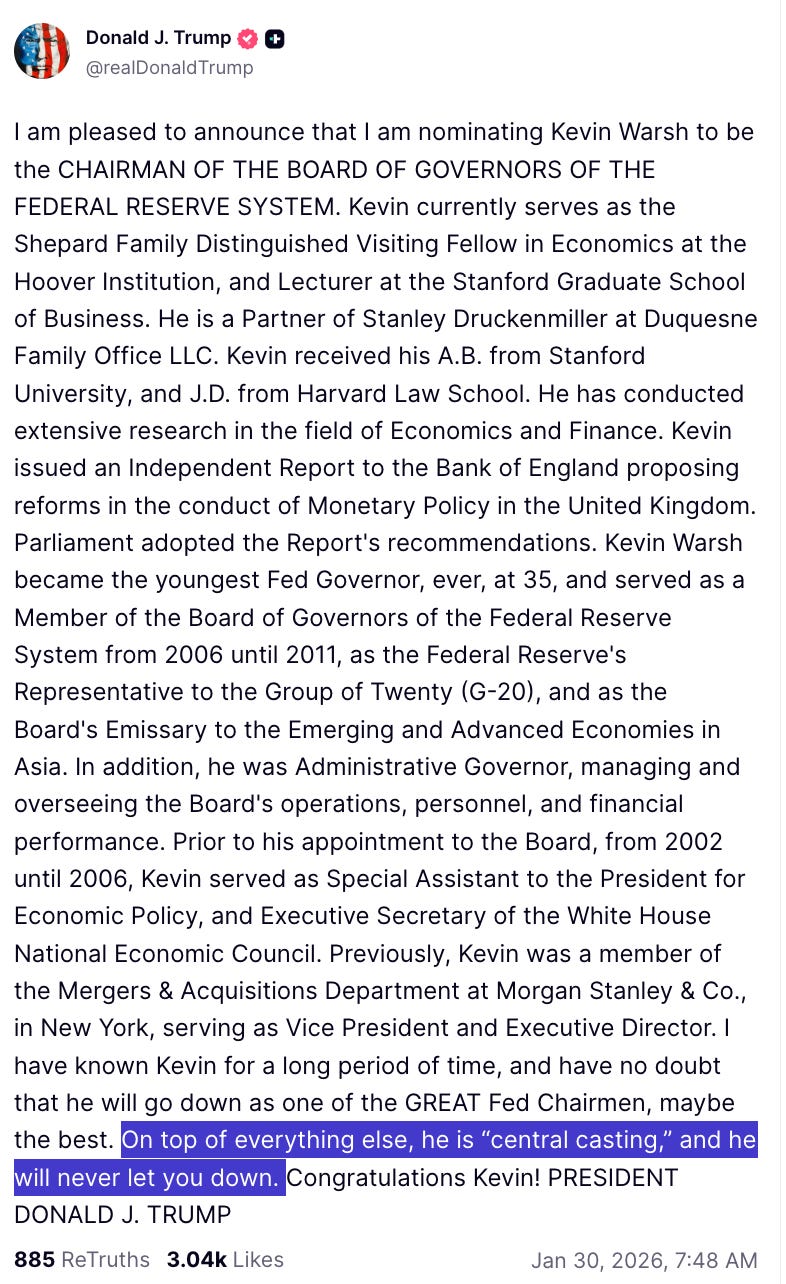
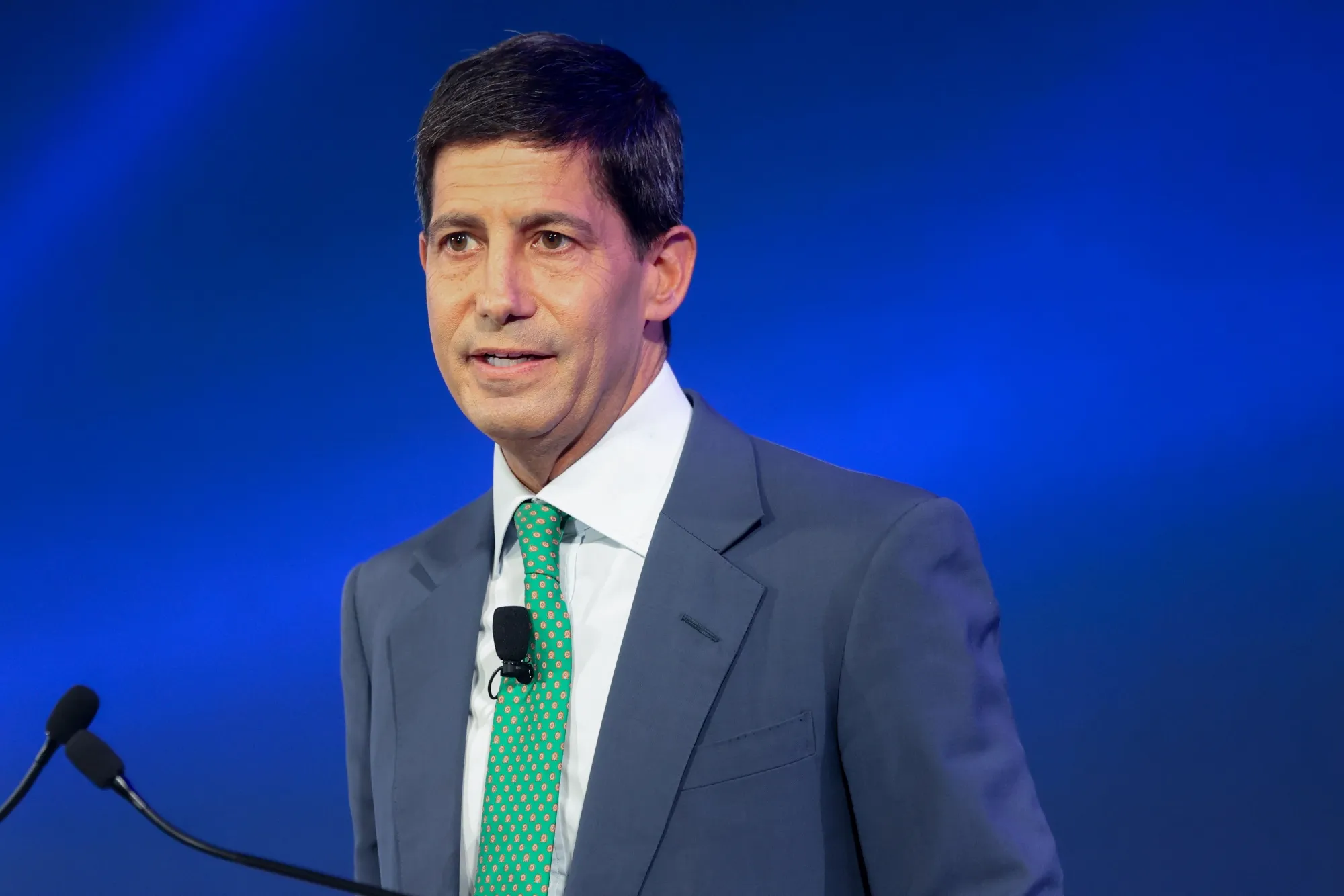
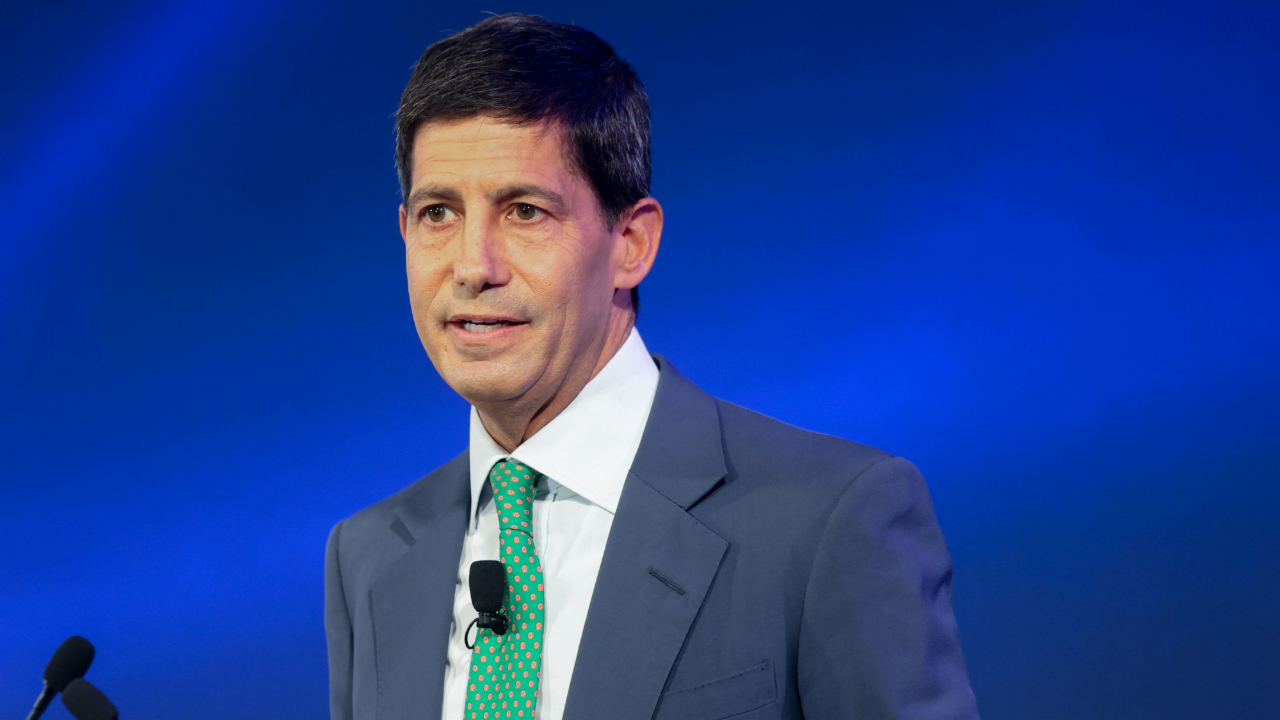
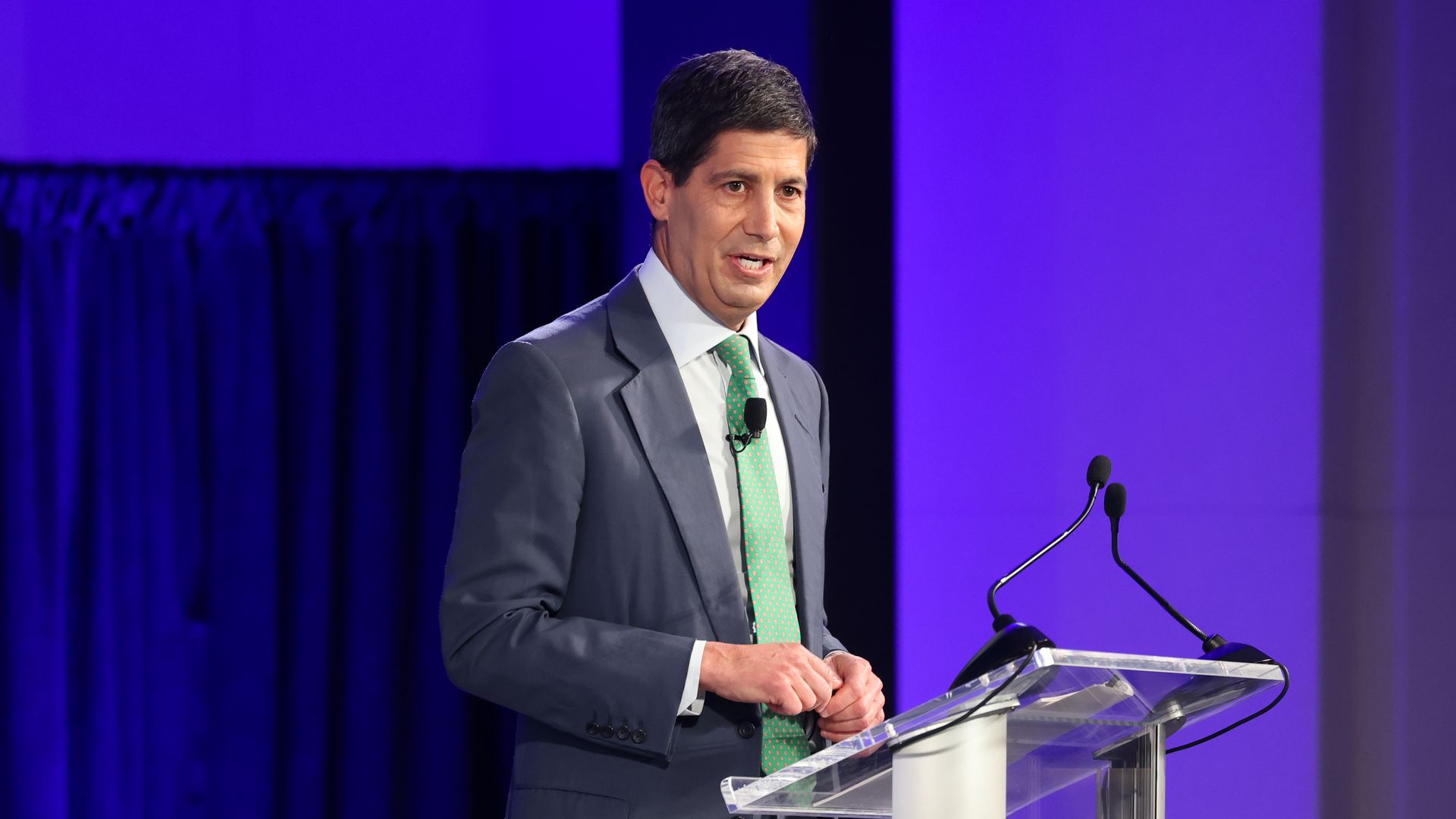
Kevin Warsh's nomination as Federal Reserve Chair on January 30, 2026, represents a critical monetary policy inflection point with immediate implications for cross-border e-commerce sellers. The market's response was swift: the US dollar strengthened significantly, stock futures declined 0.4-0.6%, Treasury yields rose, and precious metals fell (gold dropped $5 to $5,087/oz). Bitcoin declined 1.85% to $82,532, while crude oil fell to $65.28/barrel. The VIX volatility index rose to 17.87, signaling increased market uncertainty. Warsh's hawkish track record supporting tight monetary policy and his advocacy for a smaller Federal Reserve balance sheet suggest the Fed will maintain restrictive conditions longer than some market participants anticipated.
For cross-border e-commerce sellers, this nomination creates immediate operational challenges through currency dynamics. A stronger US dollar increases import costs for sellers sourcing goods from Europe, Asia, and emerging markets. Sellers importing from China, Vietnam, or India face 5-12% cost increases as their local currencies weaken against the dollar. Simultaneously, US-based sellers exporting goods gain competitive advantages in foreign markets, but this advantage is offset by reduced consumer purchasing power in international markets due to tighter monetary conditions. Sellers with multi-currency exposure face escalating hedging costs—currency forward contracts and options premiums typically increase 20-30% during periods of elevated volatility (VIX at 17.87 indicates heightened uncertainty).
The confirmation process and Warsh's policy statements will provide critical visibility into future interest rate direction. Warsh's recent comments emphasizing artificial intelligence and deregulation as inflation-control tools suggest a potential shift toward supply-side economics, which could benefit sellers in technology and automation categories. However, his advocacy for a smaller Fed balance sheet implies reduced liquidity in financial markets, potentially increasing seller financing costs. Small and mid-sized sellers relying on inventory financing, working capital loans, or seller credit lines should expect higher borrowing costs within 6-12 months. The nomination requires Senate confirmation, likely occurring by May 2026 when Powell's term ends, providing a 3-4 month window for sellers to adjust pricing strategies and secure financing before potential rate environment changes take effect.
问题 8
What's the difference between Warsh's policy approach and Powell's, and how does it affect sellers?
Powell pursued a flexible inflation-targeting approach with periodic rate cuts to support employment and economic growth. Warsh advocates for sustained tight monetary policy, a smaller Fed balance sheet, and supply-side solutions (AI, deregulation) to control inflation. This represents a more restrictive policy stance likely to keep interest rates higher for longer. For sellers, Warsh's approach means: (1) sustained dollar strength reducing import competitiveness; (2) higher financing costs persisting through 2026-2027; (3) reduced consumer purchasing power limiting demand for discretionary goods; (4) potential benefits for productivity-enhancing and technology categories. Powell's tenure saw rate cuts in 2023-2024 providing some relief; Warsh's likely approach suggests rate stability or potential increases if inflation resurges. Sellers should prepare for a 12-24 month period of elevated financing costs and import price pressure, requiring proactive margin management and geographic diversification strategies.
How should I adjust my 2026 financial planning for Warsh's likely Fed policies?
Incorporate three key assumptions into 2026 financial projections: (1) sustained dollar strength through May 2026 confirmation, increasing import costs 5-12%; (2) rising interest rates on seller financing, adding 0.5-1.5% to borrowing costs; (3) potential consumer spending slowdown as tighter monetary policy reduces purchasing power. For sellers with $500,000 annual revenue, this translates to $25,000-60,000 in additional costs from import price increases and financing expenses. Build contingency reserves of 10-15% of operating costs to absorb margin compression. Diversify sourcing geographically to reduce dollar exposure—consider increasing purchases from US suppliers or negotiating longer payment terms with international suppliers to spread currency risk. Monitor the confirmation process monthly and adjust forecasts based on Warsh's policy statements. Consider accelerating inventory purchases before May 2026 if you anticipate further dollar strength, but balance this against working capital constraints and storage costs.