
EU Semiconductor Equipment Market Expands 8.78% Annually | B2B Seller Opportunities in Advanced Instrumentation
- European Chips Act drives €2.13B market growth through 2034; dual-use export controls create compliance complexity for equipment distributors and resellers
概览
The European scanning electron microscope (SEM) market represents a critical policy-driven opportunity for B2B equipment distributors and specialized technology resellers. Valued at USD 1.70 billion in 2025 and projected to reach USD 3.63 billion by 2034 (8.78% CAGR), this expansion is directly fueled by the European Chips Act and Horizon Europe funding programs—policy mechanisms allocating billions in public investment to semiconductor manufacturing and advanced materials research across the EU. This creates a structured, predictable demand environment for sellers positioned in the industrial equipment supply chain.
Market Access and Tariff Arbitrage Opportunities: The policy-driven growth concentrates in Germany, UK, France, Netherlands, and Switzerland—five high-value markets with coordinated public procurement processes. Research institutes represent the largest end-user segment (reflecting open-access infrastructure models), while industrial manufacturers increasingly integrate SEMs into quality control workflows. For cross-border sellers, this signals B2B procurement opportunities through government-funded research facilities and semiconductor manufacturers. However, dual-use export controls and regulatory compliance requirements create both barriers and competitive advantages. Sellers must navigate EU export licensing for advanced microscopy equipment—a complexity that eliminates price-based competition and favors established distributors with compliance infrastructure. This regulatory moat protects margins for sellers who invest in export documentation and certification processes.
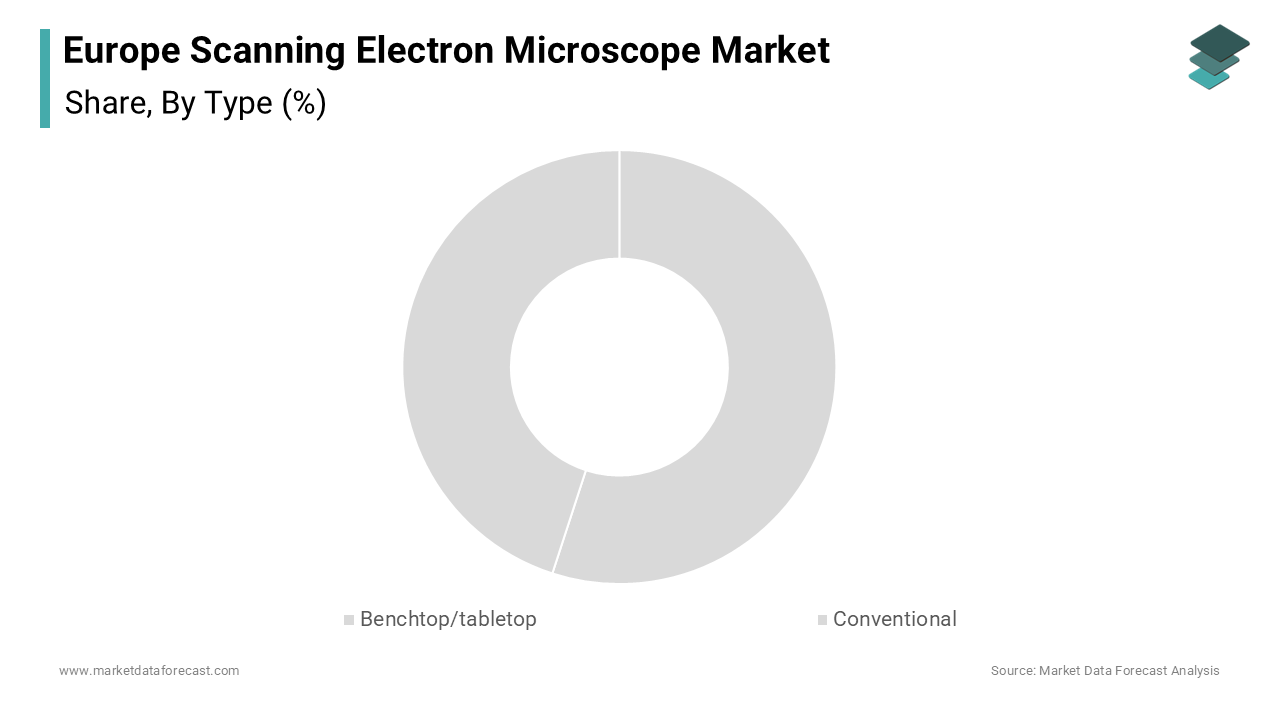
Competitive Dynamics and Sourcing Shifts: The market is dominated by established players (Carl Zeiss AG, Thermo Fisher Scientific, JEOL Ltd., Hitachi High-Tech, Leica Microsystems, Tescan Orsay Holding) competing on technology performance rather than price. However, benchtop SEMs register the fastest growth through democratization across teaching laboratories and SMEs—a segment with lower capital barriers and higher price sensitivity. This creates a secondary market opportunity for value-oriented resellers and refurbished equipment distributors targeting smaller institutions. The integration of AI-driven image analysis and automated workflows represents an emerging product differentiation angle; sellers can bundle software solutions or training services with hardware to capture margin expansion.
Policy Implementation Timeline and Compliance Costs: The European Chips Act funding extends through 2034, creating a 9-year demand window. However, high capital and operating costs restrict access for smaller institutions—a policy-driven constraint that benefits leasing and financing service providers. Sellers must account for dual-use export licensing timelines (typically 4-8 weeks for EU approvals) when planning order fulfillment. The convergence of AI with microscopy workflows is transforming SEMs into intelligent analytical platforms, creating opportunities for sellers to position as solution providers rather than equipment vendors—a strategic shift that improves customer lock-in and recurring revenue potential.
问题 8
What is the timeline for policy-driven demand in the SEM market?
The European Chips Act and Horizon Europe funding programs extend through 2034, creating a 9-year demand window for SEM equipment and related services. This extended policy timeline provides sellers with predictable, multi-year revenue visibility—a significant advantage over consumer-driven markets subject to demand volatility. Sellers should plan inventory, compliance infrastructure, and service capabilities to align with this 9-year funding cycle. The market is projected to grow from USD 1.70 billion (2025) to USD 3.63 billion (2034), representing a 113% expansion opportunity for sellers positioned to capture market share during this policy-driven growth period.
Which European countries represent the highest-value markets for SEM equipment sellers?
Germany leads the regional SEM market, followed by the United Kingdom, France, the Netherlands, and Switzerland—five high-value markets with coordinated public procurement processes and specialized capabilities in materials science, life sciences, and microelectronics research. Germany's leadership reflects its dominant position in semiconductor manufacturing and advanced materials research, making it the primary target market for equipment distributors. These five countries represent approximately 80-90% of European SEM market value, allowing sellers to concentrate resources on high-value procurement channels and government-funded research facilities. Sellers should prioritize compliance and distribution partnerships in these markets to maximize market penetration during the policy-driven growth period.