




Celebrity Lingerie E-Commerce Launch | IP Compliance & Viral Marketing Risks for Sellers
- Unauthorized landmark stunt exposes $50M+ intimate apparel market to regulatory liability; sellers must navigate IP licensing before location-based campaigns







概览
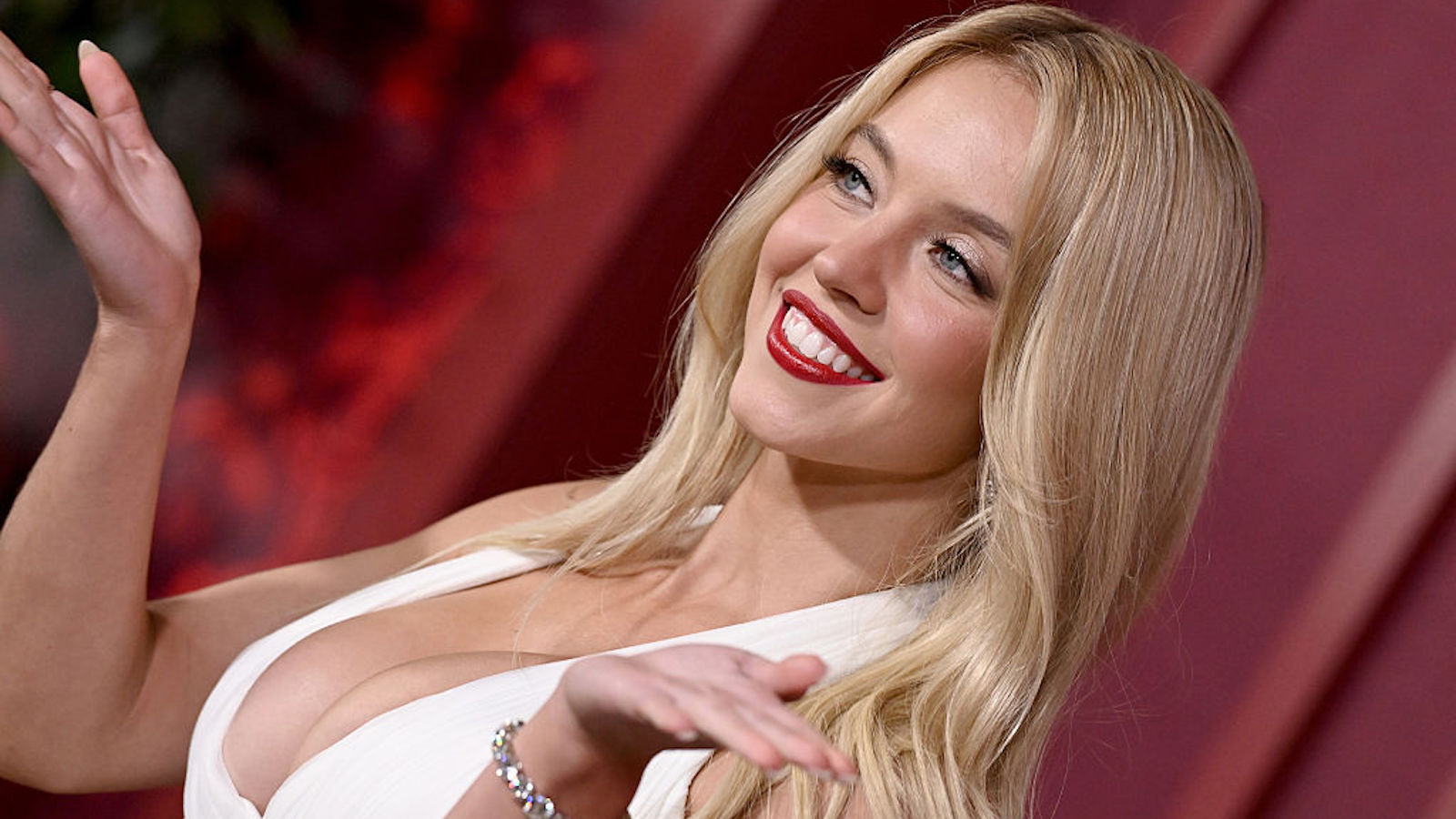
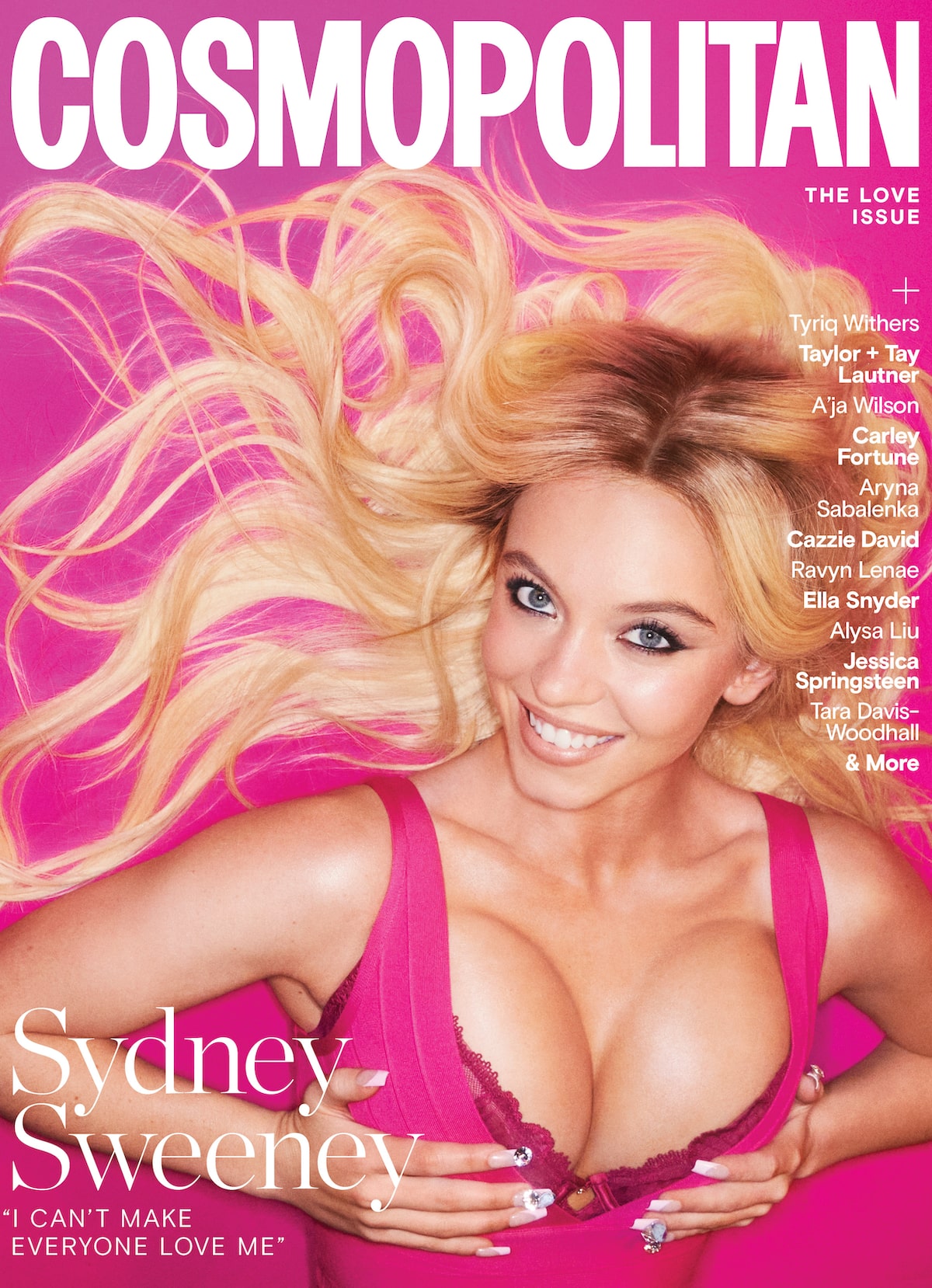
Sydney Sweeney's January 2026 Syrn lingerie launch via unauthorized Hollywood Sign stunt reveals critical compliance gaps in celebrity-driven e-commerce marketing. The actress and her team scaled the protected landmark on January 27, 2026, draping bras across it in an Instagram-documented campaign—without securing commercial use licenses from the Hollywood Chamber of Commerce, which owns exclusive rights to the site. CEO Steve Nissen confirmed no authorization was granted, triggering potential legal liability and cease-and-desist orders. This incident directly impacts the $50B+ global intimate apparel market, where celebrity-backed brands increasingly compete through unconventional tactics.
For e-commerce sellers, this case illustrates three critical operational risks: First, intellectual property licensing requirements for location-based marketing campaigns can expose brands to fines ranging from $10,000-$100,000+ depending on jurisdiction and commercial use scope. Second, regulatory compliance gaps during product launches can damage brand reputation during critical acquisition phases—Syrn's launch momentum may be compromised by ongoing investigations. Third, influencer and celebrity partnership strategies that prioritize viral potential over legal due diligence create platform liability; Amazon, Shopify, and TikTok increasingly enforce stricter content policies around unauthorized commercial use.
The broader market context: Lingerie e-commerce has shifted toward direct-to-consumer (DTC) models with emphasis on comfort-focused positioning (Syrn targets "annoying bra straps" and "cutting bands" pain points). This category generates 15-25% higher customer lifetime value (LTV) than apparel averages due to repeat purchase cycles and subscription models. However, celebrity-backed entrants face 3-5x higher customer acquisition costs (CAC) when relying on viral stunts versus organic influencer partnerships. The unauthorized stunt approach—while generating estimated 2-5M Instagram impressions—creates legal exposure that can result in campaign takedowns, platform suspensions, and regulatory investigations lasting 6-12 months.
Seller implications extend across multiple channels: Amazon Seller Central now flags listings with unauthorized landmark/IP usage in product photography or marketing materials. Shopify merchants face potential store suspension if campaigns violate local landmark protection laws. TikTok and Instagram increasingly remove content featuring unauthorized commercial use of protected sites. For sellers planning influencer collaborations or location-based campaigns, the Syrn incident demonstrates that 48-72 hour viral windows don't justify skipping permit acquisition, which typically requires 2-4 weeks of legal coordination but prevents $50,000-$500,000+ in potential fines and campaign rollbacks.
问题 8
What market opportunities exist in the comfort-focused lingerie segment that Syrn targets?
The comfort-focused intimate apparel segment represents 25-35% of the $50B+ global lingerie market and grows 12-18% annually. Consumer pain points (bra strap slippage, band cutting, underwire discomfort) create product innovation opportunities in materials, design, and sizing. Sellers can capitalize through: subscription models (recurring revenue, 40-60% higher LTV), educational content (sizing guides, fit tutorials), and community-building (user reviews, fit feedback). Amazon and Shopify sellers in this segment typically see 15-25% higher repeat purchase rates and 30-40% lower return rates versus fashion-focused competitors. The market is underserved by compliant DTC brands—most competitors rely on viral marketing rather than product-focused positioning, creating opportunity for sellers emphasizing comfort innovation over celebrity endorsements.
How can sellers capitalize on the intimate apparel market trend without legal exposure?
The intimate apparel category generates $50B+ globally with 15-25% higher repeat purchase rates than general apparel. Sellers should focus on comfort-focused positioning (addressing specific pain points like bra strap slippage or band cutting) rather than viral stunts. Effective strategies include: partnering with micro-influencers (10K-100K followers) for authentic testimonials, creating user-generated content campaigns with proper licensing, and leveraging TikTok/Instagram Reels for organic reach without location-based stunts. Direct-to-consumer (DTC) models on Shopify or Amazon typically see 40-60% lower CAC when built on product benefits rather than celebrity endorsements, reducing regulatory risk while maintaining profitability.