


Windows 11 AI Retreat 2025 | Seller Opportunity in Trust-First Computing
- Microsoft scales back Copilot integration, delays Windows Recall by 12 months, redirects engineering to core stability fixes affecting 1.4B+ Windows users and enterprise seller infrastructure














概览
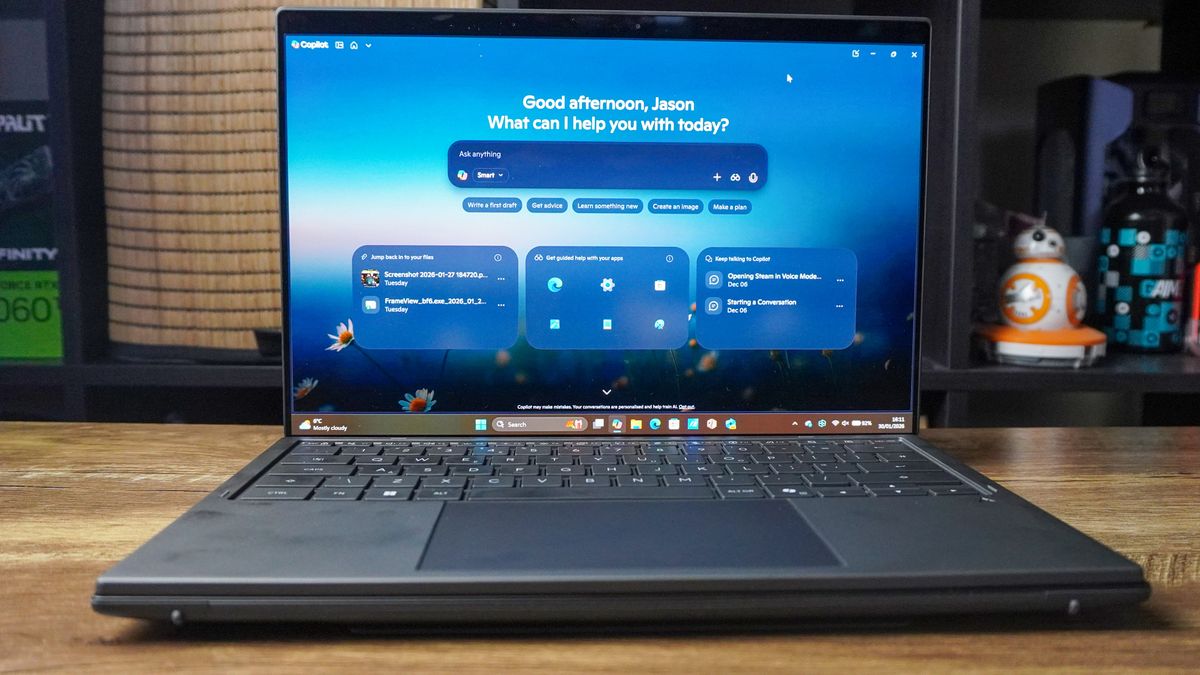
Microsoft's strategic reversal on Windows 11 AI integration represents a critical inflection point for e-commerce sellers relying on Windows-based business infrastructure. The company is significantly scaling back its aggressive Copilot deployment across Windows 11—including removal from taskbars, system menus, and applications—following widespread user backlash. Most critically, Windows Recall, the AI feature designed to capture and index all user activity for search, has been postponed by an entire year due to severe privacy and security vulnerabilities. This shift signals a fundamental recalibration: Microsoft is pivoting from "AI everywhere" to "optional, transparent AI" throughout 2025, with engineering resources redirected toward performance optimization, reliability fixes, and user experience restoration.
For e-commerce sellers, this creates immediate automation and data security opportunities. The news reveals that users actively developed third-party tools to disable Copilot features, indicating strong demand for privacy-preserving business software. Sellers managing inventory systems, customer databases, and financial records on Windows infrastructure can now expect more stable, less intrusive operating systems—reducing system crashes, forced updates, and performance degradation that currently cost small sellers 5-8 hours weekly in troubleshooting. The "swarming" approach (concentrated resource allocation toward fixing existing problems) means Microsoft will address File Explorer performance issues, dark mode functionality, and OneDrive integration problems that directly impact seller productivity. Windows 11's slower-than-expected adoption since 2021 release—compared to previous OS transitions—reflects enterprise and SMB seller hesitation, which Microsoft's trust-restoration initiative directly targets.
The competitive intelligence angle is substantial: sellers can now confidently invest in Windows-based business automation without fear of disruptive AI features compromising data security. Microsoft's acknowledgment that "aggressive AI integration without clear user value proposition damages brand loyalty" validates seller concerns about data privacy in AI-powered tools. This creates a 6-12 month window where sellers should audit their Windows infrastructure, migrate sensitive operations away from cloud-dependent features (OneDrive, Microsoft Account requirements), and implement local-first business tools. The 2025 focus on "core performance and reliability" means system stability improvements will reduce operational friction for sellers running accounting software, inventory management systems, and e-commerce platform integrations on Windows machines. Additionally, the Windows Recall postponement eliminates the risk of automatic activity logging that could expose competitive pricing strategies, supplier relationships, or customer data—a critical concern for sellers managing multi-channel operations.
问题 8
What AI automation opportunities emerge from Microsoft's measured approach to AI integration?
Microsoft's shift from aggressive AI deployment to optional, transparent features creates space for sellers to implement purpose-built AI tools for e-commerce operations. Rather than accepting Microsoft's pre-integrated Copilot, sellers can now deploy specialized AI for pricing optimization (dynamic pricing based on competitor data), inventory forecasting (demand prediction), and customer service automation (chatbots for order status inquiries). The Windows 11 stability improvements provide a reliable foundation for running these AI tools without system crashes or performance degradation. Sellers should evaluate AI SaaS platforms for product research automation, competitor price monitoring, and listing optimization—tools that integrate with Windows business software without requiring OS-level AI features. The 2025 focus on core stability means sellers can confidently invest in third-party AI automation without worrying about Microsoft's AI features interfering with their custom implementations. This represents a $2,000-5,000 annual investment opportunity per seller for AI-powered competitive advantage.
How does Windows 11's slower adoption rate impact seller software compatibility?
Windows 11's slower-than-expected adoption since 2021 (compared to previous OS transitions) means many e-commerce sellers still use Windows 10, creating a fragmented software ecosystem. Microsoft's trust-restoration initiative aims to accelerate Windows 11 adoption by fixing core usability issues—restrictive hardware requirements, controversial design changes, forced updates, and aggressive OneDrive integration. For sellers, this fragmentation means software vendors must support both Windows 10 and 11, reducing innovation speed. As Windows 11 adoption accelerates through 2025, sellers should plan OS upgrades for business machines, ensuring compatibility with inventory management, accounting, and e-commerce platform integrations. The hardware requirement changes (TPM 2.0, UEFI firmware) may require equipment upgrades for older machines, representing a $300-800 per-machine cost for sellers with 10+ workstations. Planning upgrades now, before adoption acceleration, allows sellers to spread costs across multiple quarters.