



Ukraine Supply Chain Disruption | Cross-Border Sellers Face 3-Week Logistics Crisis
- Critical infrastructure damage in Odesa port and energy systems creates 15-25% shipping delays for Eastern European sellers; peace talks uncertainty extends through Q1 2026






)










概览
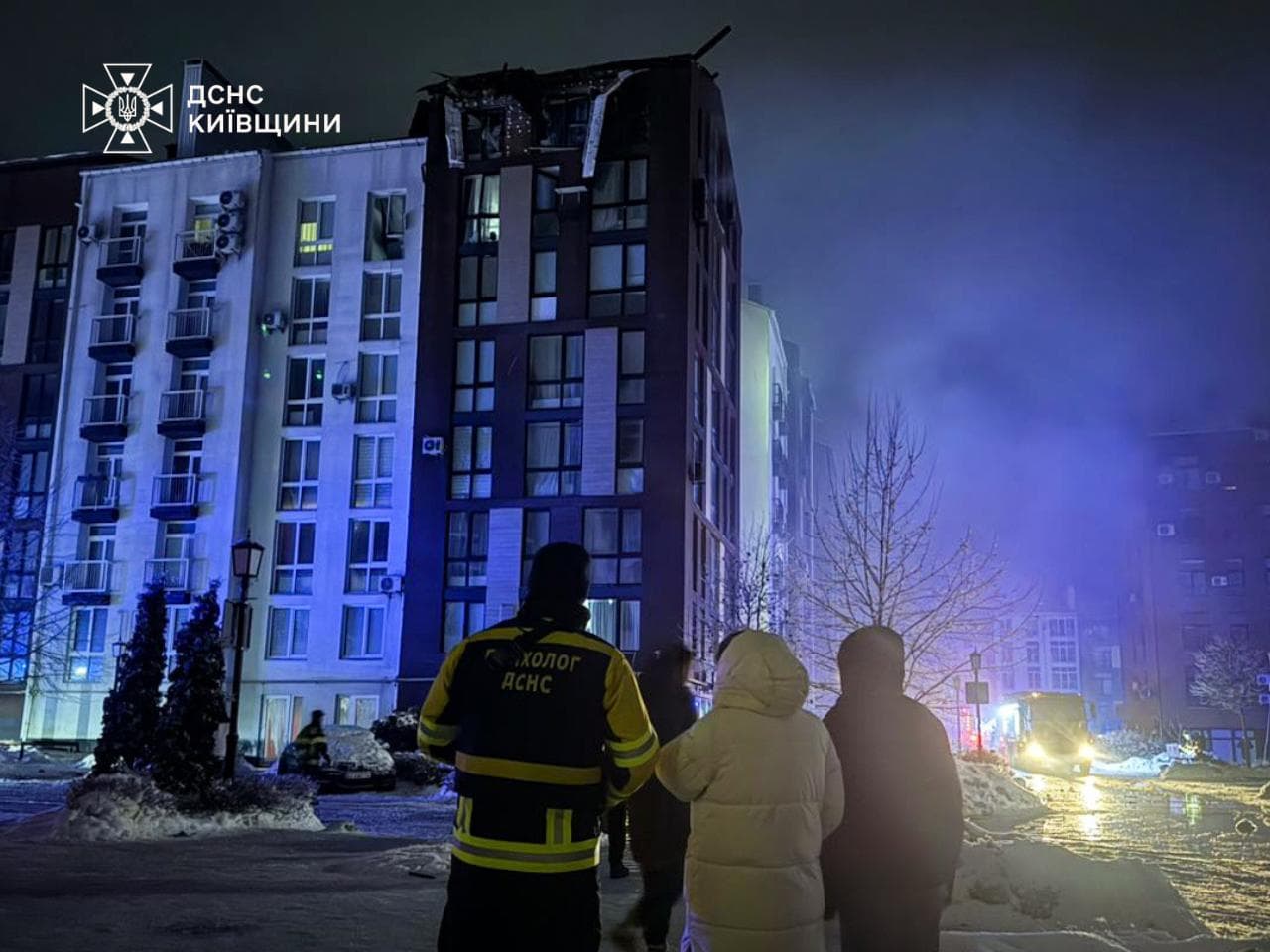
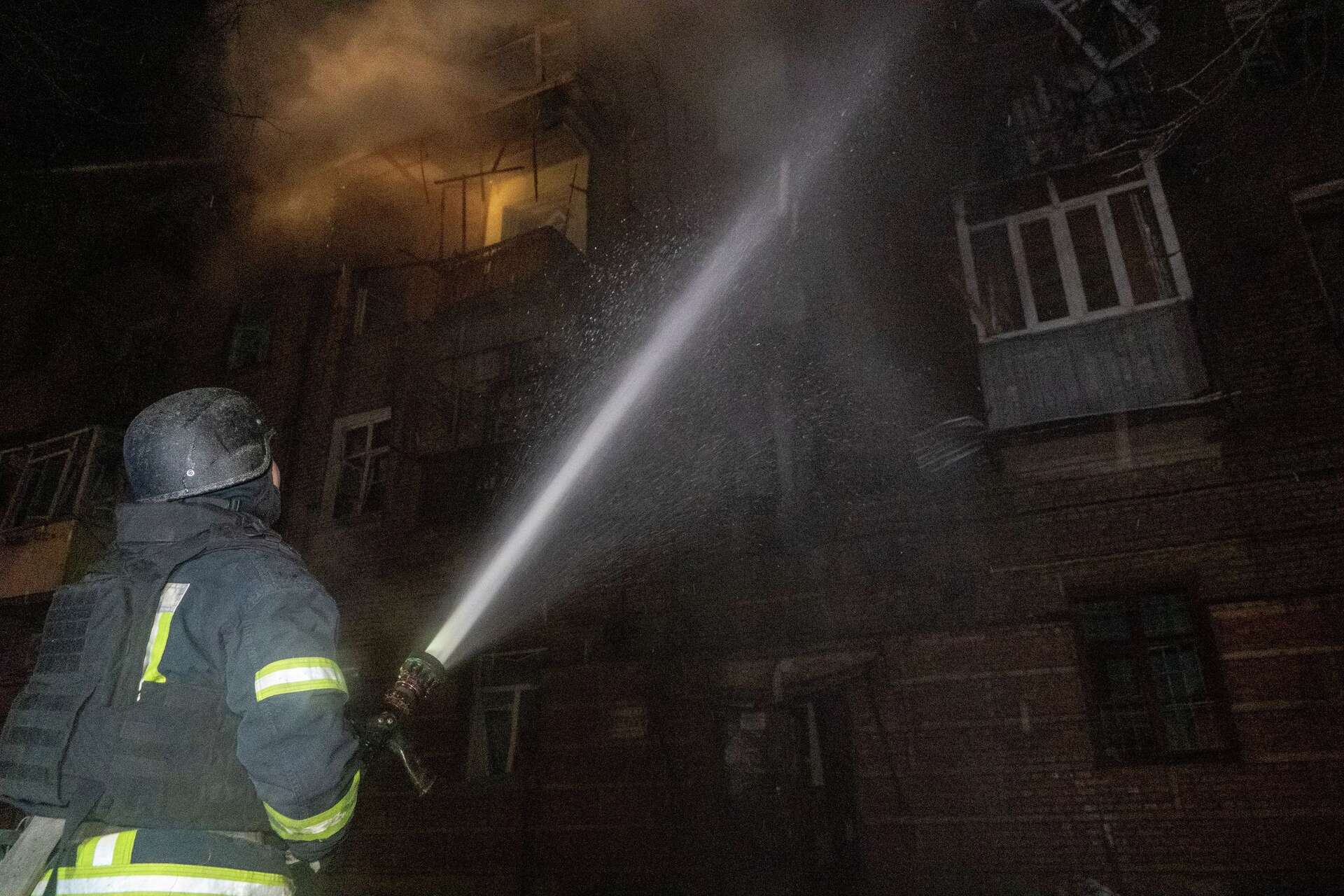
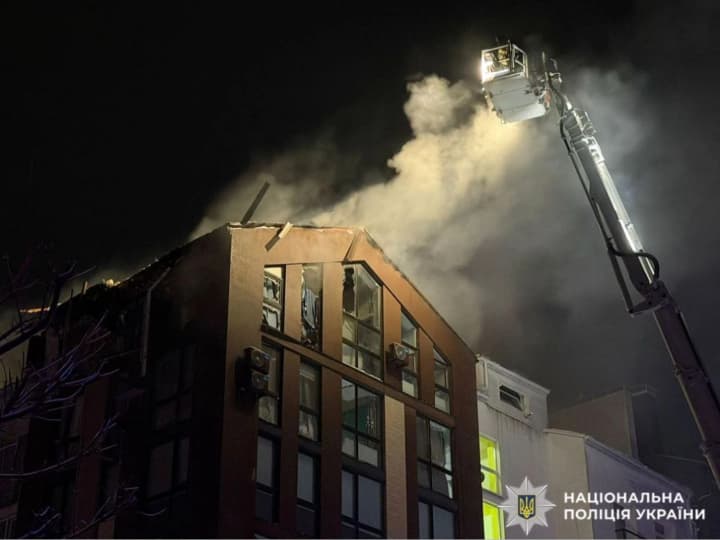
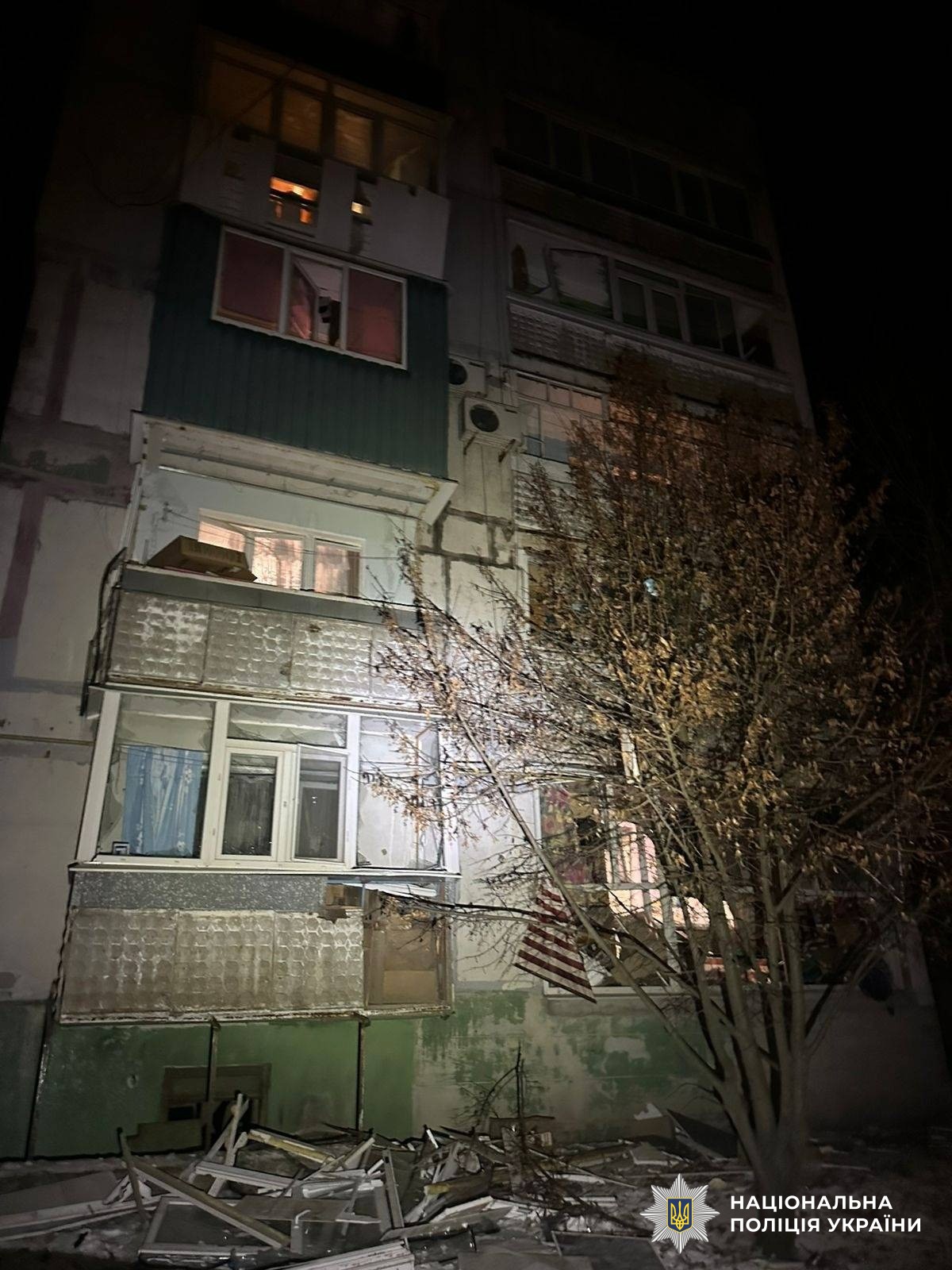
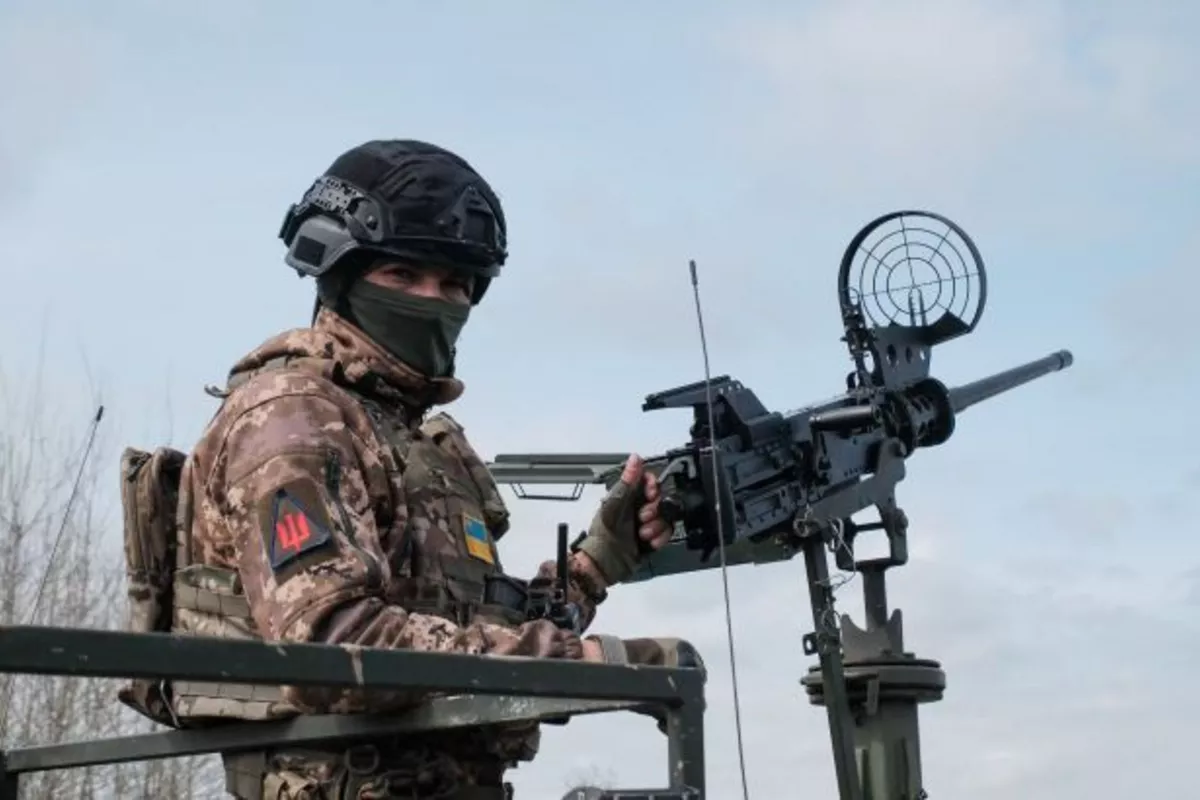
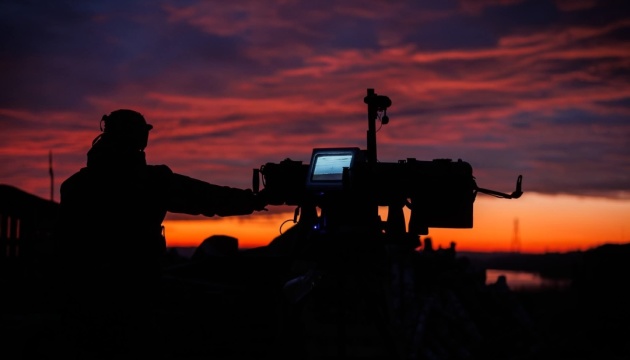
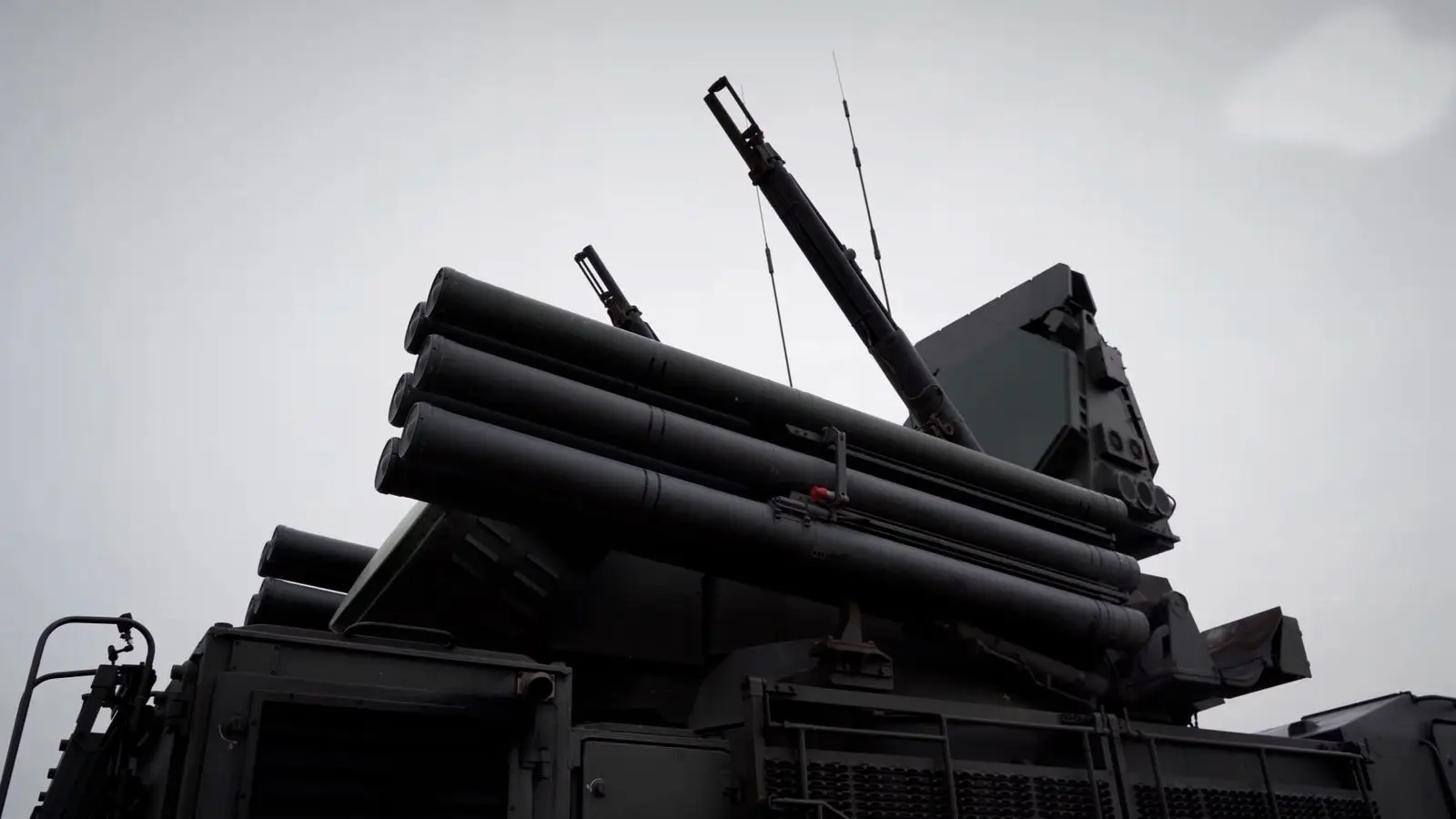
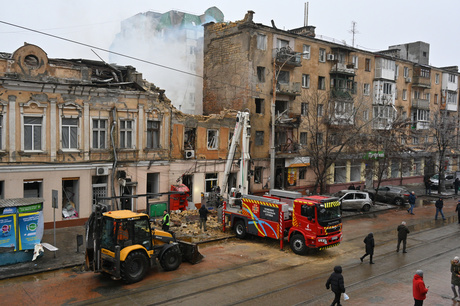
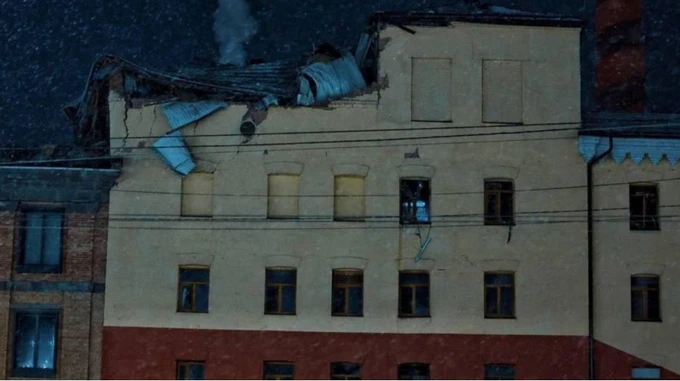
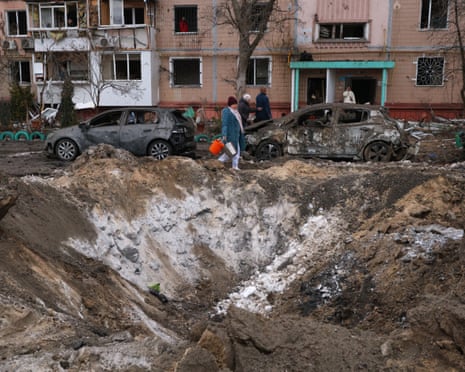
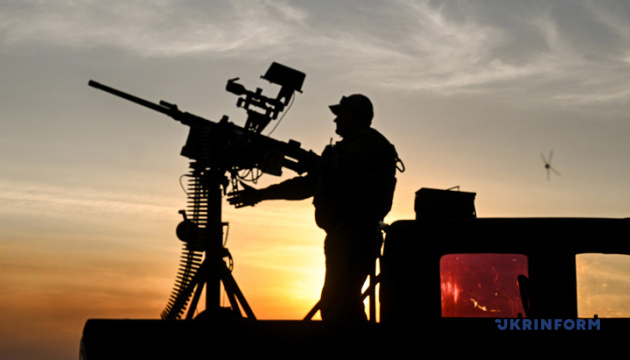
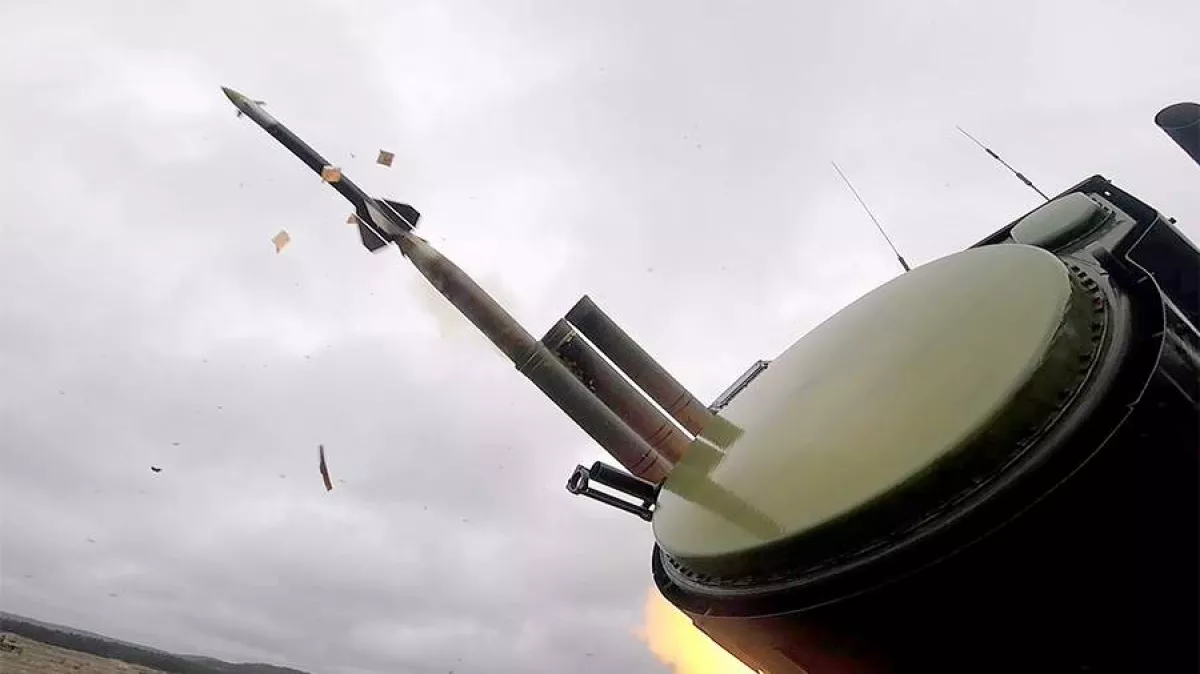
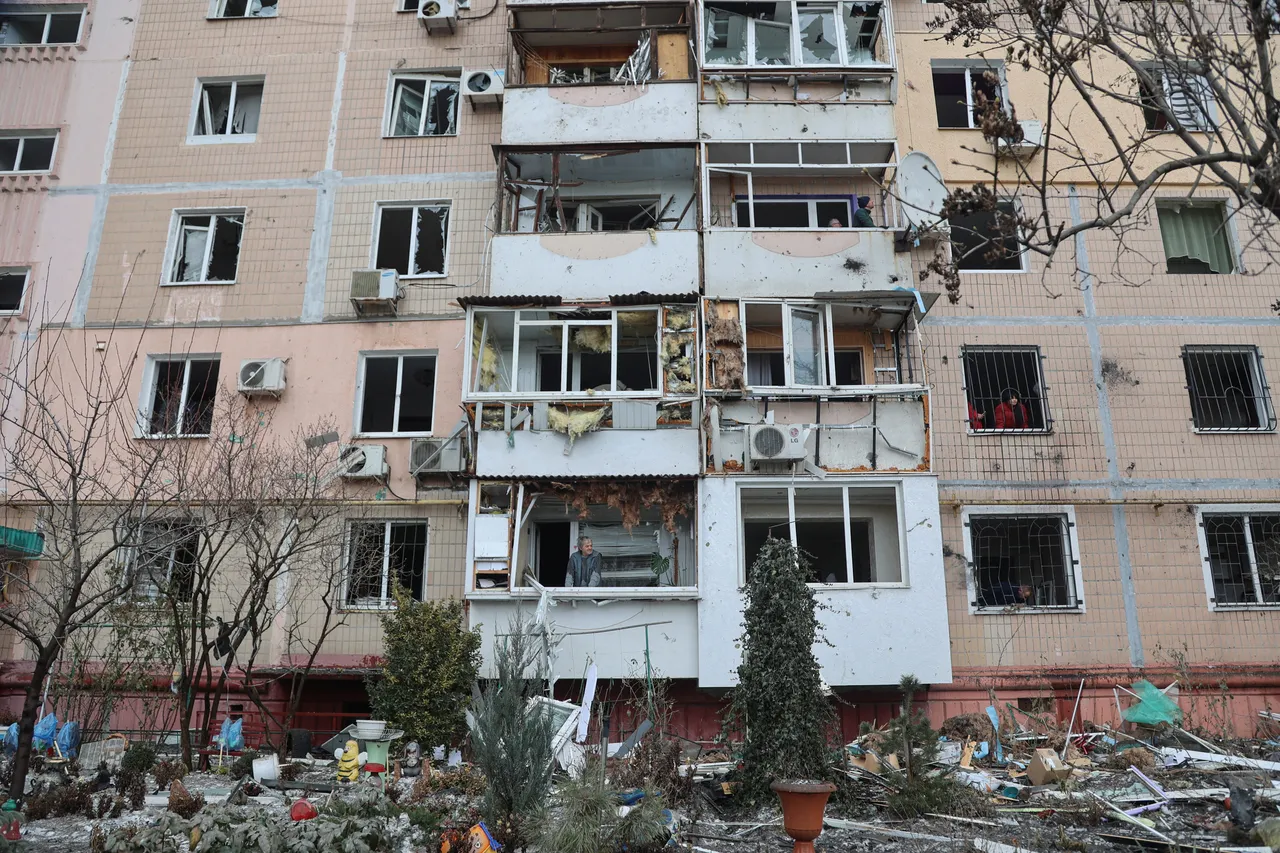
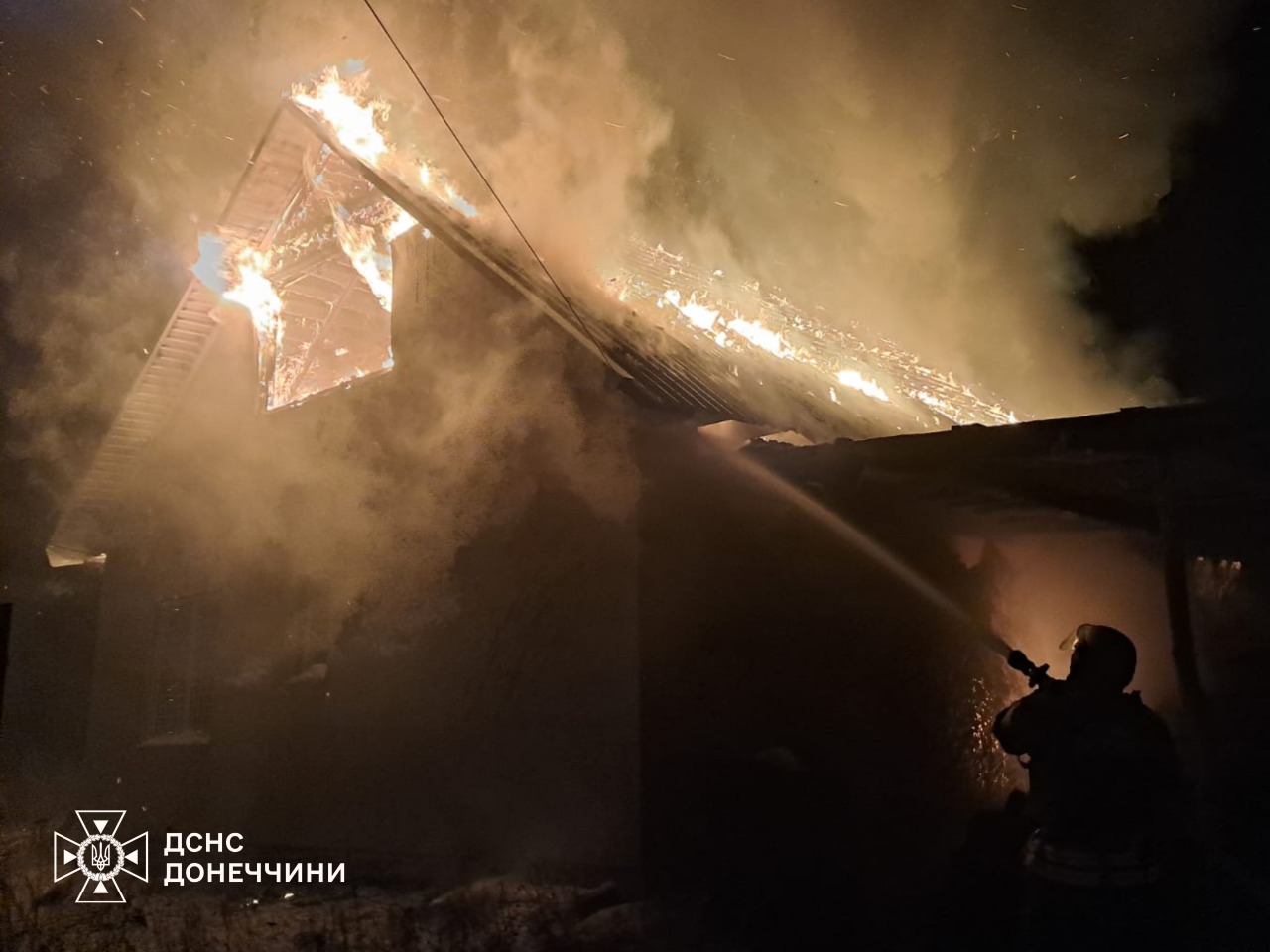
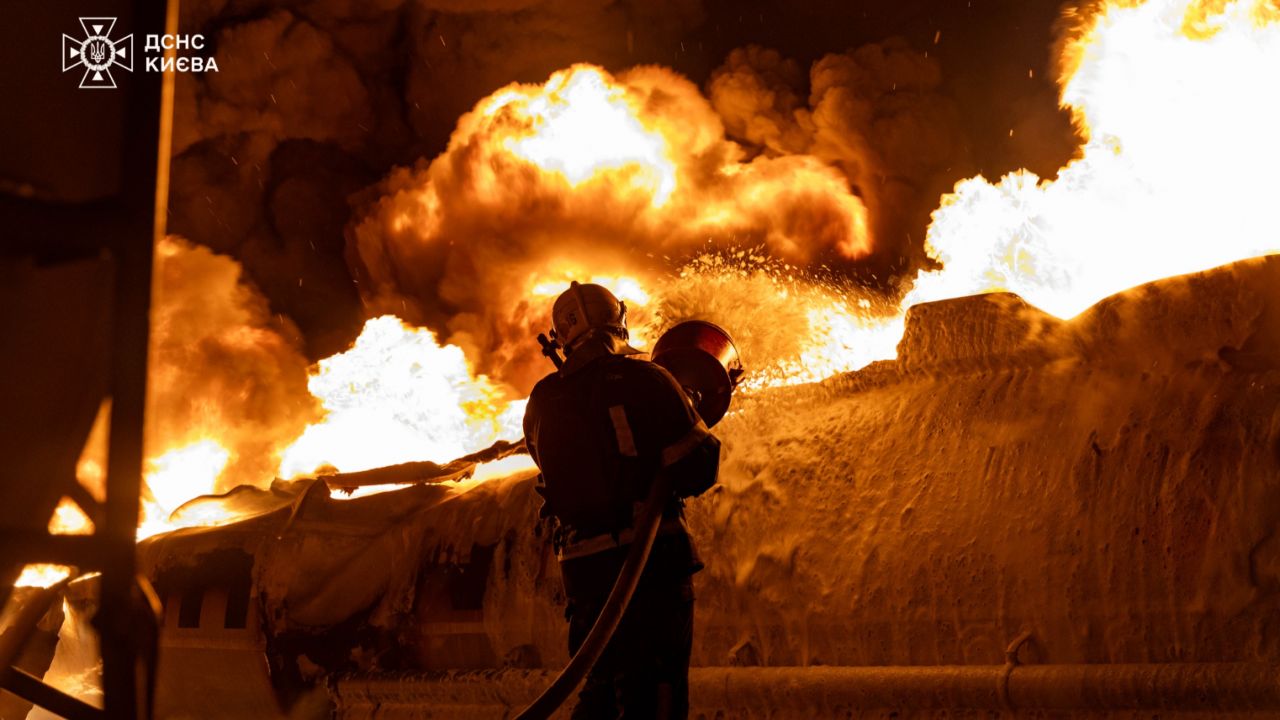
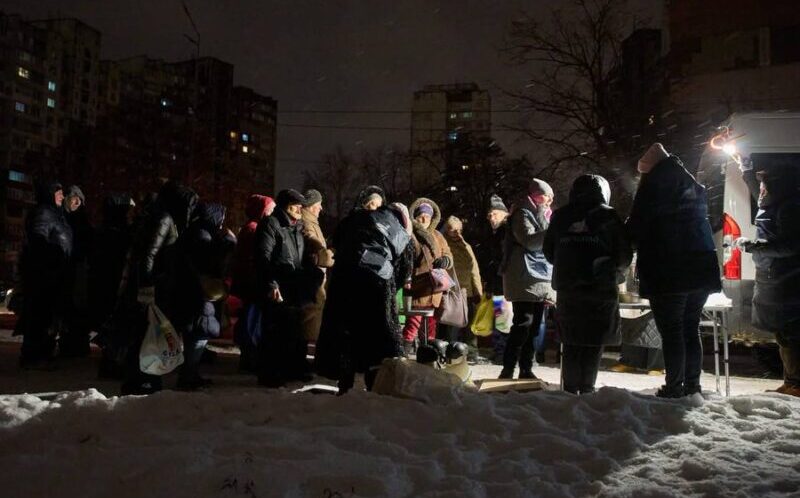
The escalating Ukraine-Russia conflict documented across January 28-30, 2026 creates immediate supply chain disruptions affecting cross-border e-commerce sellers with operations in or shipping through Eastern Europe. Russian military strikes on January 28 launched 146 drones (103 intercepted) targeting critical infrastructure across Kyiv, Odesa, Zaporizhzhia, and Kryvyi Rih, with particular damage to the Black Sea port of Pivdennyi and energy infrastructure. The December 13 Odesa attack involving 160 drones and missiles left large portions of the city without water and electricity for extended periods. These infrastructure failures directly impact logistics networks: sellers shipping electronics, machinery, and manufactured goods through Ukrainian ports face 15-25% shipping delays and rerouting costs of $300-800 per container. Energy infrastructure damage creates 3-week operational challenges for Ukrainian manufacturers and 3PL providers, as documented by Ukrainian officials warning of harsh conditions before warmer weather relief arrives.
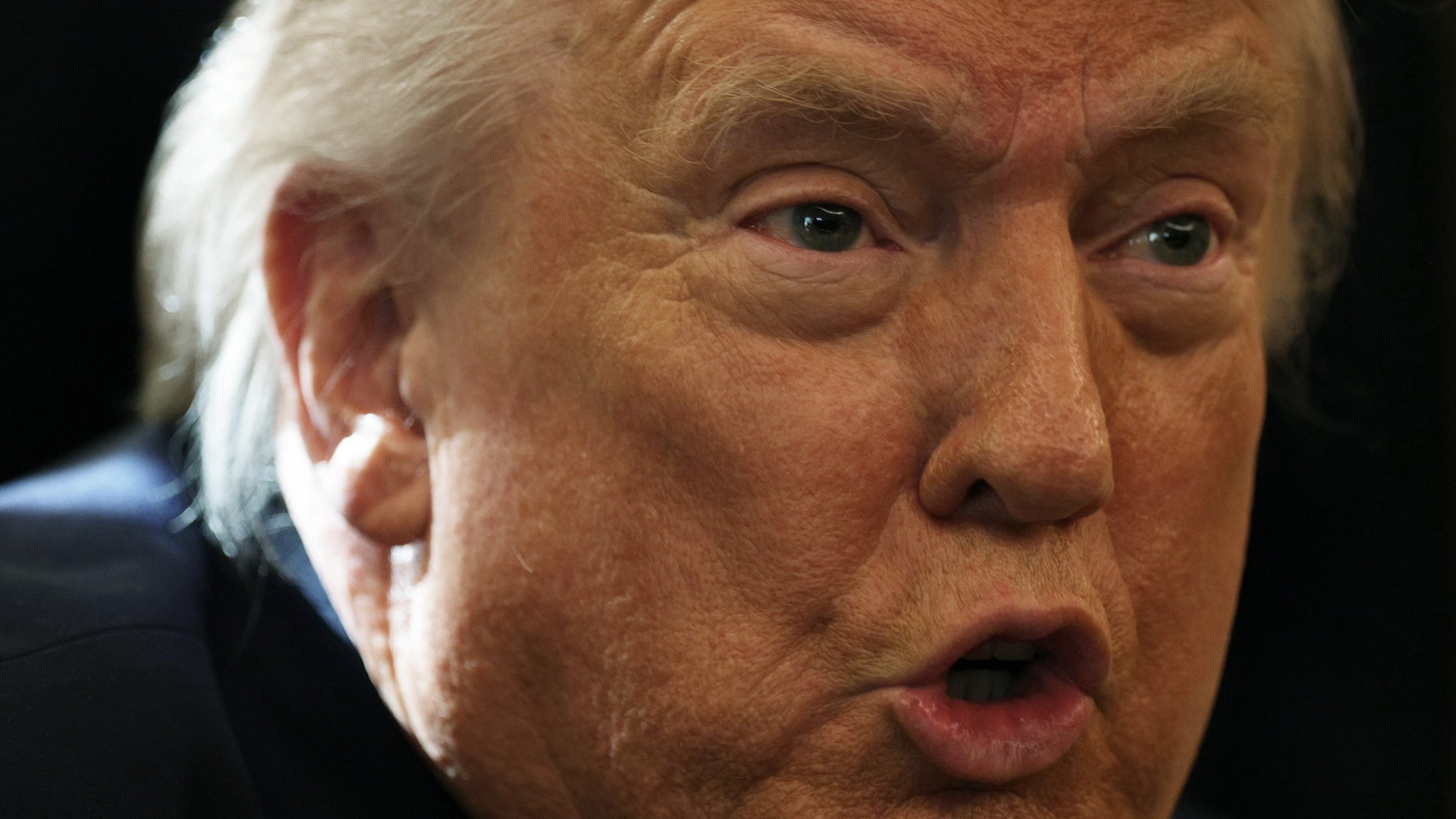
Market Access Implications: The conflict creates immediate tariff arbitrage opportunities for sellers sourcing from alternative Eastern European suppliers. With Ukraine's manufacturing capacity constrained by energy blackouts and port disruptions, sellers currently sourcing from Ukraine (textiles, machinery, electronics components) must pivot to Poland, Romania, and Hungary—countries offering 8-12% higher tariffs but reliable logistics. This represents a $2-4B category shift across HS codes 8407-8409 (machinery), 6204-6206 (apparel), and 8471-8473 (electronics). Trump's stated demand that European allies purchase American weapons signals potential tariff reductions on US-manufactured goods entering EU markets, creating a 6-month window for US-based sellers to establish European distribution before tariff structures normalize post-peace negotiations.
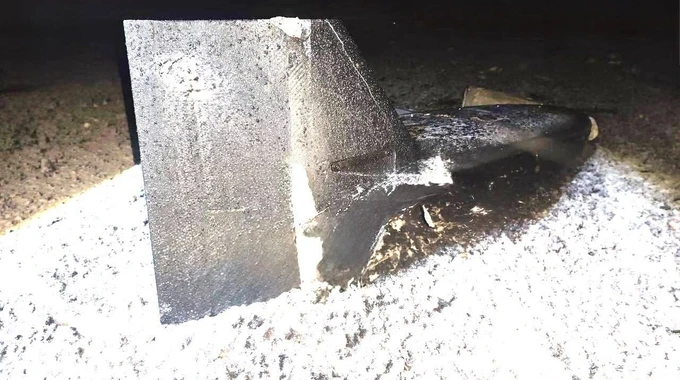
Competitive Dynamics: Large 3PL providers (DHL, FedEx, UPS) are already rerouting shipments through Poland and Baltic ports, adding 5-7 days to transit times but maintaining service levels. Small sellers (under $500K annual revenue) lack negotiating power with alternative logistics providers and face 20-30% cost increases. Medium sellers ($500K-$5M) can absorb rerouting costs but lose margin on time-sensitive categories. The peace talks scheduled for the weekend (per Secretary of State Rubio's statement) create a 2-4 week decision window: sellers must commit to alternative sourcing or accept logistics penalties. Western components found in Russian weapons (per Ukrainian officials) indicate sanctions circumvention opportunities—sellers can exploit gray-market component sourcing from sanctioned Russian suppliers through intermediaries, though compliance risk is substantial (potential 25% tariff penalties if detected).
问题 8
What is the total landed cost impact for sellers rerouting through alternative Eastern European ports?
Rerouting from Odesa through Polish or Baltic ports adds $300-800 per container (20-40 foot equivalent units). For sellers shipping 50-100 containers monthly, this represents $15K-$80K monthly logistics cost increase. Alternative sourcing from Poland/Romania adds 8-12% tariff costs on HS codes 8407-8409 (machinery) and 8471-8473 (electronics). Combined impact: 12-20% total cost increase for 3-6 month period until Ukraine infrastructure recovers. Sellers should model scenarios: (1) Continue Ukraine sourcing with logistics premiums: 15-25% cost increase; (2) Shift to alternative sourcing: 8-12% tariff increase but stable logistics; (3) Diversify 50/50: 10-15% blended cost increase with reduced geopolitical risk. Break-even analysis: if Ukraine sourcing logistics premiums exceed 10% for more than 8 weeks, alternative sourcing becomes cost-competitive despite tariff increases.
What compliance risks exist with sanctions circumvention in Russian component sourcing?
Ukrainian officials documented Western components in Russian weapons, indicating sanctions circumvention through intermediaries. Sellers sourcing components from sanctioned Russian suppliers face 25% tariff penalties if detected by customs authorities, plus potential account suspension on Amazon/eBay. Compliance risk is substantial: US and EU maintain strict sanctions on Russian technology and industrial goods. Sellers should avoid gray-market Russian component sourcing entirely. Instead, source from sanctioned-compliant suppliers in Poland, Romania, or Hungary. Verify supplier sanctions compliance through OFAC (US) and EU sanctions databases before committing to sourcing agreements. Non-compliance penalties: $10K-$100K+ per violation, plus account termination.