


China Military Restructuring 2026 | Supply Chain Risk & Geopolitical Tariff Shifts for Cross-Border Sellers
- Xi's military purge creates 12-18 month window of reduced Taiwan conflict risk, reshaping China-US trade dynamics and tariff uncertainty for sellers sourcing from mainland China

概览
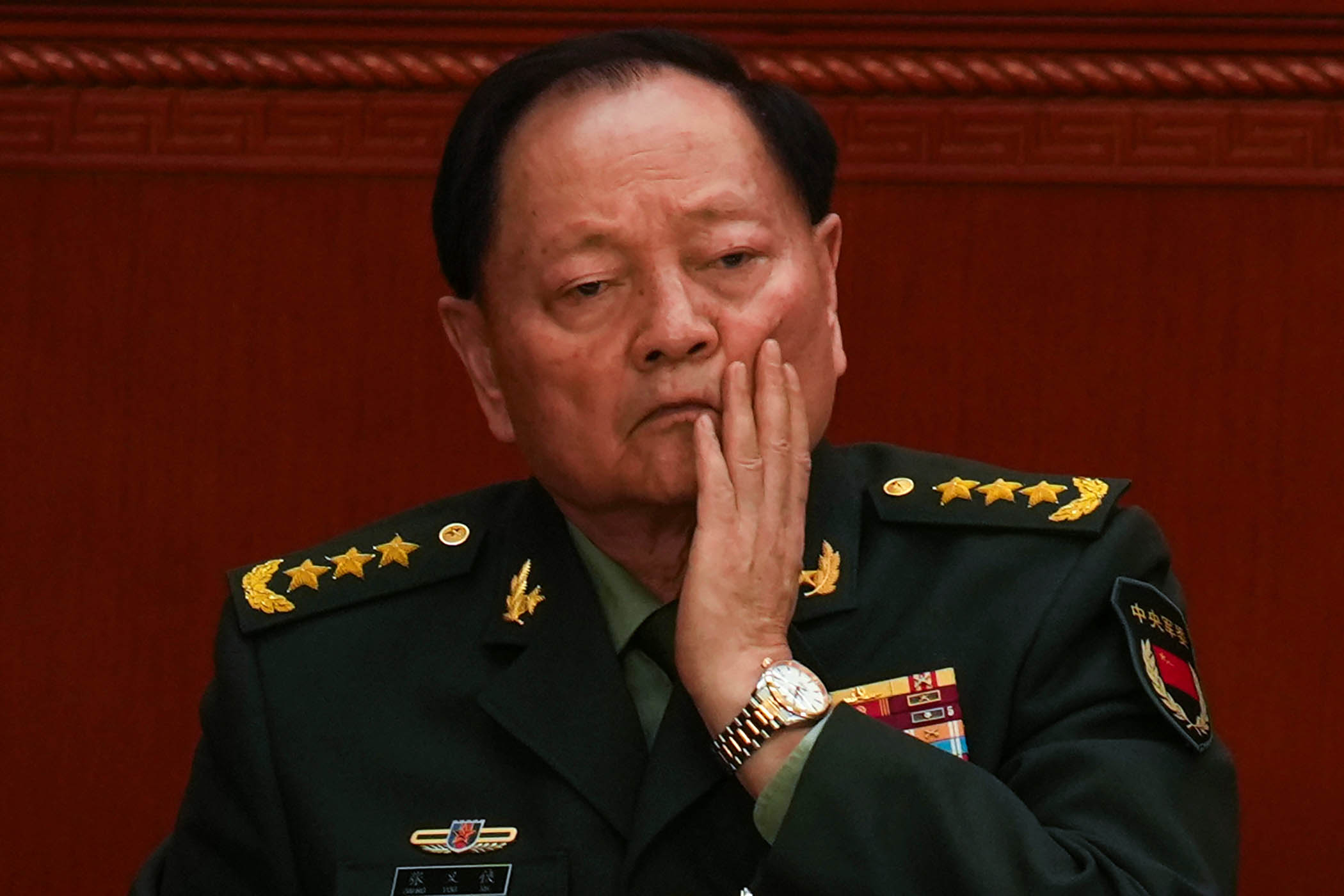
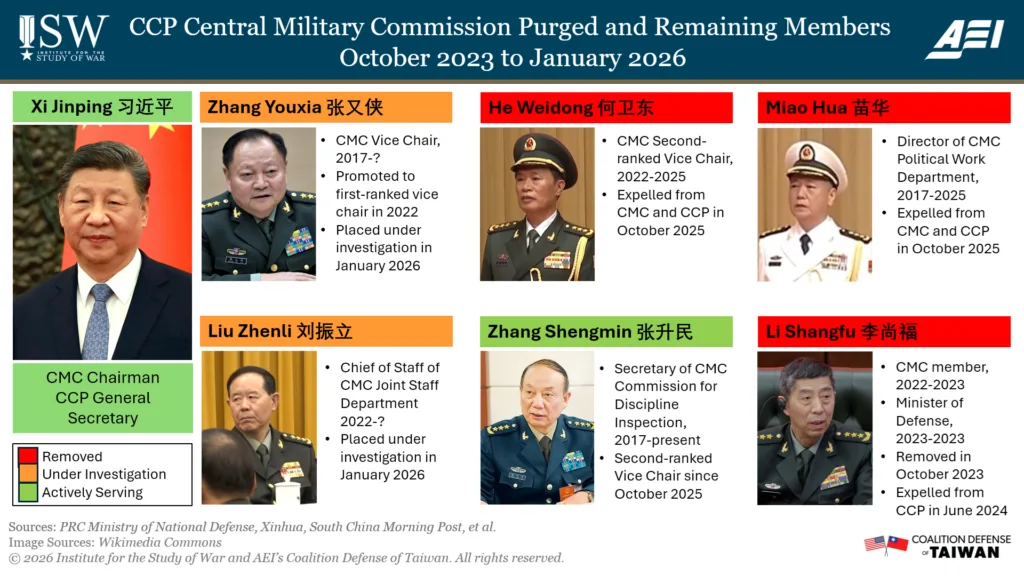
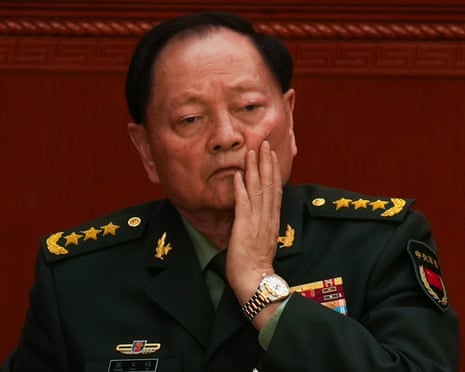
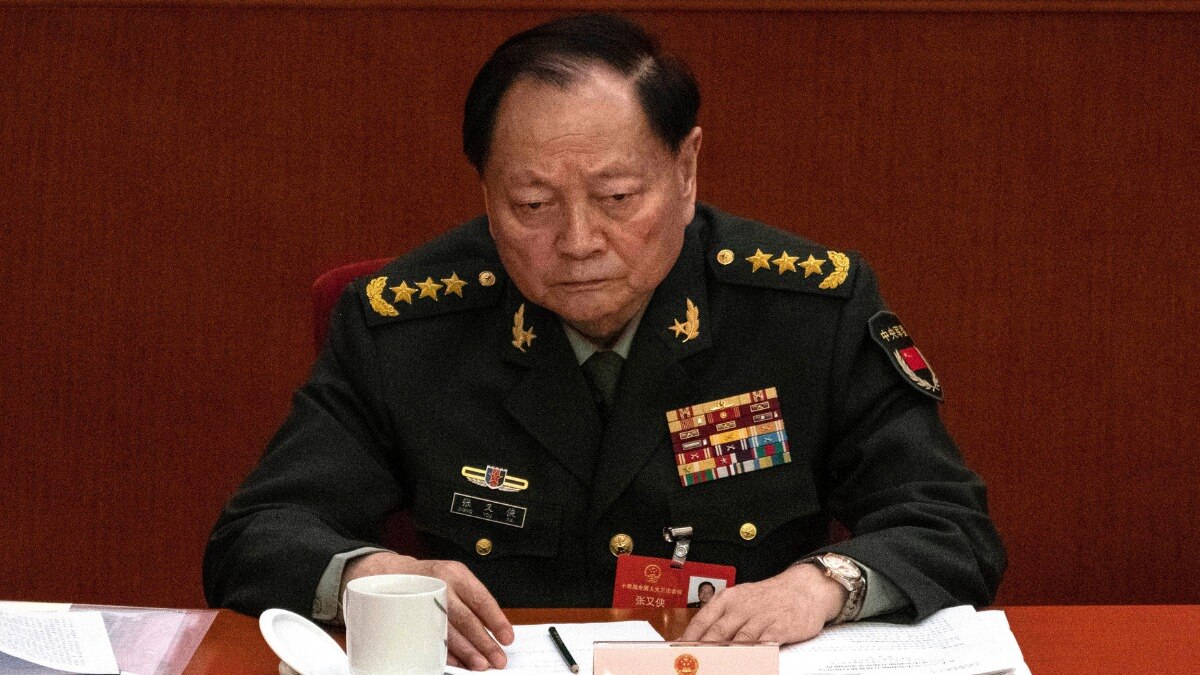
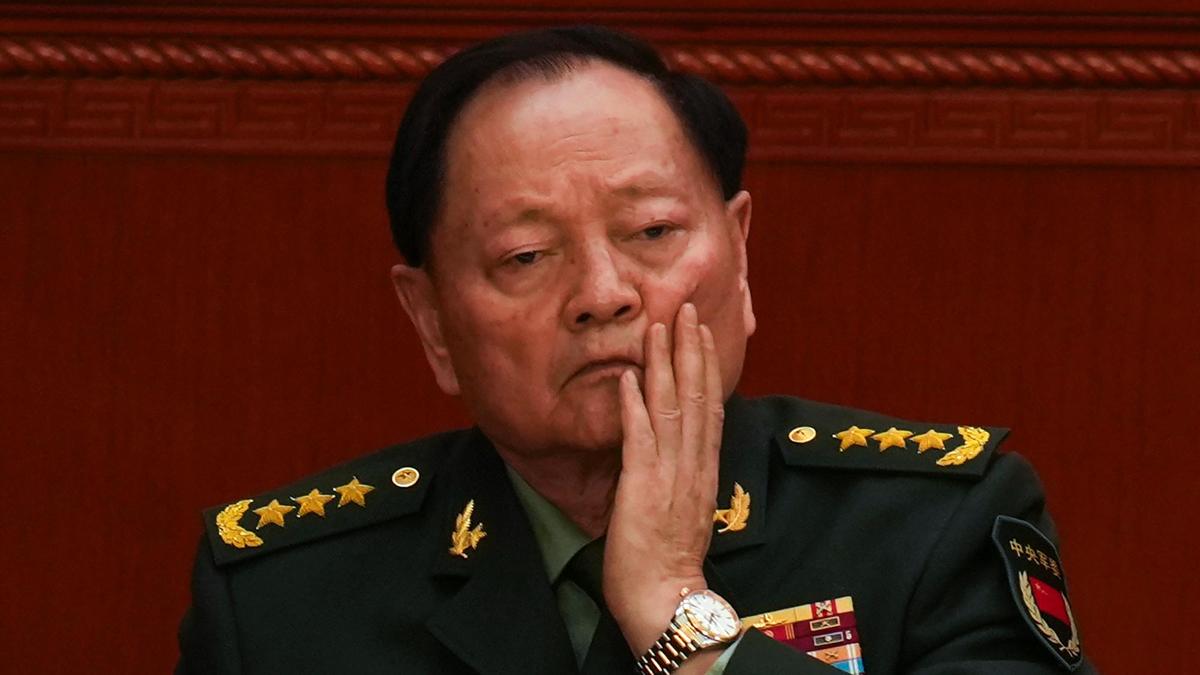
Xi Jinping's major military purge announced January 29-30, 2026, removing top generals including Zhang Youxia and Liu Zhenli, fundamentally reshapes geopolitical risk calculus for cross-border sellers. The purge—escalating a 2-3 year campaign against military elites involving dozens of generals—temporarily reduces immediate Taiwan conflict risk through 2027, according to National Chengchi University political science professor Kou Chien-wen. However, this creates a critical 12-18 month window of reduced military readiness that directly impacts tariff policy uncertainty and supply chain stability for sellers sourcing from mainland China.
Tariff Arbitrage Opportunity: The reduced military threat perception may delay aggressive US tariff escalations against Chinese imports through 2027, creating a narrow window for sellers to lock in current tariff rates on electronics (HS 8471-8517), machinery (HS 8401-8483), and textiles (HS 5208-6310). Sellers currently paying 15-25% tariffs on these categories should accelerate sourcing commitments before potential policy shifts post-2027 when military modernization milestones reset geopolitical tensions. The operational paradox Xi faces—consolidating political control while weakening military command cohesion—suggests policy instability rather than aggressive action, favoring predictable trade conditions through mid-2027.
Market Access Shifts: The hollowing out of PLA high command creates institutional uncertainty in China's defense procurement, potentially opening non-military manufacturing capacity for commercial export. Sellers in consumer electronics, appliances (HS 8509-8516), and industrial components should monitor capacity releases from defense contractors pivoting to civilian production. Vietnam and India sourcing alternatives become less urgent through 2027, allowing sellers to maintain China-centric supply chains at current cost structures ($0.15-0.35/unit lower than Vietnam alternatives in electronics assembly).
Competitive Dynamics: Large sellers with established China relationships gain 12-18 month advantage over new market entrants who would otherwise diversify sourcing. Medium-sized sellers (annual revenue $2-10M) face critical decision: lock in China sourcing through 2027 at current rates, or begin Vietnam/India transitions now to hedge 2027+ geopolitical risk. Small sellers (<$500K annual revenue) should maintain status quo, as sourcing diversification costs ($50-150K setup per country) exceed risk mitigation value in this shortened timeline.
Compliance Shortcuts: Sellers can legally accelerate inventory imports under current tariff schedules by pre-registering with US Customs (CBP Form 3461) for expedited processing, reducing 14-21 day clearance to 5-7 days. This timing arbitrage captures tariff certainty before potential policy recalibration post-2027 military modernization milestones.
问题 8
When should sellers expect tariff policy changes based on Xi's 2027 military milestone?
Xi has set 2027 as a milestone for military modernization and Taiwan invasion capability development, according to American intelligence officials cited in the news. This suggests tariff policy recalibration will likely occur post-2027 when military readiness assessments reset geopolitical risk calculations. Sellers should expect 6-12 months of policy uncertainty beginning Q3 2027 as US-China trade negotiations respond to updated military capability assessments. The military purge's impact on command cohesion creates institutional challenges through 2027, temporarily reducing conflict risk but increasing policy unpredictability. Sellers should monitor military modernization announcements starting Q2 2027 and prepare contingency sourcing strategies for potential tariff escalations in late 2027 or early 2028.
What is the competitive advantage for large sellers versus small sellers?
Large sellers (>$10M annual revenue) with established China relationships gain 12-18 month advantage over new market entrants through the geopolitical stability window. They can lock in supplier relationships, negotiate volume discounts, and accelerate inventory positioning before 2027 policy shifts. Medium sellers ($2-10M) face critical sourcing decisions with limited resources for diversification. Small sellers (<$500K) should maintain China focus, as sourcing diversification costs ($50-150K per country) exceed risk mitigation value in this shortened timeline. The news indicates Xi's military purge weakens command cohesion while consolidating political control, creating policy uncertainty rather than immediate conflict—favoring sellers with existing supply chain infrastructure and capital to execute rapid pivots if 2027 conditions shift.