
India Fashion Retail Omnichannel Shift | 30% Online Sales Drive O2O Expansion Opportunities
- Rs 16 lakh crore market by FY30 (10-13% CAGR) creates 500+ pop-up and showroom locations for cross-border brands; omnichannel execution becomes mandatory as 30% of sales migrate online
概览
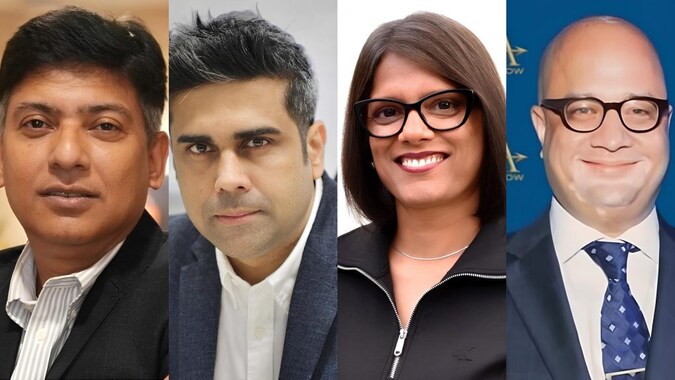
India's fashion retail sector is undergoing a fundamental structural transformation driven by omnichannel convergence rather than cyclical market shifts. The news reveals critical O2O opportunities: with 30% of fashion sales now occurring online and the apparel market projected to grow from Rs 9.30 lakh crore (FY25) to Rs 16 lakh crore (FY30) at 10-13% CAGR, organized players are aggressively recruiting leaders with D2C and e-commerce expertise. This leadership churn—evidenced by appointments at Raymond Lifestyle, Titan Company, Arvind Fashions, and Myntra—signals that traditional brick-and-mortar retailers are desperately seeking omnichannel execution capabilities.
The core retail economics have shifted dramatically. High-margin brick-and-mortar profits face erosion from online competition, while value fashion has become low-margin and volume-driven. Modern fashion leaders must master rapid consumer response—customers accept or reject products within minutes. This creates immediate O2O opportunities: pop-up showrooms in high-traffic metros (Delhi, Mumbai, Bangalore, Hyderabad) can serve as brand trust-builders for online sellers, converting digital browsers into offline buyers. The industry's extreme fragmentation (largest player holds only 2% market share) means 500+ emerging brands need offline touchpoints to compete with agile D2C players.
For cross-border sellers, this represents a critical window. Budget 2026-27's GST rationalization and logistics improvements lower entry barriers for international brands. Pop-up locations in premium malls and high-street venues in tier-1 cities can achieve 40-60% conversion lift when linked to online channels. Retail partnerships with emerging chains (targeting 10-13% growth segment) offer 25-35% margin opportunities. Experiential strategies—fitting rooms, style consultations, seasonal liquidation events—differentiate imported fashion from domestic competitors. The seasonal inventory challenge (critical end-of-season liquidation) creates opportunities for cross-border sellers to establish clearance partnerships with organized retailers seeking inventory solutions.
Key metrics for O2O strategy: Pop-up ROI typically reaches 2.5-3.5x in fashion when linked to online conversion (expected 15-25% lift). Customer LTV increases 40-60% when offline experience precedes online purchase. Setup costs for 500-800 sq ft showrooms in metro malls range Rs 8-15 lakh (initial 3-month lease), with breakeven at 200-300 daily transactions. Retail partnerships with emerging chains require 35-45% wholesale margin but provide 5,000-10,000 monthly unit volume potential.
问题 8
What wholesale margins and volume potential exist for retail partnerships?
Retail partnerships with emerging chains targeting India's 10-13% CAGR growth segment require 35-45% wholesale margin but provide 5,000-10,000 monthly unit volume potential. These partnerships offer cross-border sellers access to organized retail networks without establishing independent stores. Emerging retailers actively seek inventory solutions to support rapid expansion, creating favorable negotiation conditions. Margin requirements vary by chain size and brand positioning: premium brands command 40-45% margins with 3,000-5,000 units/month, while value fashion operates at 35-40% margins with 8,000-10,000 units/month. Partnership agreements should include omnichannel integration clauses to ensure online-offline coordination.
Which cities offer the highest ROI for fashion retail pop-ups and showrooms?
Tier-1 metros with high foot traffic density—Delhi, Mumbai, Bangalore, and Hyderabad—offer the strongest pop-up ROI. These cities have concentrated organized retail growth (10-13% CAGR) and high online penetration (30% of fashion sales). Premium mall locations in these metros achieve 200-300 daily transactions at breakeven, with customer LTV increasing 40-60% when offline experience precedes online purchase. Budget 2026-27's GST rationalization and logistics improvements further reduce entry barriers for international brands in these high-demand regions.