



Big Tech & Consumer Earnings Week Feb 2026 | Critical Signals for E-Commerce Sellers
- Amazon, Google, PayPal earnings reveal AI spending, AWS growth, and advertising trends affecting 2M+ cross-border sellers globally



















概览
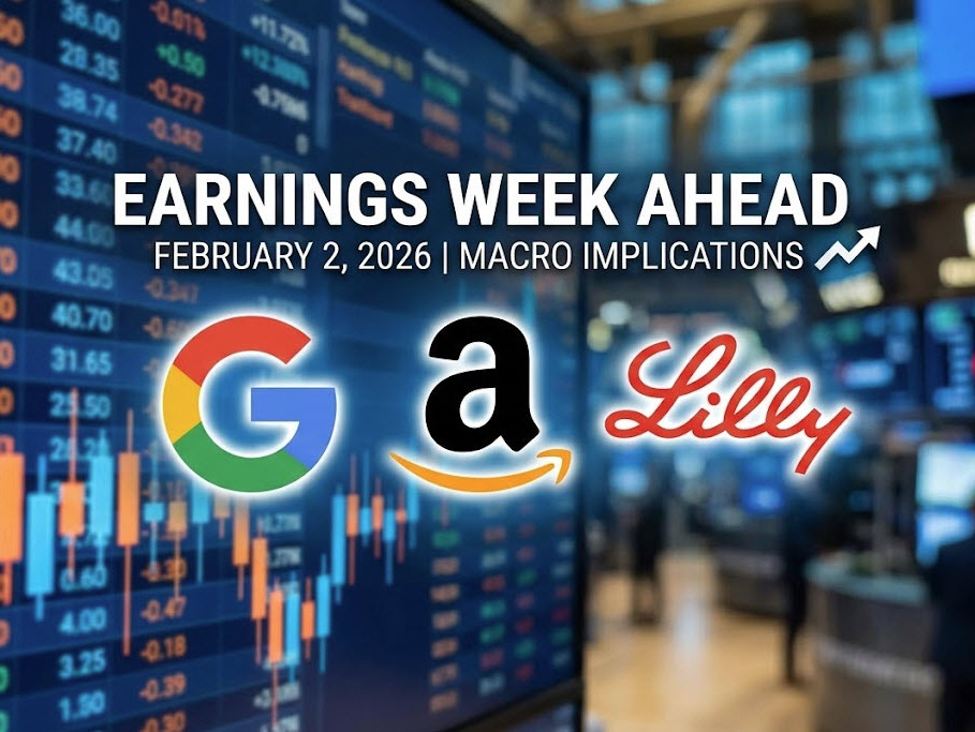
Amazon, Google, PayPal, and Disney earnings reports (February 1-7, 2026) will directly signal platform investment priorities and consumer spending resilience—critical intelligence for 2M+ cross-border e-commerce sellers. The Seeking Alpha earnings calendar highlights that Amazon's results will expose AI investment levels, cost management effectiveness, and AWS performance, while Google's Gemini AI adoption rates and Google Cloud growth momentum will determine advertising ROI for sellers using Google Shopping and YouTube ads. PayPal's earnings reveal payment processing trends and fintech competition, affecting seller payment processing costs and checkout conversion rates across marketplaces.
For Amazon sellers specifically, AWS performance metrics directly correlate with FBA infrastructure costs and fulfillment speed. If Amazon reports aggressive AI infrastructure spending, expect potential FBA fee increases in Q2-Q3 2026 to offset capex. Conversely, cost management effectiveness signals could indicate stable or reduced fulfillment fees. The earnings will also reveal Amazon's DTC (direct-to-consumer) strategy momentum—if Amazon reports strong third-party seller growth, it signals confidence in marketplace expansion, potentially opening new category opportunities. Sellers should monitor AWS guidance for cloud computing cost trends, as these directly impact Amazon's operational margins and fee structures.
Google's Gemini AI adoption rates directly affect Google Shopping campaign performance and PPC costs. Strong Gemini adoption indicates Google will accelerate AI-powered ad targeting, potentially increasing competition for ad placements and raising cost-per-click (CPC) for sellers in competitive categories (electronics, apparel, home goods). Disney's DTC business improvement signals consumer spending resilience in discretionary categories—sellers in entertainment merchandise, collectibles, and licensed products should expect sustained demand. Philip Morris's ZYN nicotine pouch expansion and MRTP approval progress reveals regulatory tailwinds for restricted product categories, signaling potential marketplace policy shifts on age-gated products and compliance requirements.
Immediate seller actions: Monitor Amazon's earnings call for FBA fee guidance (Feb 1-3); track Google's CPC trend forecasts for Q1-Q2 2026; assess PayPal's payment processing fee announcements. Strategic adjustments: If AWS costs rise, evaluate 3PL alternatives for 20-30% of inventory; if Google CPC increases, shift 15-20% budget to Amazon Advertising and Walmart Ads. Risk mitigation: Restricted product sellers should prepare for potential compliance requirement changes following Philip Morris earnings; monitor Disney earnings for entertainment category demand signals to adjust inventory allocation.
问题 8
What should sellers do immediately after earnings announcements?
Within 24-48 hours of earnings releases (Feb 1-7, 2026), sellers should: (1) Review Amazon's earnings call transcript for FBA fee guidance and AWS cost trends; (2) Check Google's earnings for Gemini AI rollout timeline and CPC impact forecasts; (3) Monitor PayPal's merchant fee announcements; (4) Assess Disney earnings for entertainment category demand signals. Create a response checklist: if FBA fees increase, request 3PL quotes by Feb 15; if Google CPC rises, reallocate budget by Feb 20; if PayPal fees change, update pricing by Feb 28. Set calendar reminders for earnings call dates and create a tracking spreadsheet for fee/cost changes to monitor impact on margins quarterly.
How will Philip Morris earnings affect restricted product sellers?
Philip Morris's earnings will reveal ZYN nicotine pouch expansion progress and Modified Risk Tobacco Product (MRTP) approval momentum. Strong MRTP approval progress signals regulatory tailwinds for age-gated and restricted products, potentially leading to Amazon and eBay policy relaxation on nicotine pouch listings. However, sellers should expect stricter compliance requirements (age verification, state-level restrictions) before policies change. Restricted product sellers should: (1) prepare for enhanced compliance documentation; (2) monitor state-level regulatory changes following MRTP approvals; (3) evaluate marketplace policy updates post-earnings; (4) ensure age-gating systems are compliant with evolving regulations.