


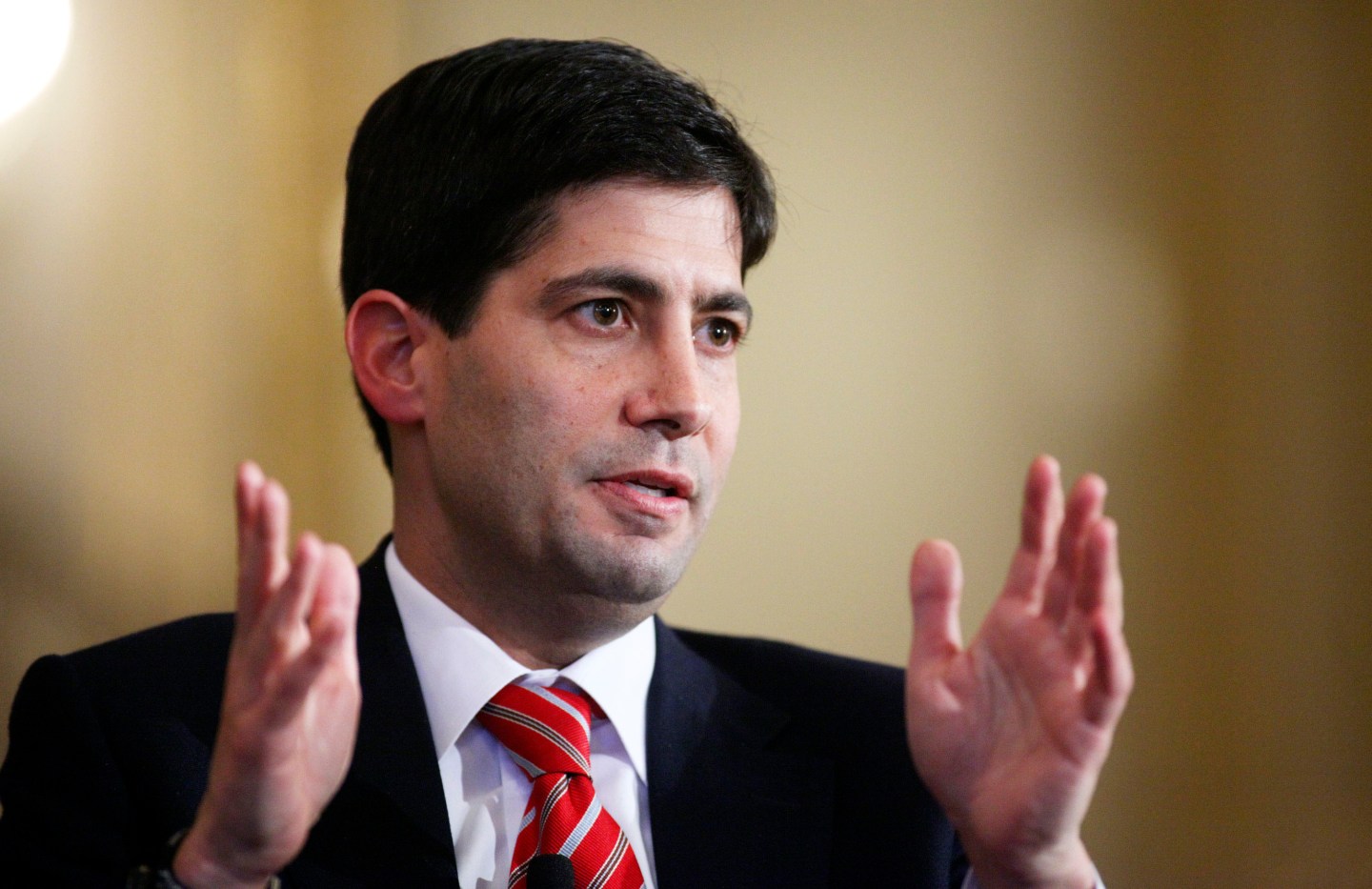



Warsh Fed Nomination Reshapes 2026 Monetary Policy | Cross-Border Seller Impact
- $6.6T balance sheet unwinding, 1-2 rate cuts expected, currency volatility affects international e-commerce costs and margins












概览
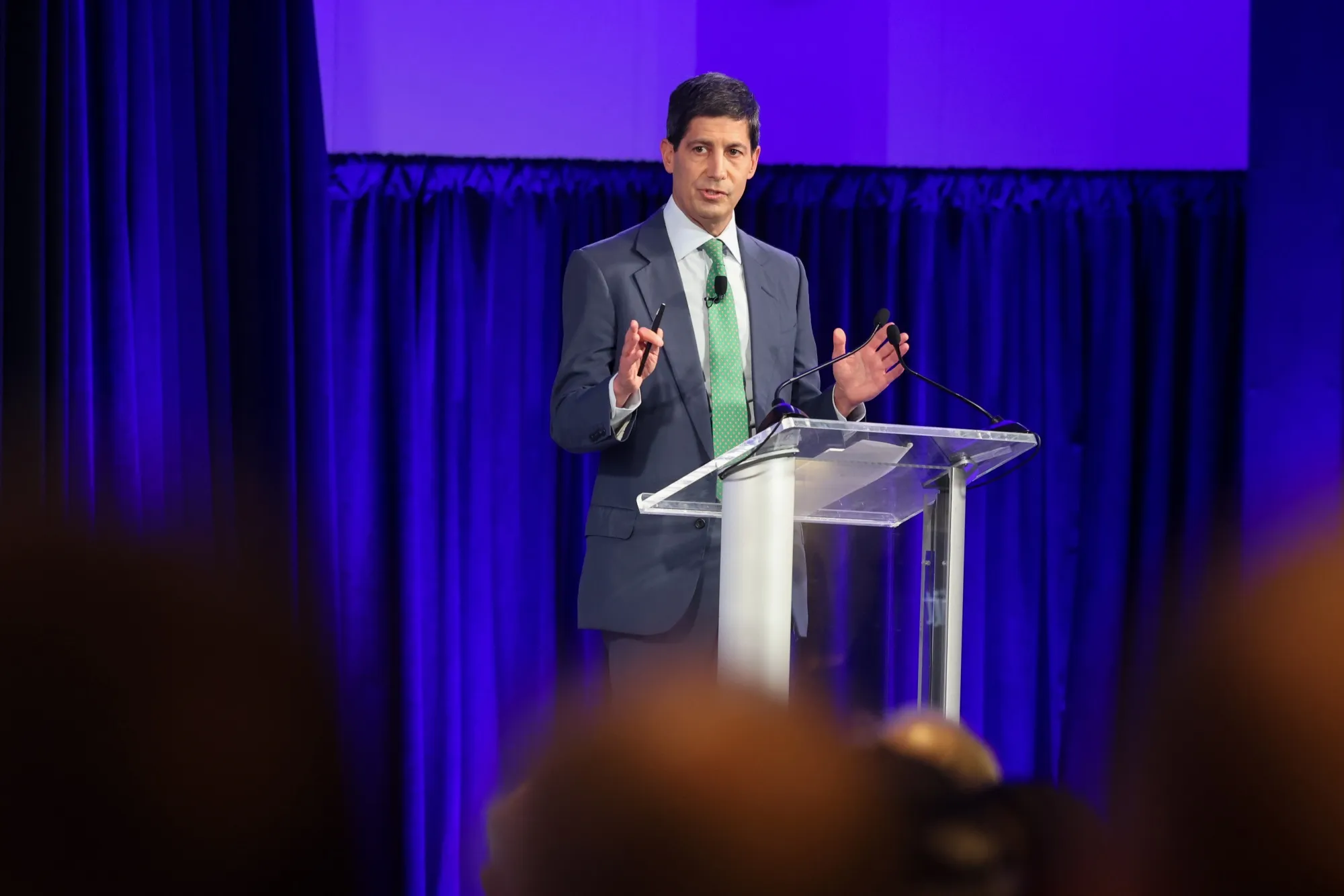
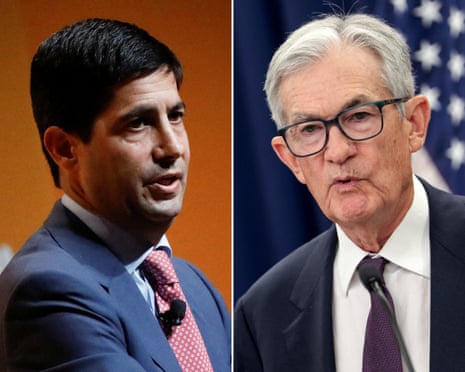
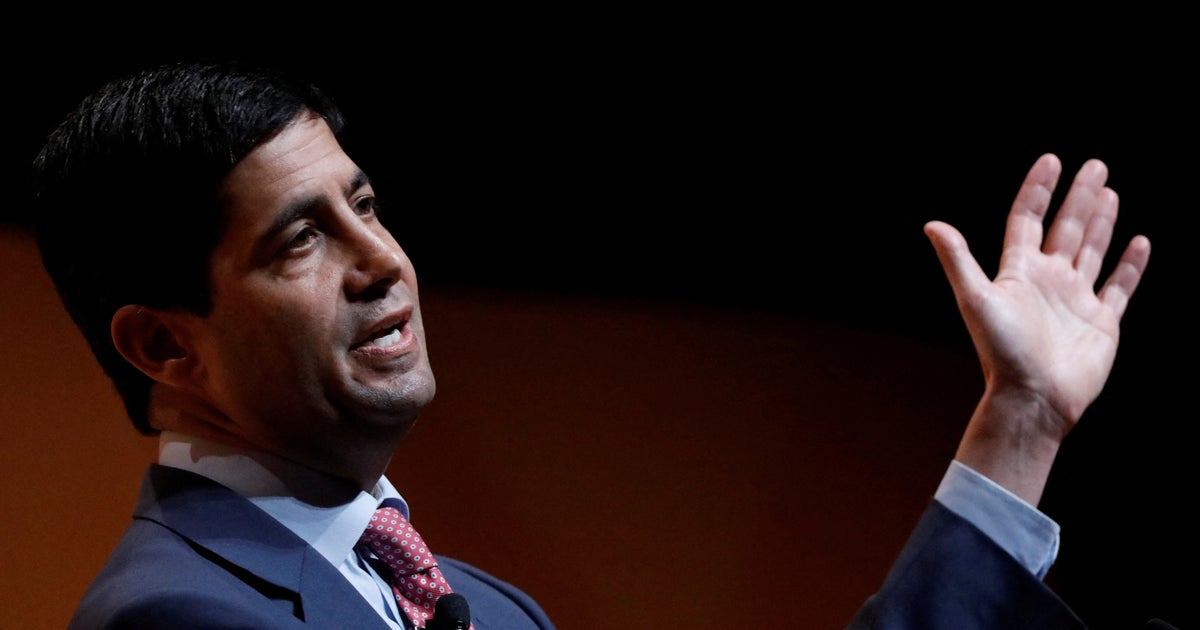
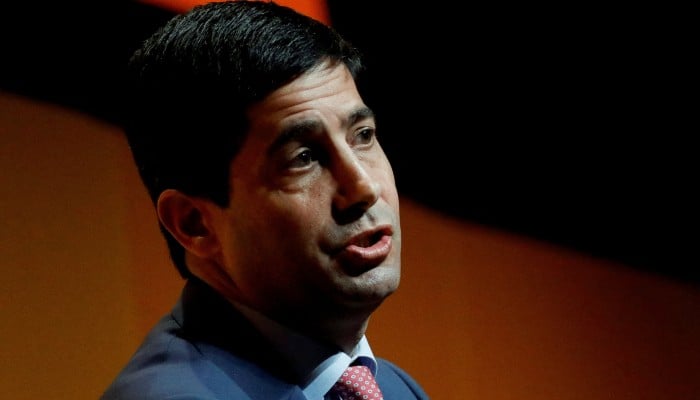
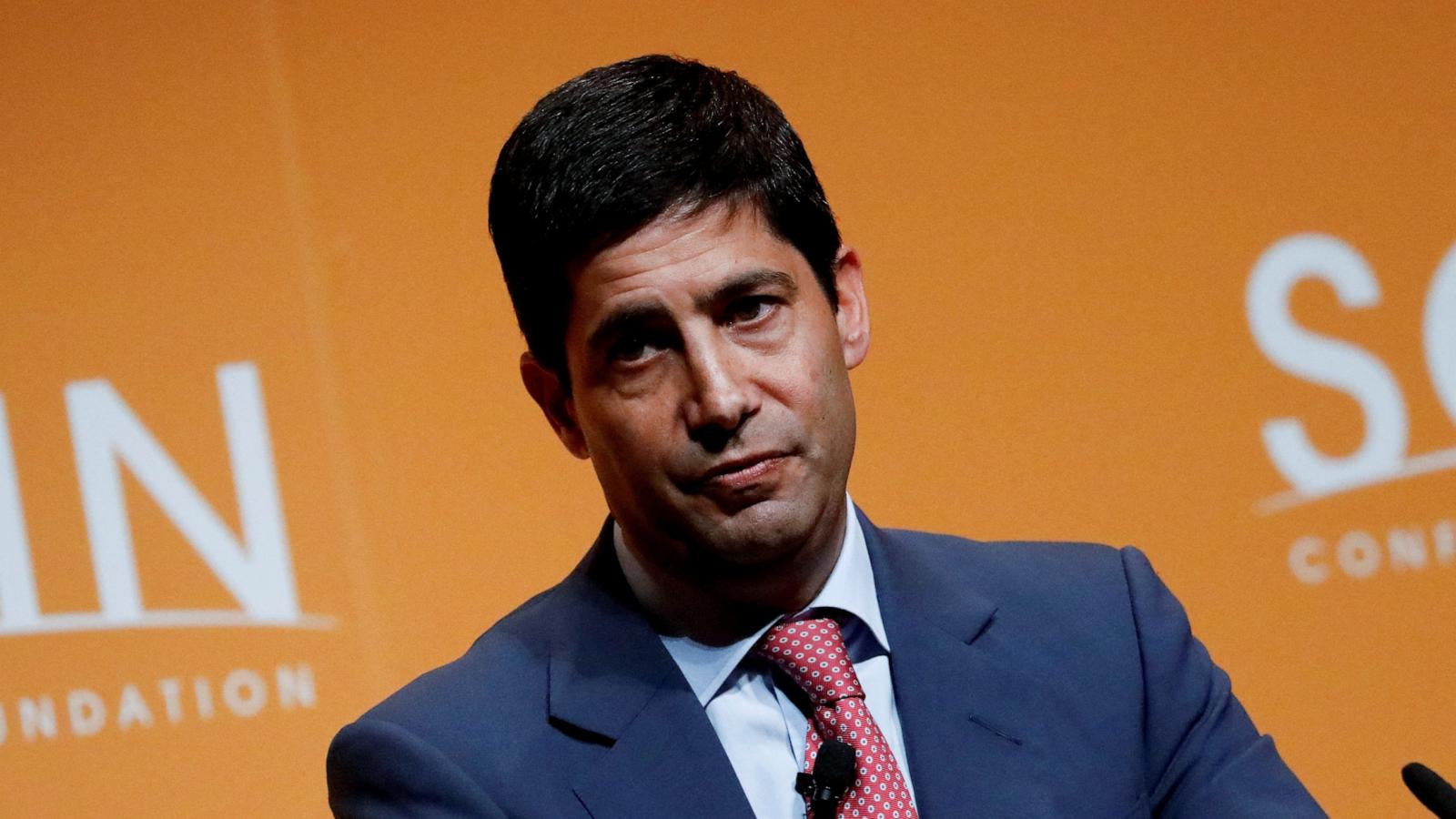
President Trump's nomination of Kevin Warsh as Federal Reserve Chair (announced February 2026, pending Senate confirmation) represents a significant pivot in U.S. monetary policy with direct implications for cross-border e-commerce sellers. The $6.6 trillion Fed balance sheet—accumulated through quantitative easing programs—has become the central debate, shifting focus from interest rate policy to asset unwinding strategies. Warsh, 55, served as the youngest Fed Governor (2006-2011) and is characterized as an inflation hawk despite recent dovish rhetoric supporting AI-driven productivity growth.
Currency Market Volatility Creates Immediate Seller Exposure: Following the nomination announcement, the USD index rallied to 97.21 (1% Friday gain), with the dollar strengthening against commodity-linked currencies. The Australian dollar fell 0.3% to 0.6944, New Zealand dollar dropped to 0.5991, and Canadian dollar declined 0.2%. The Japanese yen weakened to 154.90 per dollar amid Japan's expansionary fiscal policy signals. For cross-border sellers, a stronger dollar increases costs for imports from Asia-Pacific suppliers while improving margins on U.S. exports to Europe (euro at 1.1852) and UK markets (sterling at 1.3690). Sellers sourcing from China, Vietnam, and India face 2-4% cost increases on inventory purchases, directly compressing margins on electronics, apparel, and home goods categories.
Interest Rate Trajectory Creates Financing Uncertainty: Market pricing indicates two Fed rate cuts expected in 2026, with the first move unlikely before June when Warsh would assume the chair if confirmed. However, Warsh's historical focus on inflation (prioritizing inflation concerns over employment during 2008-2009 crisis) conflicts with Trump's demand for "the lowest rates on the planet," creating policy uncertainty. This ambiguity affects seller financing costs: small sellers relying on business lines of credit (typically 8-12% rates) may face delayed relief, while larger sellers with access to capital markets could see 50-100 basis point swings in borrowing costs. The $6.6 trillion balance sheet reduction—which Warsh reportedly favors—could paradoxically raise long-term mortgage rates and commercial lending costs, contradicting Trump's affordability goals and potentially dampening consumer purchasing power in Q3-Q4 2026.
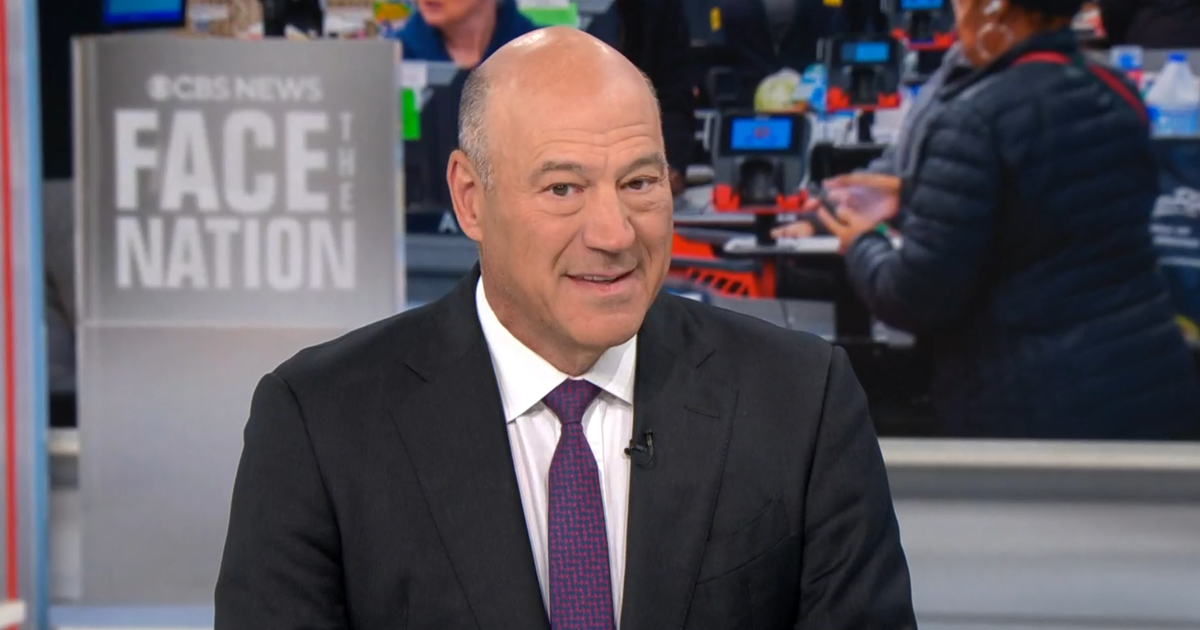
Regulatory Environment Shifts Toward "Traditional" Norms: Gary Cohn's endorsement emphasized Warsh as "a traditionalist, believing that we need strong regulation in the United States" while maintaining market growth. This signals potential tightening of fintech lending, payment processor regulations, and cross-border transaction oversight. Sellers using alternative financing (buy-now-pay-later, invoice financing) may face stricter compliance requirements and higher costs. The confirmation process faces obstacles—Senator Thom Tillis vowed to oppose all Fed nominees until legal matters involving Fed Chair Powell are resolved, with Powell's term ending May 2026—creating a transition period of policy uncertainty through mid-2026. Sellers should anticipate 3-6 months of regulatory ambiguity before Warsh's policies fully materialize.
问题 8
How does Warsh's inflation-hawk history conflict with Trump's rate-cut demands?
Warsh prioritized inflation concerns over employment during the 2008-2009 crisis (stating in June 2008 that 'inflation risks continue to predominate' despite Bear Stearns' collapse). This conflicts with Trump's demand for 'the lowest rates on the planet.' Wall Street's reaction was telling: US stocks retreated, the dollar rallied, gold plummeted 8%, and silver crashed 25% (worst day since 1980), indicating markets view Warsh as an inflation hawk despite recent dovish rhetoric. This creates policy uncertainty—Warsh may support 1-2 cuts in 2026 but revert to hawkish positions later, potentially raising rates in 2027-2028. Sellers should prepare for policy reversals and avoid assuming sustained low-rate environment beyond 2026.
How does the $6.6 trillion Fed balance sheet unwinding affect my business?
Warsh reportedly believes 'the Fed should not have the large balance sheet' and will likely work to reduce the $6.6 trillion in accumulated securities holdings. Balance sheet reduction (quantitative tightening) typically raises long-term interest rates and reduces liquidity in financial markets, increasing borrowing costs for sellers 6-12 months after implementation. This could raise commercial mortgage rates, equipment financing costs, and working capital loan rates by 100-150 basis points by late 2026 or 2027. Sellers should refinance long-term debt before Warsh's policies take effect and build cash reserves to reduce financing dependence.