



India STT Tax Hike 2026 | Working Capital Crisis for Cross-Border Sellers
- Nifty50 crashes 2.33% as STT on futures jumps 150%, options 650%; liquidity squeeze threatens seller financing access and FX hedging costs


















概览
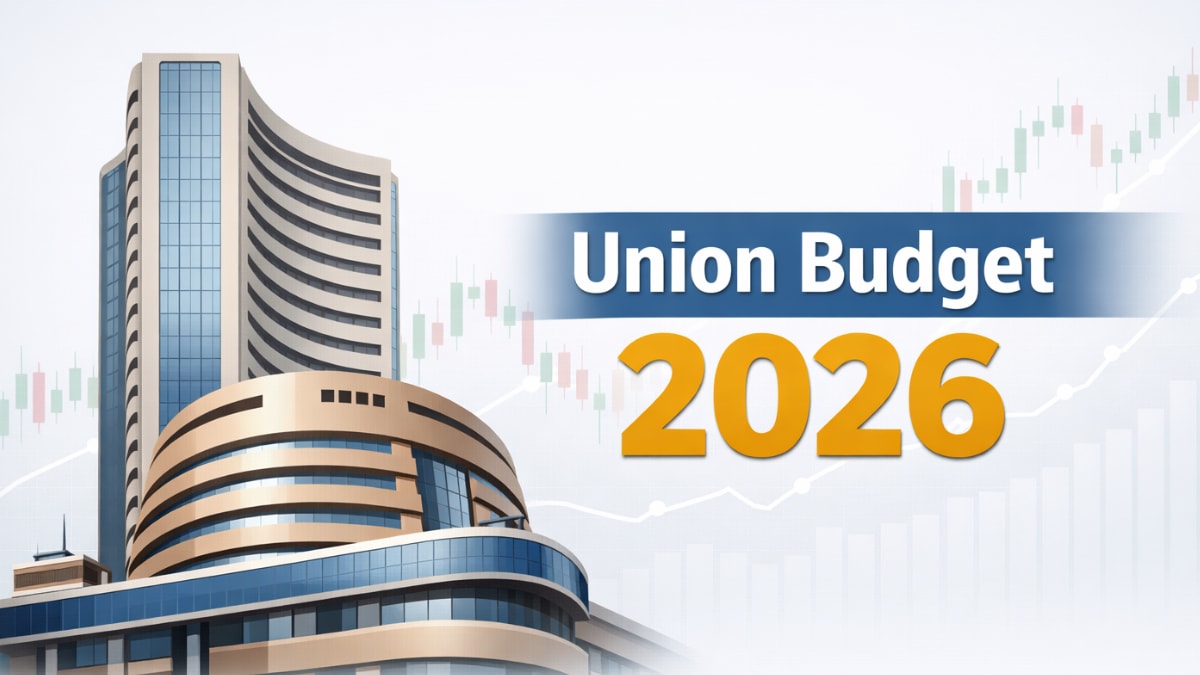
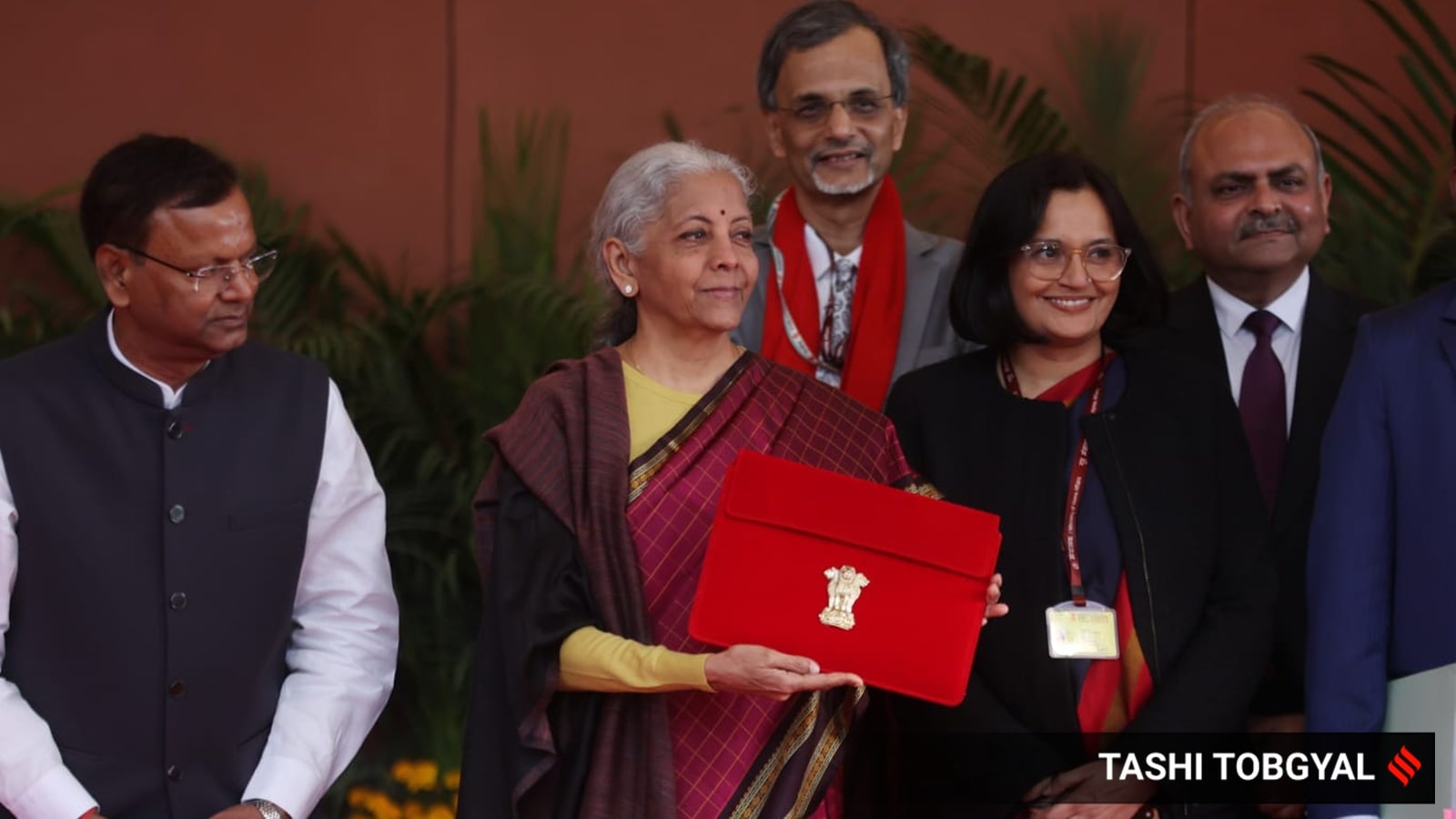
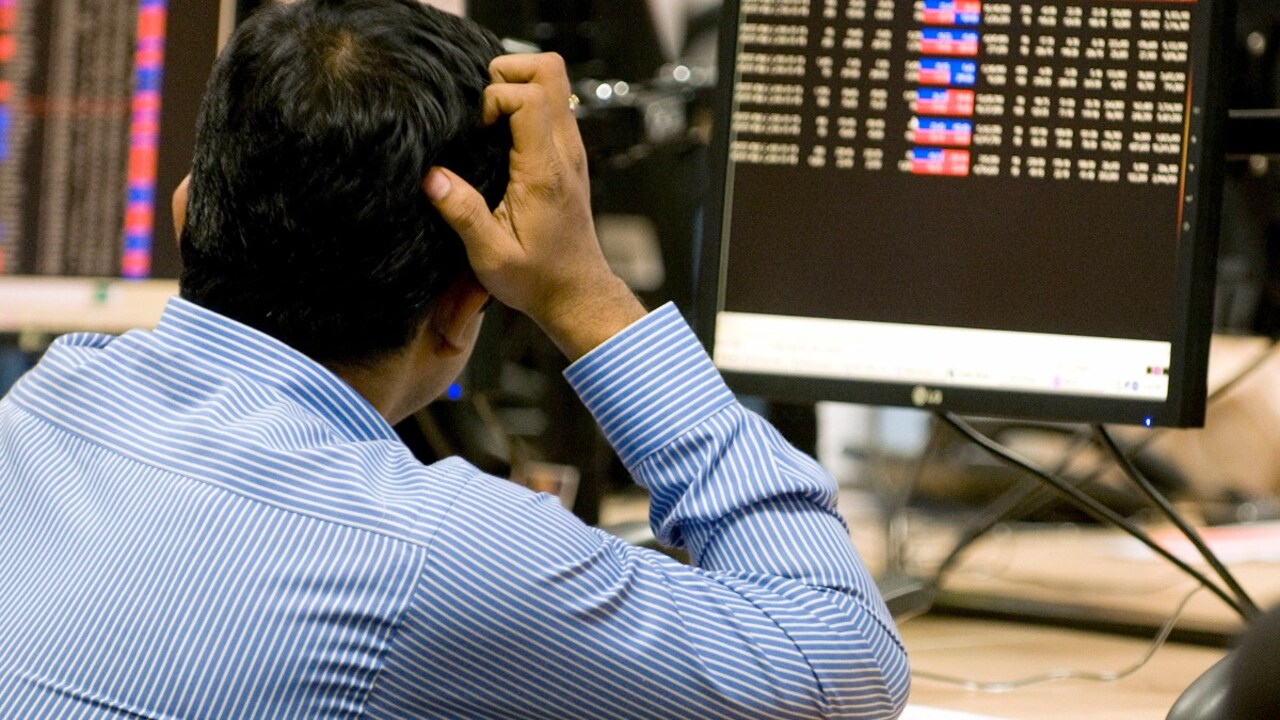
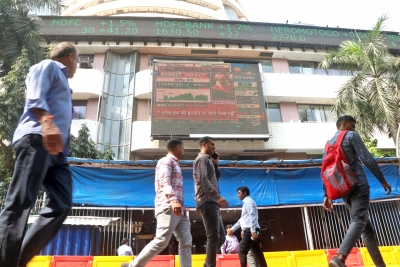
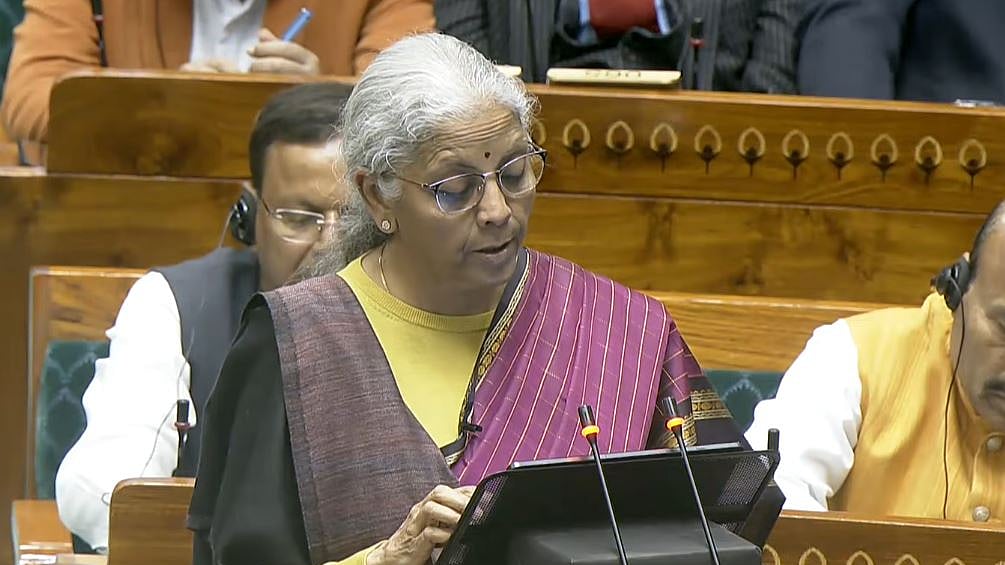
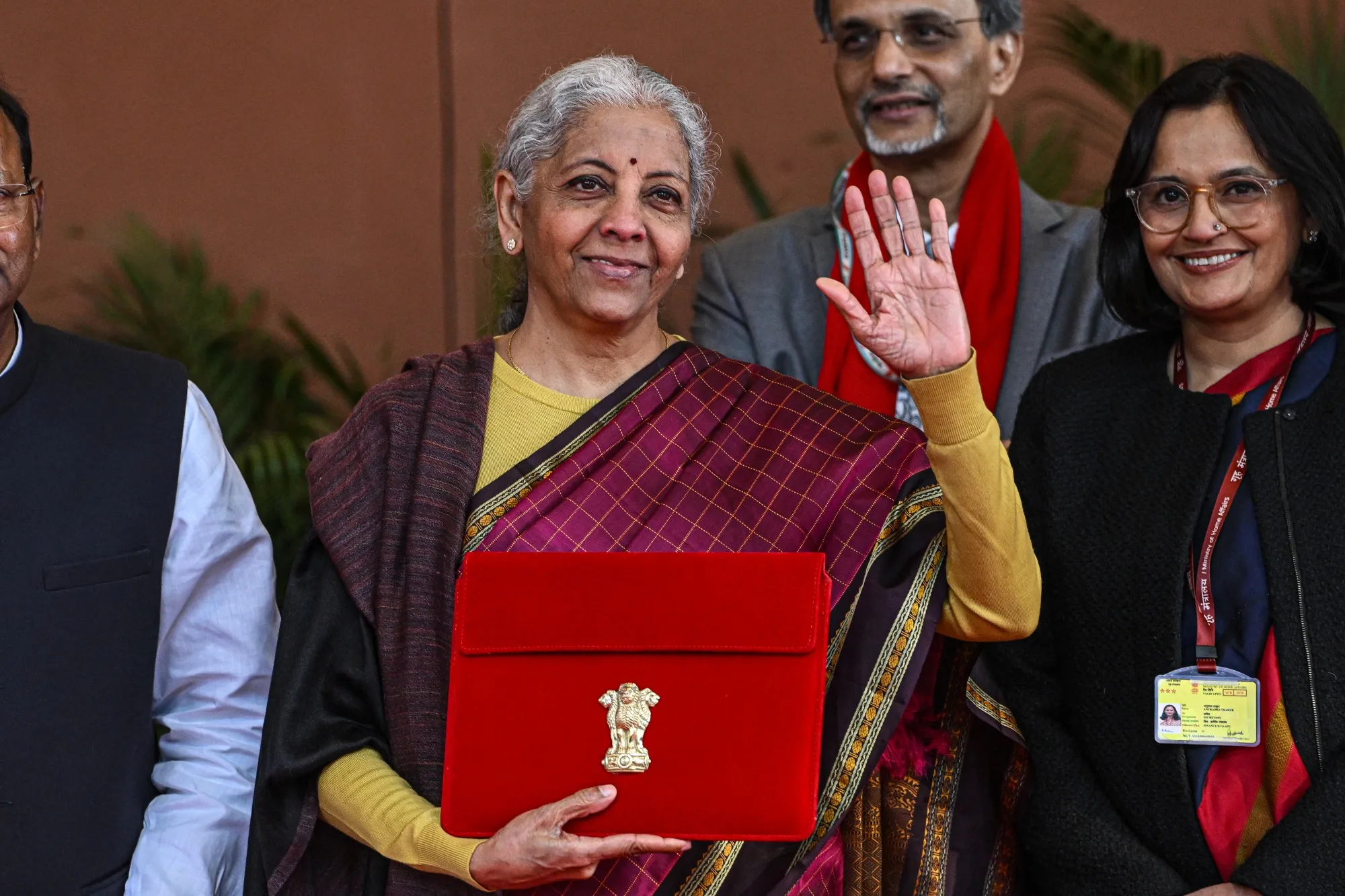
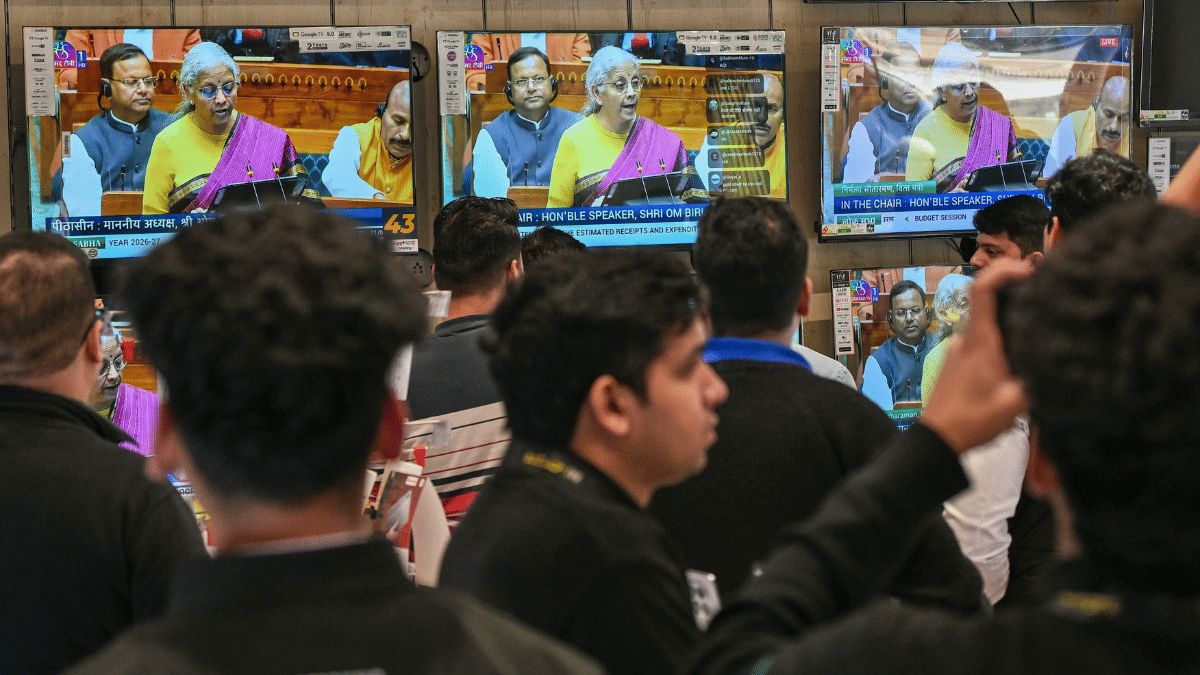
India's February 1, 2026 budget announcement of aggressive Securities Transaction Tax (STT) increases creates a cascading financial crisis for cross-border e-commerce sellers operating in or financing through Indian markets. The government raised STT on equity futures from 0.02% to 0.05% (150% increase) and options premiums/exercise to 0.15% (650% increase), triggering immediate market collapse: Nifty50 fell 593 points (2.33%) and BSE Sensex dropped 1,843 points (2.23%) in emergency trading. This represents the second consecutive year of derivatives tax escalation, signaling India's commitment to regulatory tightening.
The hidden impact on seller working capital is severe. Many Indian suppliers and cross-border sellers use equity derivatives for FX hedging against rupee volatility—a critical risk management tool when managing USD/INR exposure. The STT hike increases hedging costs by 150-650% depending on instrument choice, making currency protection prohibitively expensive. For a seller managing $500K in monthly cross-border revenue, hedging costs could jump from $250-500/month to $625-3,750/month. This forces sellers to either absorb FX risk or reduce hedging, exposing them to rupee depreciation that directly compresses margins.
Liquidity contraction threatens seller financing access. The market crash and reduced derivatives activity will dampen trading volumes, reducing market liquidity. This directly impacts invoice financing, supply chain finance, and working capital loans that Indian fintech lenders (like Razorpay, Instamojo, and traditional banks) price based on market liquidity and risk premiums. Lenders will tighten credit terms, increase APR rates by 50-150 basis points, and reduce maximum loan amounts. Sellers relying on 30-60 day invoice financing to bridge payment gaps will face 15-25% higher costs or reduced access entirely. Small-cap stocks fell ~3% and midcap ~2%, indicating distress among mid-market suppliers who depend on equity-linked financing.
Payment processing and cross-border settlement costs will rise. As market sentiment deteriorates and rupee volatility increases, payment processors and remittance providers will widen their FX spreads by 20-40 basis points to compensate for increased hedging costs. Sellers sending USD payments to suppliers or receiving payments from international buyers will pay 0.5-1.5% more in FX conversion fees. For a $100K monthly payment, this adds $500-1,500 in unnecessary costs. Additionally, banking partners will increase compliance costs as regulatory scrutiny intensifies—expect 5-10% higher wire transfer fees and slower settlement (2-3 additional days).
问题 8
What is the long-term strategic impact on India's cross-border e-commerce competitiveness?
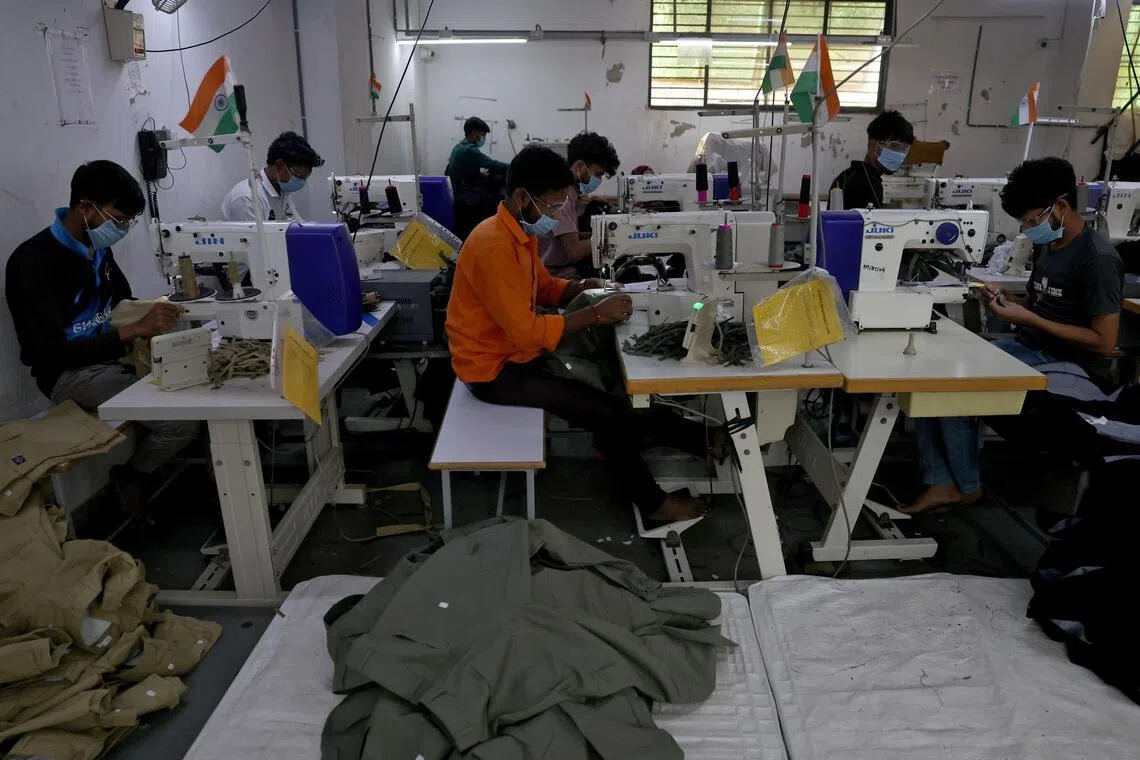
India's second consecutive year of derivatives tax increases signals sustained regulatory tightening that will persistently raise seller financing costs by 50-150 bps annually. This makes Indian suppliers 2-4% more expensive than competitors in Vietnam, Thailand, or Indonesia where derivatives markets remain liquid and hedging costs are 30-50% lower. Sellers will gradually shift sourcing to Southeast Asia or establish supply chains in lower-tax jurisdictions. The policy achieves its goal of reducing speculative trading but creates unintended consequences: reduced cross-border competitiveness, higher working capital costs, and slower cash conversion cycles. Sellers should begin diversifying supplier bases outside India and consider establishing entities in Singapore or Hong Kong for FX management and financing access.
Which seller segments face the highest financial risk from this policy change?
**High-risk segments**: (1) Mid-market suppliers ($5-50M revenue) relying on equity-linked financing—collateral values fell 2-3% immediately. (2) Sellers with >40% USD exposure using derivatives for hedging—costs jumped 150-650%. (3) Inventory-heavy sellers in electronics/apparel requiring 60-90 day financing—access reduced 15-25%. (4) Fintech-dependent sellers using Razorpay/Instamojo working capital—lenders will tighten terms. **Lower-risk segments**: Large exporters ($50M+) with direct bank relationships and natural hedging, sellers with <20% FX exposure, and cash-on-delivery focused sellers. Small sellers (<$1M) face moderate risk if relying on invoice financing. Sellers should immediately assess their financing dependency and diversify lenders.