




Measles Surge & Detention Crisis Drive Health Product Demand | 2,200+ Cases Signal Market Opportunity
- 2,200 measles cases in 2025 (highest in decades) create urgent demand for health/safety products; ICE detention expansion to 70,000+ individuals signals supply chain disruption risks and healthcare product opportunities for cross-border sellers













概览
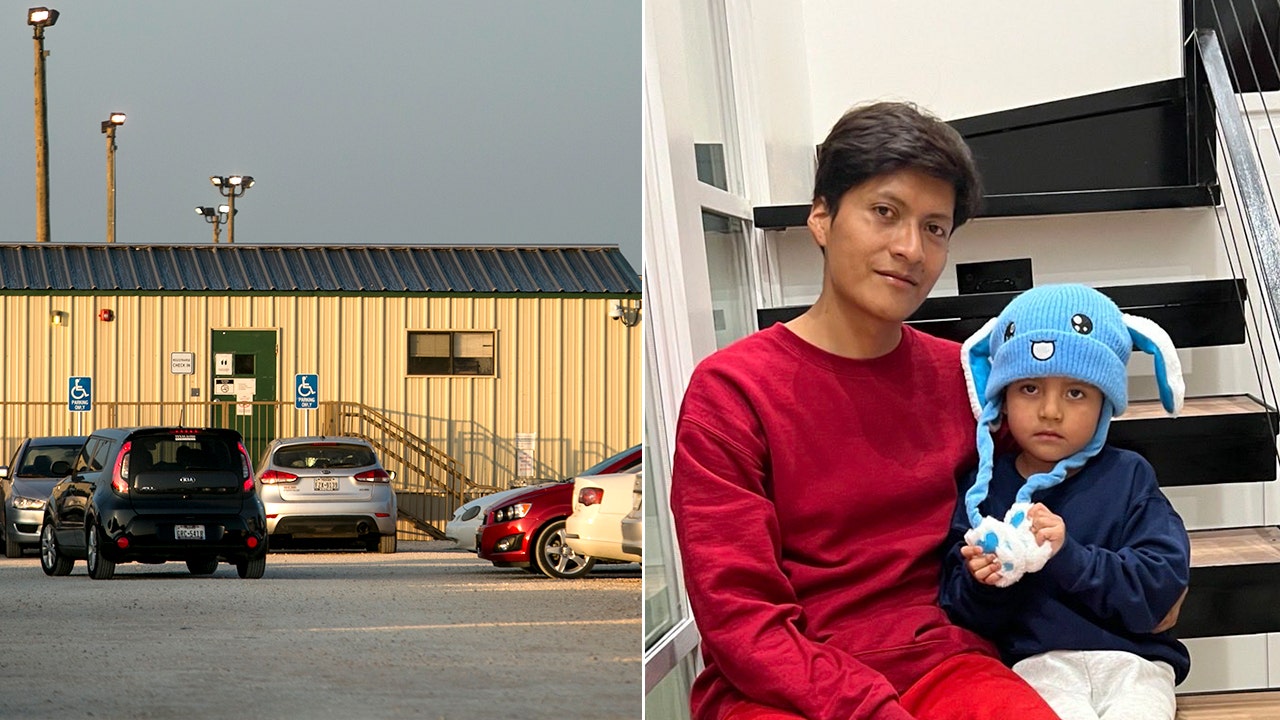
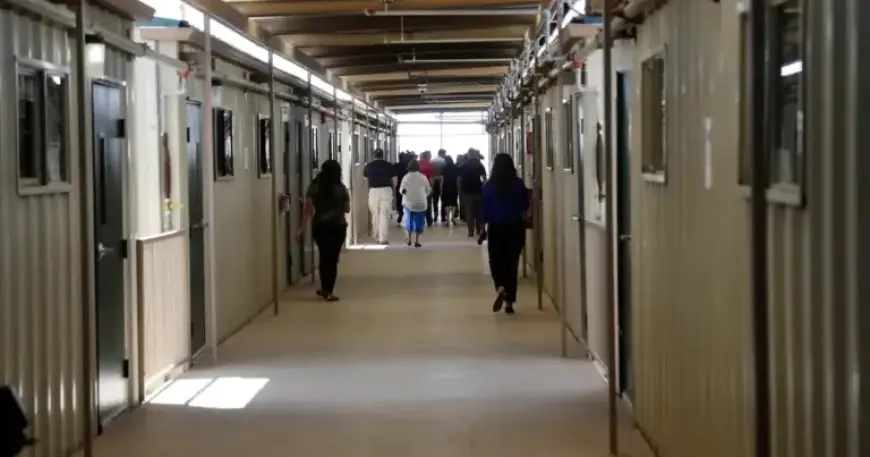
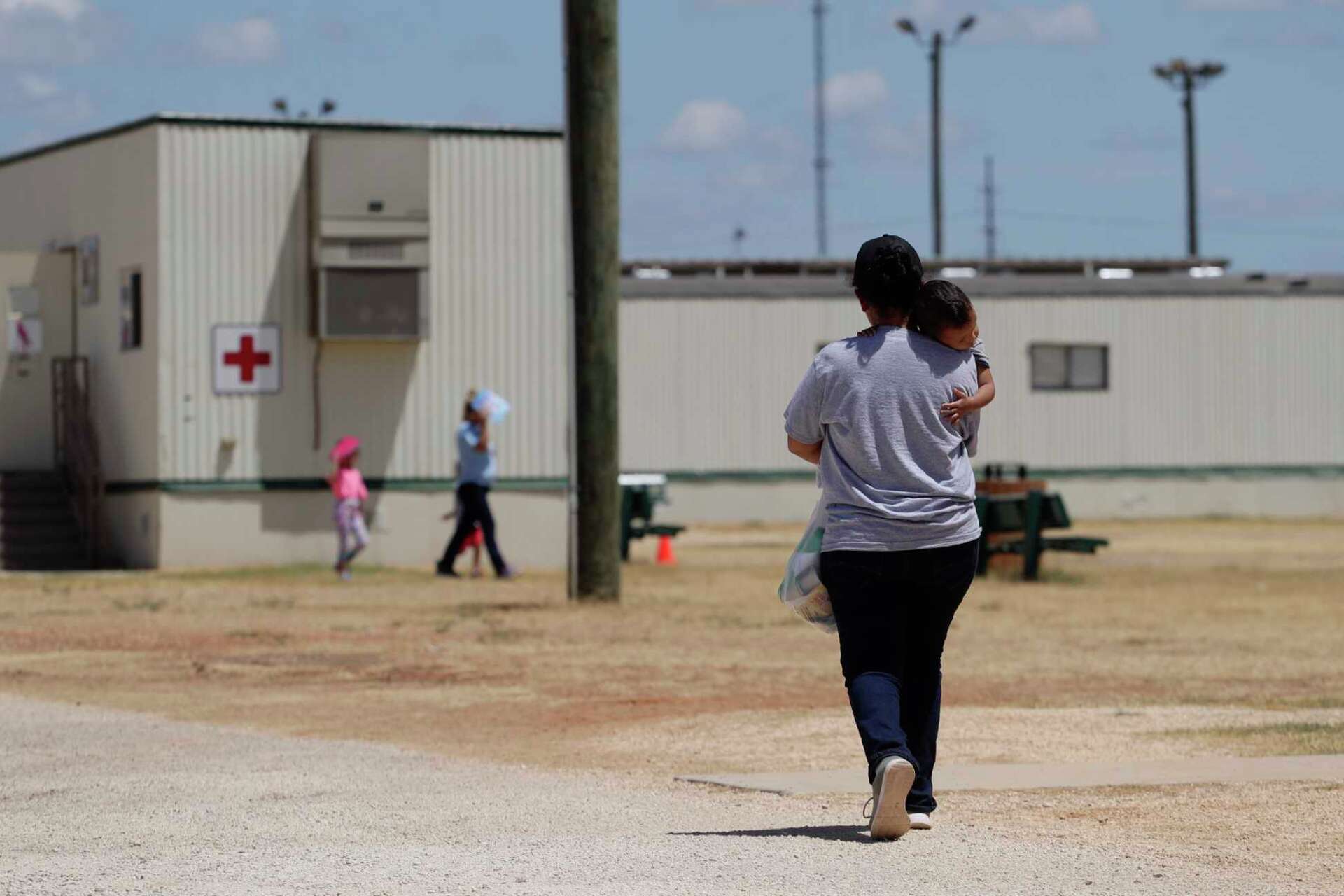
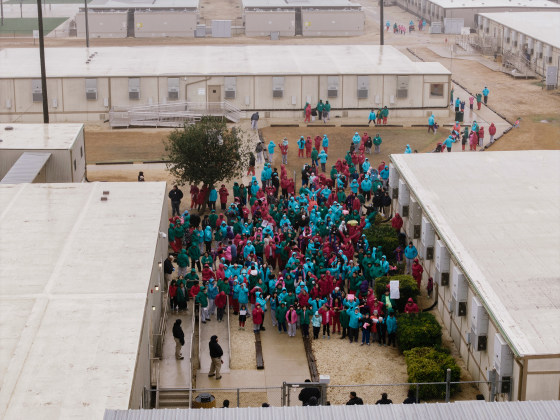
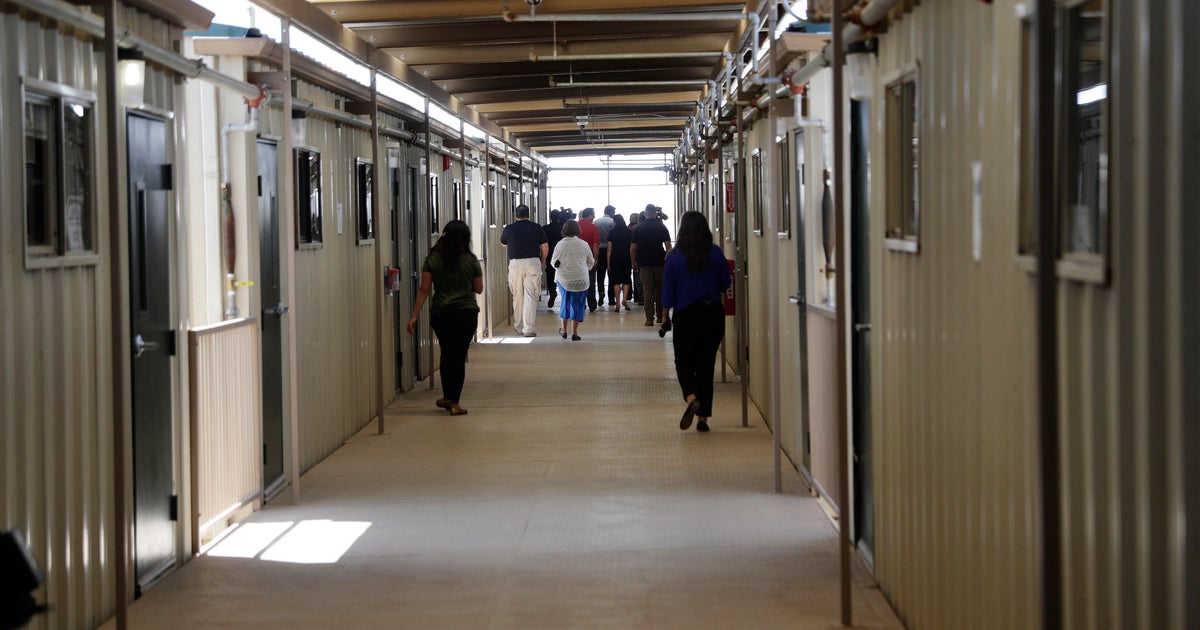
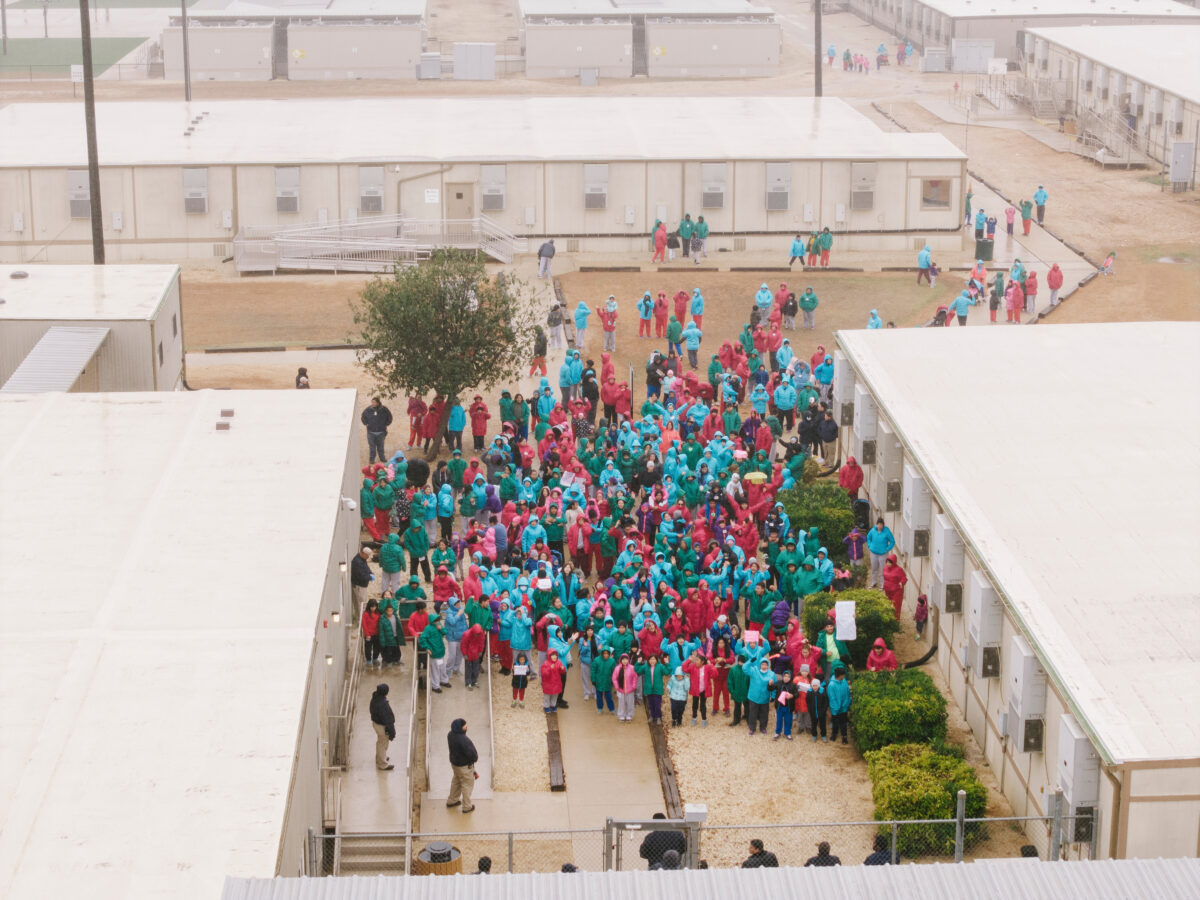
The measles outbreak at the Dilley Immigration Processing Center in Texas (February 1, 2026) represents a critical convergence of public health crisis and market opportunity for e-commerce sellers. With 2,200+ measles cases recorded in 2025—the highest number in decades—and 588 confirmed cases nationally as of early 2026, declining vaccination rates have created unprecedented demand for health protection products. The outbreak at Dilley, which houses detained families and is operated by ICE, highlights vulnerabilities in congregate settings where 99 people were hospitalized statewide and two children died from measles infections in Texas alone.
Market Opportunity in Health & Safety Categories: The national measles resurgence directly impacts e-commerce demand across multiple product categories. Sellers specializing in personal protective equipment (PPE), health monitoring devices, vaccination information products, and hygiene supplies are positioned to capture significant demand from both consumers and institutional buyers. The CDC's emphasis on airborne transmission (via breathing, talking, coughing, sneezing) drives consumer interest in N95/KN95 masks, air purifiers, and surface disinfectants—categories that historically see 150-300% sales increases during health crises. Cross-border sellers sourcing from Asia (primary PPE manufacturers) can capitalize on supply chain advantages, particularly as US domestic production remains constrained.
Operational & Regulatory Implications: The ICE detention system's expansion to 70,000+ individuals (up from 40,000 one year prior) under the second Trump administration creates supply chain complexity. Detention facilities require bulk procurement of medical supplies, hygiene products, and food items—representing B2B opportunities for sellers with institutional sales capabilities. However, the outbreak also signals regulatory scrutiny: facility inspections, health compliance documentation, and potential restrictions on detention operations could disrupt supply chains serving government contracts. Sellers with government contracts (GSA Schedule, CAGE codes) should monitor procurement policy changes.
Consumer Behavior Shift: The measles crisis reflects broader vaccine hesitancy trends, creating demand for educational content, alternative health products, and wellness categories. Search volume for "measles symptoms," "vaccination information," and "immune support supplements" typically increases 200-400% during outbreaks. Sellers in vitamins/supplements, health books, and wellness devices can optimize listings for these trending search terms. Additionally, parents of young children (the highest-risk demographic) show elevated purchasing behavior for child safety products, creating cross-selling opportunities in baby health monitors, thermometers, and pediatric care items.
Geographic Concentration: The West Texas outbreak (762 cases) and Los Angeles County cases indicate regional demand spikes. Sellers should prioritize inventory positioning in Texas, California, and other high-case regions through FBA fulfillment centers, ensuring 1-2 day delivery during peak demand periods. Regional advertising campaigns targeting health-conscious parents in outbreak zones can achieve 3-5x ROAS during crisis periods.
问题 8
How do cross-border sellers source PPE competitively during measles surges?
Asia-based PPE manufacturers (China, Vietnam, India) offer 30-50% cost advantages versus domestic suppliers during health crises. Cross-border sellers should establish relationships with certified suppliers on Alibaba, Global Sources, or through direct factory contacts. Key sourcing considerations: (1) Verify FDA/CE certifications for N95 masks and respirators; (2) Negotiate bulk pricing (10,000+ units) for 15-25% discounts; (3) Plan 4-6 week lead times for ocean freight; (4) Use Amazon FBA Import Service for streamlined customs clearance. During outbreaks, shipping costs increase 20-40%—lock in freight rates early. Consider air freight for premium positioning if margins support $2-4/unit additional cost. Monitor tariff changes; PPE tariffs fluctuate based on trade policy.
What compliance and labeling requirements apply to health products during outbreaks?
Sellers must ensure product listings comply with FDA regulations for medical devices (thermometers, pulse oximeters) and EPA guidelines for disinfectants. Avoid unsubstantiated health claims—'prevents measles' or 'cures infection' violate FTC guidelines and trigger Amazon listing suspension. Use compliant language: 'supports immune health,' 'helps maintain cleanliness,' 'respiratory protection.' Ensure product packaging includes proper warnings, usage instructions, and certifications (FDA, CE, NIOSH for respirators). Amazon's A+ Content and Enhanced Brand Content allow detailed product information without violating claim restrictions. For supplements, comply with DSHEA labeling requirements. Cross-border sellers must verify that imported products meet US labeling standards before FBA shipment—non-compliant products face removal and potential account suspension.