



Taiwan-China Tariff Arbitrage Window Opens | 5% Duty Reduction Creates $2.1B Export Opportunity
- Parliamentary gridlock blocks US trade deal, but KMT-Beijing dialogue signals imminent tariff normalization for precision machinery, semiconductors, and consumer electronics by Q2 2026










概览
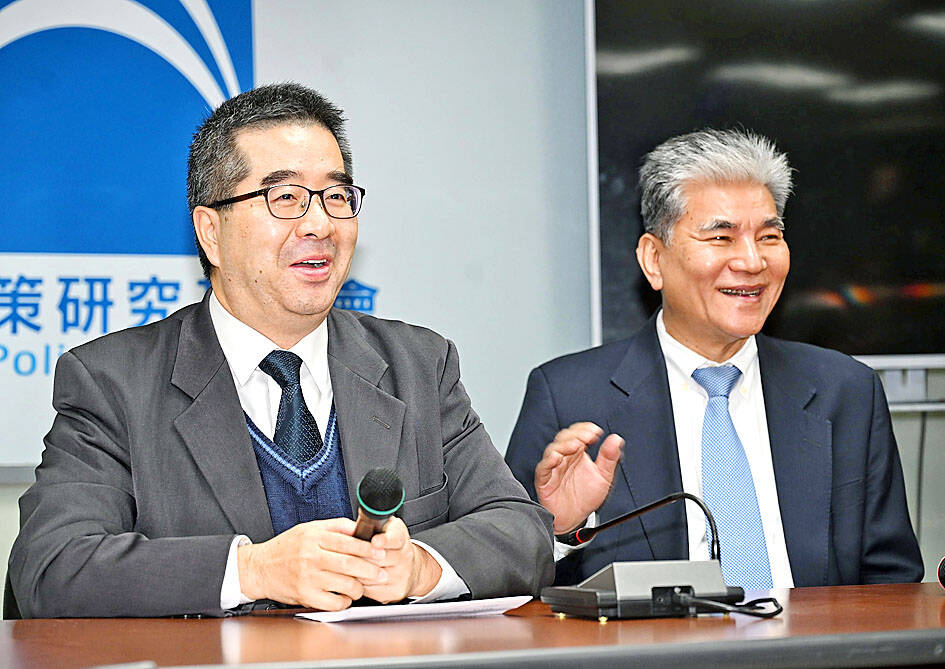
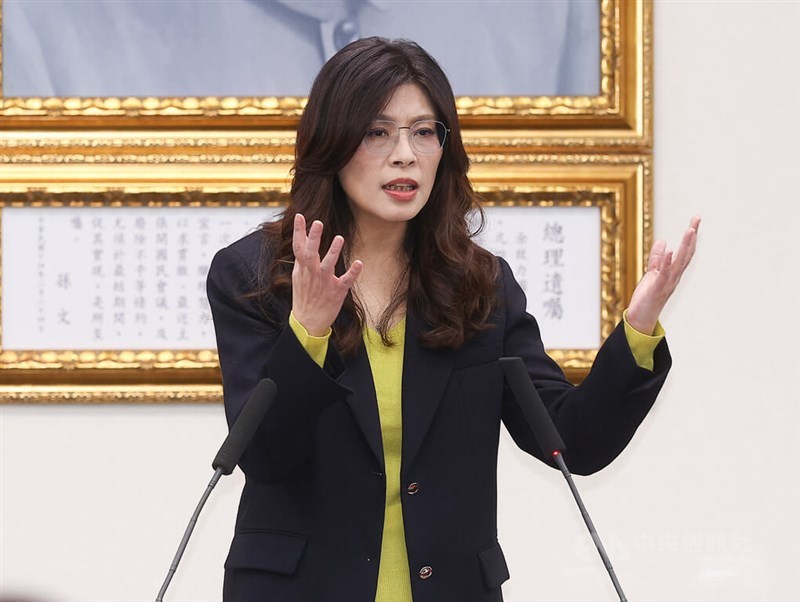
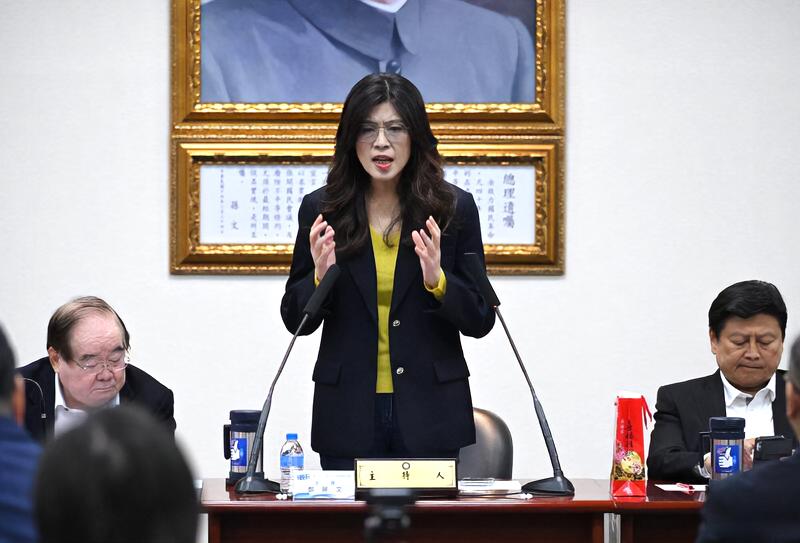
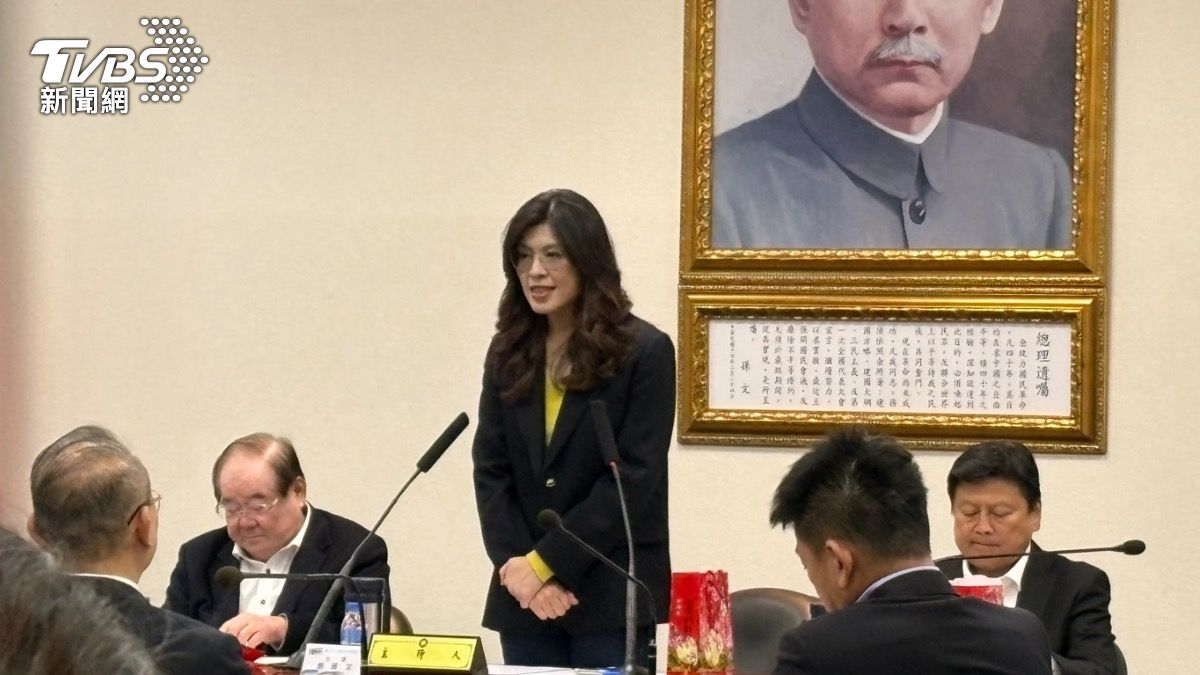
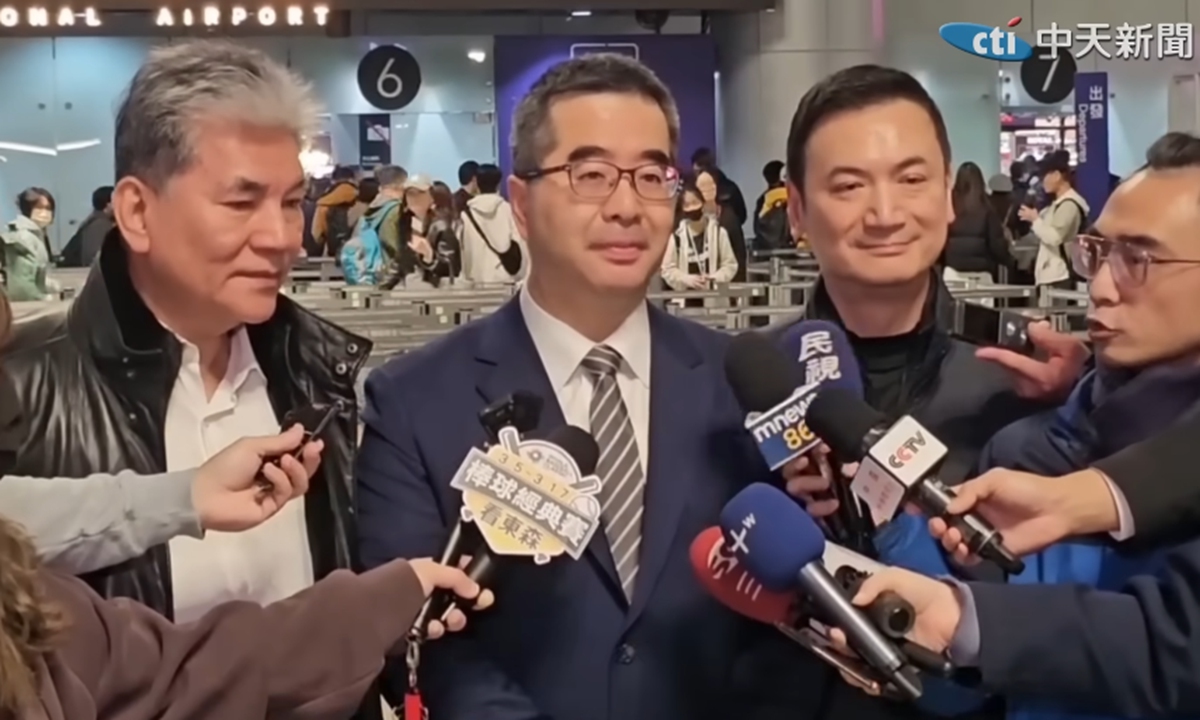
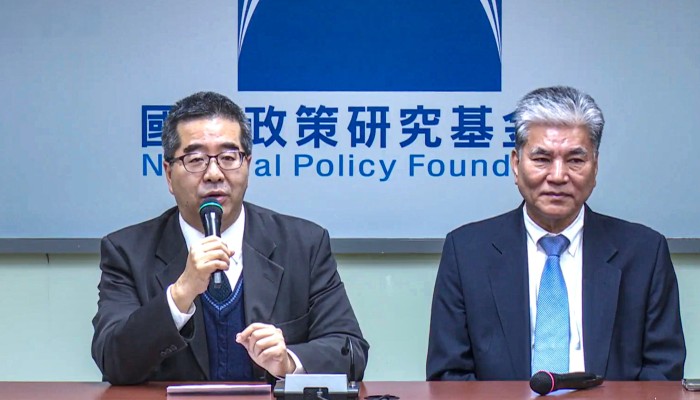
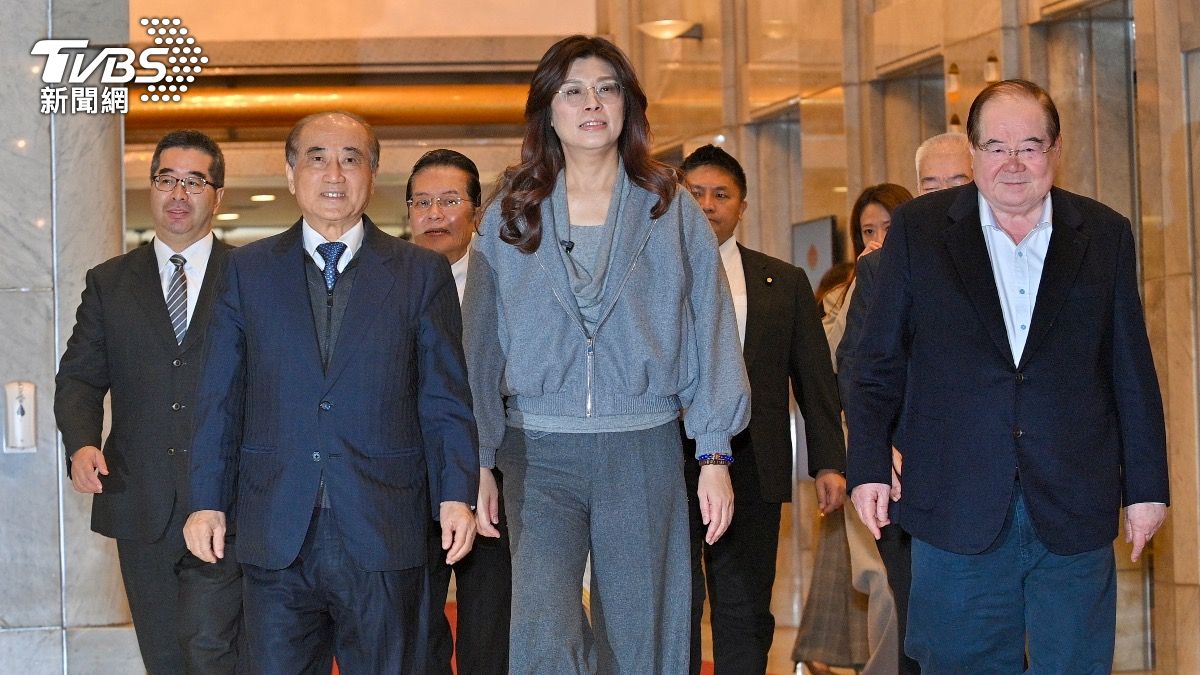
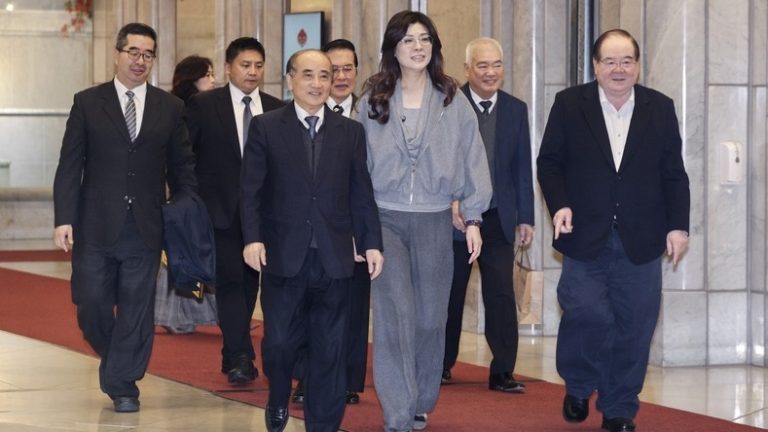
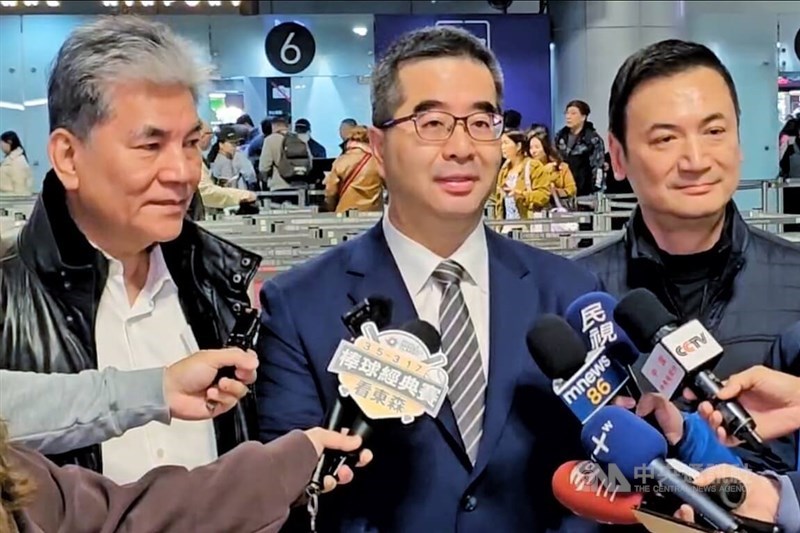
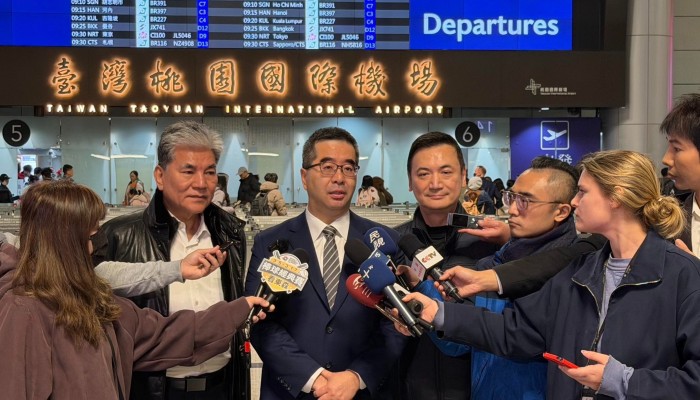
Taiwan's political paralysis is creating a critical tariff arbitrage window for cross-border sellers. The Democratic Progressive Party (DPP) government has blocked a new US-Taiwan trade deal that would reduce American tariffs on Taiwanese goods from 20% to 15%—a 5-percentage-point reduction worth approximately $2.1 billion in annual export value. Simultaneously, Taiwan's opposition Kuomintang (KMT) party is aggressively reopening dormant party-to-party channels with Beijing's Communist Party through high-level delegations (January 13-15, 2025, and February 3-5, 2026), signaling a fundamental shift toward cross-strait economic reconciliation.
The Tariff Arbitrage Opportunity: The blocked US trade deal creates immediate margin compression for Taiwan-based sellers exporting to America, but KMT's Beijing engagement—focused explicitly on "precision machinery, artificial intelligence, new energy development, and industrial collaboration"—indicates imminent tariff reductions on Taiwan-origin goods entering mainland China. This represents a strategic reversal: sellers currently routing products through Vietnam or India to avoid China tariffs may soon find direct Taiwan-to-China shipments economically viable. The 1992 Consensus framework, which both KMT and Beijing are actively promoting, historically precedes tariff normalization and reduced customs friction.
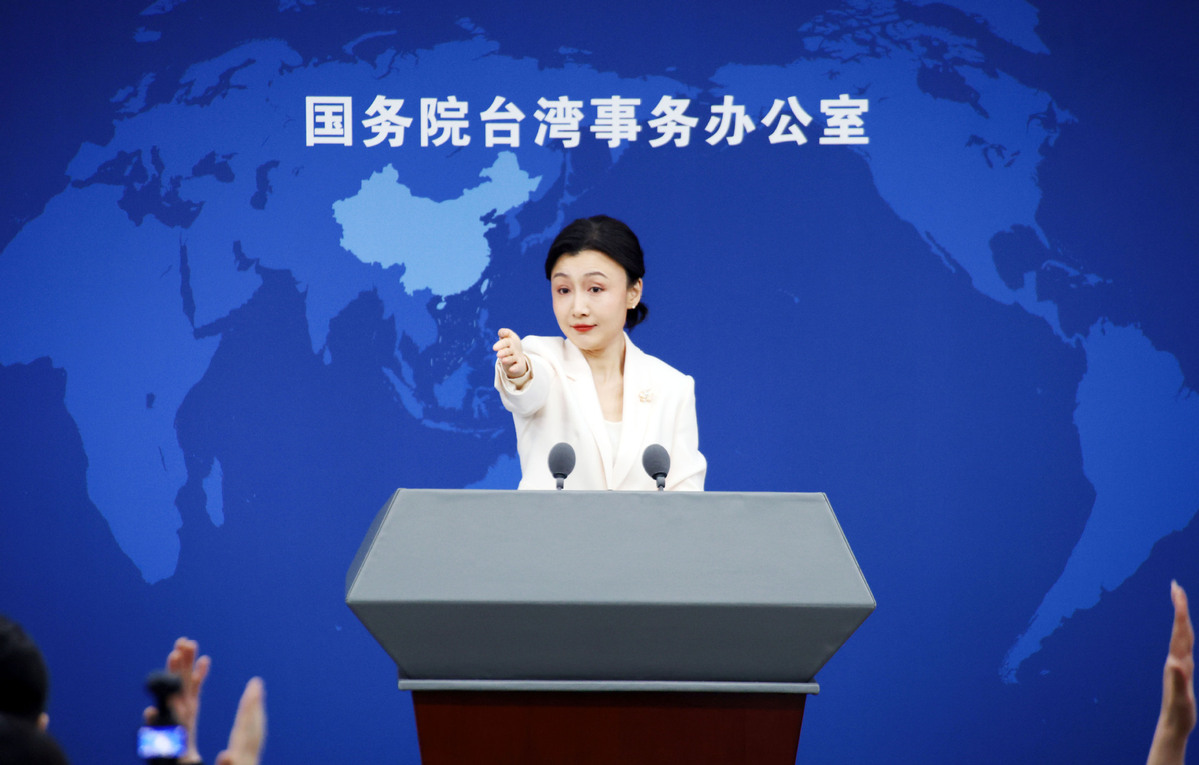
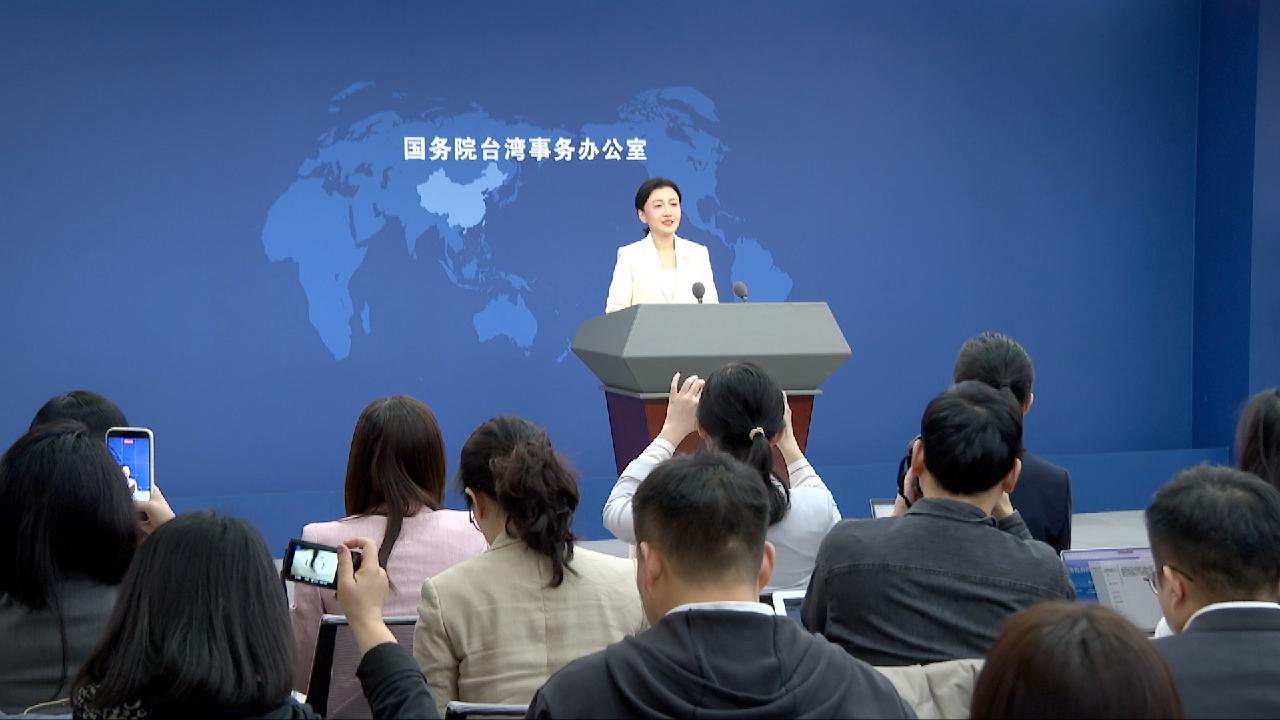
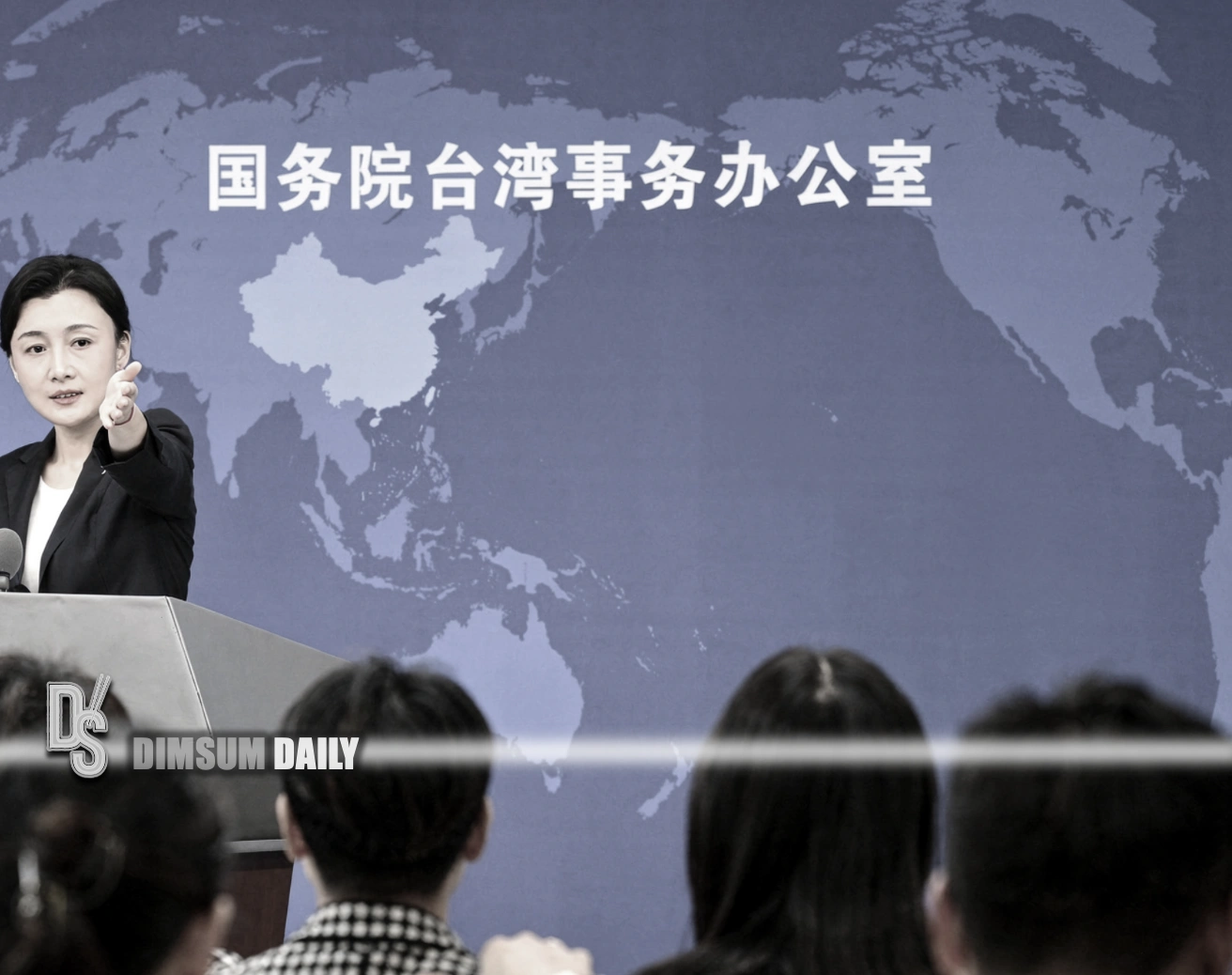
Market Access Shifts: KMT leader Cheng Li-wun's stated goal to meet Xi Jinping "early in 2026" combined with the February 2026 delegation visit to Tsinghua University and China's Taiwan Affairs Office suggests policy announcements could arrive by Q2 2026. For sellers, this creates a 6-month window to reposition supply chains. Precision machinery (HS codes 8401-8480), semiconductors (HS 8542), and consumer electronics (HS 8471-8517) are explicitly mentioned as dialogue topics, indicating these categories will see the most aggressive tariff reductions. Taiwan-based manufacturers currently paying 10-15% China tariffs could see rates drop to 5-8%, improving landed costs by $150-400 per container depending on product category.
Competitive Dynamics: Small and medium-sized Taiwan exporters (annual revenue $5-50M) gain the most advantage because they lack the scale to absorb tariff costs through volume discounts. Large multinational manufacturers already have China operations and won't benefit proportionally. US-based sellers importing Taiwan goods face margin compression unless they shift sourcing to Vietnam/India alternatives—but the KMT's emphasis on "tourism, flight destinations, and supply chain cooperation" suggests logistics improvements (reduced port delays, faster customs clearance) will offset some tariff benefits, making Taiwan sourcing competitive again.
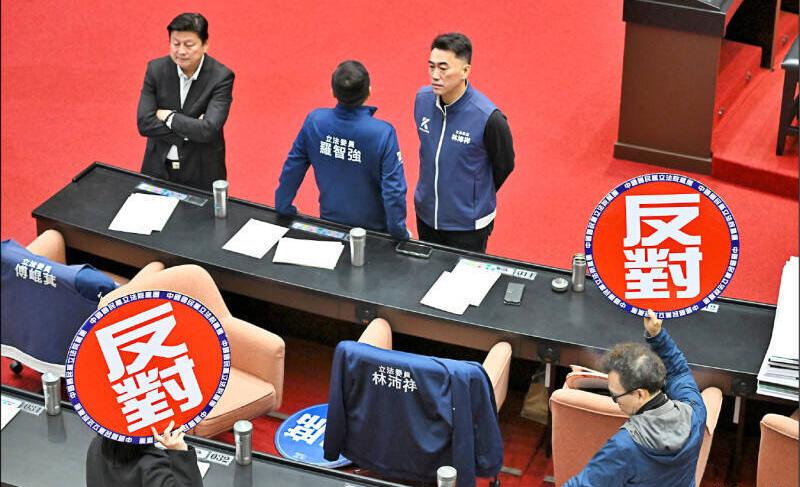
Timing Window: The parliamentary gridlock preventing the US trade deal ratification is actually advantageous for sellers betting on China tariff reductions. The DPP's defense-spending focus (blocking the $40 billion package) and KMT's diplomatic engagement create a 12-18 month window before either party can force a policy reversal. Sellers should begin Taiwan-to-China supply chain pilots immediately, targeting Q2 2026 for full implementation when KMT-Beijing negotiations likely conclude with formal tariff schedules.
问题 7
How does the KMT's Beijing engagement compare to previous cross-strait trade negotiations?
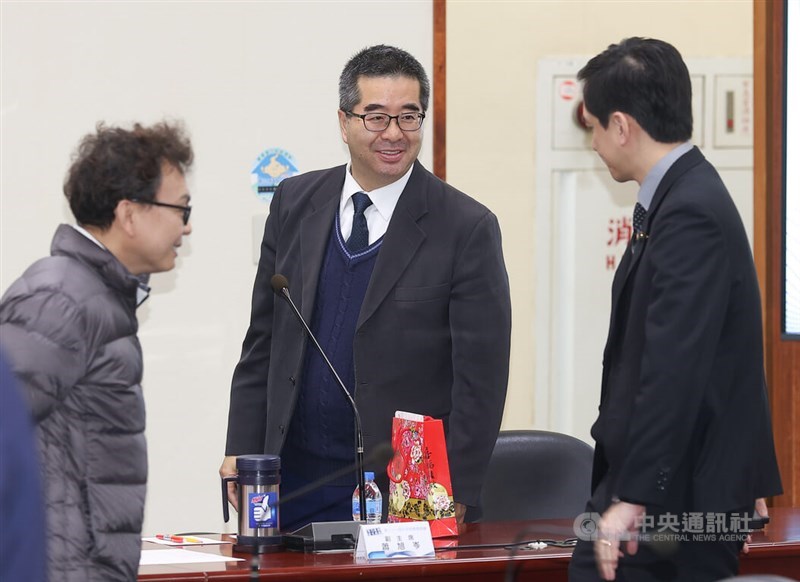
The KMT's current engagement (January 2025 and February 2026 delegations) is the most aggressive since 2016, when party-to-party dialogue was suspended. The delegation size (40 experts), high-level participants (National Policy Foundation Deputy Chairman), and explicit focus on 'industrial collaboration' and 'precision machinery' indicate this is a formal trade negotiation, not symbolic dialogue. Historically, similar KMT-Beijing delegations (2008-2016) preceded tariff reductions of 5-10 percentage points within 12-18 months. The current timeline suggests formal tariff schedules will be announced by Q2 2026, making this comparable to the 2010 Economic Cooperation Framework Agreement (ECFA) which reduced Taiwan-China tariffs by 8-12 percentage points across 539 product categories.
What are the compliance risks for sellers using Taiwan-origin goods in China trade?
Current compliance risks are moderate but declining. Taiwan goods entering China currently require standard customs documentation (HS codes, certificates of origin, commercial invoices) with no special restrictions under the 1992 Consensus framework. However, sellers should monitor the February 2026 KMT-Beijing delegation outcomes for any new regulatory requirements. The delegation's focus on 'disaster prevention and mitigation' and 'environmental sustainability' suggests potential new environmental compliance standards (ISO certifications, carbon reduction documentation) may be introduced alongside tariff reductions. Sellers should obtain ISO 14001 or equivalent certifications by Q1 2026 to ensure compliance with anticipated environmental requirements.