
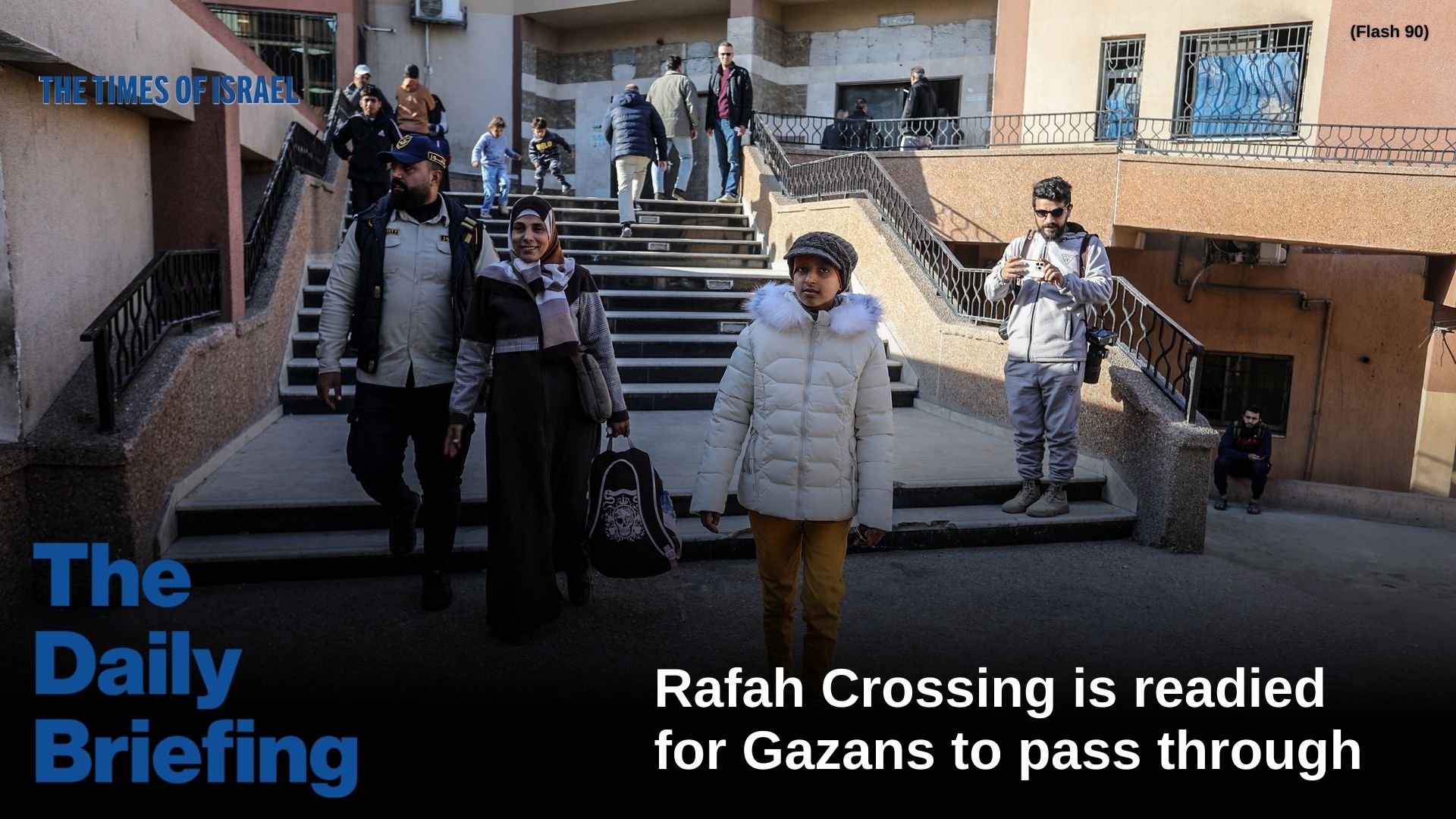


Rafah Border Reopening 2026 | Emerging Market Access for Medical & Humanitarian Sellers
- Limited 50-person daily capacity signals phased market opening; medical device/pharmaceutical sellers gain Egypt distribution foothold; reconstruction demand creates $2B+ opportunity window






















概览
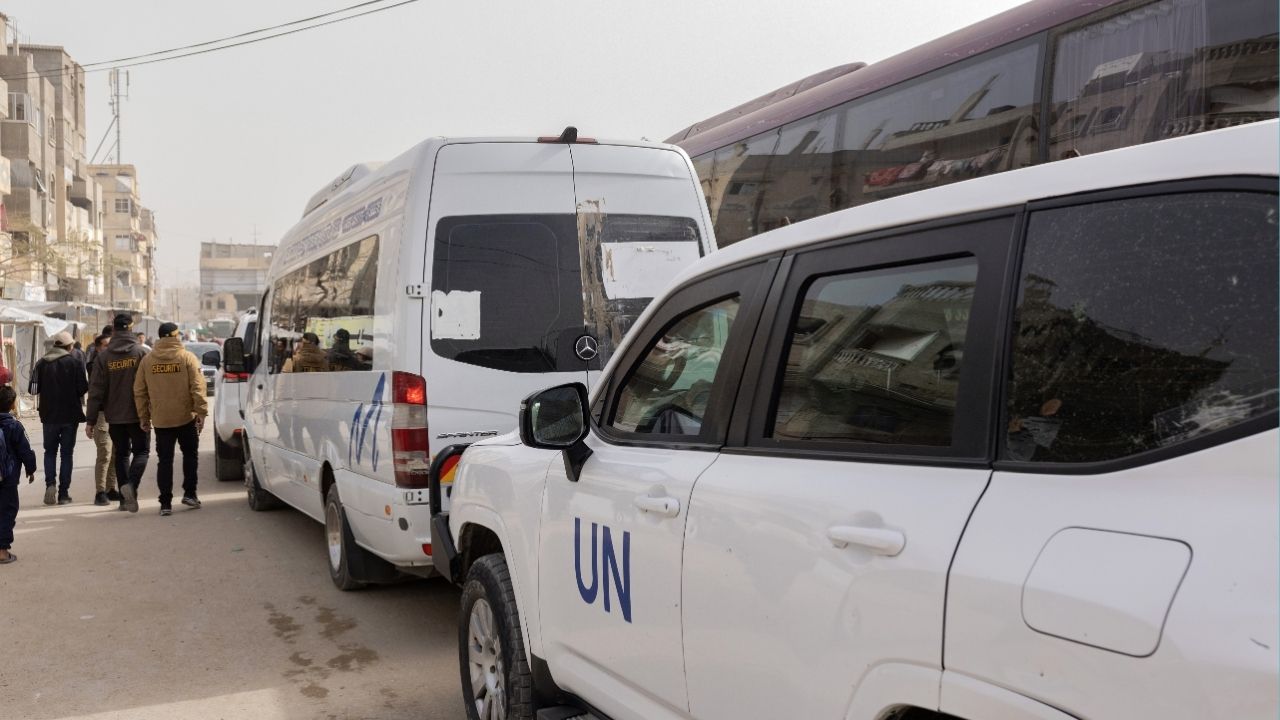
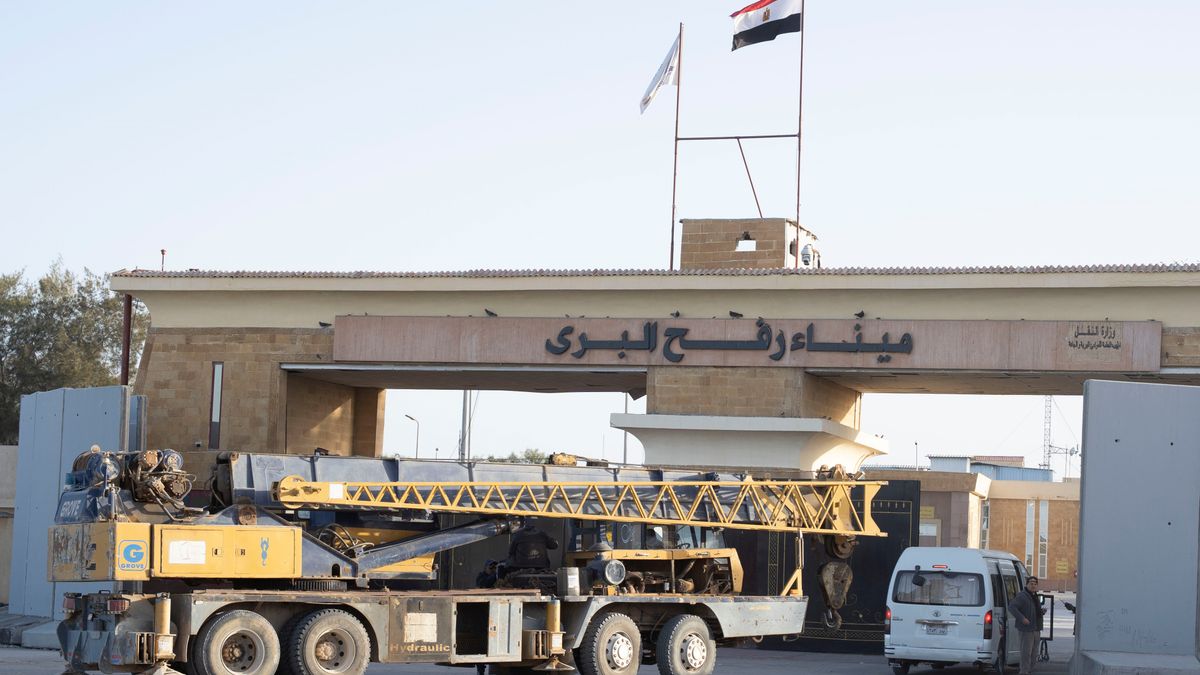
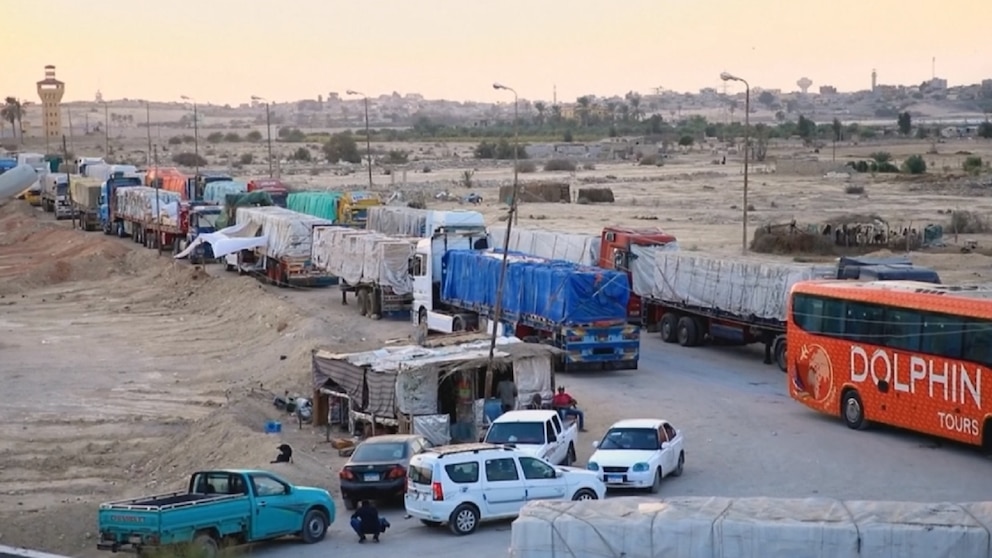
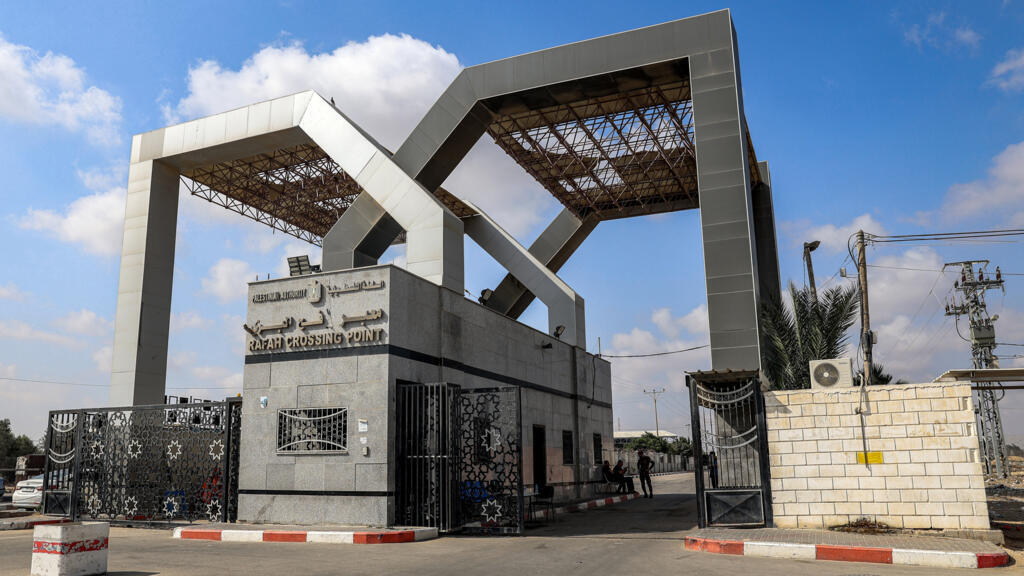
The February 2, 2026 partial reopening of the Rafah border crossing between Gaza and Egypt after 21 months of complete closure represents a critical geopolitical shift with direct implications for cross-border sellers in medical devices, pharmaceuticals, and humanitarian goods. The crossing currently permits only 50 Palestinians daily (with actual day-one traffic at 5-15 patients), but this represents the first implementation of Trump's 20-point Gaza peace plan and signals a phased expansion trajectory. For sellers, this creates a time-sensitive market access opportunity in three distinct phases: immediate medical evacuation demand (20,000+ patients requiring treatment abroad), mid-term reconstruction procurement (Palestinian governance establishing), and long-term consumer goods distribution into Gaza's 2.3M population.
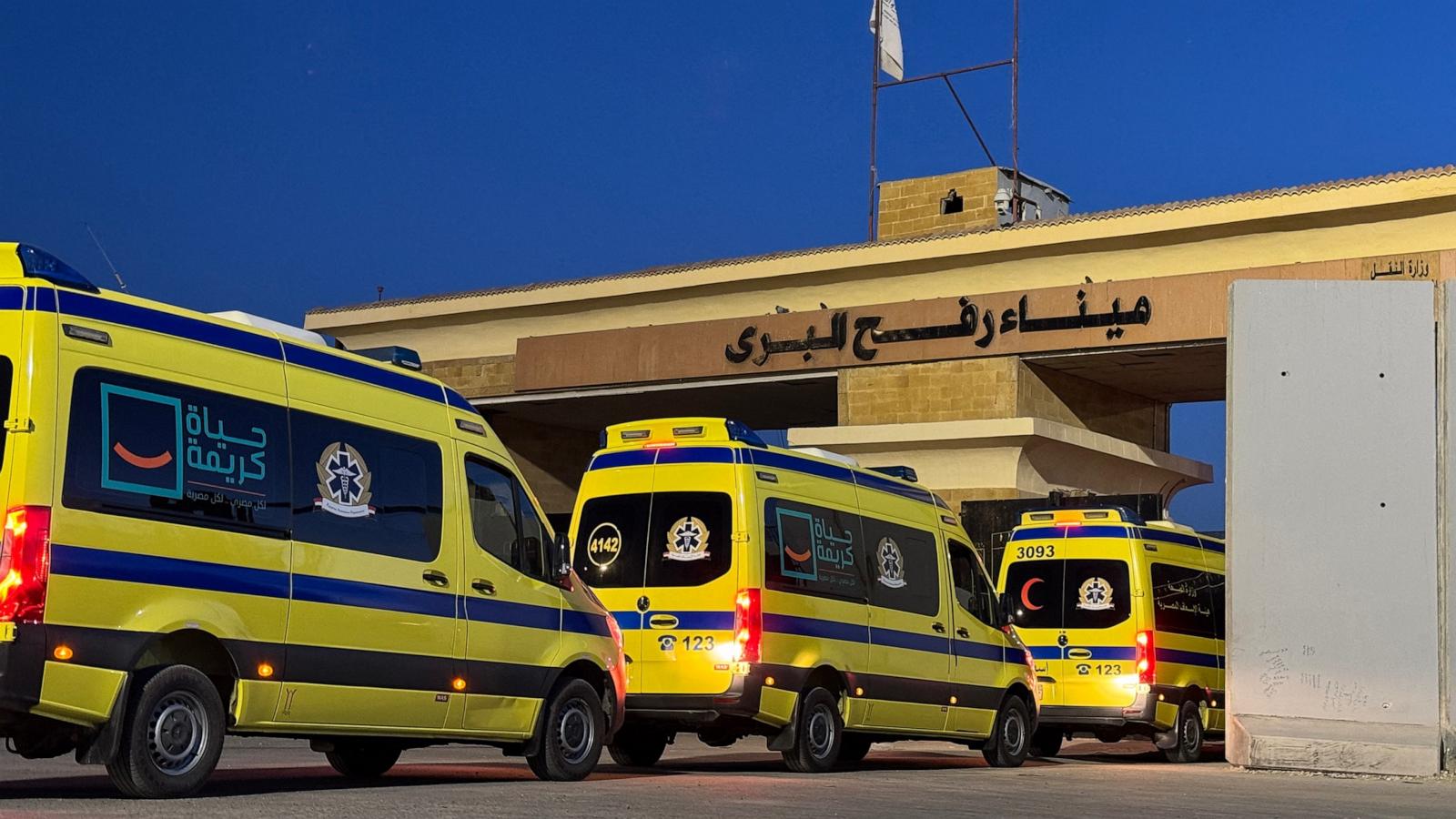
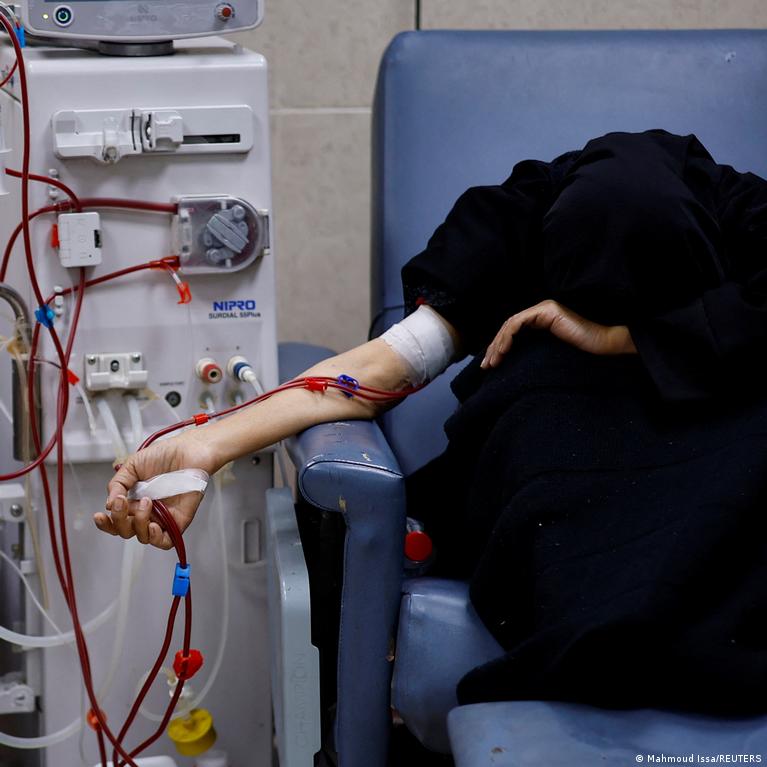
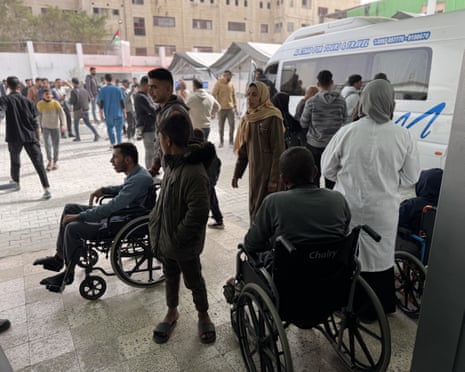
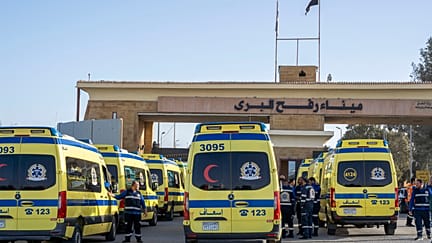
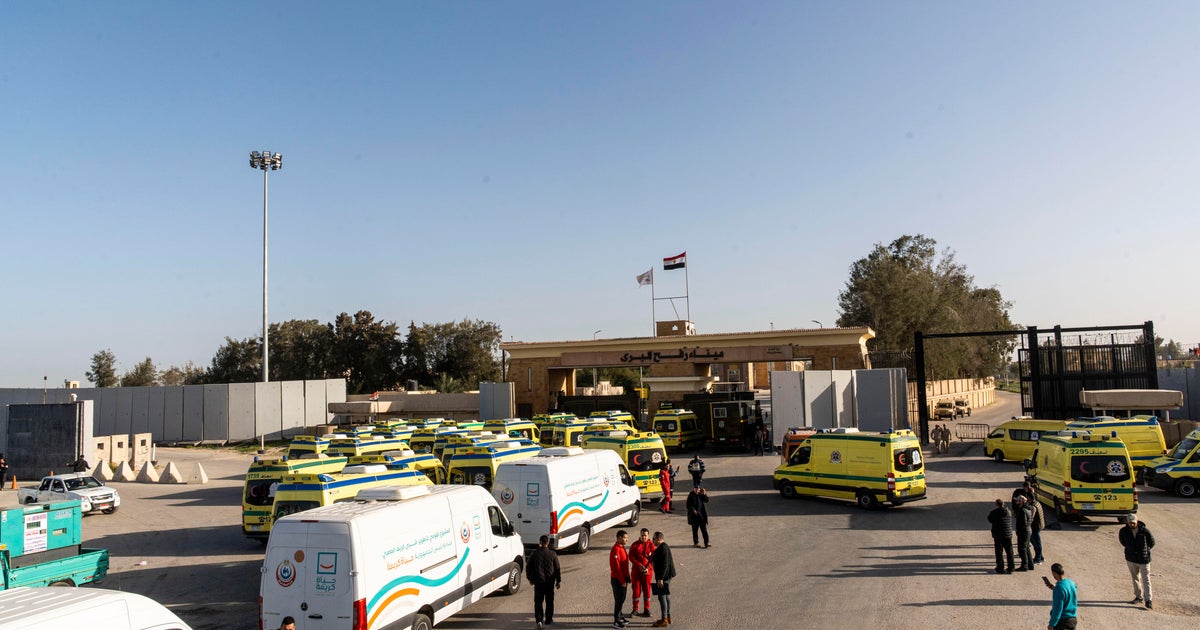
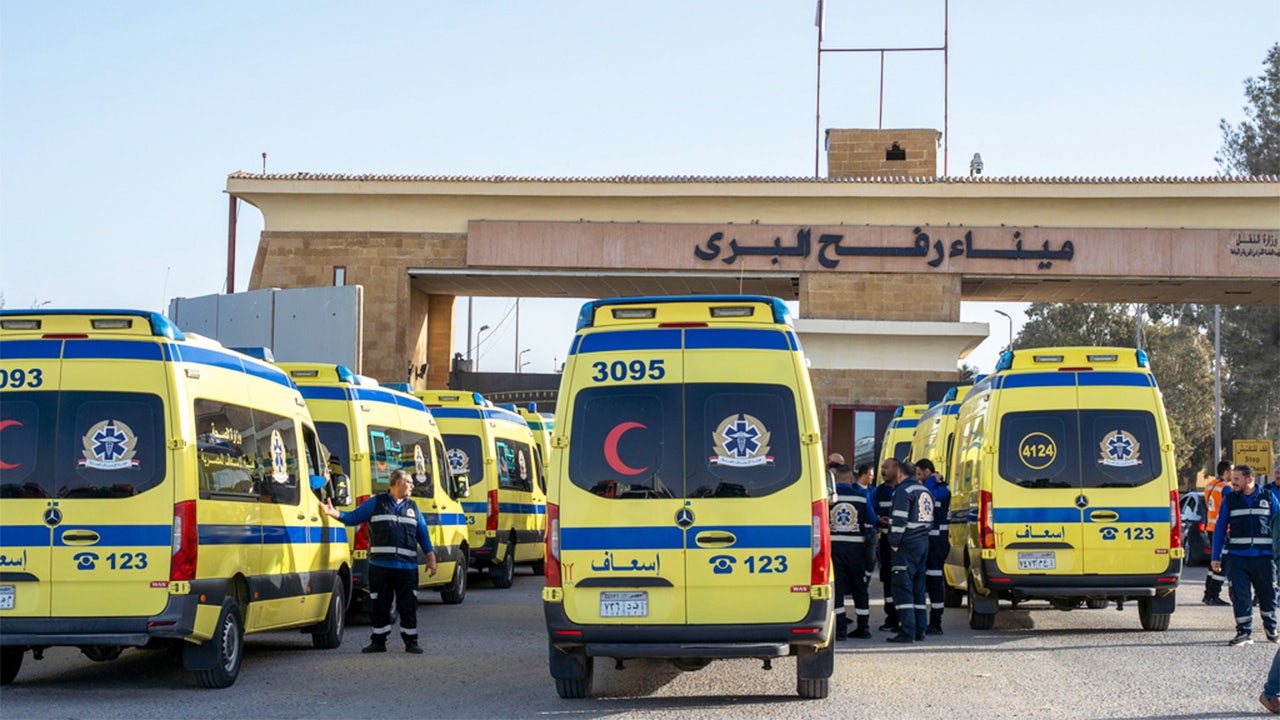
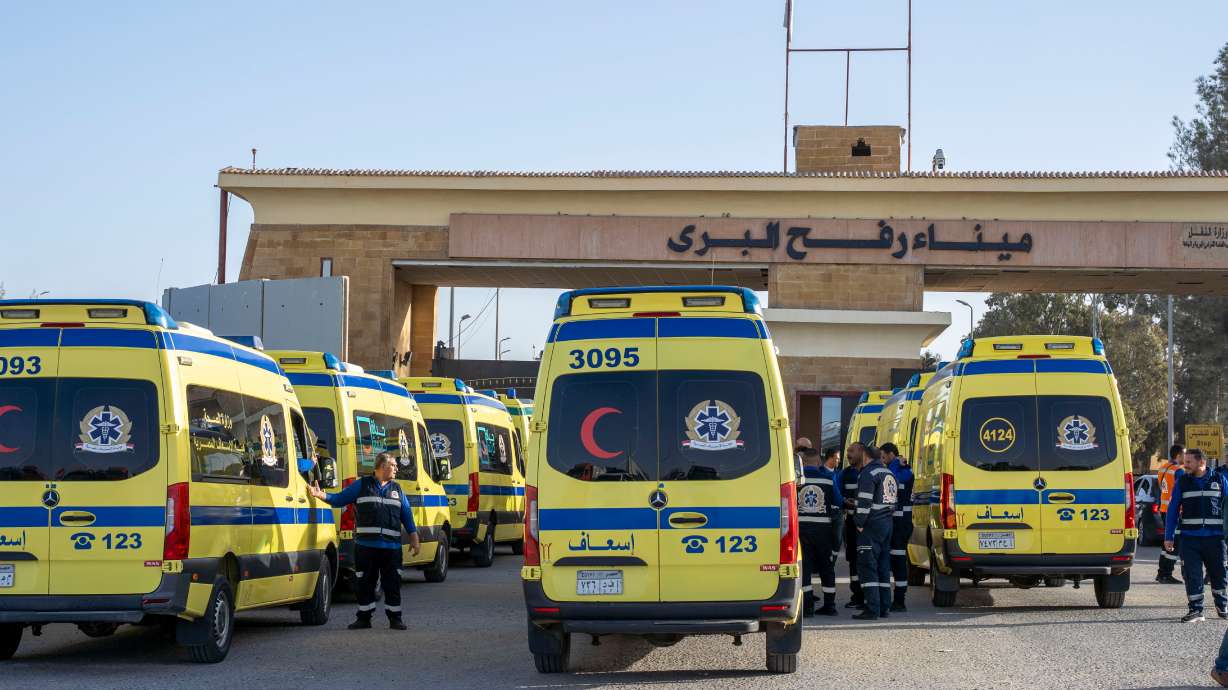
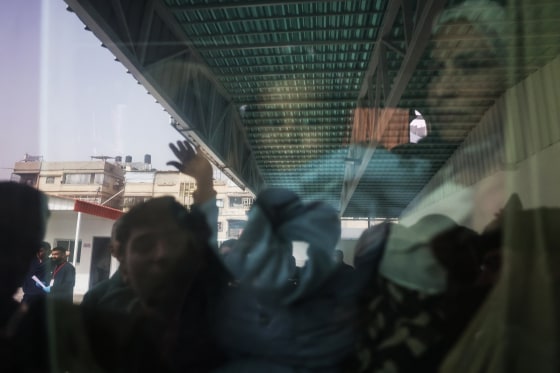
Medical device and pharmaceutical sellers face immediate opportunities through Egypt's mobilized healthcare infrastructure: 150 hospitals and 300 ambulances now positioned to receive Gaza patients, creating demand for diagnostic equipment, mobility aids (CPAP machines, wheelchairs), surgical supplies, and post-treatment medications. The World Health Organization reports 900+ deaths while awaiting border access, indicating severe medical capacity constraints that reconstruction will address. Sellers can establish Egyptian distribution partnerships now to capture the 10,700+ Palestinians returning after treatment abroad—each representing a potential repeat customer for ongoing medical supplies and family healthcare products.
The security checkpoint infrastructure ('Regavim') and identity verification systems create compliance requirements but also barriers to entry that protect early movers. Israeli-approved lists and joint Israeli-Egyptian screening mean sellers must navigate dual regulatory frameworks, but this also prevents commodity dumping and protects margins for compliant suppliers. The EU Border Assistance Mission (EUBAM) presence signals international legitimacy and potential for EU-funded procurement contracts. Reconstruction phase demand is projected to begin Q3 2026, with Palestinian governance establishing procurement frameworks—sellers should begin positioning for construction materials, medical facility equipment, and educational supplies now, before competition intensifies.
Competitive advantage accrues to sellers with Egypt-based logistics infrastructure and existing relationships with NGOs (Doctors Without Borders, Glia, Red Crescent). The current 0.025% capacity utilization (5 patients vs. 20,000 need) indicates massive expansion potential as security protocols normalize. Sellers should monitor Trump administration announcements for additional crossing openings (German foreign ministry committed to supporting systematic opening of additional crossings for goods/supplies), which could accelerate the timeline from phased to full market access within 12-18 months.
问题 8
What is the timeline for Gaza market expansion beyond medical evacuations?
Phase 1 (Current-Q2 2026): Medical evacuations only, 50-person daily limit, 5-15 actual crossings daily. Phase 2 (Q3 2026): Projected expansion to 200-300 daily as Palestinian governance establishes and reconstruction procurement begins. Phase 3 (Q4 2026-2027): Full commercial goods access anticipated as Trump's 20-point peace plan implementation progresses. The news reports German foreign ministry commitment to 'systematic opening of additional crossings for goods and supplies,' suggesting acceleration beyond current timeline. Sellers should position inventory and logistics for Phase 2 expansion by August 2026. The 10,700 Palestinians returning after treatment abroad represent immediate repeat-customer base for medical supplies, creating 3-6 month window for customer acquisition before broader market competition arrives.
How do sellers navigate dual Israeli-Egyptian regulatory requirements?
The Israeli Defense Forces 'Regavim' checkpoint requires pre-approval of all names against Israeli security establishment lists, adding 3-5 business days to clearance. Egyptian Ministry of Health coordinates medical resource deployment (150 hospitals, 300 ambulances), meaning sellers must register with Egyptian health authorities for medical products. Sellers should: (1) Establish Egypt-based import agent familiar with both Israeli and Egyptian customs procedures; (2) Obtain Egyptian Ministry of Health registration for medical devices/pharmaceuticals (HS codes 3004, 9018, 9021); (3) Prepare dual documentation packages (Hebrew/Arabic/English); (4) Budget $3,000-8,000 for compliance consulting. The EU Border Assistance Mission presence suggests potential for simplified procedures for EU-certified suppliers. Compliance complexity score: 7/10 (moderate-high), but early movers establishing relationships with EUBAM teams gain 6-12 month advantage.