

High-Altitude Tragedy Exposes Critical Risks in Remote Medical Evacuation Services
- Mounting safety challenges threaten tourism and emergency response capabilities in challenging geographical environments













-694d614d69376.jpg)















概览
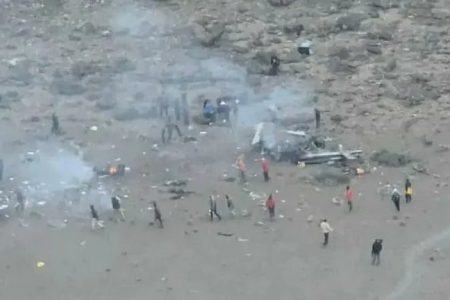
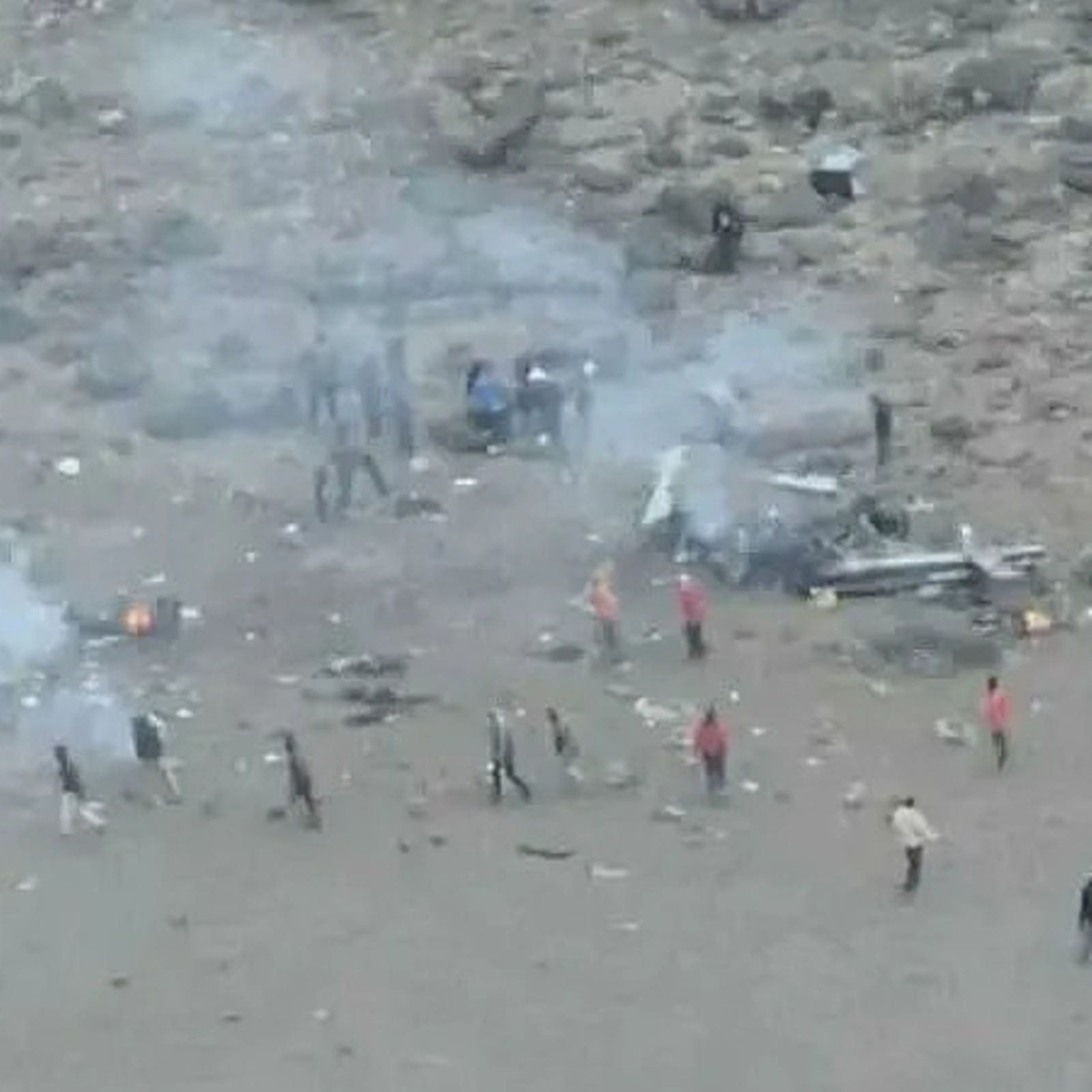
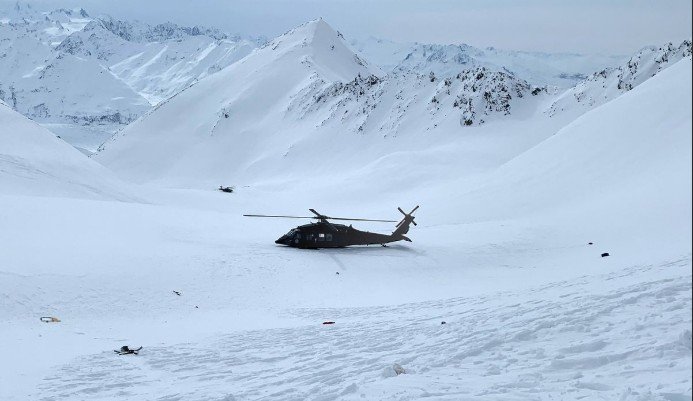
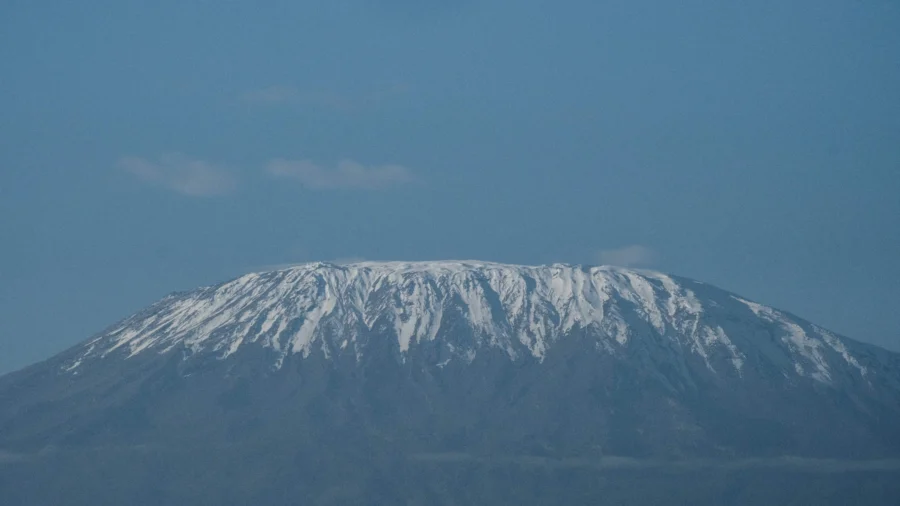
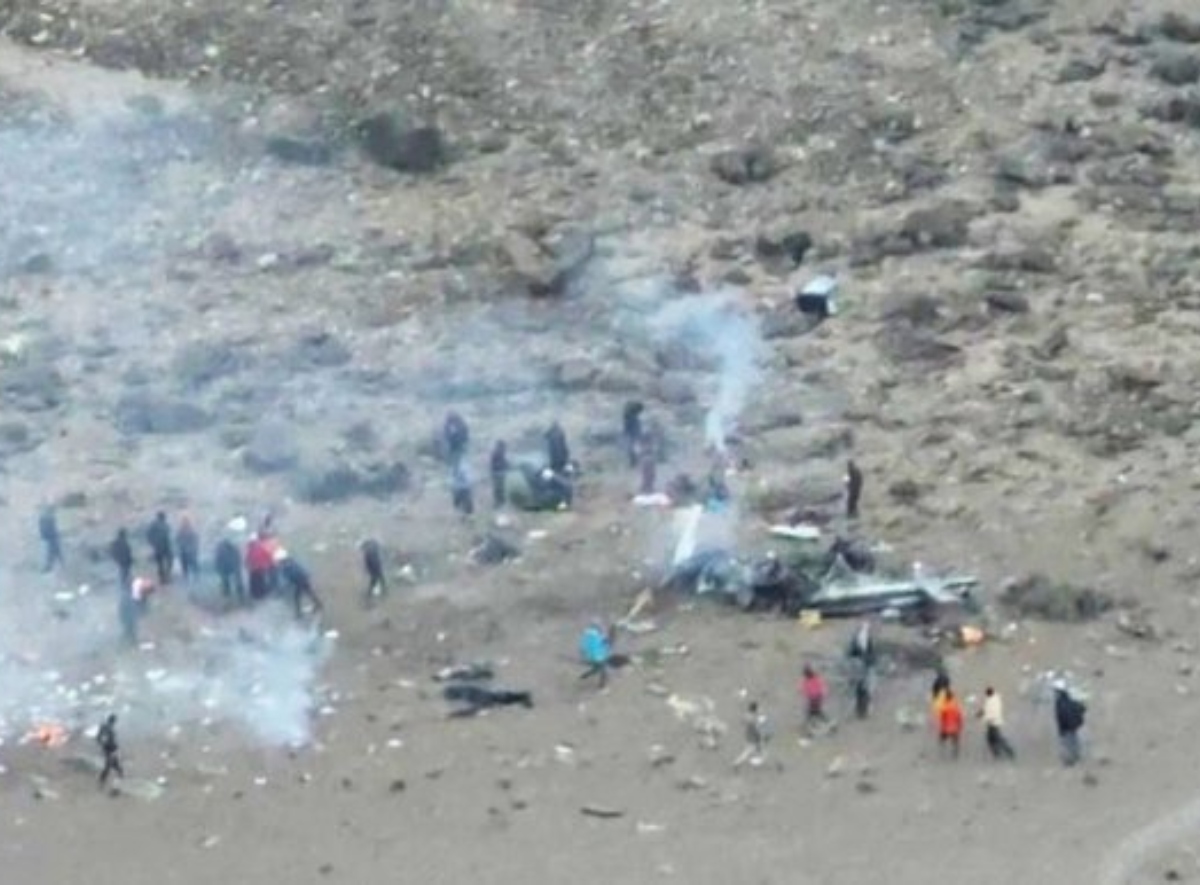
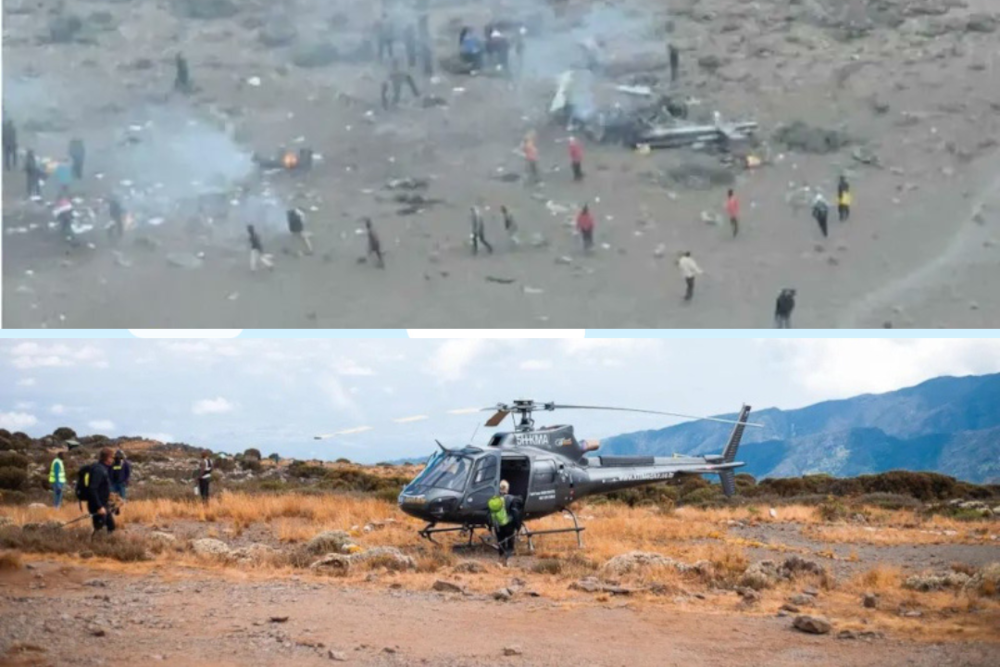
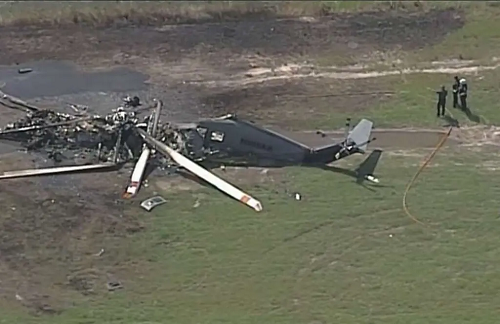
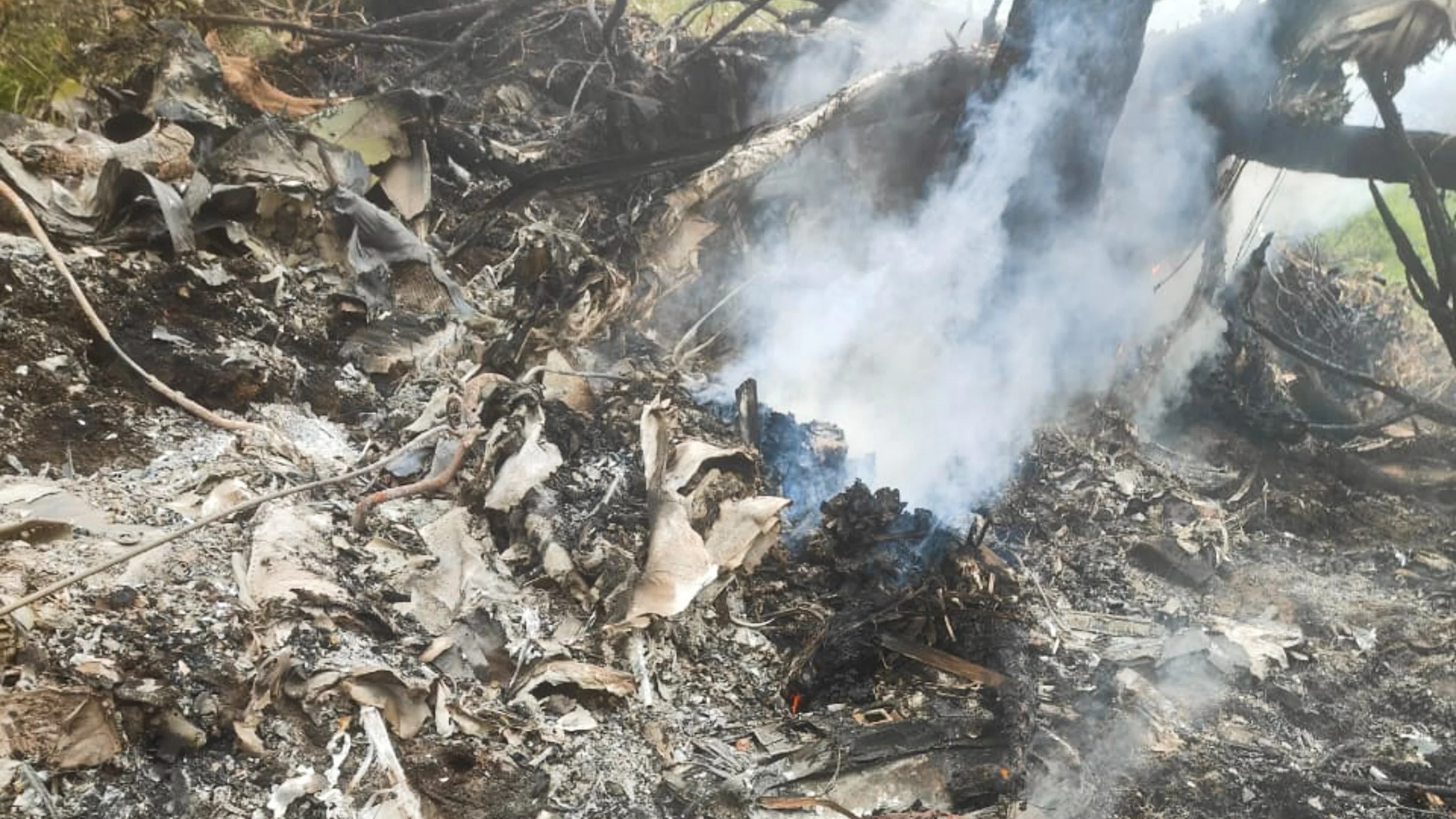
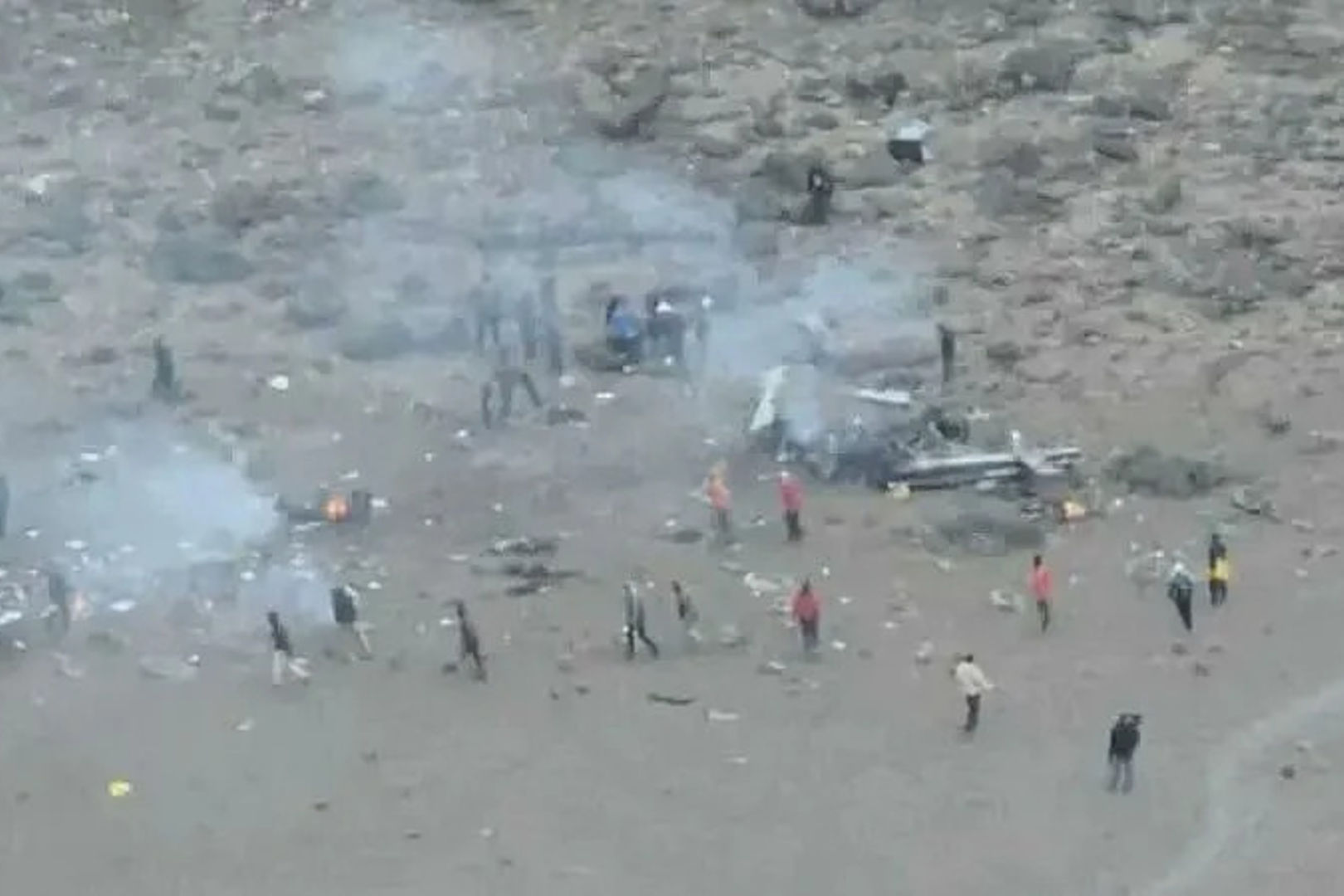
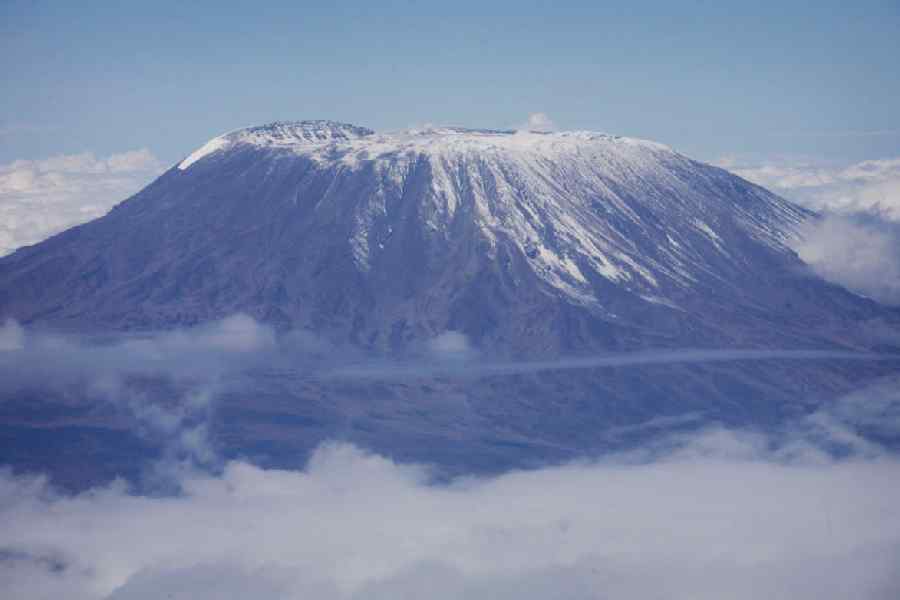
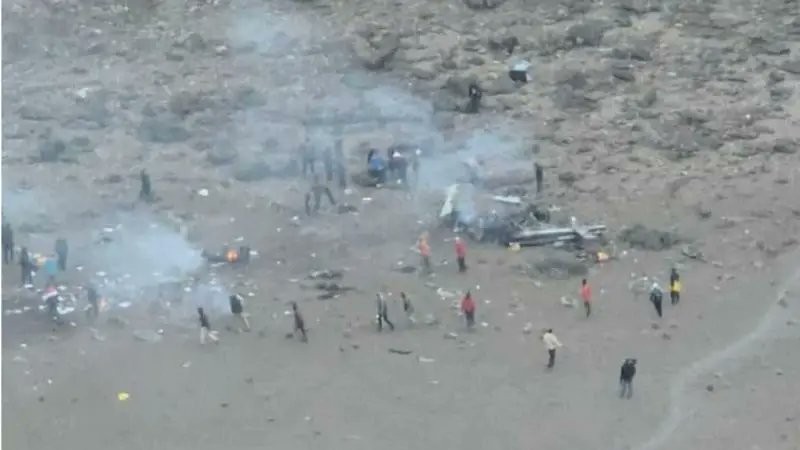
The tragic helicopter crash on Mount Kilimanjaro reveals a critical vulnerability in high-altitude medical evacuation and emergency response systems. On a fateful Wednesday evening, an Airbus helicopter operated by Kilimanjaro Aviation crashed near Barafu Camp, claiming five lives and exposing the inherent risks of aerial transportation in challenging mountainous terrain.
Strategic Implications: This incident goes far beyond a singular aviation accident. It underscores the complex operational challenges facing medical evacuation and tourism services in remote, high-risk environments. The crash involved a diverse group of victims—a local tour guide, a Tanzanian doctor, a Zimbabwean pilot, and two Czech tourists—highlighting the international nature of mountain rescue operations.
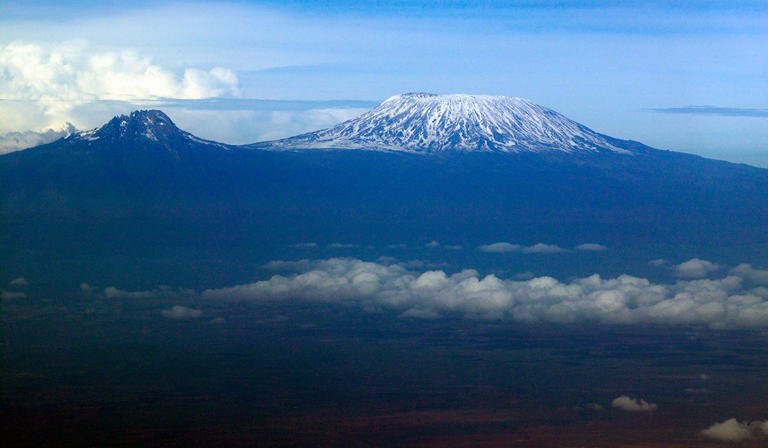
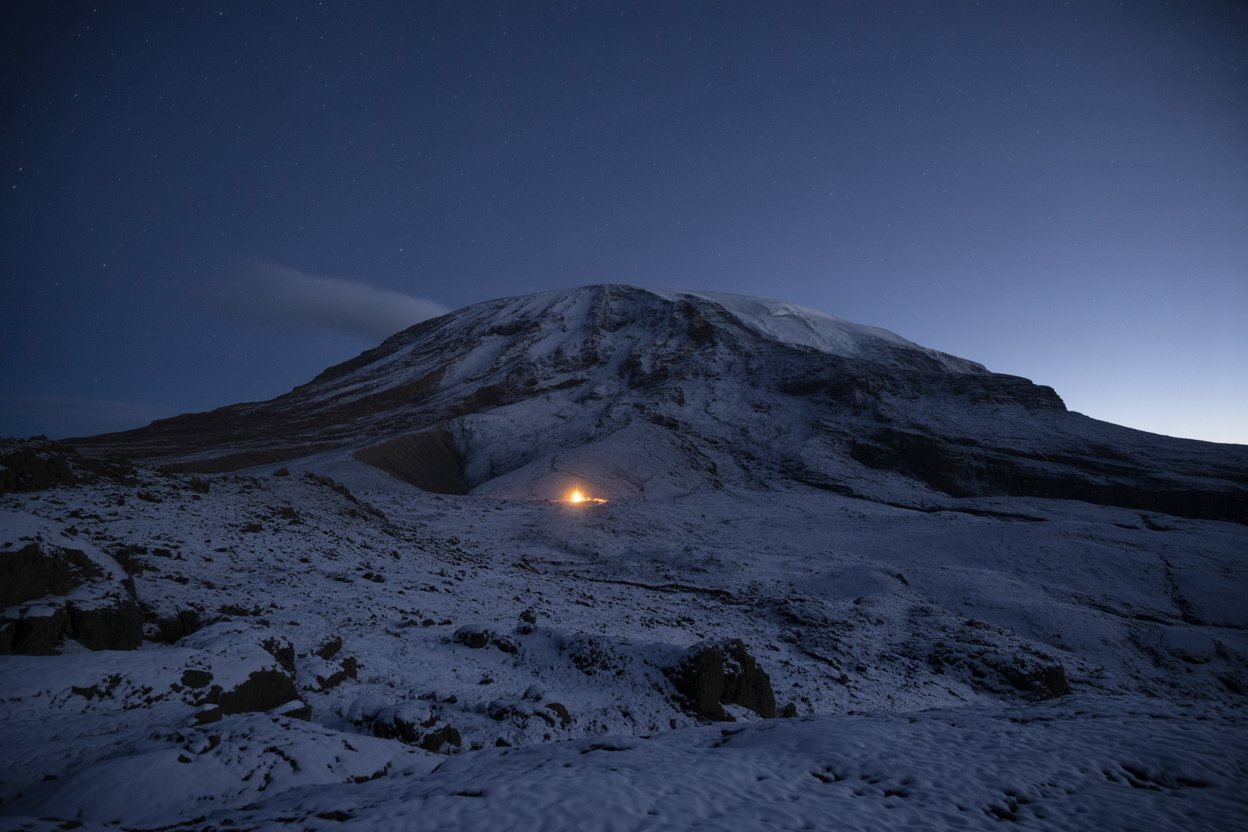
The geographical context is crucial. Mount Kilimanjaro, standing nearly 6,000 meters above sea level, attracts approximately 50,000 annual climbers. With such high visitor numbers, the reliability of emergency services becomes paramount. The Tanzania Civil Aviation Authority's immediate investigation signals the seriousness of maintaining rigorous safety standards in these challenging conditions.
For cross-border logistics and tourism operators, this tragedy serves as a stark reminder of the critical importance of comprehensive risk management. The incident suggests that current safety protocols may be insufficient for the unique challenges posed by high-altitude rescue missions. Companies operating in similar environments must prioritize advanced safety technologies, comprehensive pilot training, and robust emergency preparedness strategies.
Historically, such accidents are rare—the previous fatal crash on Kilimanjaro occurred in November 2008. However, this recent tragedy may trigger a broader reassessment of medical evacuation services in remote mountainous regions. The potential ripple effects include increased scrutiny of aviation safety standards, more stringent insurance requirements, and potentially reduced traveler confidence in high-risk destinations.
The core lesson is clear: in extreme geographical environments, safety cannot be an afterthought. It must be the fundamental foundation of any operational strategy, especially when human lives are at stake.
问题 3
What specific risks does this helicopter crash reveal for medical evacuation services?
The crash highlights the extreme challenges of high-altitude rescue operations, including technical difficulties in mountainous terrain, limited visibility, and complex weather conditions. It demonstrates that current safety protocols may be insufficient for managing risks in remote, challenging geographical environments.
What lessons can logistics and transportation companies learn from this incident?
Companies must prioritize comprehensive risk assessment, invest in advanced safety technologies, and develop robust emergency response protocols. This includes specialized training for personnel operating in challenging geographical environments, comprehensive insurance coverage, and continuous safety technology upgrades.