


Game Franchises at the Crossroads: Nostalgia, Reinvention, and the Art of Storytelling Revival
- Emerging narrative strategies reshape iconic game series through strategic character and timeline reimagination




概览
The video game industry is experiencing a fascinating metamorphosis in how beloved franchises navigate their historical legacies and future potential. Narrative reinvention has emerged as a critical strategy for studios seeking to bridge generational gaps and maintain franchise relevance.
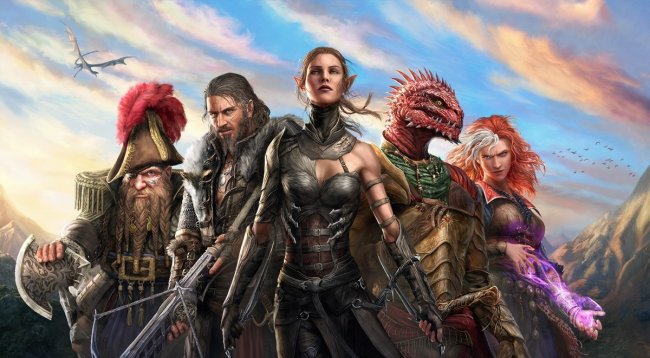
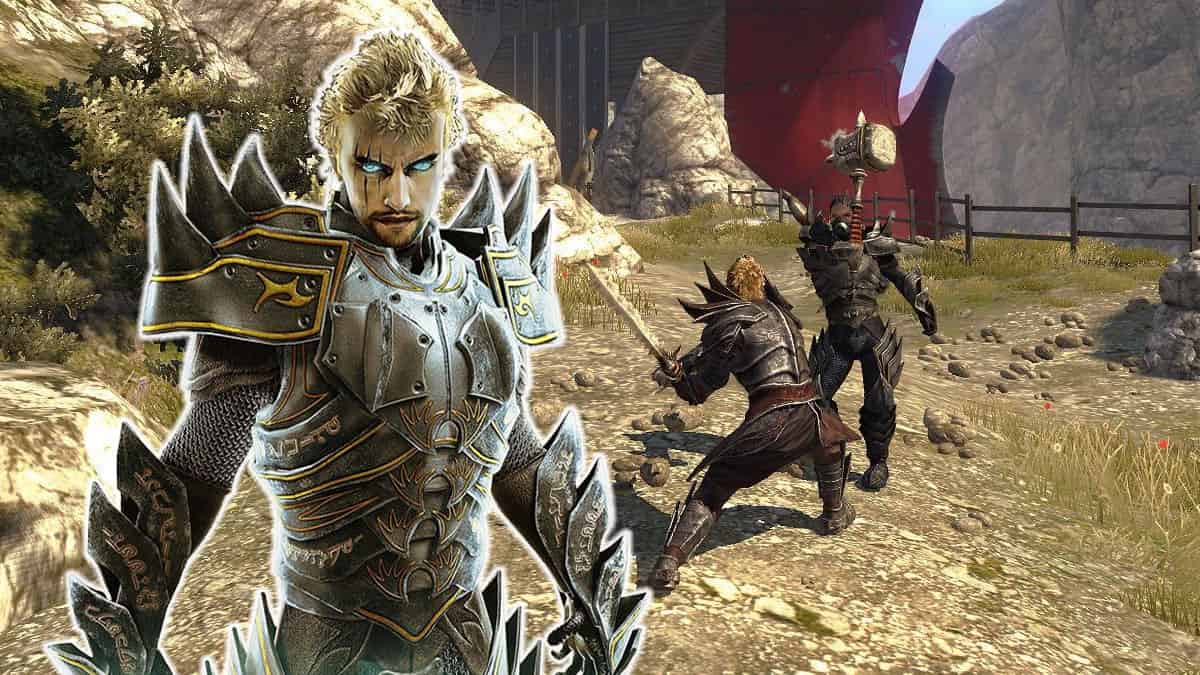
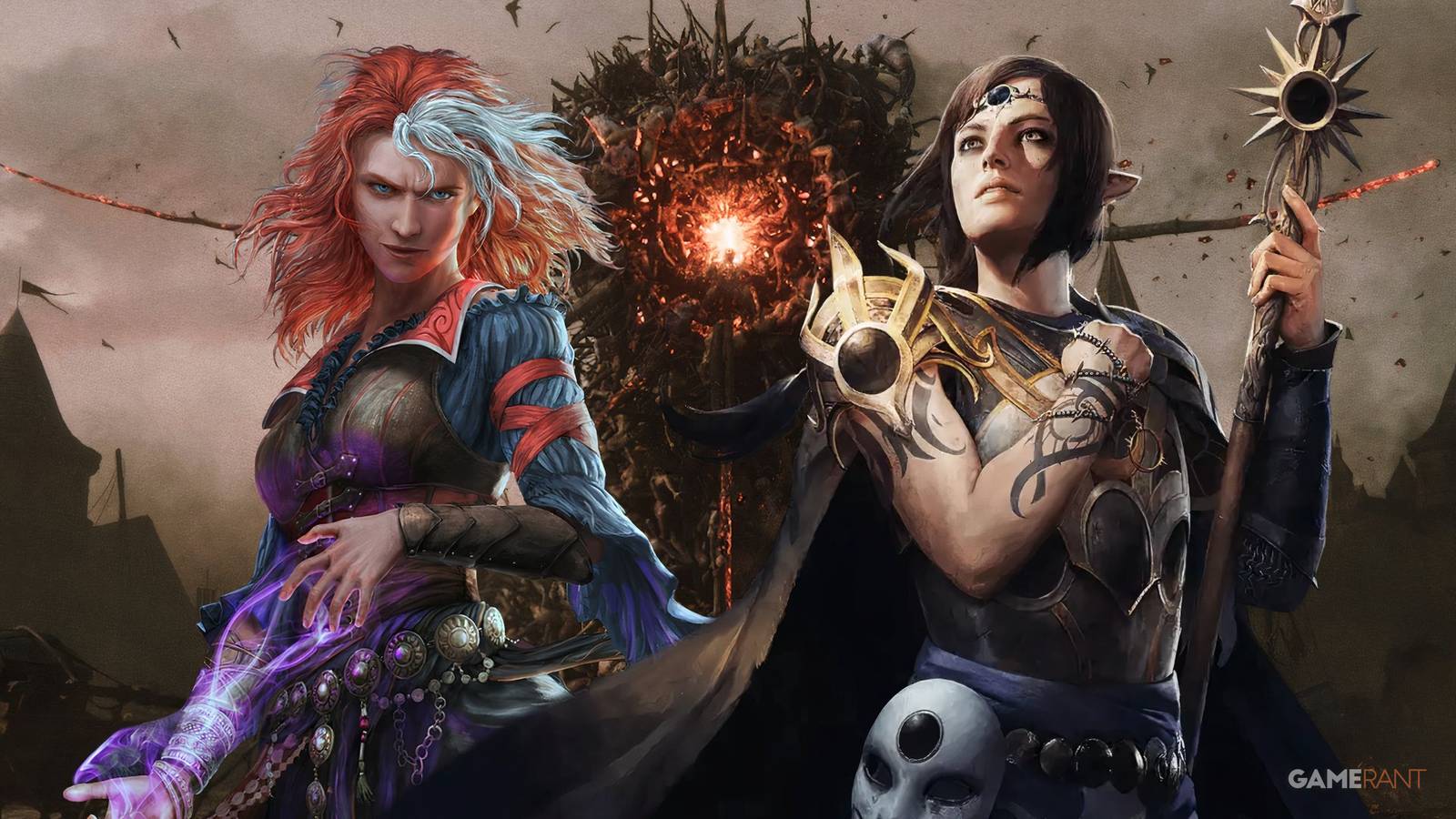
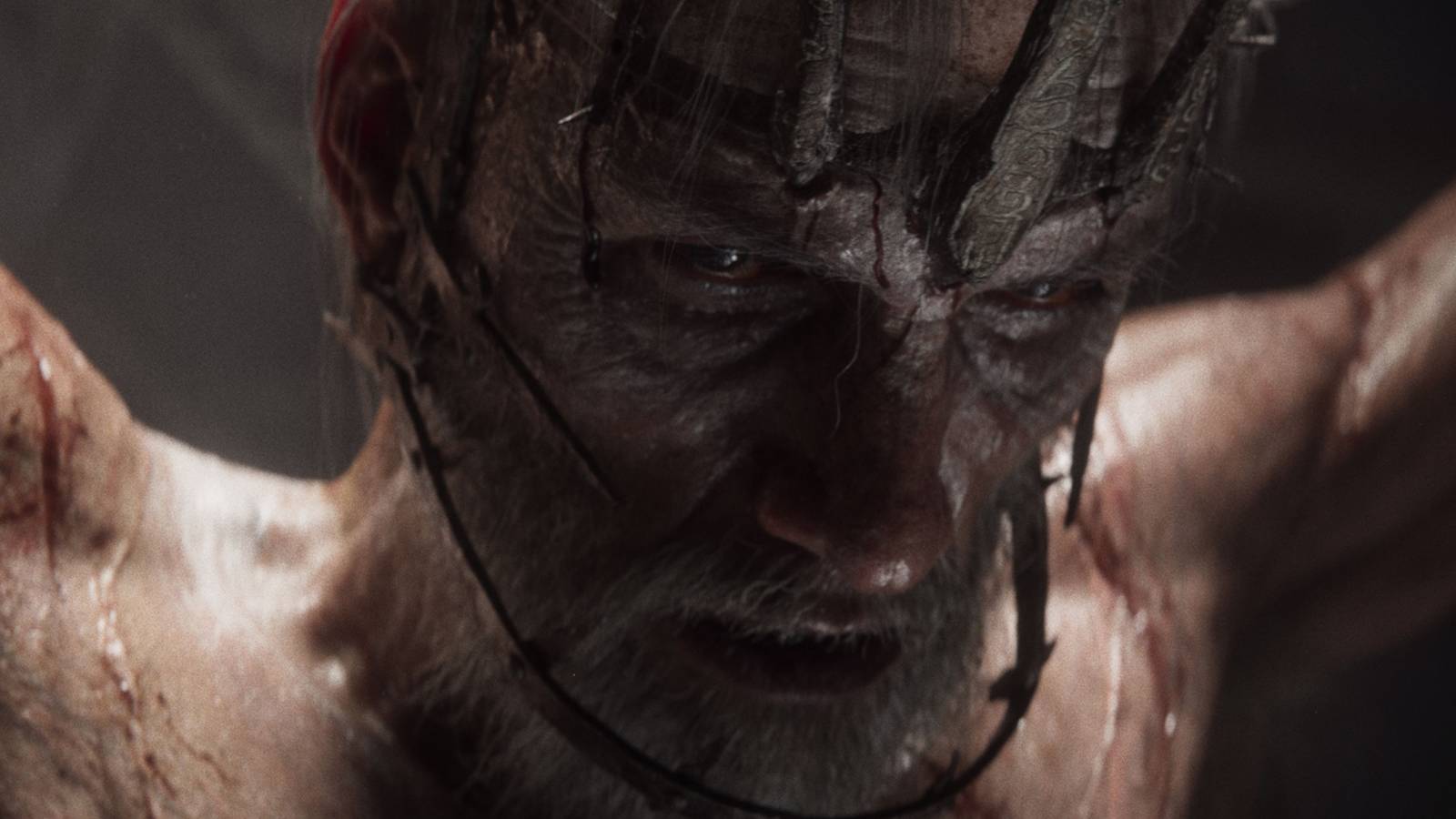
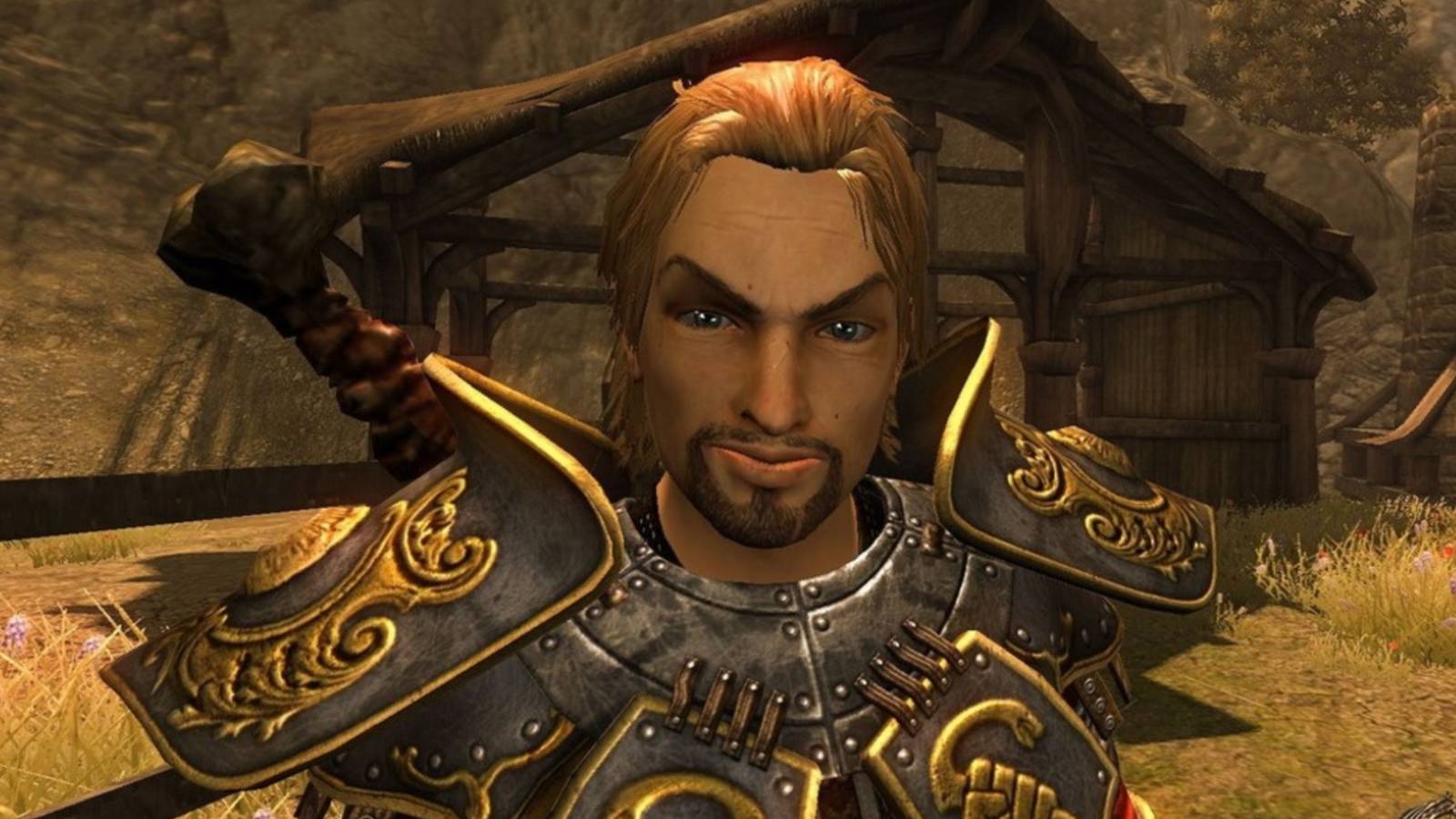
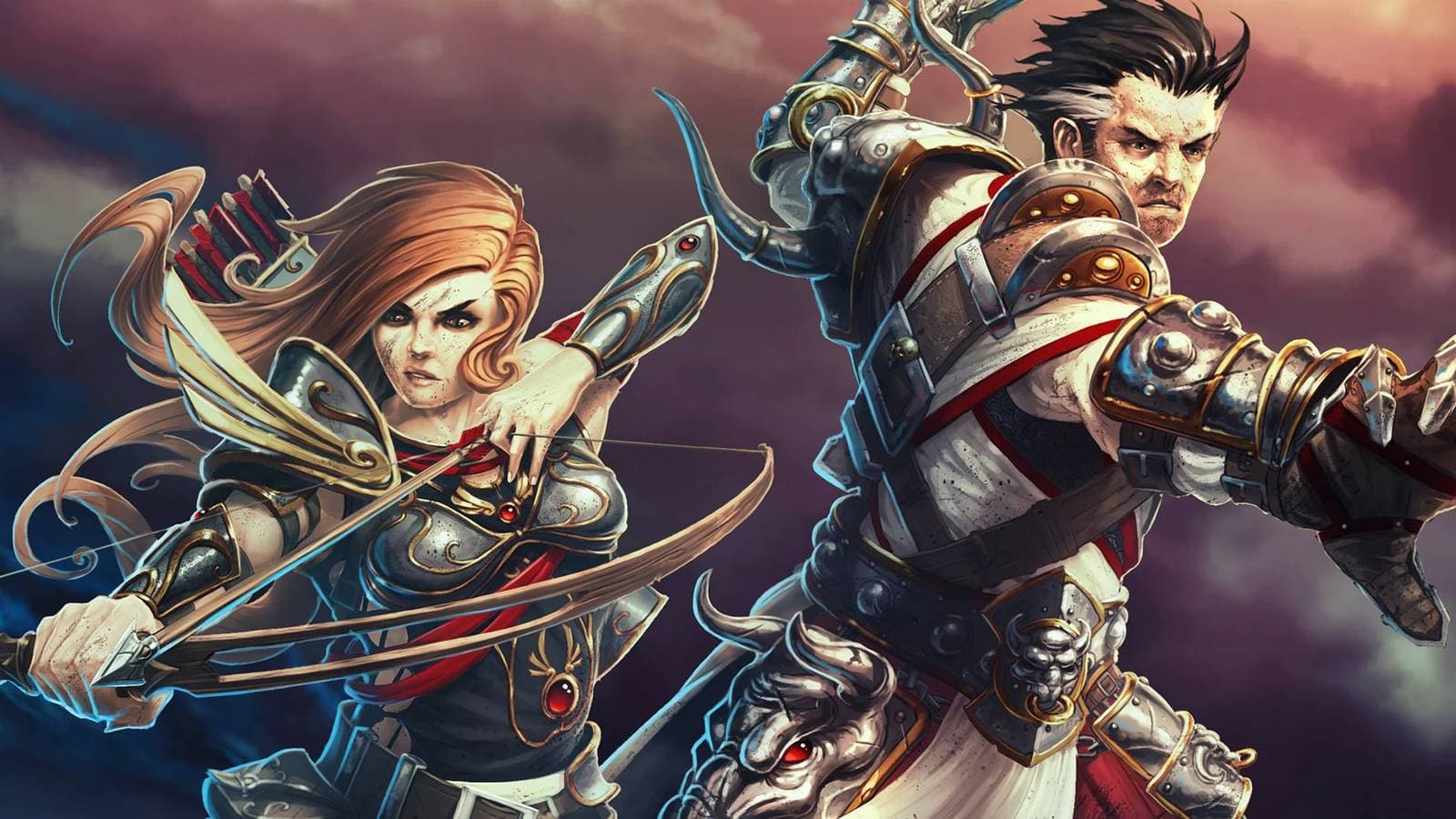
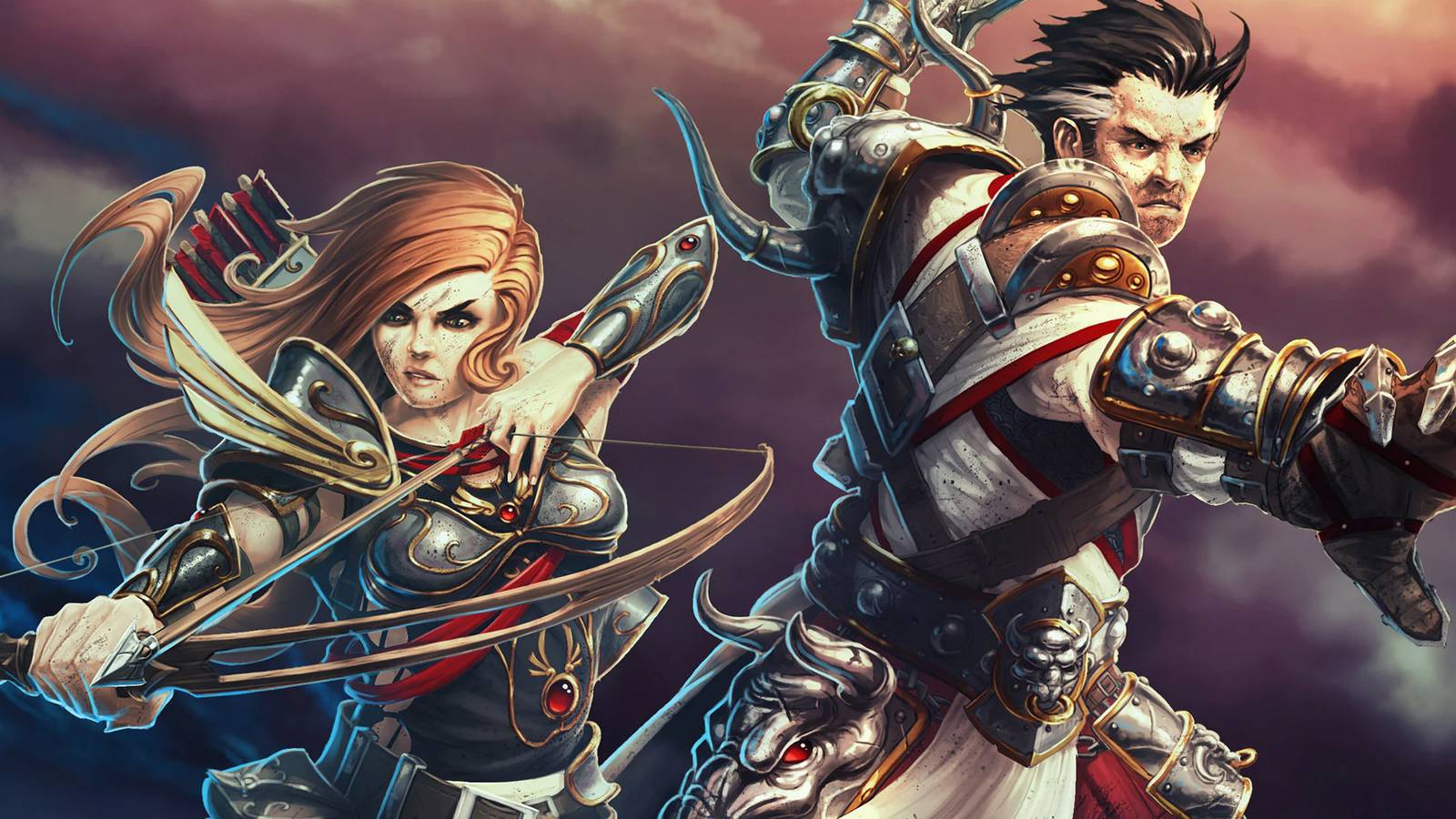
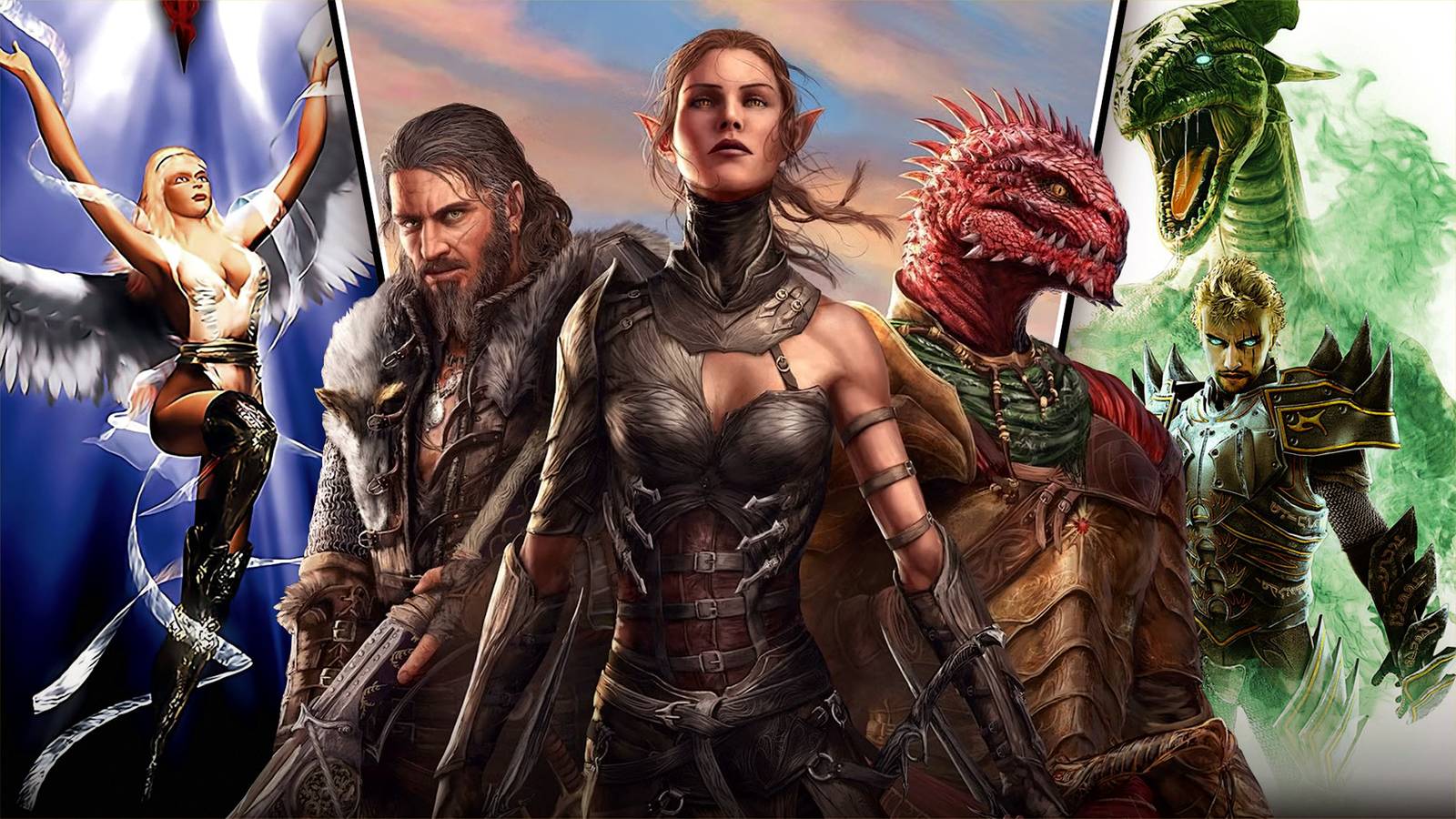
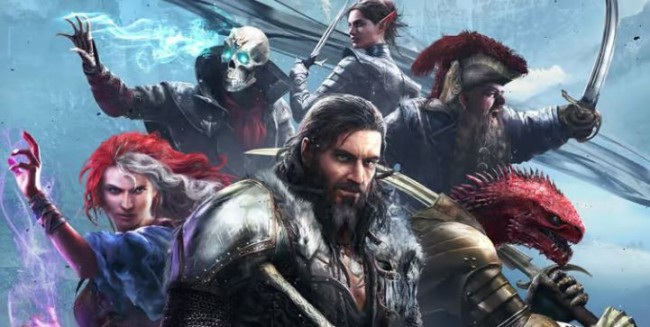
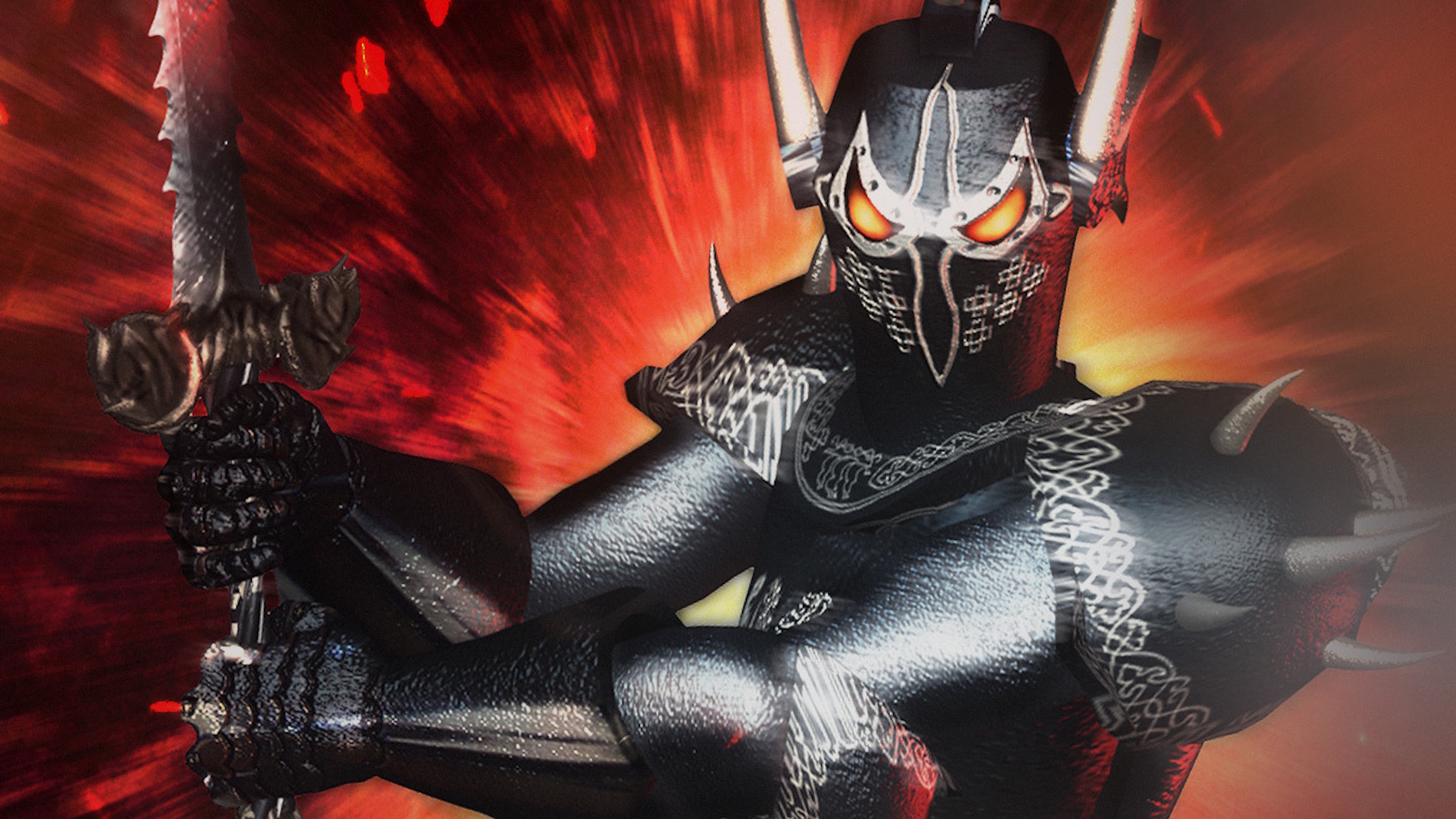
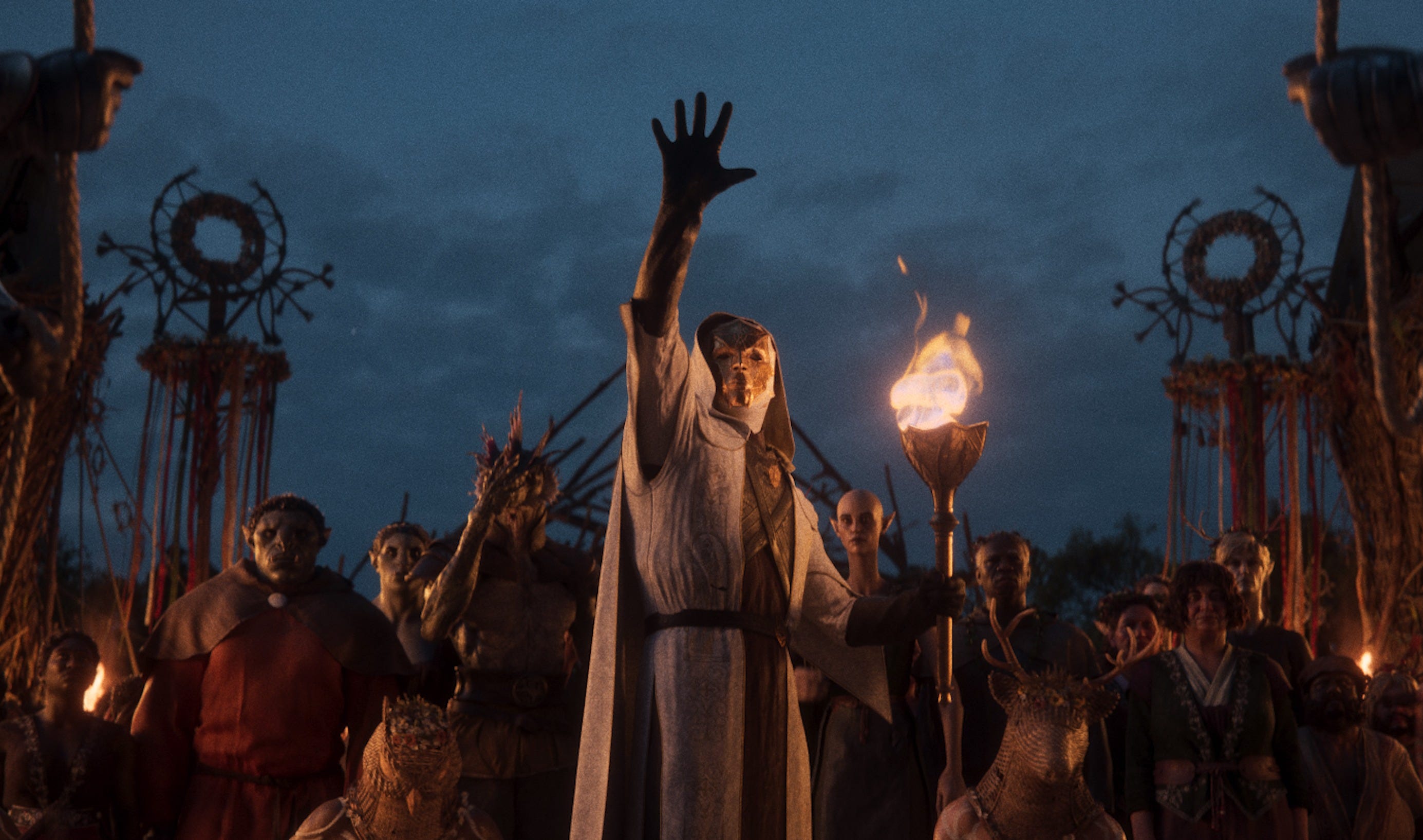
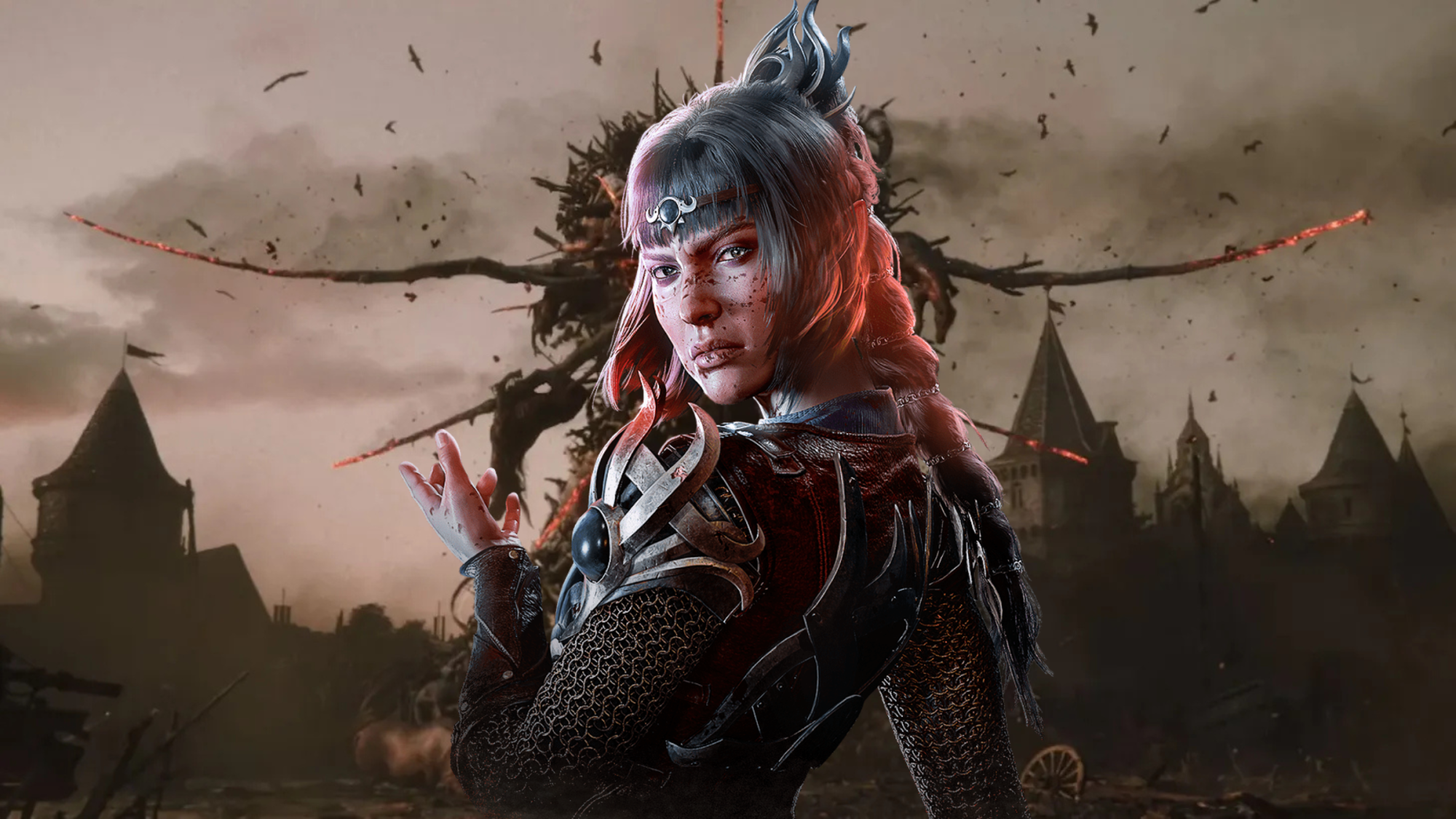
Larian Studios' Divinity series exemplifies this delicate balancing act. Swen Vincke's candid admission that early games are "outdated" signals a sophisticated approach to franchise management. By acknowledging the limitations of older titles while preserving their world-building essence, Larian demonstrates an understanding that modern players demand more than nostalgic retreads. The studio's recommendation to newcomers to start with Original Sin games reveals a deliberate strategy of creating entry points that feel contemporary while maintaining narrative continuity.
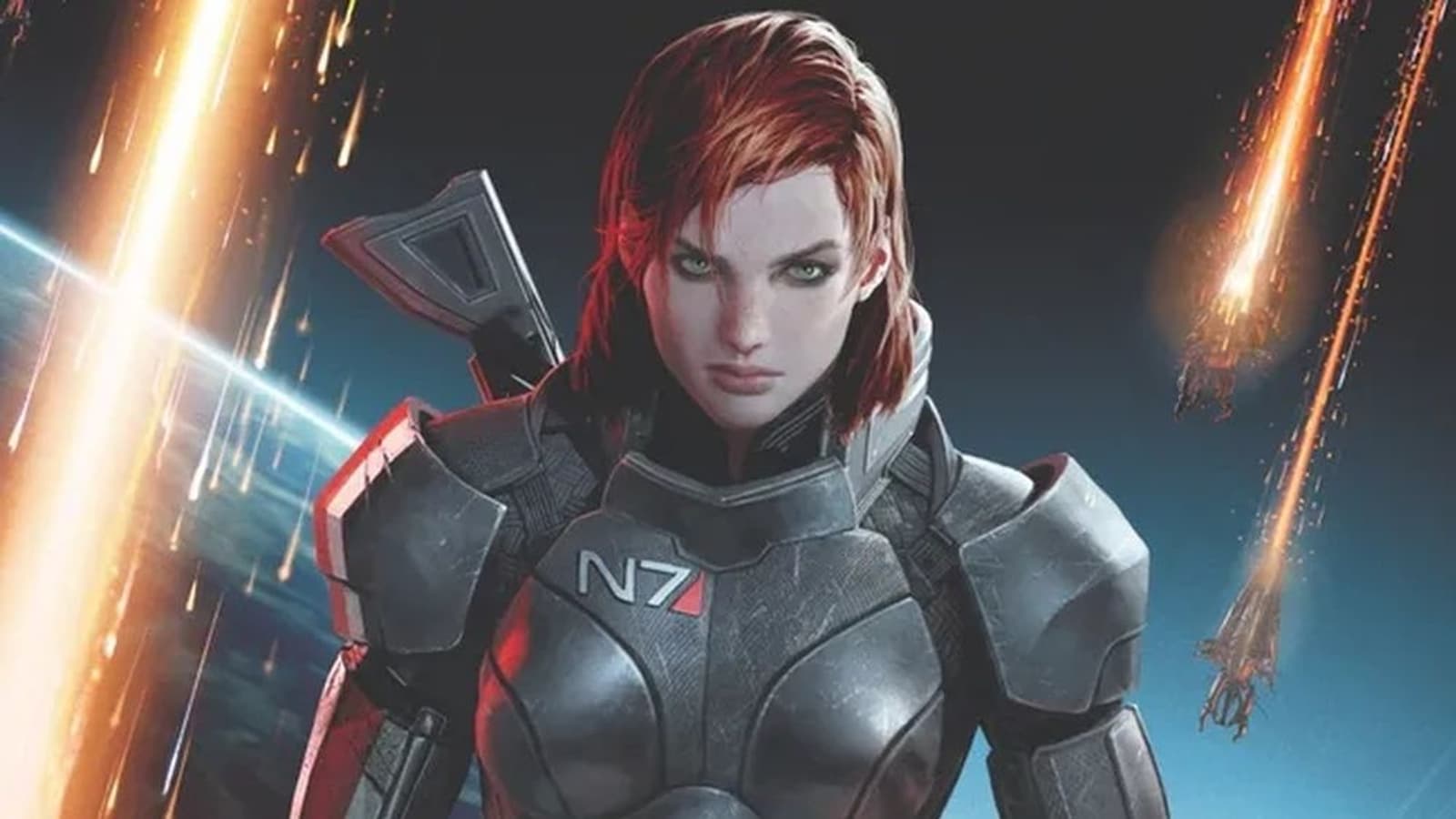
Similarly, the Mass Effect 5 development showcases another dimension of narrative revival. The potential return of original trilogy actors Jennifer Hale and Mark Meer represents more than mere fan service—it's a complex narrative negotiation. The discussions around character resurrection through mechanisms like cloning or timeline-specific events highlight the intricate storytelling challenges in preserving character integrity across multiple narrative iterations. This approach suggests game developers are increasingly treating narrative universes as living, adaptable ecosystems rather than static historical artifacts.
The underlying trend points to a broader industry transformation: game franchises are no longer linear progressions but dynamic, malleable storytelling platforms. Studios are learning to respect historical foundations while aggressively reimagining narrative possibilities. For players and industry observers, this means franchises can be perpetually reinvented, transcending traditional sequel limitations.
Critically, these strategies reveal a nuanced understanding of audience expectations. Modern gamers seek experiences that feel simultaneously familiar and innovative—a delicate balance that requires deep narrative intelligence and creative risk-taking. The willingness to critically examine and potentially deconstruct established narrative frameworks represents a mature, forward-looking approach to game development.
问题 3
How are game studios managing franchise continuity across generations?
Studios like Larian and BioWare are strategically creating narrative entry points that feel contemporary while preserving core world-building. They're critically examining older titles, acknowledging their limitations, and designing new experiences that can attract both nostalgic fans and new players.
What challenges do developers face when reviving long-running game franchises?
Developers must balance fan expectations, narrative complexity, and technological evolution. This involves carefully managing character continuity, updating gameplay mechanics, and creating storylines that feel both familiar and innovative without alienating existing fan bases.