



Gaza Humanitarian Crisis Disrupts Supply Chain Risk Management | Cross-Border Sellers Must Reassess Conflict Zone Operations
- 37 NGOs banned from Gaza operations; MSF exits by Feb 2026; 1,700+ healthcare workers killed; regulatory compliance becomes life-or-death issue for international organizations











概览
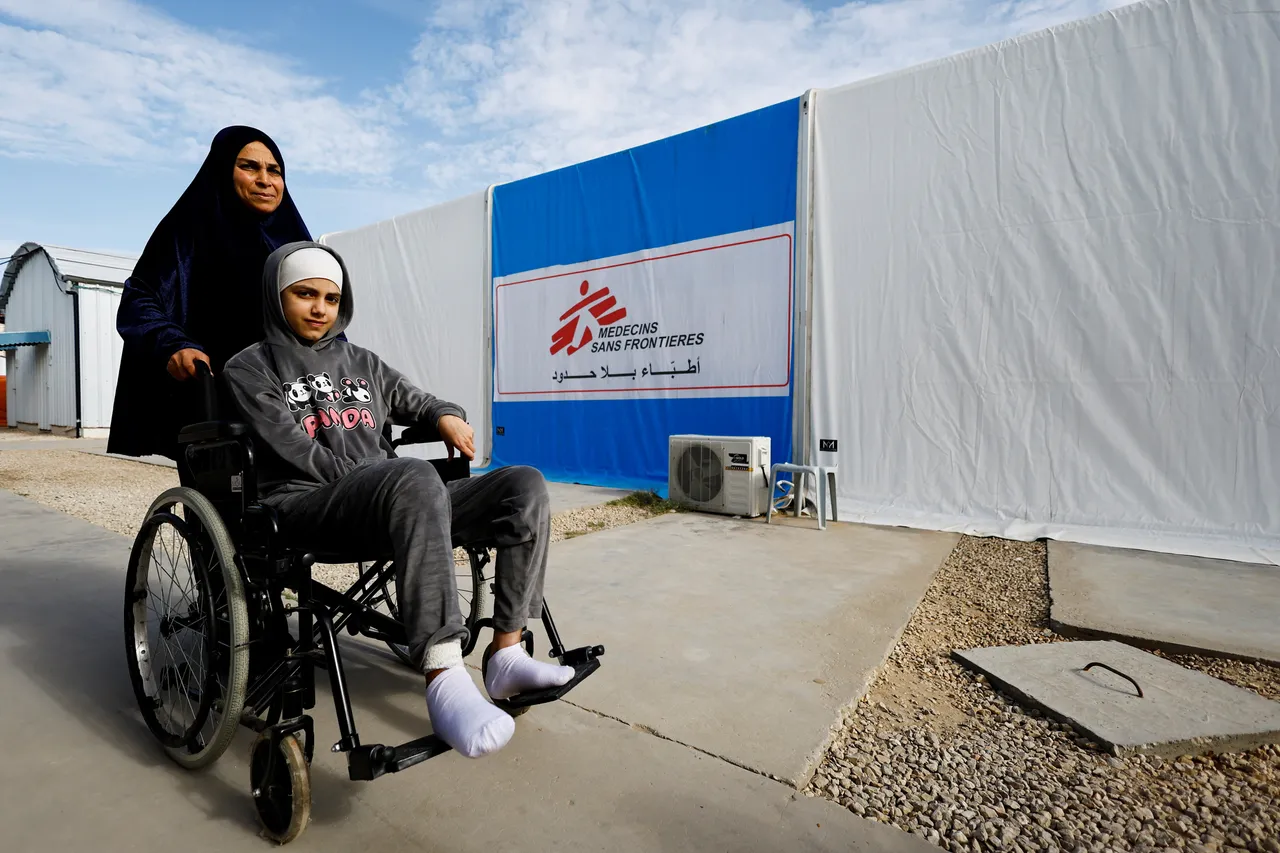
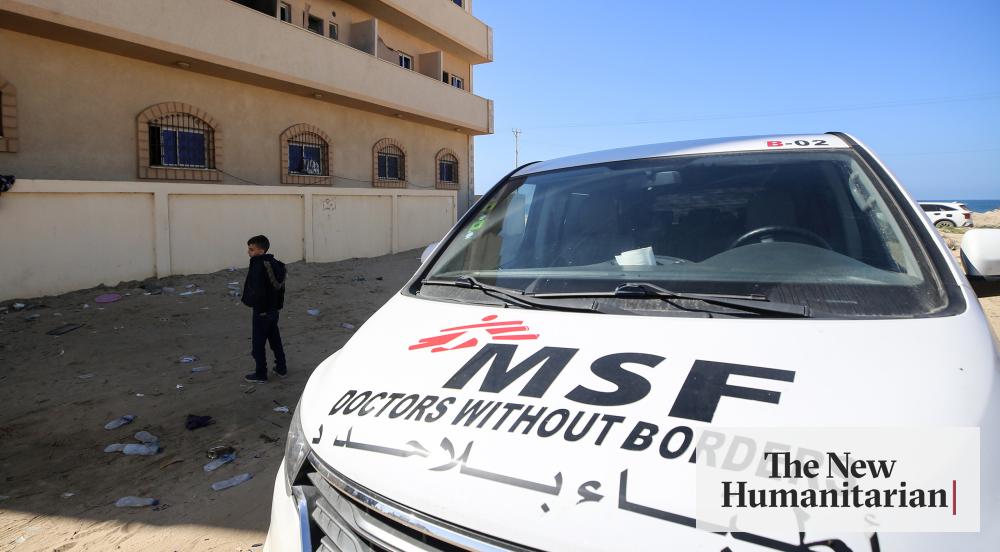
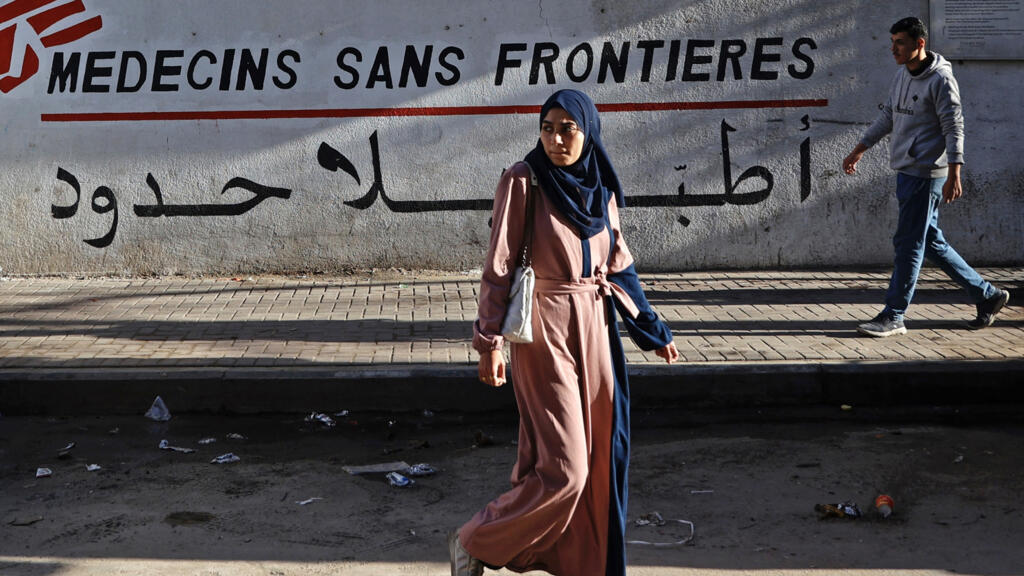
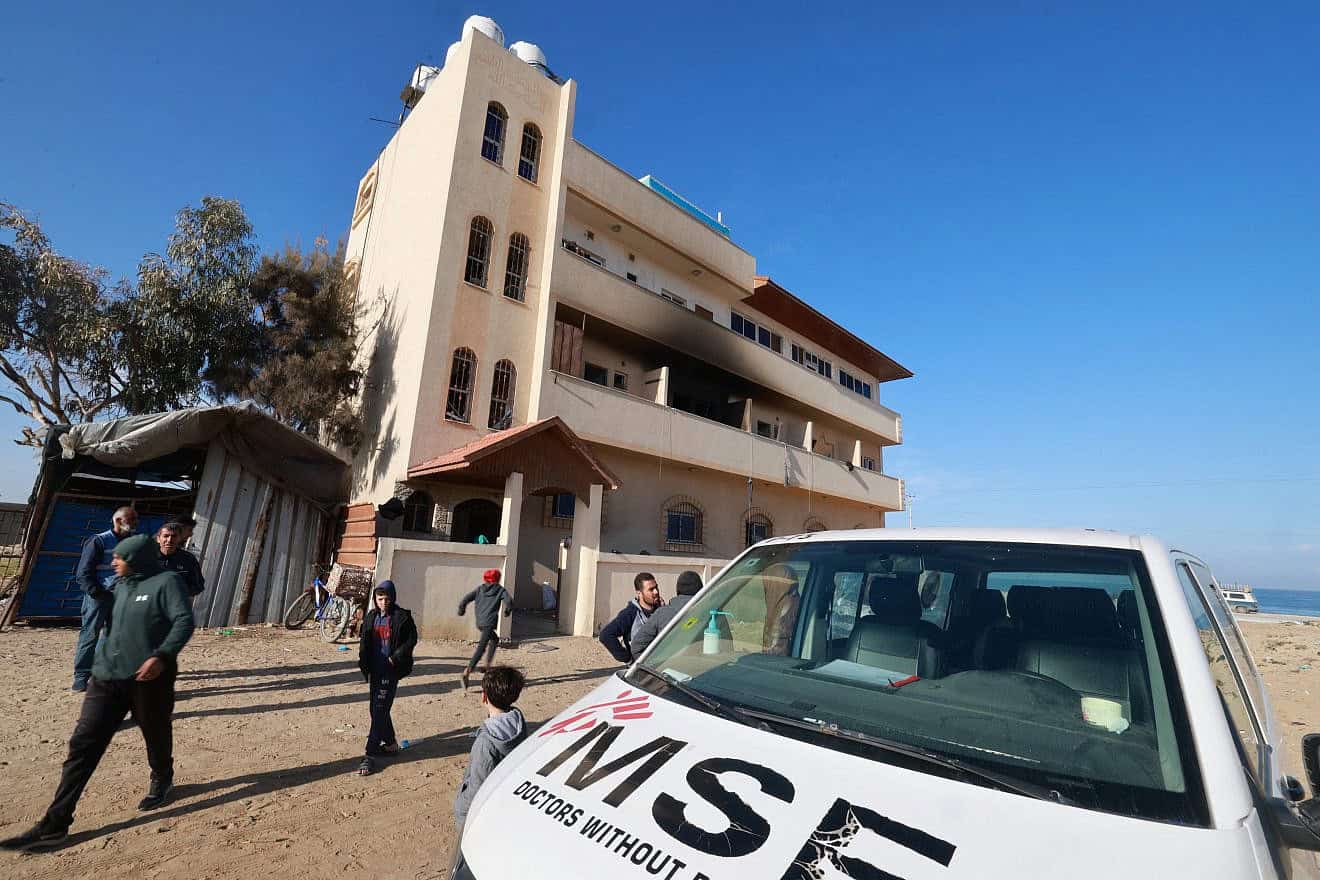
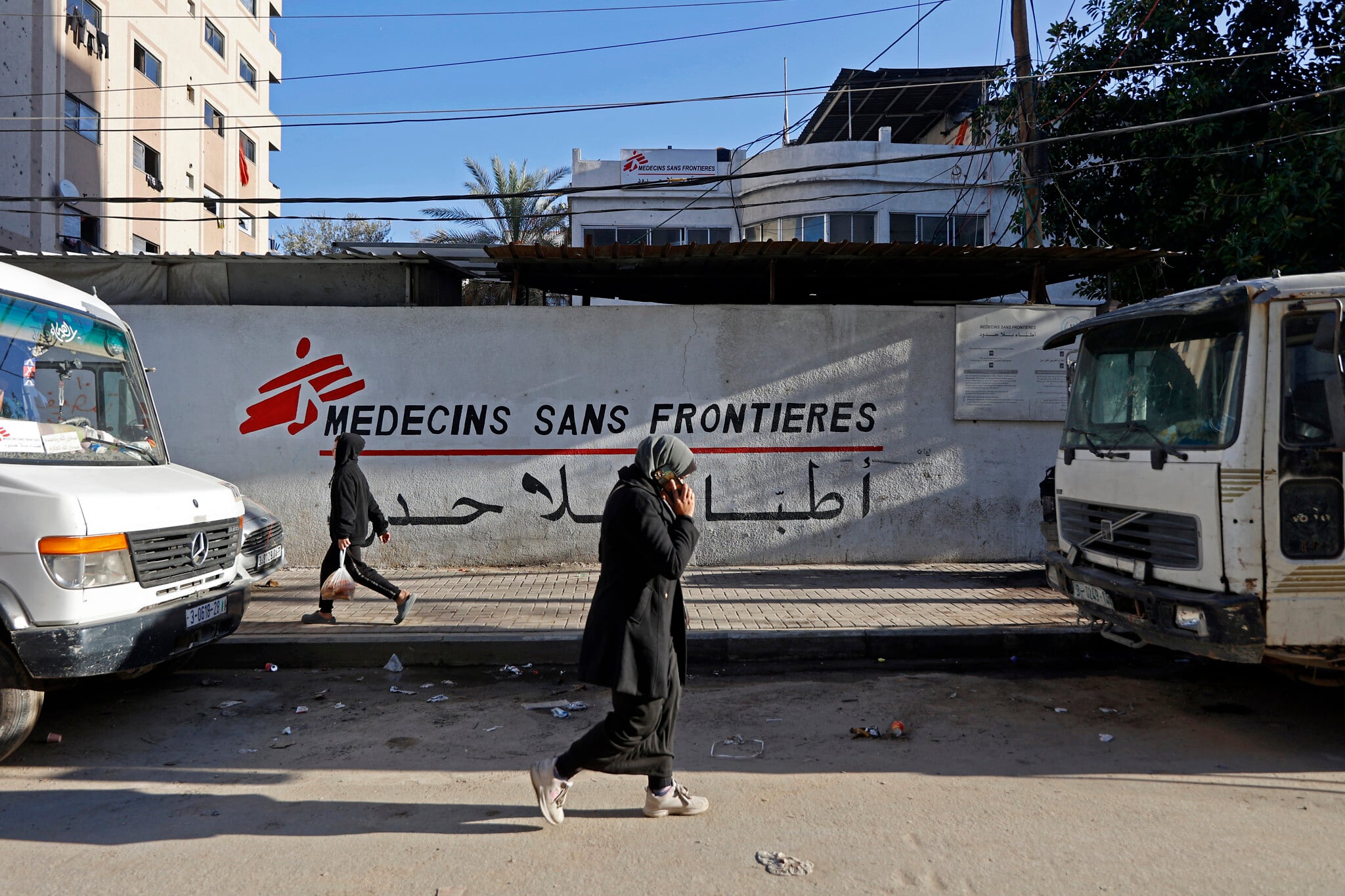
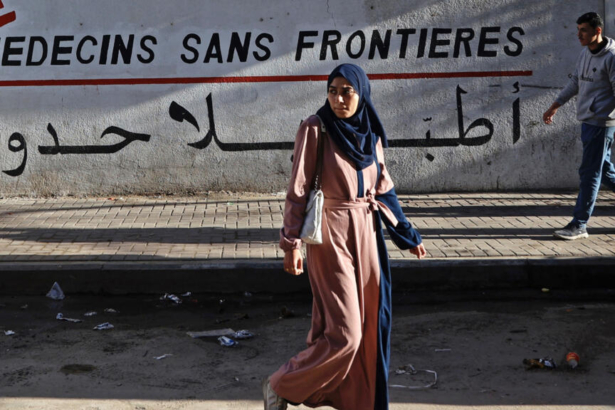
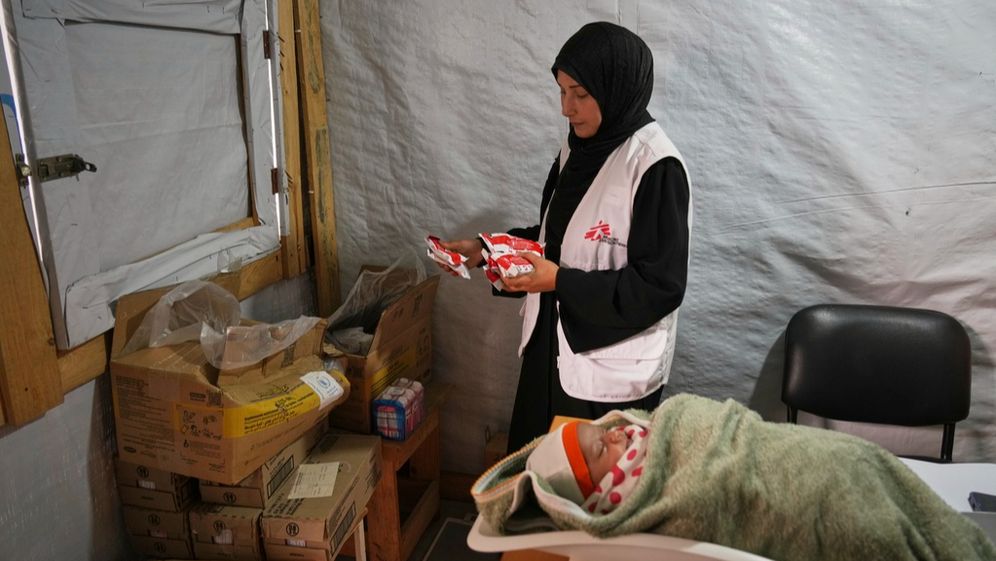
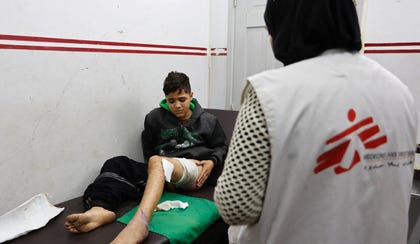
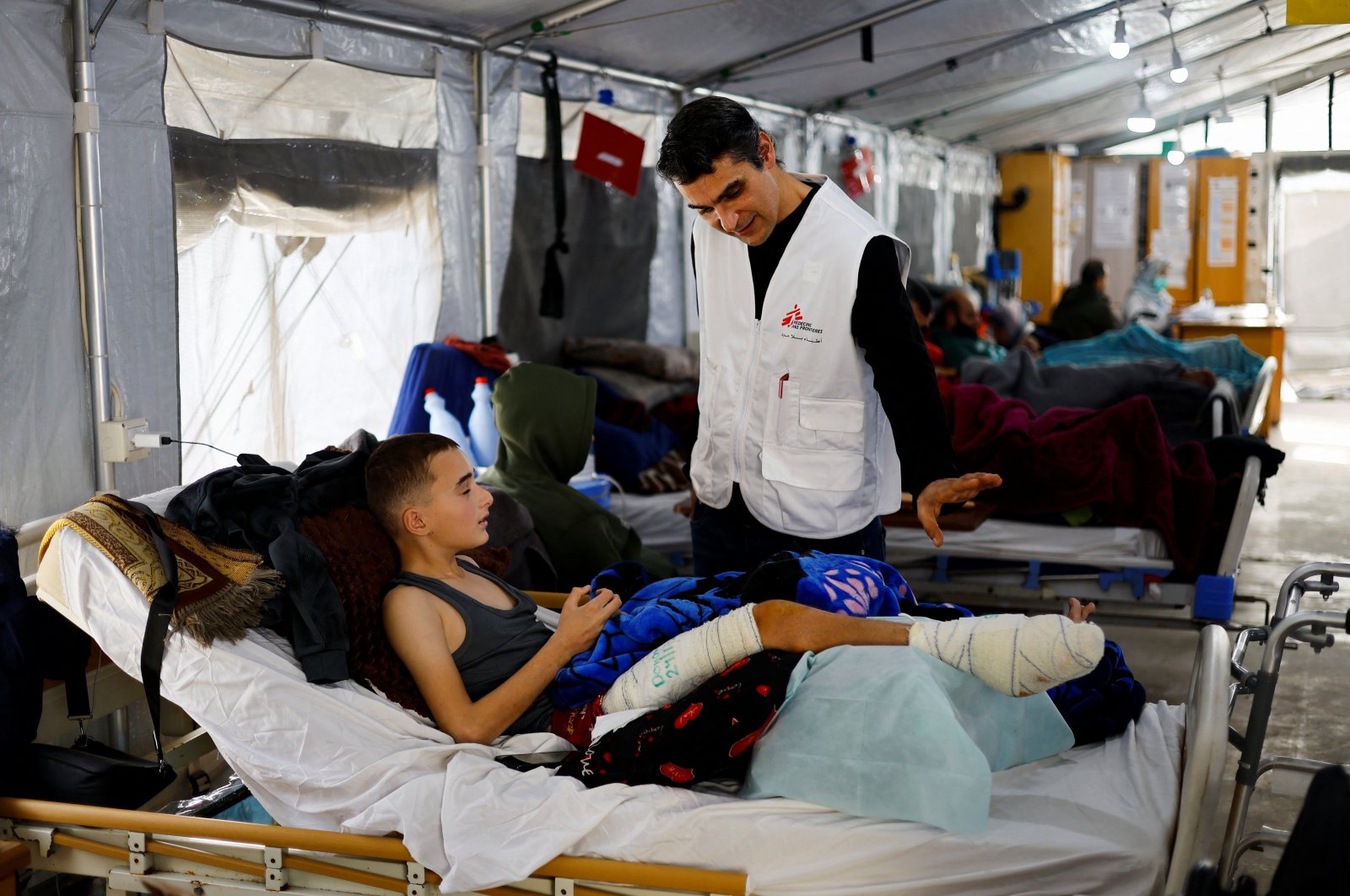
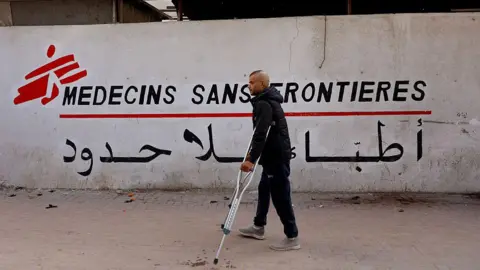
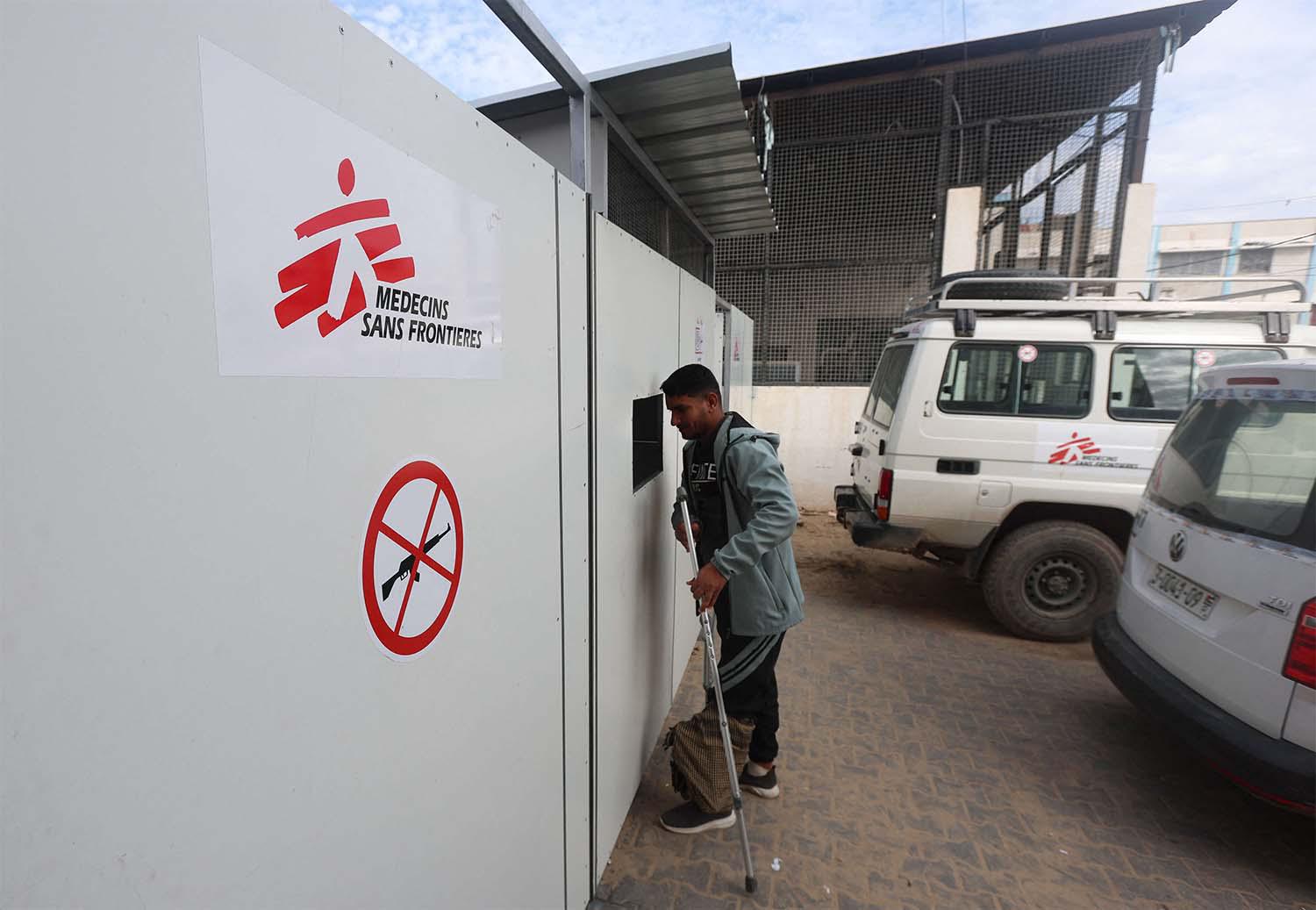
Israel's ban on 37 international NGOs operating in Gaza—including Doctors Without Borders (MSF)—represents a critical case study in regulatory risk management for cross-border e-commerce and logistics operators. On December 30, 2024, Israel ordered humanitarian organizations to submit detailed employee documentation (passports, CVs, family member names) for "security and transparency" purposes. MSF, which operates 20 health clinics providing 20% of Gaza's hospital beds and conducting 800,000+ annual medical consultations, initially agreed to conditional compliance but reversed its decision after Israel failed to provide concrete safety assurances. On January 31, 2026, MSF formally refused to submit employee lists, prompting Israel's Ministry of Diaspora Affairs to issue a shutdown order effective February 28, 2026.
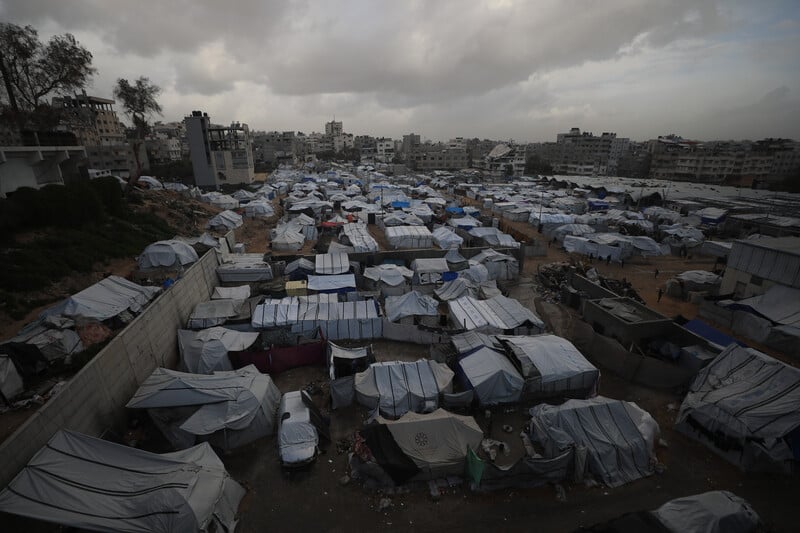
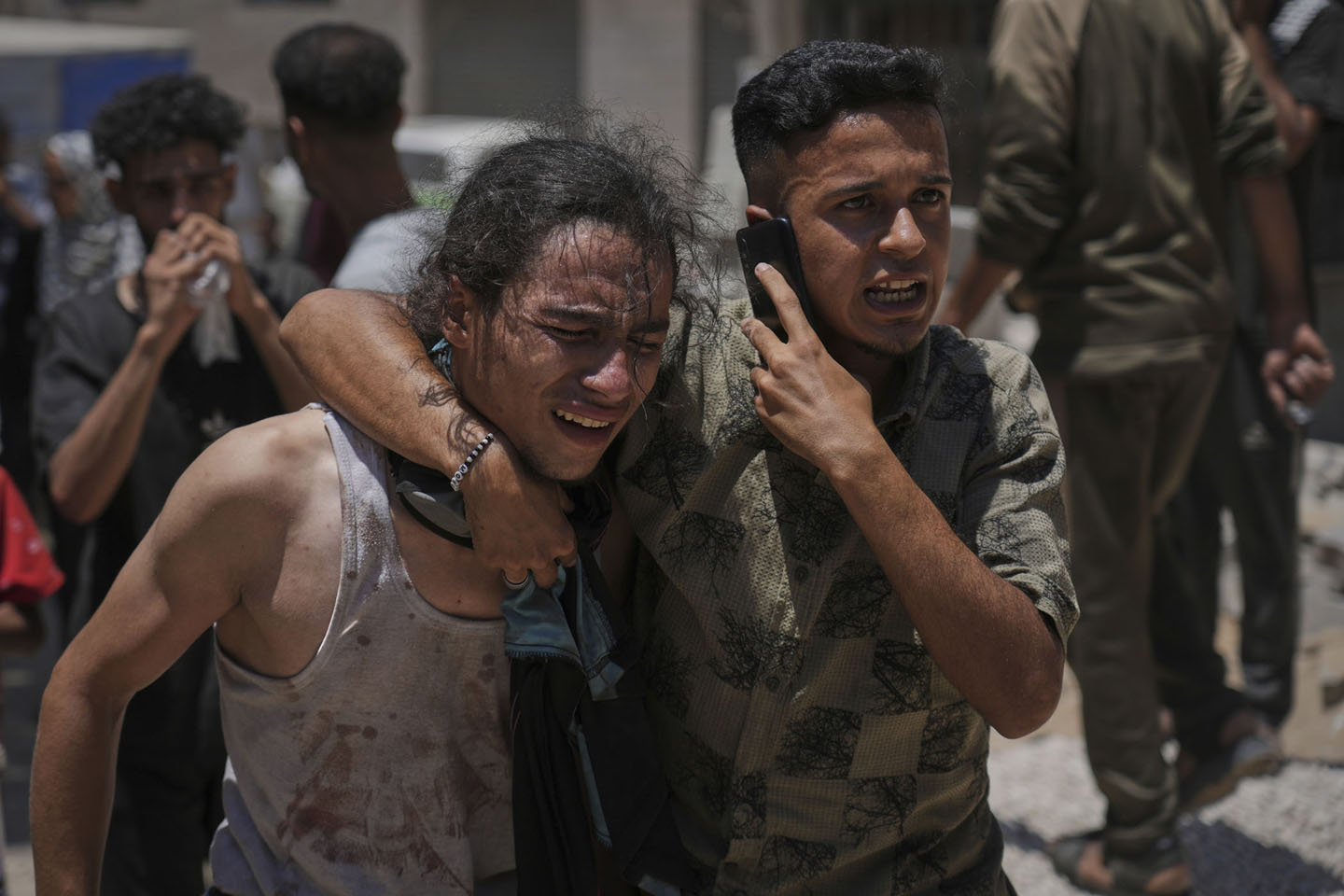
The standoff illustrates how geopolitical conditions override operational requirements in conflict zones. Ten major NGOs—including Oxfam, Action Aid, and Medical Aid for Palestinians—publicly refused compliance, citing staff safety concerns and violations of international humanitarian law. Israel characterized the employee list requirement as standard security protocol to prevent humanitarian frameworks from being "misused for hostile or terrorist purposes," while organizations warned this creates an "impossible choice" between staff safety and providing critical medical care. The broader context reveals Israel's decimation of Gaza's healthcare system: since October 2023, 1,700+ healthcare workers have been killed, including 15 MSF staff members. Experts warn of potential replacement with controlled "pseudo-humanitarian organizations," citing the Gaza Humanitarian Foundation (GHF) where 850+ Palestinians were killed around distribution sites during six-month 2025 operations.
For cross-border e-commerce and logistics operators, this situation demonstrates three critical risk vectors: (1) Regulatory unpredictability in conflict zones—political conditions can override contractual obligations and operational plans with minimal notice; (2) Data protection liability—organizations face impossible compliance choices when authorities demand employee information without adequate safety guarantees, creating exposure for any business operating in disputed territories; (3) Supply chain fragmentation—the loss of 20% of Gaza's hospital bed capacity and 800,000+ annual medical consultations signals how geopolitical disruptions cascade through humanitarian and commercial logistics networks. The incident reflects broader tensions between national security requirements and international humanitarian obligations, with implications for how international organizations navigate regulatory requirements in disputed regions. Ten countries—including UK, France, and Canada—condemned the ban, warning of "major negative consequences" on healthcare access. This precedent suggests that sellers and logistics providers operating in conflict-affected territories must develop contingency protocols for sudden regulatory changes, data protection compliance frameworks that prioritize staff safety, and diversified supply chain routes that don't depend on single-jurisdiction humanitarian infrastructure.
问题 8
What is the Gaza Humanitarian Foundation and why is it relevant to supply chain risk?
The Gaza Humanitarian Foundation (GHF) is a U.S.-Israel-backed organization mentioned as a potential replacement for banned NGOs. According to emergency physician James Smith, over 850 Palestinians were killed around GHF distribution sites during six-month 2025 operations. This precedent is critical for sellers: replacement organizations may lack the operational capacity, safety protocols, or international oversight of established NGOs like MSF. The GHF example suggests that alternative providers may have higher security risks, lower operational transparency, and less predictable supply chain reliability. For sellers, this indicates that post-MSF supply chains in Gaza may be less stable, not more stable. Recommendation: do not assume that replacement organizations will provide equivalent logistics capacity or reliability. Instead, develop contingency plans for 50-75% reduction in humanitarian supply chain capacity through 2026. Consider whether your business model can sustain operations in regions with severely degraded logistics infrastructure.
How does the MSF ban affect cross-border e-commerce logistics in the Middle East?
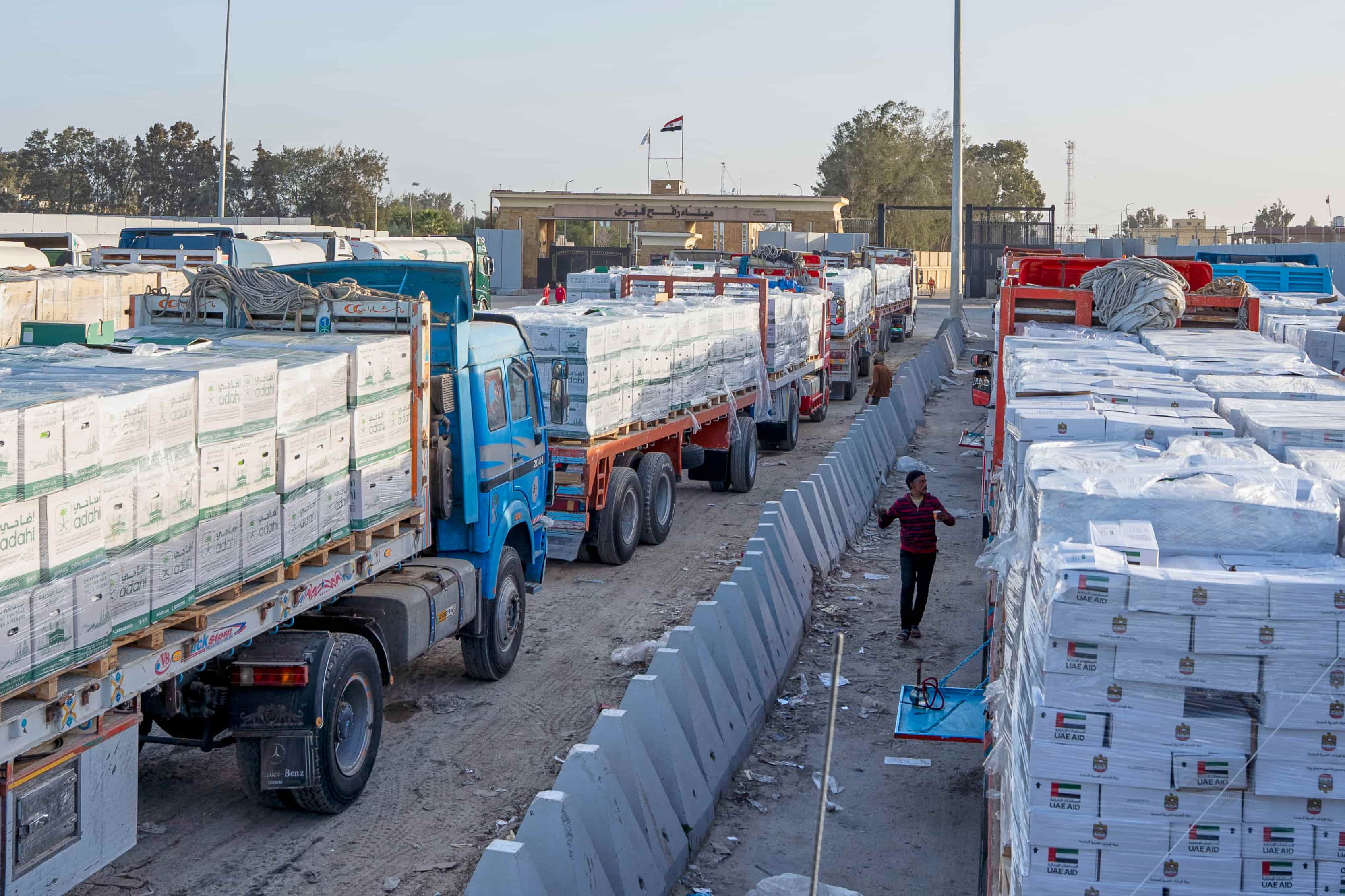
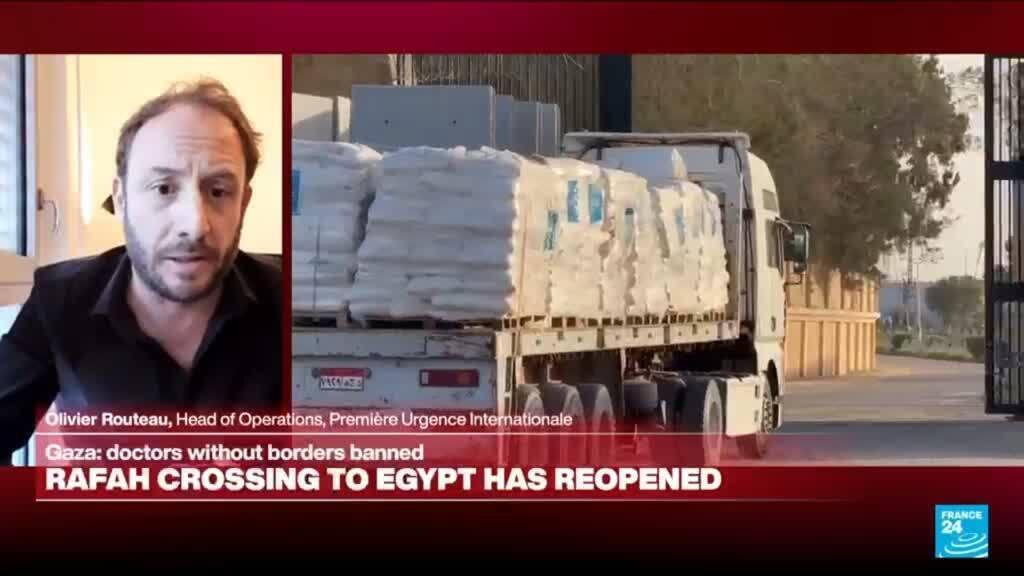
The MSF ban demonstrates that geopolitical disruptions can eliminate 20% of critical infrastructure capacity overnight. For e-commerce sellers operating 3PL networks in conflict zones, this signals the need for redundant logistics partners and contingency routes. The loss of MSF's 20 health clinics and 800,000+ annual medical consultations shows how humanitarian infrastructure collapse cascades through supply chains. Sellers shipping medical supplies, pharmaceuticals, or humanitarian goods to Gaza-adjacent regions must now assume 30-50% longer delivery times and higher insurance costs due to reduced logistics capacity. Immediate action: audit your 3PL providers' exposure to Gaza operations and develop alternative routing through Egypt, Jordan, or Lebanon by Q1 2026.