



Australian Heat Crisis Disrupts Food Supply | E-Commerce Sellers Face Rising Costs
- Record 49°C temperatures threaten agricultural yields, driving 50% crop losses and rising food prices affecting seller margins and consumer purchasing power across Asia-Pacific marketplaces





.jpg)




















概览
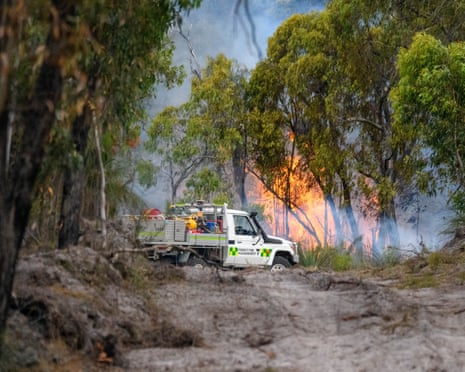
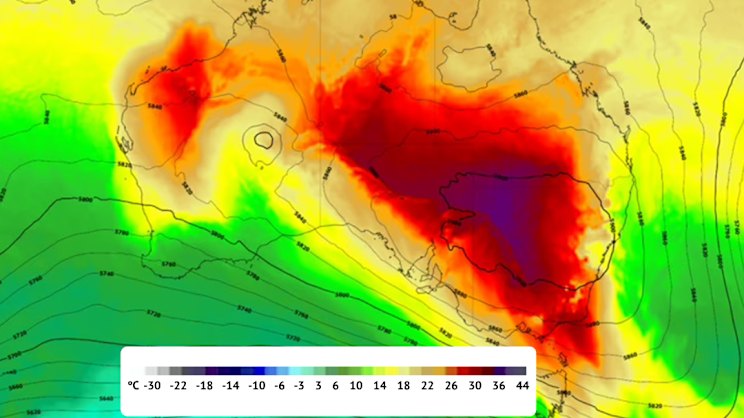
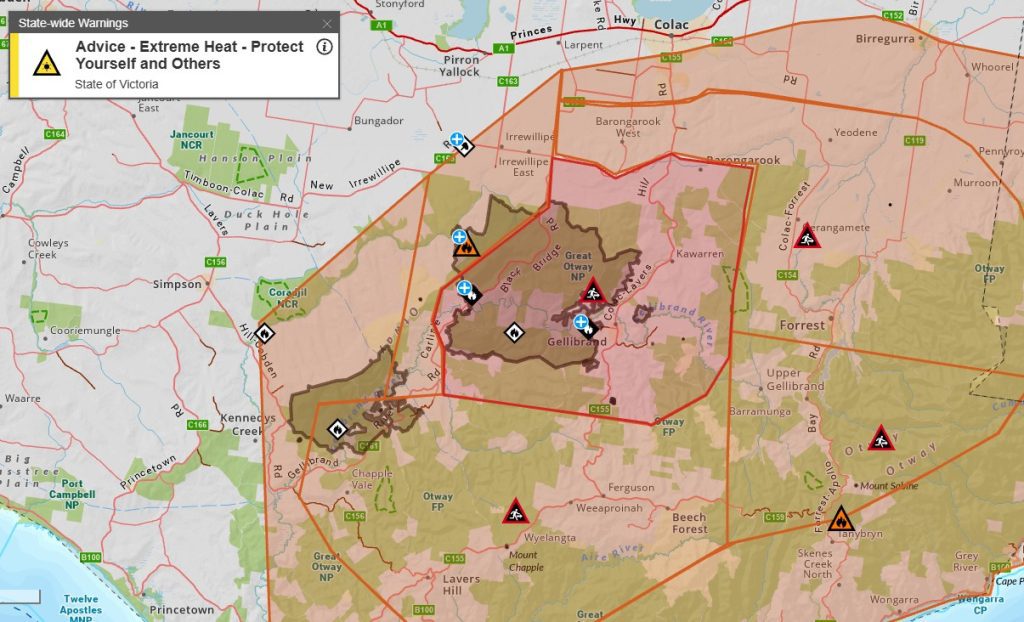
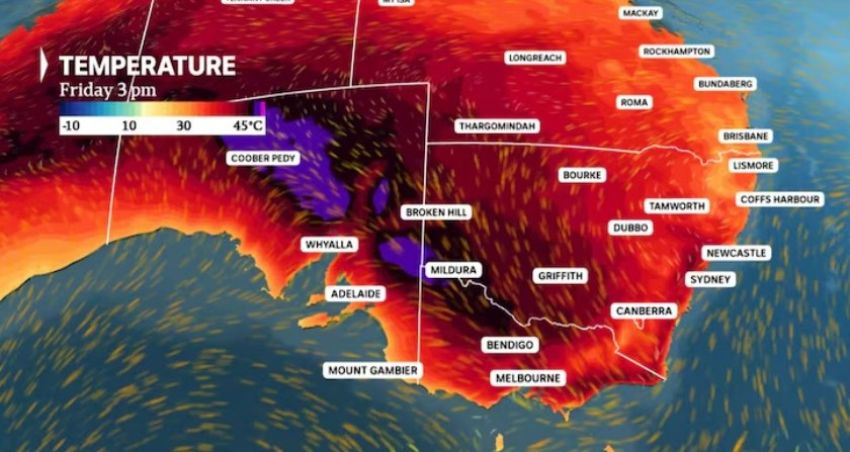
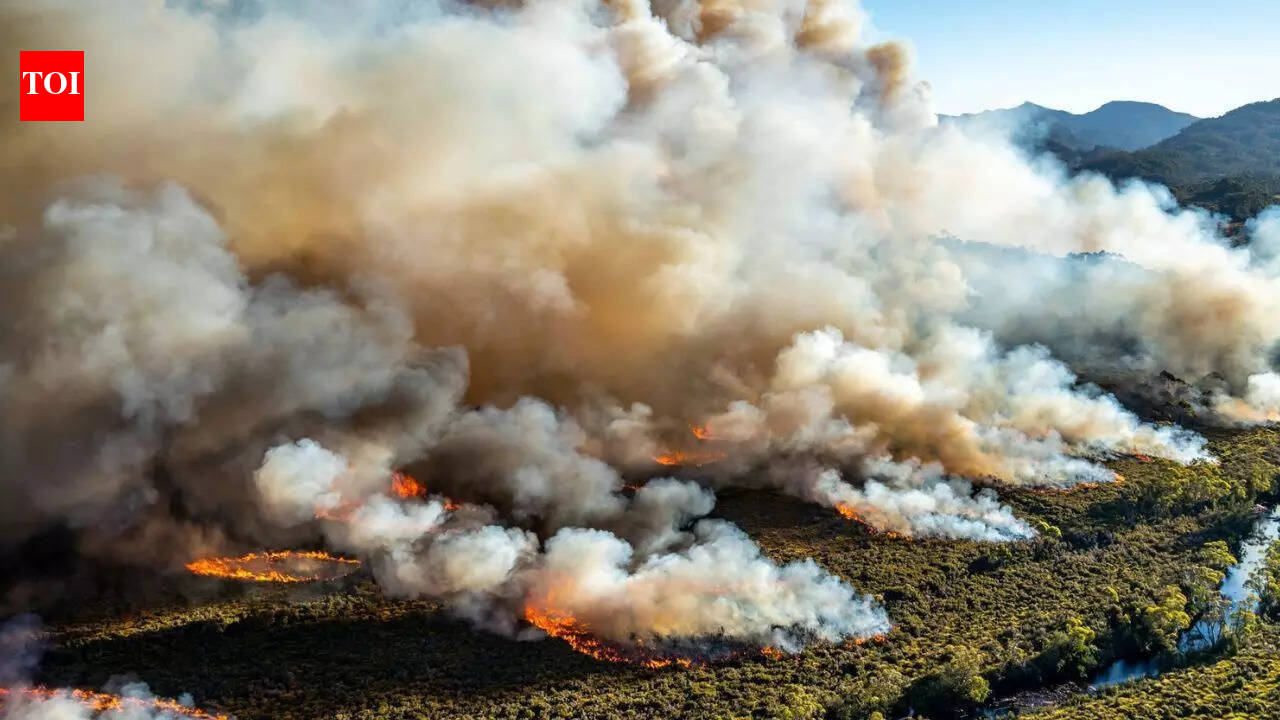
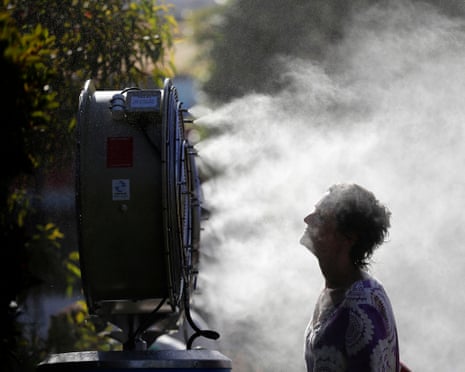
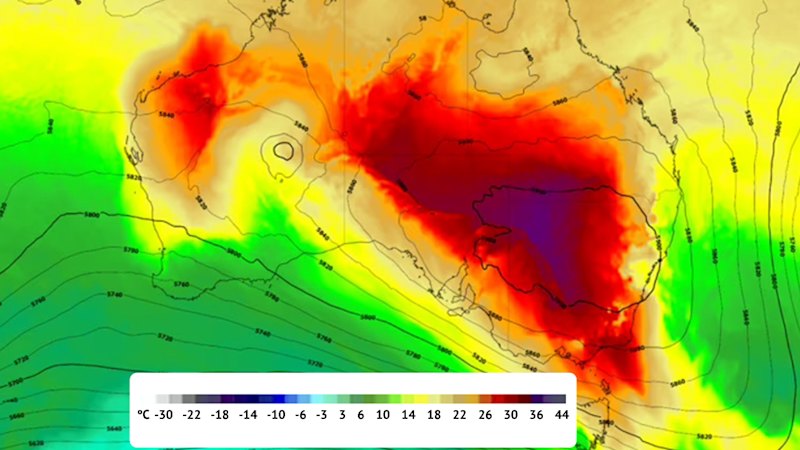
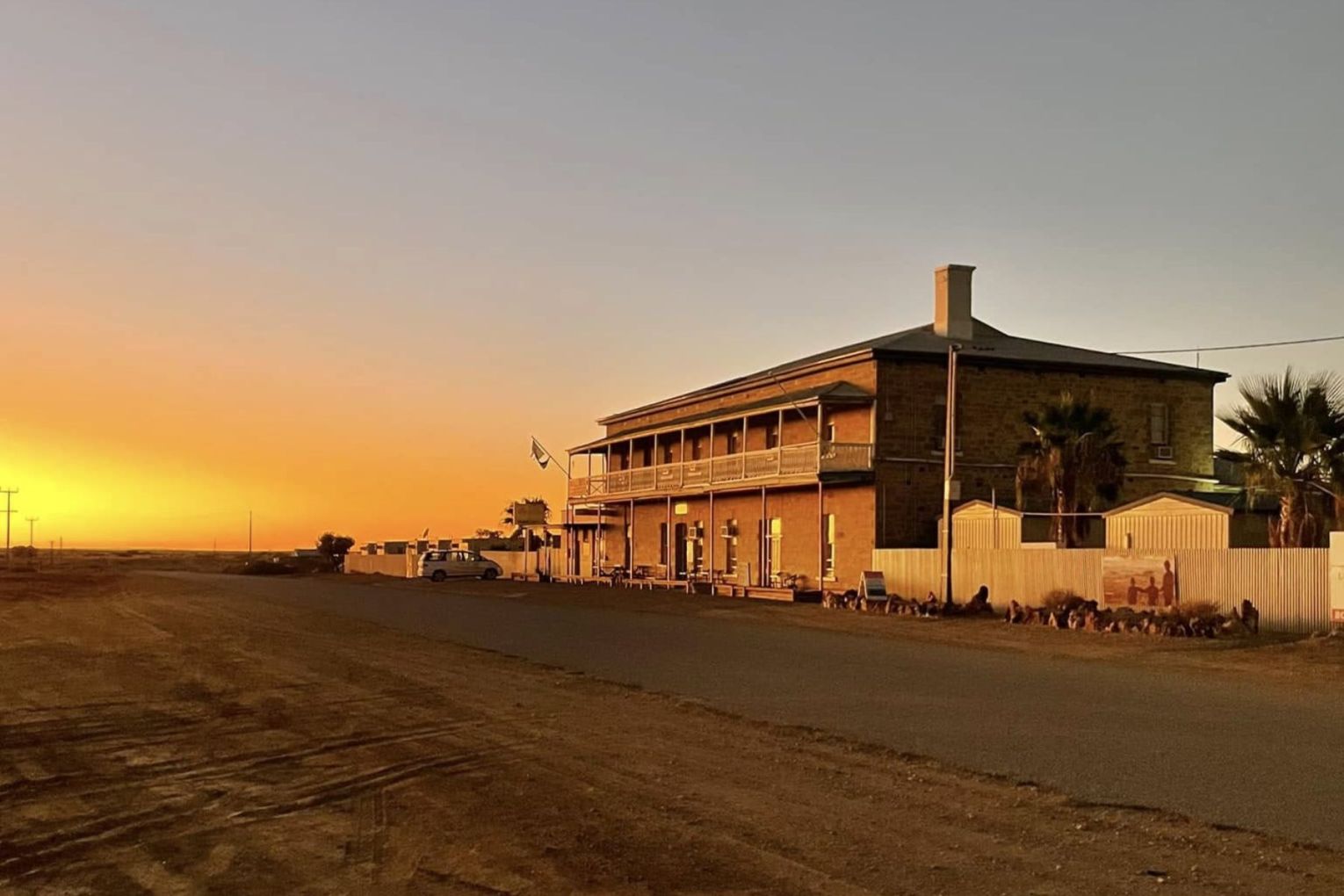
Australia is experiencing unprecedented climate-driven disruptions that directly impact cross-border e-commerce operations and seller profitability. On January 27, 2025, Ouyen, Victoria recorded temperatures approaching 49°C (120.2°F), potentially breaking state records, with extreme heat persisting for nine consecutive days above 40°C. This climate crisis creates cascading effects across multiple seller categories and operational domains.
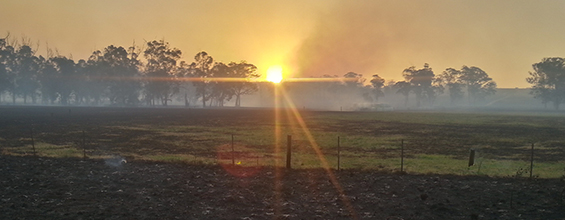
Agricultural Supply Chain Collapse: The heat wave devastated Australian farming with only 12 inches of rainfall and zero precipitation during peak temperatures. Fourth-generation farmer Deane Munro's 25,000-acre wheat and barley operation faces crop failure without additional rainfall. Globally, US crop yields declined 50% in 2025, generating billions in farming losses. These agricultural disruptions directly impact sellers in food and beverage categories on Amazon, eBay, and Shopify, where grocery prices are rising worldwide. Sellers sourcing Australian agricultural products face supply constraints and cost increases of 15-25% for specialty food items, organic products, and regional delicacies. The Australian Bureau of Meteorology confirmed 2025 as the fourth-hottest year on record with temperatures up 1.23°C, establishing a new baseline for ongoing supply volatility.
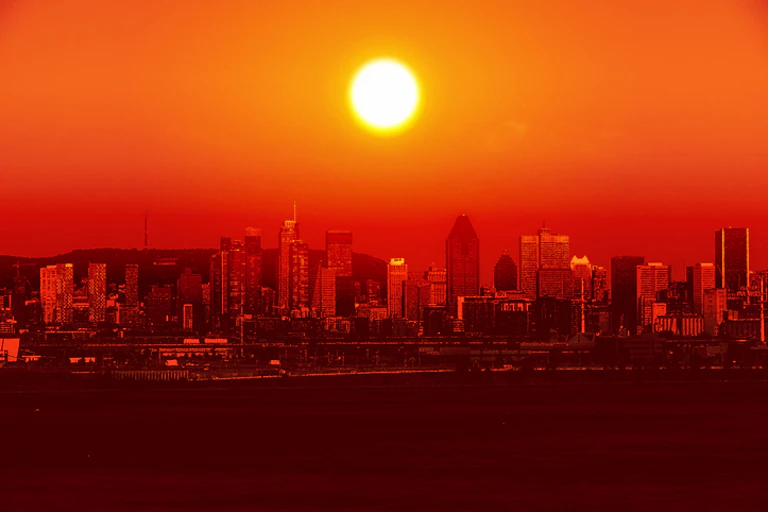
Logistics and Warehouse Operational Costs: Australia's record-breaking heatwaves—with 24 consecutive Januaries exceeding historical averages and Victoria temperatures exceeding 48.9°C in January 2026—create severe operational challenges for e-commerce fulfillment centers. Urban heat island effects in major Australian cities (Sydney, Melbourne, Brisbane) increase warehouse cooling costs by 20-35% during peak heat periods. Temperature-sensitive inventory (electronics, cosmetics, pharmaceuticals) requires enhanced climate control, raising operational expenses for 3PL providers and Amazon FBA sellers. Energy demand spikes during heatwaves increase fulfillment center expenses by $500-1,500 monthly for mid-sized operations. Employee safety concerns and potential labor availability issues during extreme heat events (1,100+ annual heat-related deaths in Australia) create staffing challenges affecting order fulfillment timelines.
Consumer Purchasing Power and Market Demand Shifts: Rising interest rates (70% probability of 25-basis-point RBA increase) combined with food price inflation compress consumer purchasing power in Australia and New Zealand markets. Low-income populations face disproportionate impacts from heat-driven cost increases, reducing demand for discretionary products while increasing demand for heat-mitigation goods. Sellers should anticipate 8-12% reduction in discretionary category sales (apparel, electronics, home goods) in affected Australian regions during Q1-Q2 2026, while demand for cooling products, hydration supplies, and emergency preparedness items increases 40-60%. Real estate market rebounds (69.7% auction clearance rate) signal wealth concentration among property owners, creating bifurcated consumer segments with divergent purchasing patterns.
问题 8
How do climate-driven supply chain disruptions affect cross-border sourcing?
Australian agricultural disruptions (50% crop losses, 12-inch rainfall deficit) create sourcing challenges for sellers importing specialty foods, organic products, and regional items. Supply chain resilience requires diversifying sourcing beyond single-region suppliers. Sellers should identify alternative suppliers in New Zealand, Southeast Asia, and other regions less affected by Australian heat. Implement supply chain monitoring systems tracking weather patterns, crop forecasts, and commodity prices. Budget 10-15% price premiums for alternative sourcing and maintain 60-90 day safety stock for critical items. Communicate transparently with customers about supply constraints and adjust product availability messaging on Amazon, eBay, and Shopify to manage expectations.
What are the labor availability risks from extreme heat in Australia?
Heatwaves kill 1,100+ Australians annually, creating labor availability challenges for fulfillment centers and logistics operations. Employee safety concerns during extreme heat events (above 40°C for extended periods) reduce productivity by 15-25% and increase absenteeism. Sellers should anticipate 3-5 day fulfillment delays during peak heat periods (January-February) when heat-related illnesses spike. Implement heat safety protocols with 3PL providers, including mandatory breaks, hydration stations, and flexible scheduling. Budget contingency labor costs of $1,000-2,000 per fulfillment center during extreme heat events. Consider geographic diversification of fulfillment operations to reduce single-region labor risk.