


Project Vault $12B Minerals Reserve | Supply Chain Reshaping for E-Commerce Sellers
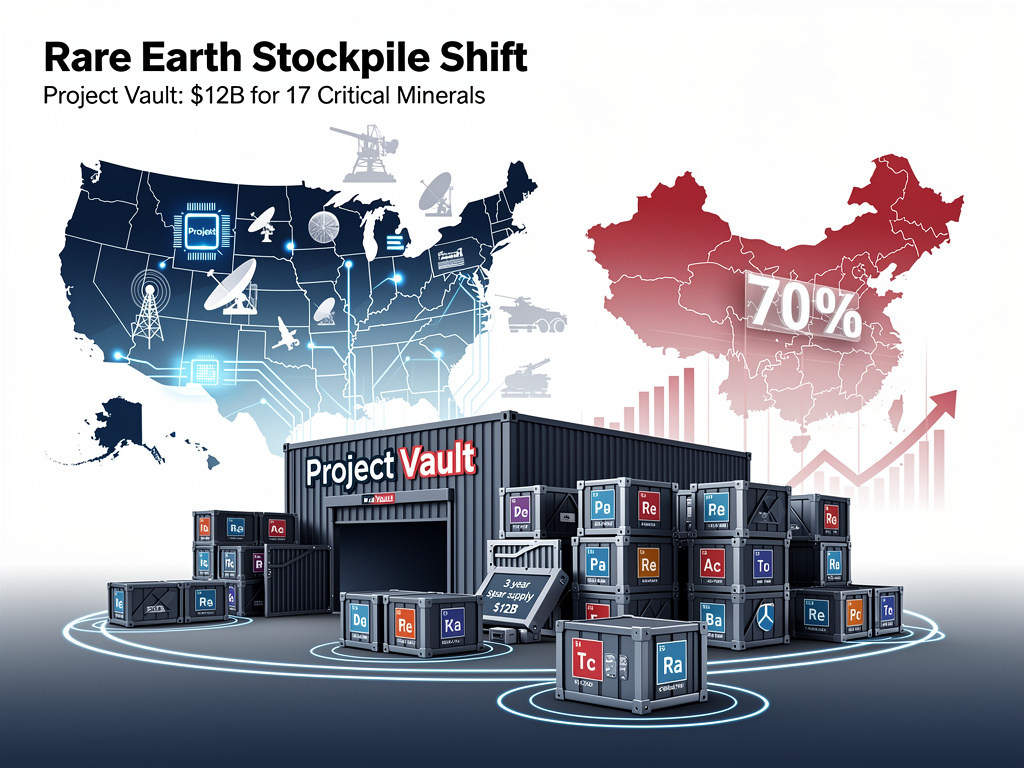
- Reduces China dependency for 12 critical minerals; stabilizes rare earth prices for electronics/EV sellers; creates domestic sourcing opportunities by 2026-2027







































)
概览
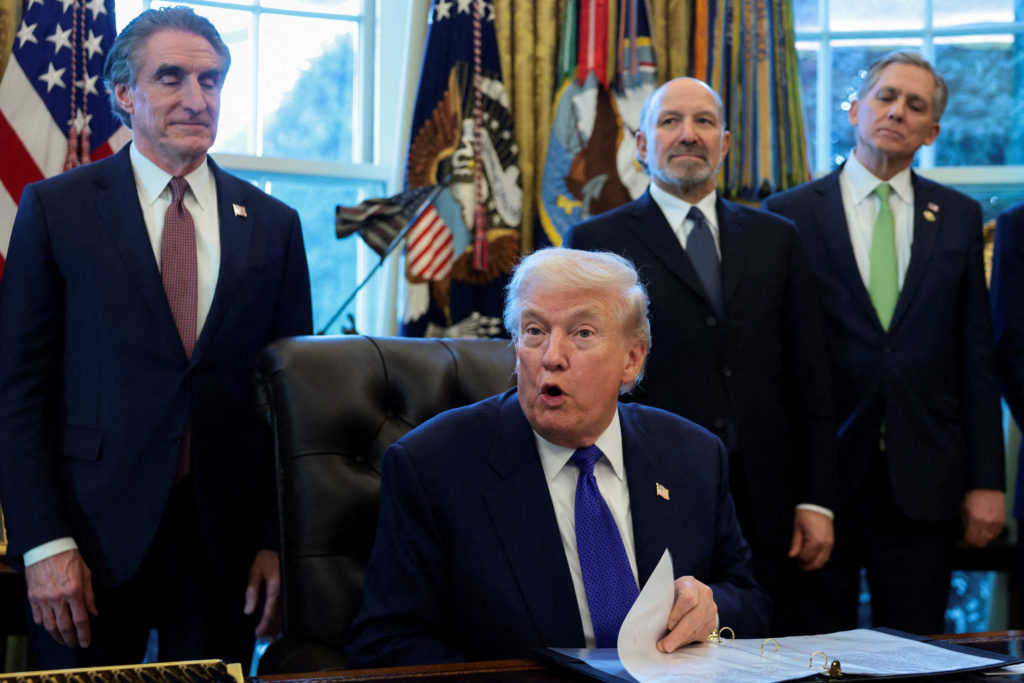
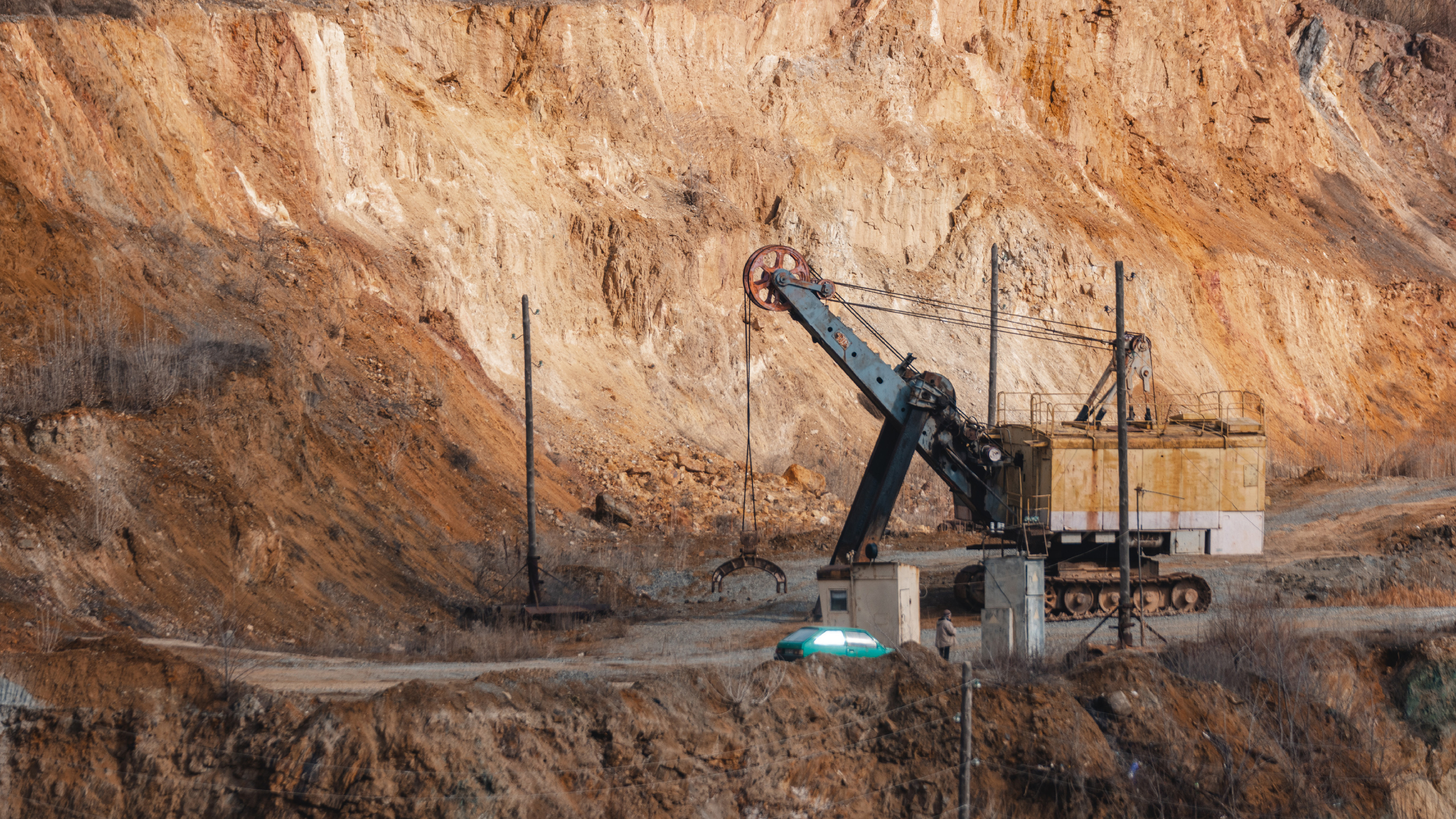
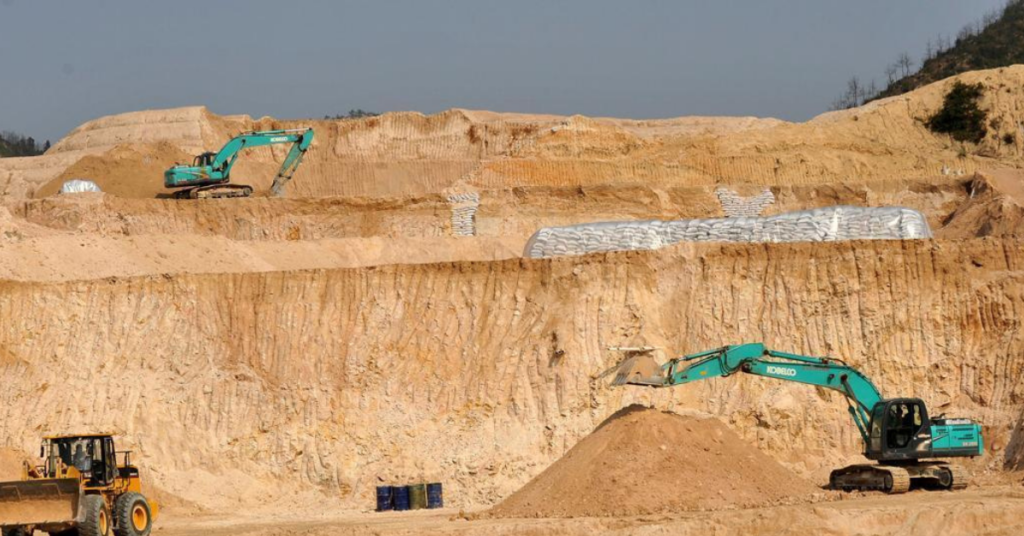
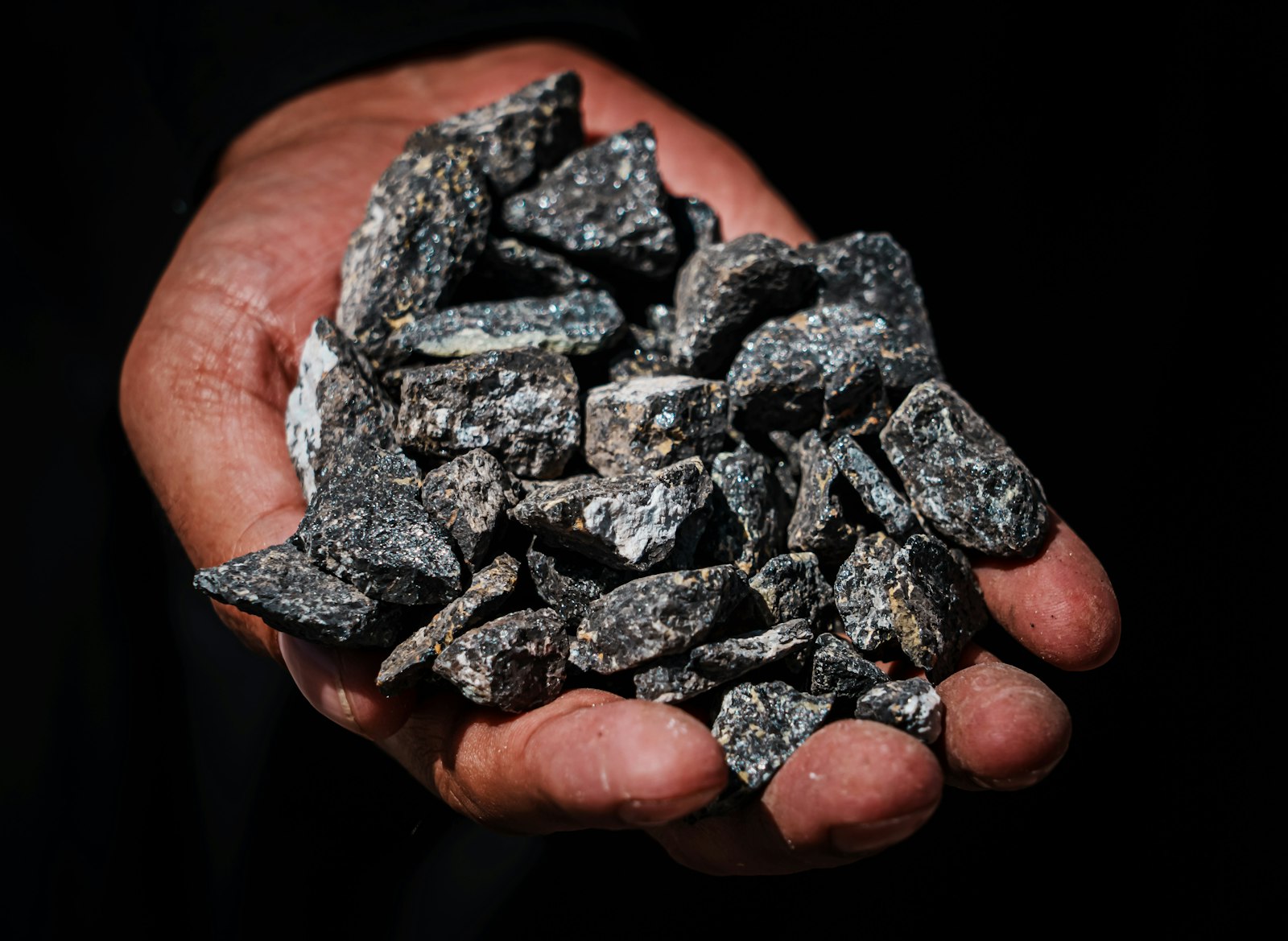
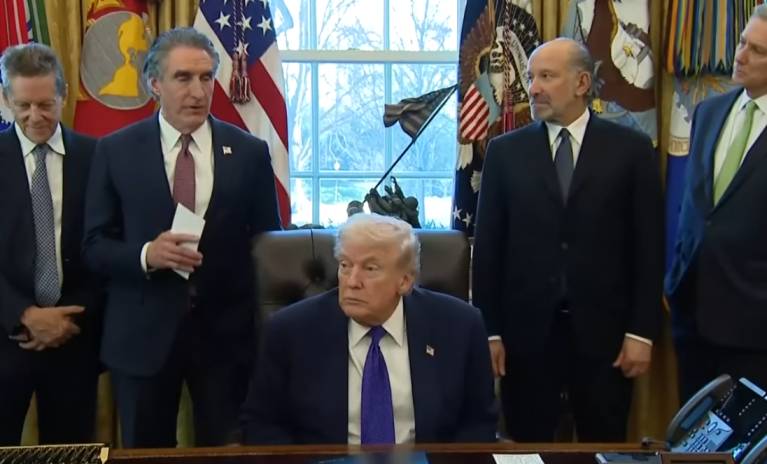
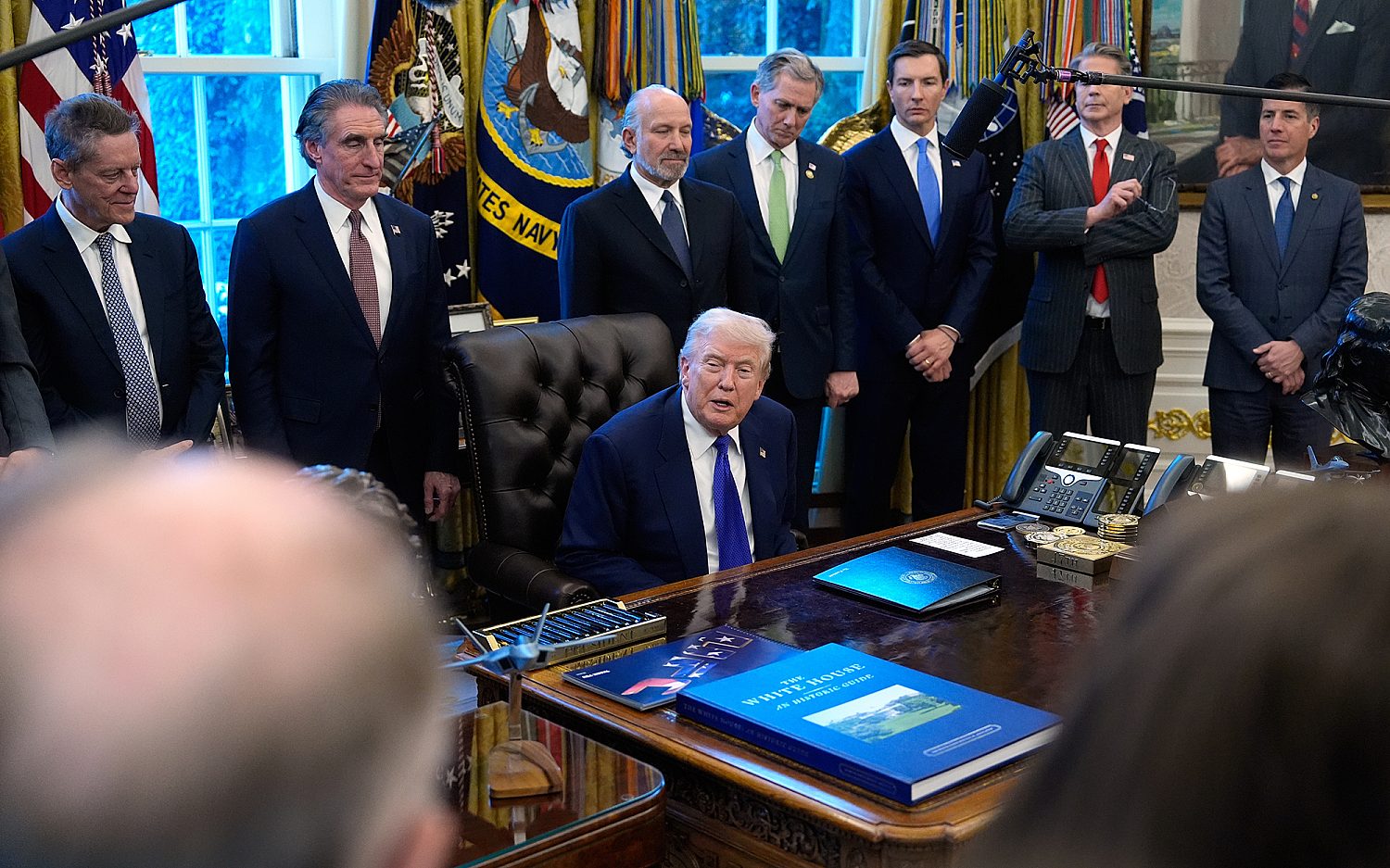
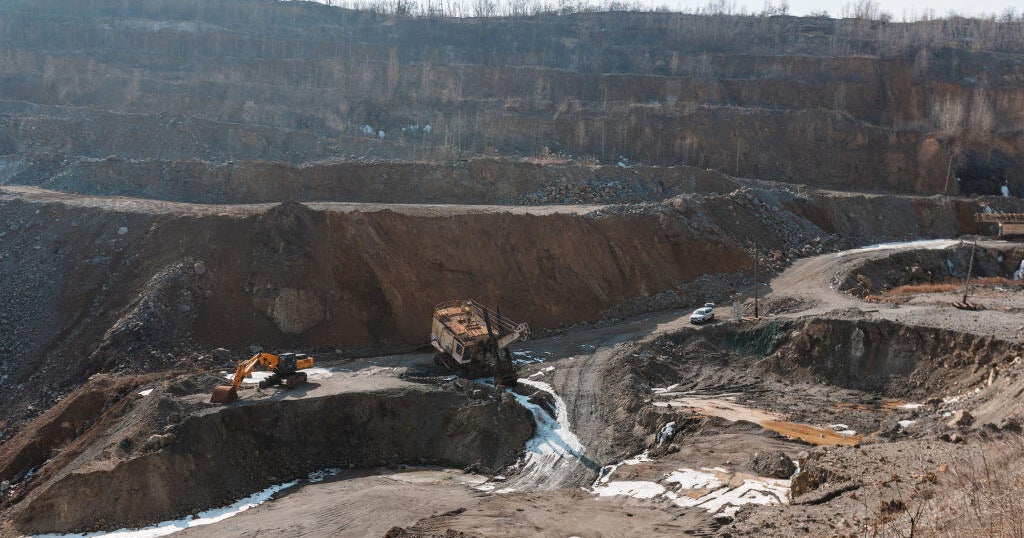
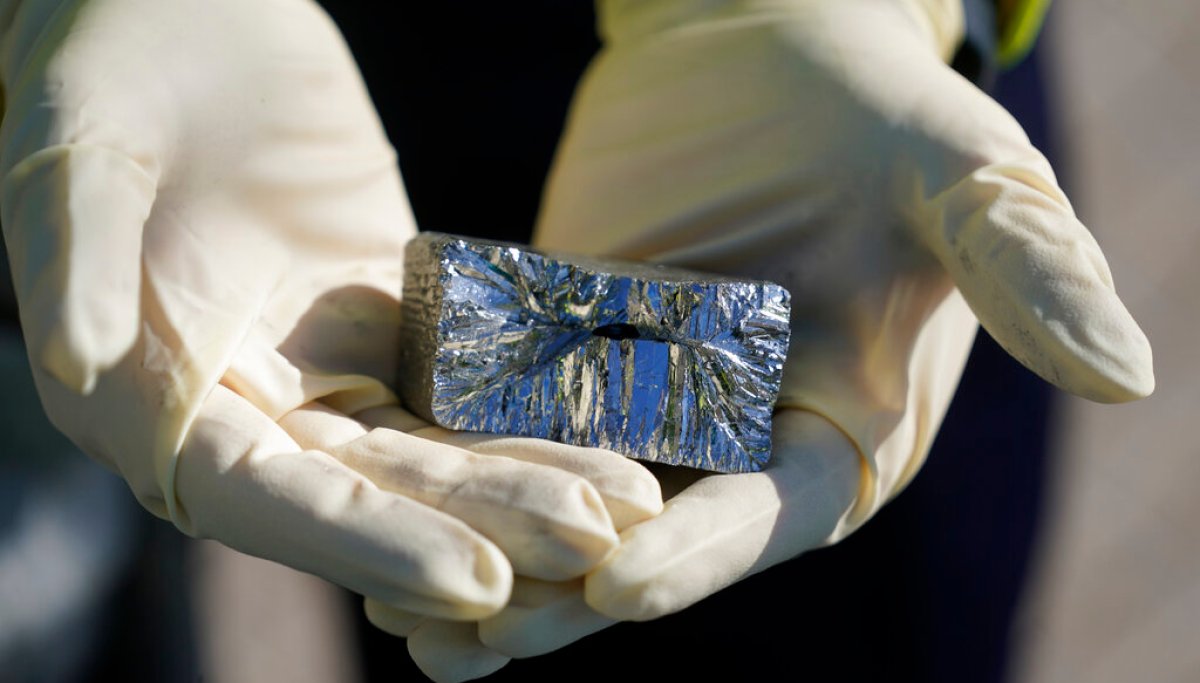
Project Vault represents a fundamental restructuring of critical mineral supply chains that directly impacts e-commerce sellers in electronics, batteries, and automotive categories. Announced February 2, 2026, the $12 billion strategic reserve (funded by $10B Export-Import Bank loan + $2B private capital) targets cobalt, graphite, silicon, copper, nickel, titanium, and lithium—materials controlling 60-90% of costs in smartphone batteries, EV powertrains, and semiconductor components. The U.S. currently faces complete import reliance on 12 critical minerals and 50+ dependency on 29 additional minerals, creating vulnerability that Project Vault directly addresses.
For cross-border e-commerce sellers, this policy creates three distinct competitive windows. First, sellers sourcing electronics and battery components from China will experience 8-15% price volatility reduction within 18-24 months as domestic reserves stabilize market pricing. Second, U.S.-based sellers gain competitive advantage through improved domestic sourcing access—particularly those in electronics (HS codes 8471-8517), automotive parts (8704-8708), and renewable energy products (8502-8504). Third, the policy signals long-term reshoring of permanent magnet manufacturing (currently 90% China-controlled), creating opportunities for sellers to transition from Chinese component suppliers to emerging U.S. suppliers by 2027-2028.
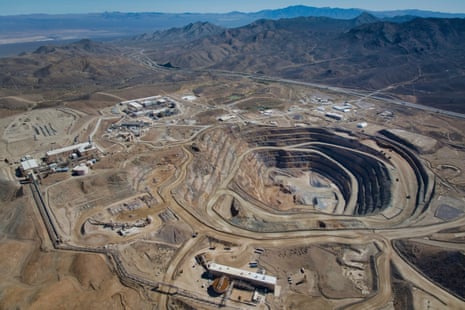
The immediate market impact is already visible in rare earth mining stocks (Critical Metals +5%, USA Rare Earth +4.3%, MP Materials +3.5%, Idaho Strategic Resources +6.2%), signaling investor confidence in domestic supply expansion. However, sellers face a critical timing decision: those maintaining China-dependent supply chains risk margin compression during the 2026-2027 transition period when government procurement drives mineral prices upward, while early adopters of domestic sourcing can lock in favorable supplier relationships before capacity constraints emerge. The policy explicitly targets automakers and technology firms, suggesting government procurement will prioritize these sectors, potentially creating temporary supply tightness for smaller e-commerce sellers competing for the same materials.
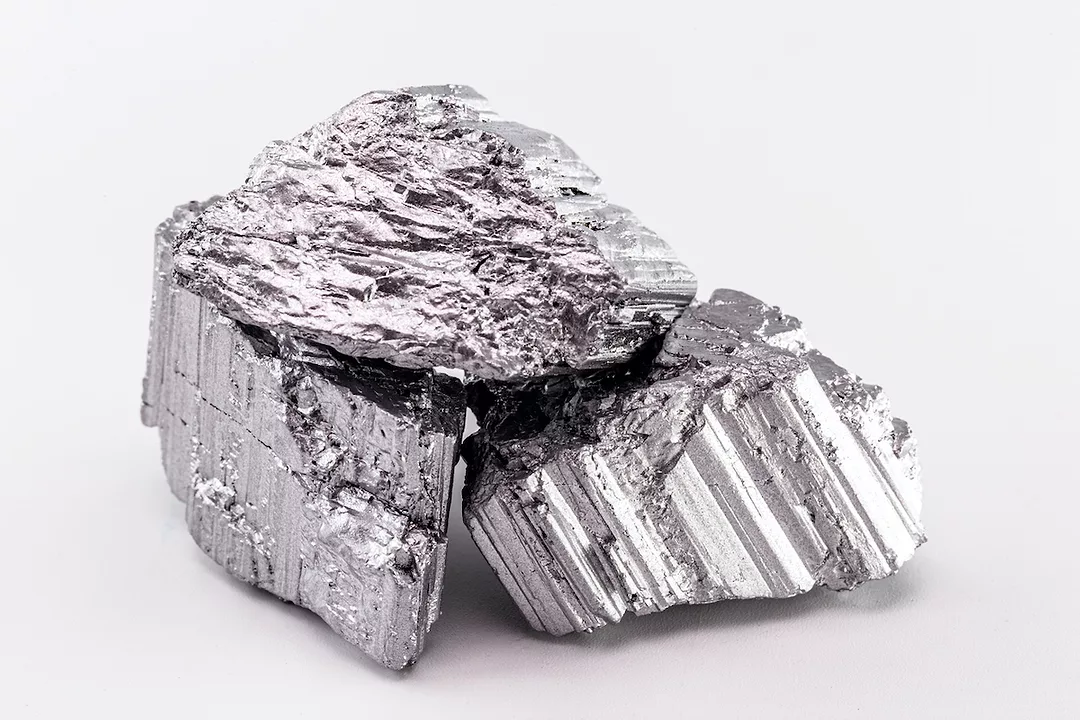
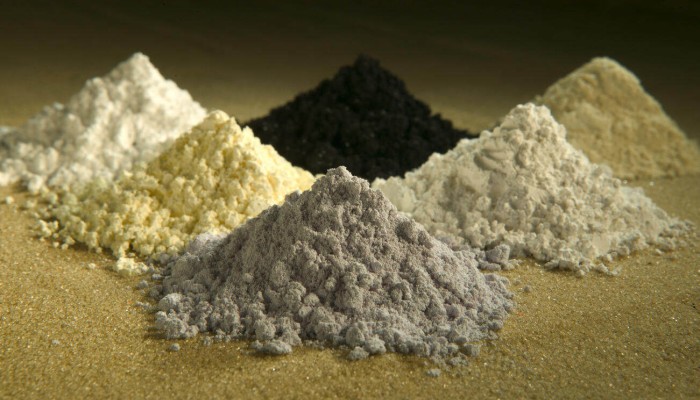
Strategic sourcing shifts are already underway. Vietnam, India, and Indonesia are positioning as alternative processing hubs for rare earth materials, offering tariff arbitrage opportunities for sellers willing to diversify supply chains away from direct China sourcing. Sellers in the electronics category (smartphones, tablets, wearables) should anticipate 12-18 month lead times for domestic component sourcing, requiring immediate supplier diversification planning. The reserve's focus on permanent magnet technology creates specific opportunities in emerging categories: electric vehicle accessories, drone components, and industrial automation products that depend on neodymium and dysprosium magnets.
问题 8
How does Project Vault affect tariff rates and trade policy for mineral-dependent products?
Project Vault signals incoming tariff increases on Chinese rare earth materials and potential tariff reductions on domestic alternatives. Current tariff rates on rare earth oxides (HS 2805.30) average 5-8%; expect increases to 15-25% by 2027 as domestic production expands. Conversely, tariffs on processed materials from Vietnam and Indonesia may decrease 2-4% as the U.S. develops alternative supply relationships. Sellers should model tariff scenarios: maintaining China sourcing faces 15-25% tariff exposure by 2027, while diversified sourcing reduces exposure to 5-8%. Calculate tariff impact on product margins immediately—a $100 component with 10% tariff increase reduces gross margin 2-3% on typical electronics products.
What market opportunities emerge from Project Vault's focus on permanent magnet technology?
Project Vault explicitly targets permanent magnet manufacturing (currently 90% China-controlled), creating emerging opportunities in EV accessories, drone components, industrial automation, and robotics categories. Sellers can capitalize by: (1) Sourcing permanent magnet components from Advanced Magnet Lab and emerging U.S. suppliers by Q3 2026, (2) Developing product lines around neodymium and dysprosium magnets for emerging technologies (humanoid robots, advanced drones), (3) Positioning as 'domestically-sourced' in product listings to capture ESG-conscious buyers. These emerging categories project 25-40% growth through 2028 as domestic magnet capacity expands. First-mover advantage in these categories could yield 15-20% margin premiums versus China-sourced alternatives.