


EU Sanctions Enforcement & Black Sea Logistics Crisis | Critical Compliance & Supply Chain Risks for Cross-Border Sellers
- €30M+ sanctions violation bust exposes enforcement risks; 96 port attacks in 2025 disrupt Eastern European shipping routes; sellers face compliance audits and logistics delays






概览
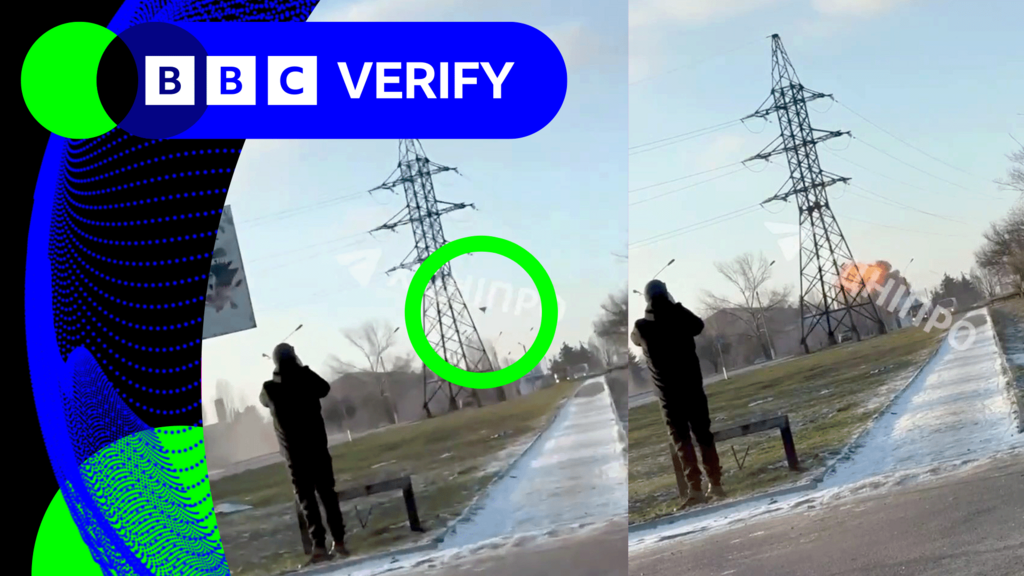
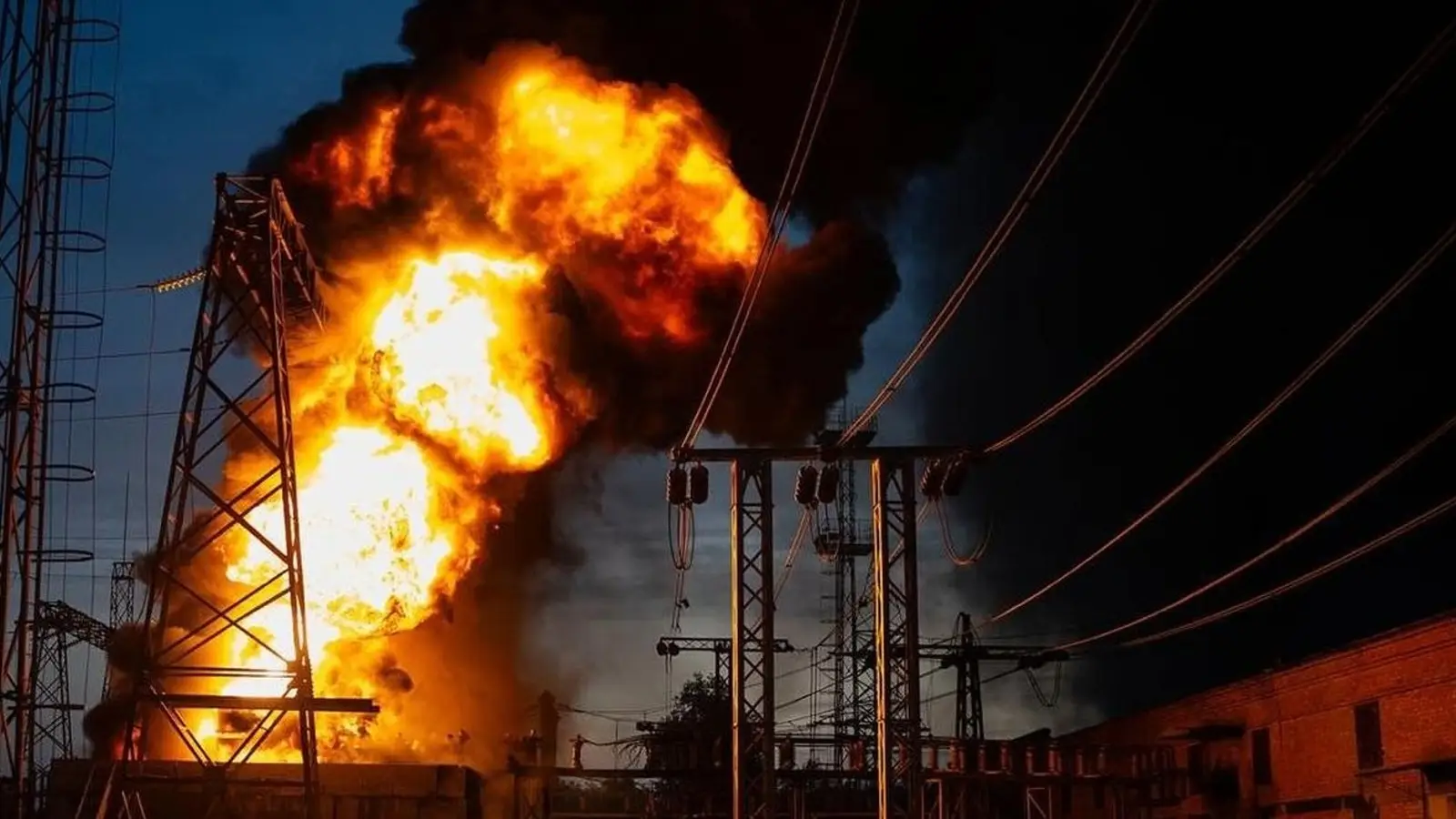
The convergence of aggressive EU sanctions enforcement and Black Sea maritime disruption creates a critical operational environment for cross-border e-commerce sellers in early 2025. German authorities arrested five individuals operating a €30+ million illegal export network supplying Russian defense companies with 16,000+ deliveries since 2022, signaling intensified regulatory scrutiny across EU cross-border trade channels. Simultaneously, Russian military operations have conducted 96 attacks on Ukrainian seaports in 2025 alone, damaging critical infrastructure at Port of Pivdennyi and creating persistent maritime hazards including naval mines that threaten merchant shipping in the Black Sea corridor.
For sellers, this creates a dual-threat environment: First, compliance risk has escalated dramatically. The German enforcement action demonstrates that EU authorities actively investigate shell company networks and cross-border transaction patterns, with penalties exceeding €30 million. Sellers exporting to restricted destinations, operating through complex corporate structures, or handling dual-use goods face heightened audit exposure. Second, logistics disruption directly impacts supply chains serving Eastern European markets. Port of Pivdennyi's repeated damage (including December 2025 vegetable oil spill forcing multi-day closure) and ongoing naval mine hazards increase shipping costs, extend transit times by 5-10 days, and create insurance premium increases of 15-25% for Black Sea routes.
The enforcement pattern reveals authorities are targeting: (1) shell company structures used to obscure beneficial ownership, (2) transaction patterns showing repeated shipments to sanctioned entities, (3) dual-use goods (electronics, industrial components) with military applications, and (4) documentation gaps in export compliance. Sellers shipping to Eastern Europe, Russia-adjacent markets, or handling electronics/industrial categories must implement immediate compliance verification. The Port of Pivdennyi disruptions indicate alternative routing through Baltic ports (Gdansk, Riga) or Mediterranean corridors (via Suez) now command 20-30% premium costs and 2-3 week delays compared to direct Black Sea routes. Peace negotiations scheduled for February 4-5, 2025 in Abu Dhabi offer potential relief, but current operational uncertainty requires sellers to diversify logistics networks and strengthen export documentation immediately.
问题 8
Which seller categories face highest compliance risk under current EU enforcement?
The German case specifically targeted suppliers of dual-use goods (electronics, industrial components) to Russian defense companies, indicating EU enforcement prioritizes: (1) Electronics sellers (semiconductors, computing equipment, telecommunications), (2) Industrial/machinery suppliers (pumps, motors, precision equipment), (3) Chemical/materials sellers (specialty chemicals, polymers), and (4) Sellers using complex corporate structures or shell companies. Sellers in these categories should immediately: (1) Verify all customer business registrations and beneficial ownership, (2) Screen customers against EU/US/UN sanctions lists, (3) Document legitimate end-use for all sales, (4) Implement transaction monitoring for unusual order patterns (large quantities, repeated shipments to same entity), and (5) Maintain 7-year audit trails for all export transactions. Sellers in consumer goods, apparel, and standard e-commerce categories face lower immediate risk but should still implement basic sanctions screening.
How do Black Sea port disruptions affect shipping costs and timelines for Eastern European sellers?
Port of Pivdennyi experienced 96 attacks in 2025, including infrastructure damage and December 2025 closure lasting several days. These disruptions increase shipping costs 20-30% and extend transit times 5-10 days compared to normal operations. Sellers routing through Black Sea ports now face: (1) insurance premium increases of 15-25% due to maritime hazard risk, (2) alternative routing through Baltic ports (Gdansk, Riga) or Mediterranean corridors adding 2-3 weeks, (3) naval mine hazards requiring specialized insurance coverage, and (4) unpredictable port closures. For sellers with inventory in Ukraine or serving Eastern European markets, diversifying logistics networks to include 3PL providers in Poland, Romania, or Baltic states reduces single-route dependency. Current cost impact: €500-1,200 per 20ft container additional expense for Black Sea routes.