




Ukraine Energy Crisis & Sanctions Reshape Cross-Border Supply Chains | Seller Impact
- 40% electricity import surge signals manufacturing cost increases; sanctions-evasion crackdowns affect 3PL networks; peace talks create 6-month market volatility window for sellers










)






概览
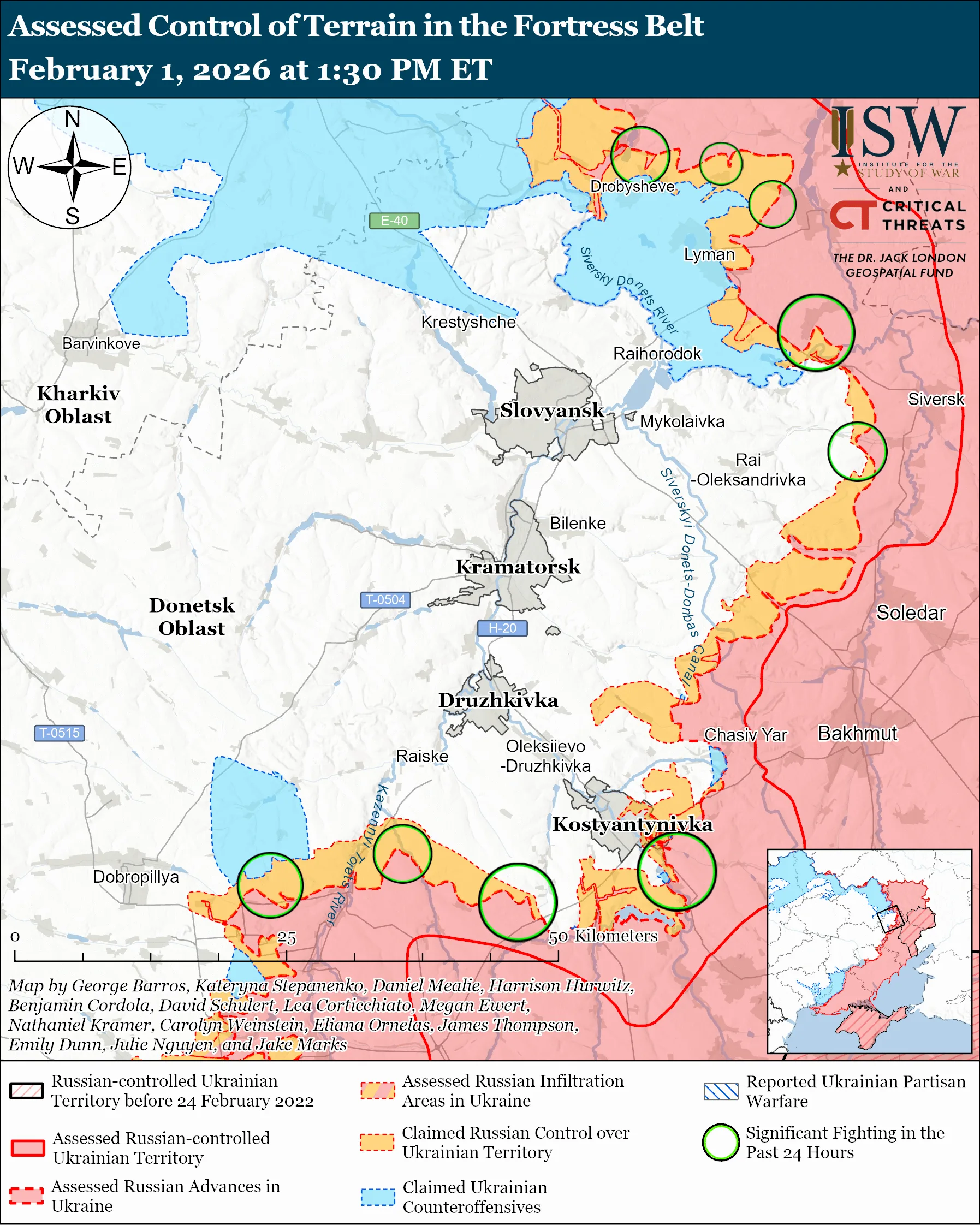
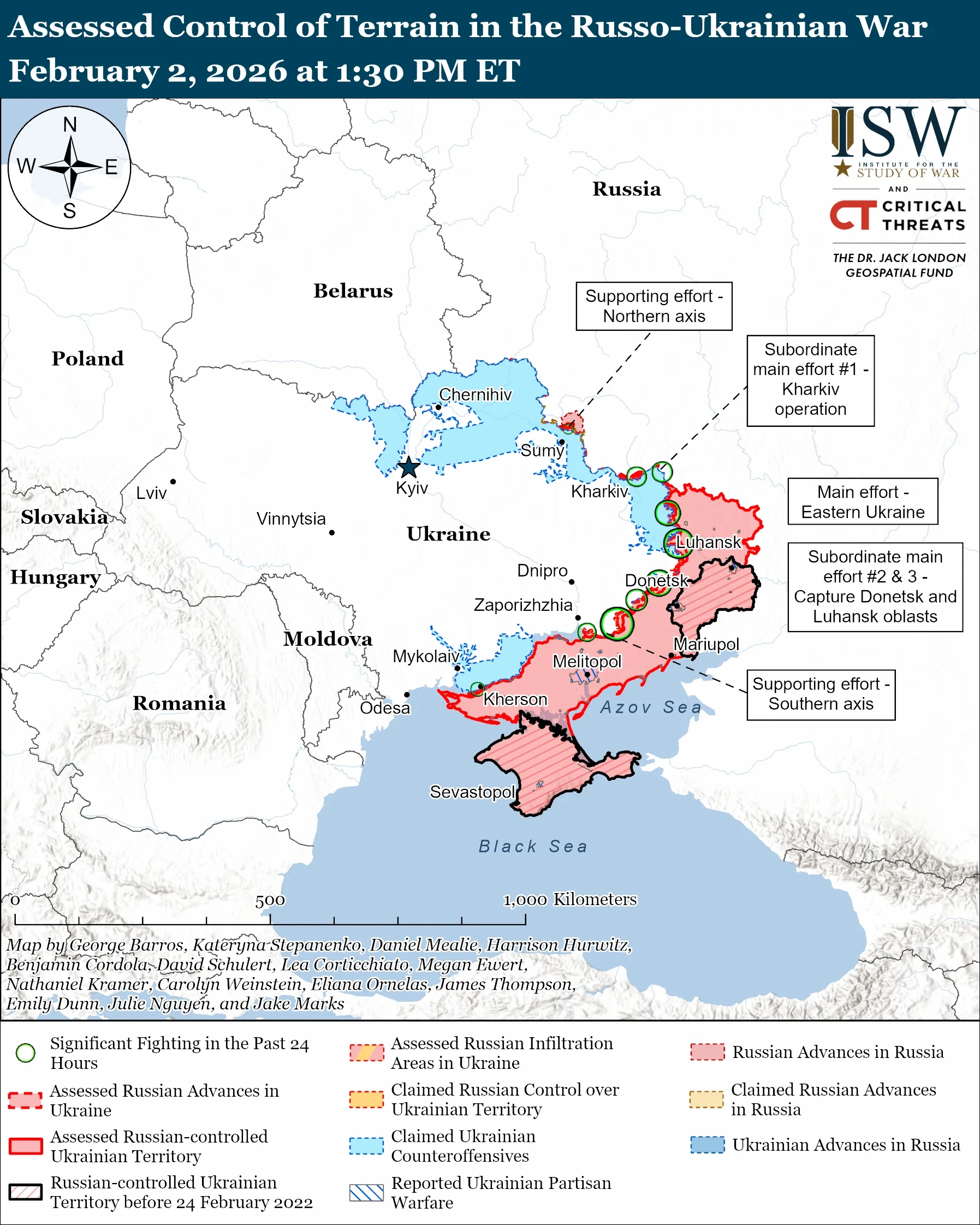
The Russia-Ukraine conflict has entered a critical phase with direct implications for cross-border e-commerce sellers operating in or sourcing from Eastern Europe and India. As of February 3, 2026 (day 1,440), three major developments are reshaping seller economics: Ukraine's electricity crisis has driven a 40% surge in imports (reaching 894 gigawatt hours in January 2026 vs. December 2025), signaling manufacturing cost pressures for sellers sourcing electronics, machinery, and industrial goods from Ukrainian suppliers. EU sanctions enforcement has intensified, with German authorities detaining five people operating sanctions-evasion networks exporting goods to Russian defense companies—a warning signal for sellers to audit their compliance frameworks and 3PL provider vetting processes to avoid inadvertent violations.
The India-Russia trade wind-down following Trump's trade agreement creates immediate operational challenges: Indian oil refiners require a transition period to complete Russian oil deals, which cascades into energy cost increases affecting Indian manufacturing hubs that supply textiles, electronics, and consumer goods to cross-border marketplaces. Sellers sourcing from India should expect 5-8% cost increases on manufacturing and logistics through Q2 2026 as refiners adjust supply chains.
Peace negotiations scheduled for February 4-5 in Abu Dhabi introduce a 6-month market volatility window. If ceasefire agreements hold, Ukrainian manufacturing capacity could recover by Q3 2026, creating opportunities for sellers to diversify sourcing away from China and Southeast Asia. However, if negotiations fail, expect further energy infrastructure attacks, potentially driving electricity costs up another 30-40% and forcing Ukrainian suppliers offline entirely. The EU's legal confirmation of its Russian gas import ban (confirmed by energy commissioner Dan Jorgensen) locks in higher energy costs across European manufacturing through 2026, affecting sellers sourcing from Poland, Germany, and Czech Republic suppliers who depend on alternative energy sources at premium rates.
For sellers, the immediate risk is supply chain disruption and cost inflation in Q1-Q2 2026. The strategic opportunity emerges in Q3 2026 if peace holds: Ukrainian manufacturing could offer 15-25% cost advantages over Chinese suppliers due to geographic proximity to EU markets and lower post-war reconstruction labor costs. Sellers in electronics, machinery, textiles, and consumer goods categories should monitor peace negotiations closely and prepare contingency sourcing strategies.
问题 8
How does Ukraine's 40% electricity import surge affect sellers sourcing from Eastern Europe?
Ukraine's electricity imports jumped to 894 gigawatt hours in January 2026 (40% increase from December 2025) due to Russian attacks on energy infrastructure, directly raising manufacturing costs for suppliers. Sellers sourcing electronics, machinery, and industrial goods from Ukrainian suppliers should expect 5-12% cost increases through Q2 2026 as manufacturers pass through higher energy expenses. This affects Amazon FBA sellers in categories like power tools, industrial equipment, and consumer electronics. Immediate action: contact Ukrainian suppliers to understand their energy cost pass-through timelines and lock in pricing before Q2 2026 if possible.
How should sellers adjust their Amazon FBA and eBay logistics strategies for cost inflation?
Sellers should expect 3-8% increases in FBA fulfillment costs through Q2 2026 as logistics providers pass through higher energy costs for warehousing and transportation. On eBay, shipping costs will increase 5-10% for sellers using standard carriers. Immediate actions: (1) Review your FBA inventory levels and consider shifting 15-20% to 3PL providers in lower-cost regions if applicable; (2) Adjust product pricing on Amazon and eBay by 3-5% to offset cost inflation before March 2026; (3) Evaluate Shopify or WooCommerce as alternatives to reduce platform fees and reinvest in logistics efficiency. Monitor your IPI scores closely—higher storage costs may pressure inventory turnover metrics through Q2 2026.