

Starsand Island Early Access Launch Feb 2026 | Licensed Merchandise & Gaming Collectibles Opportunity for Cross-Border Sellers
- Chinese indie game debut targets $2B+ cozy gaming market; sellers can capitalize on merchandise, collectibles, and physical edition demand through Amazon, eBay, and specialty gaming platforms






概览
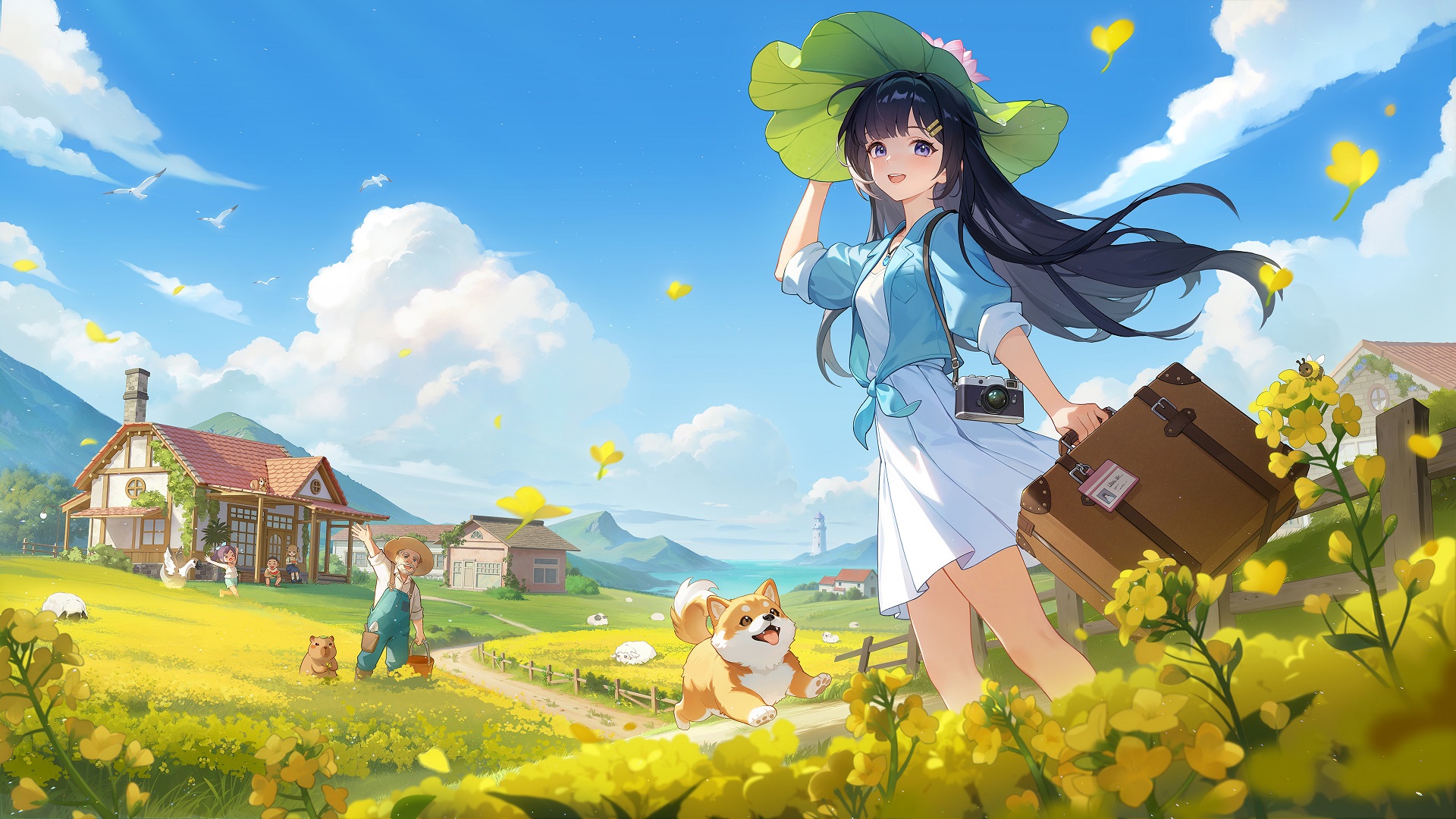
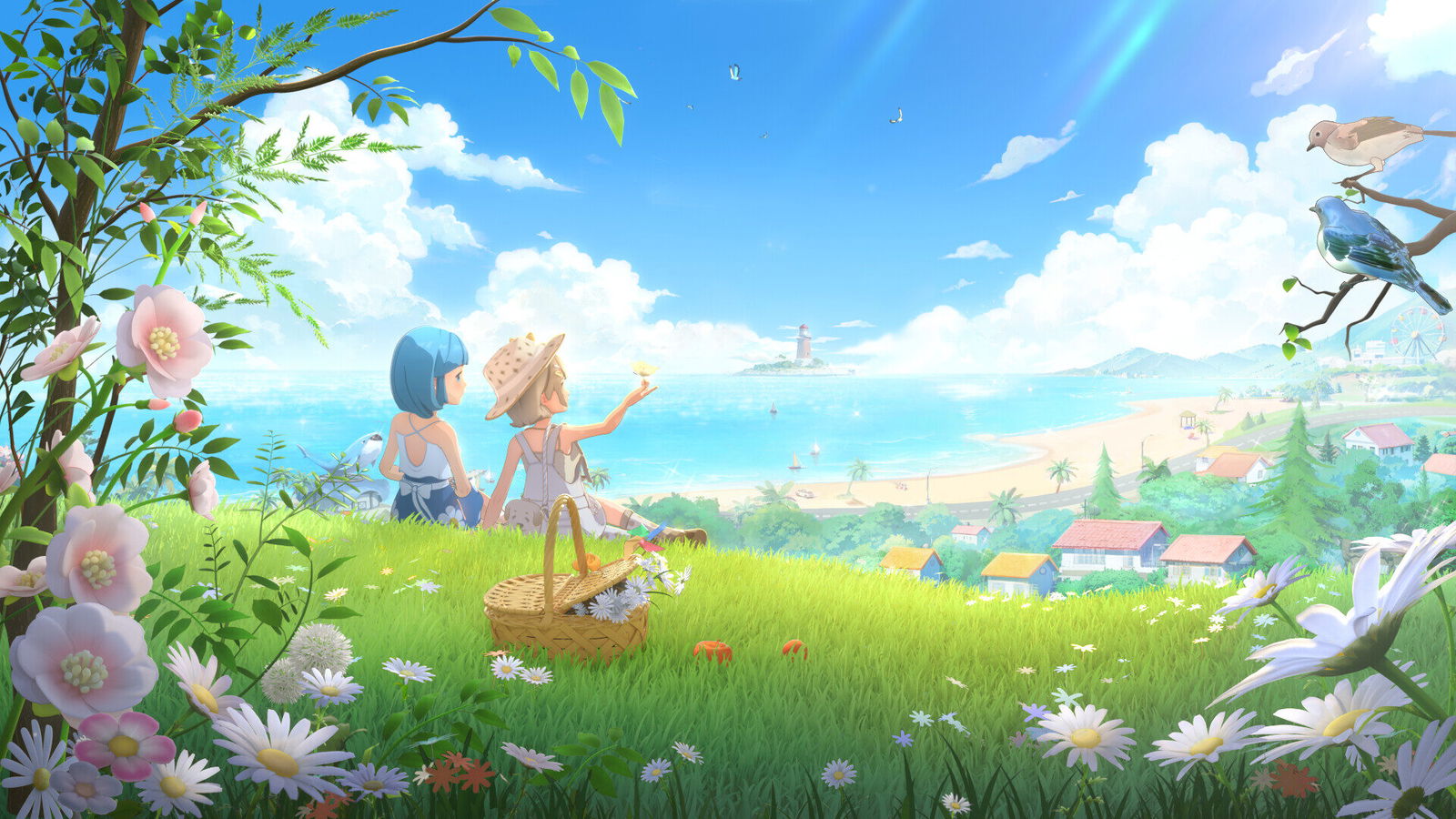
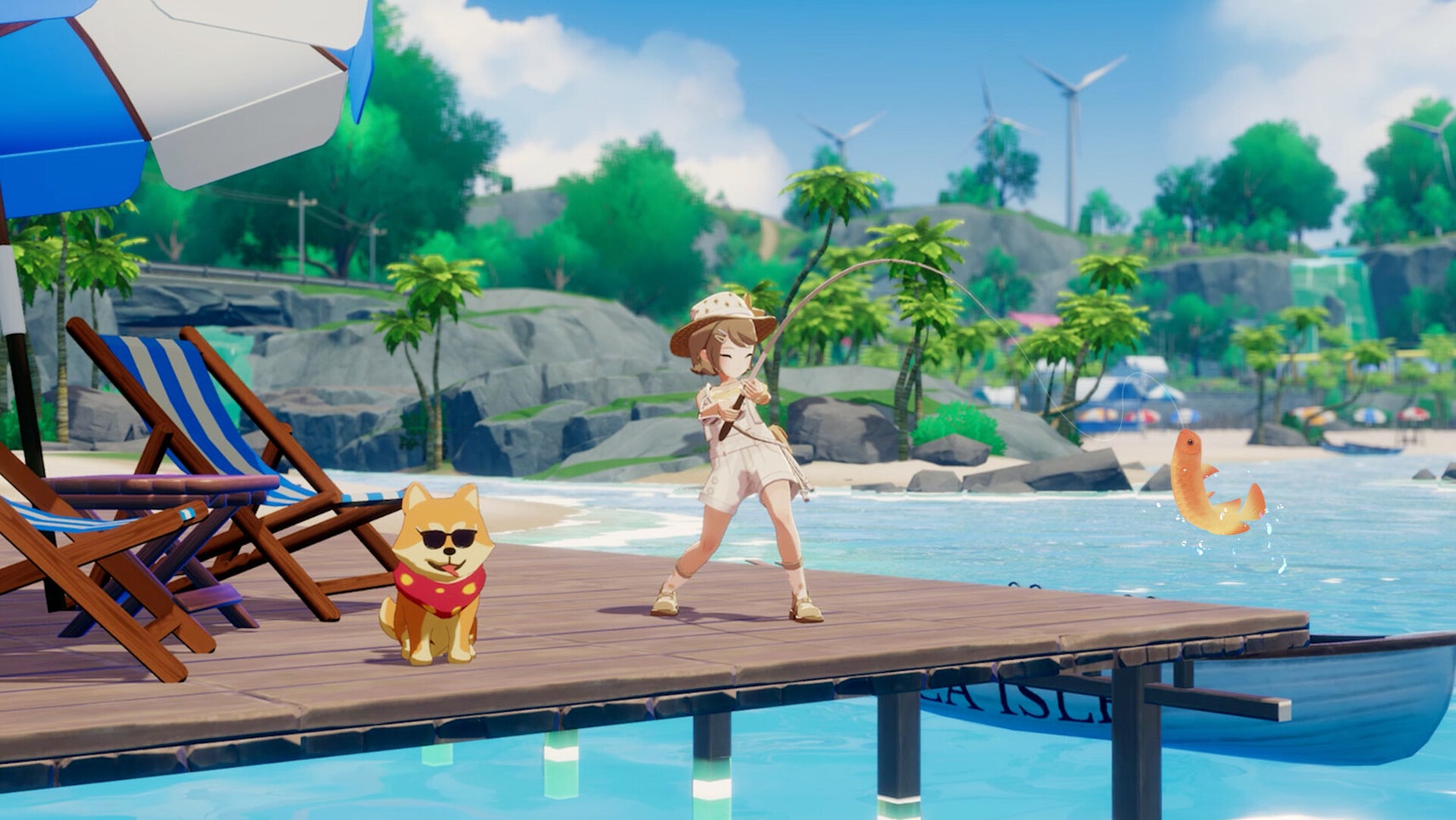
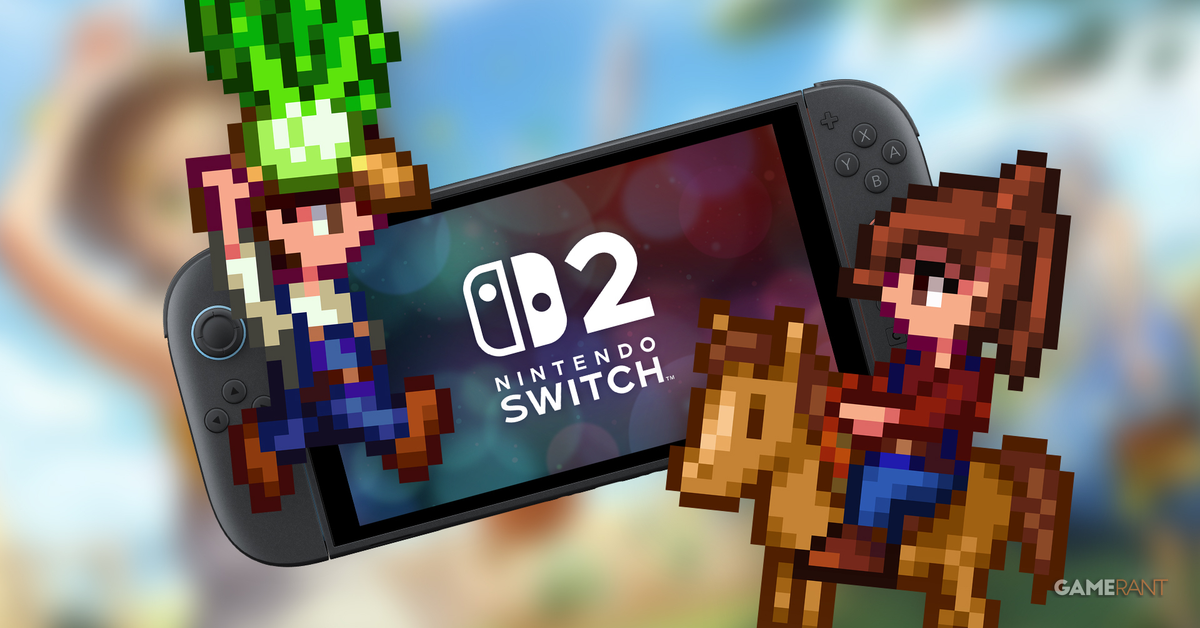
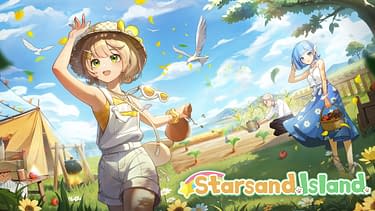
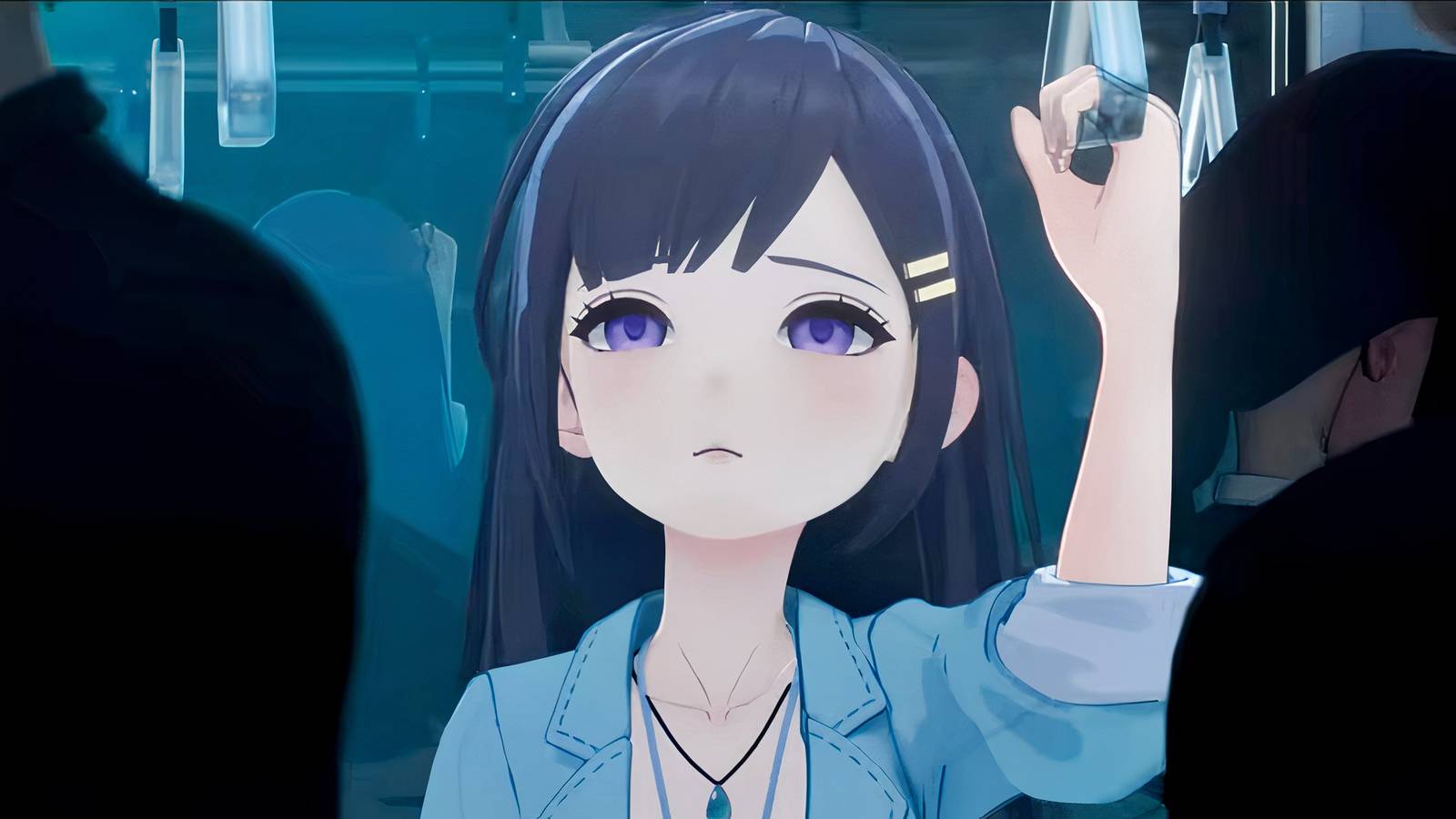
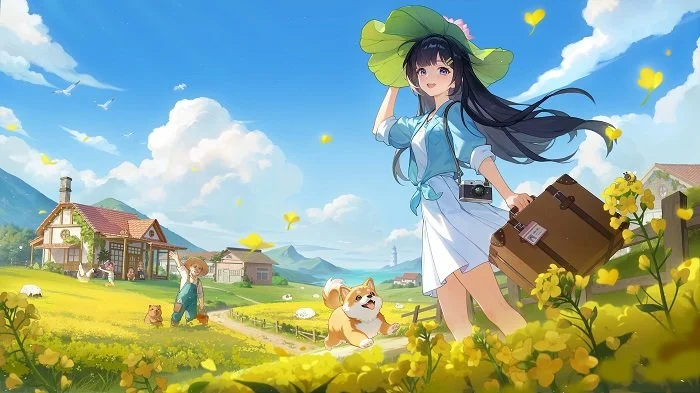
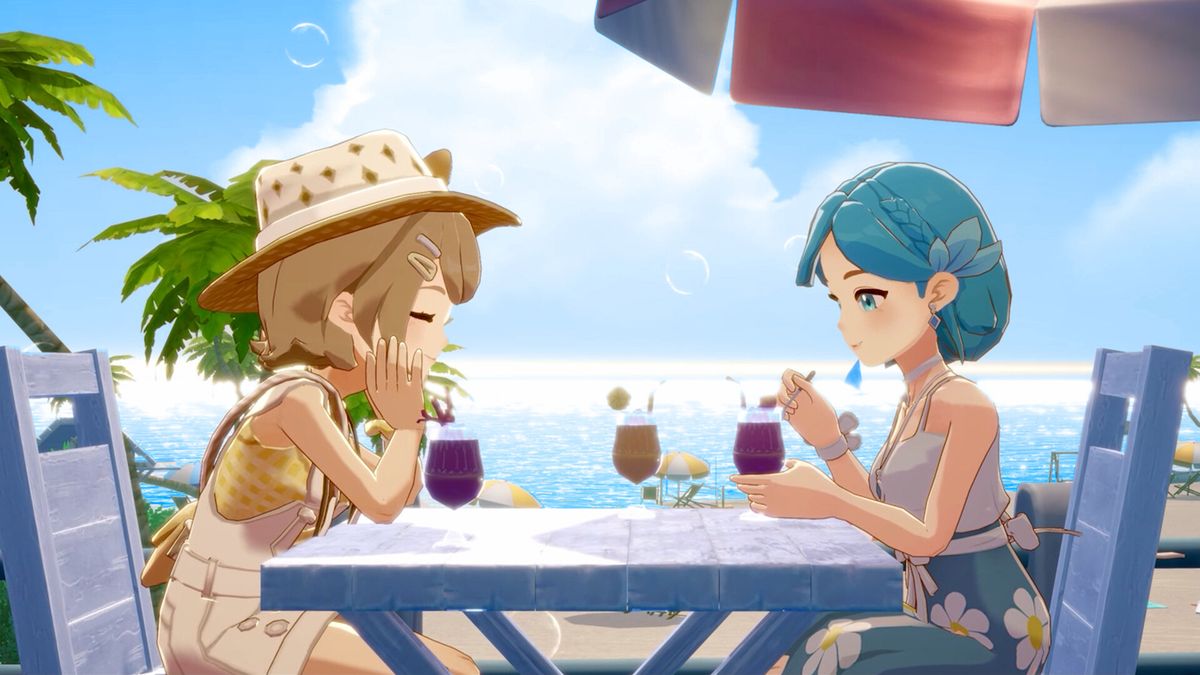
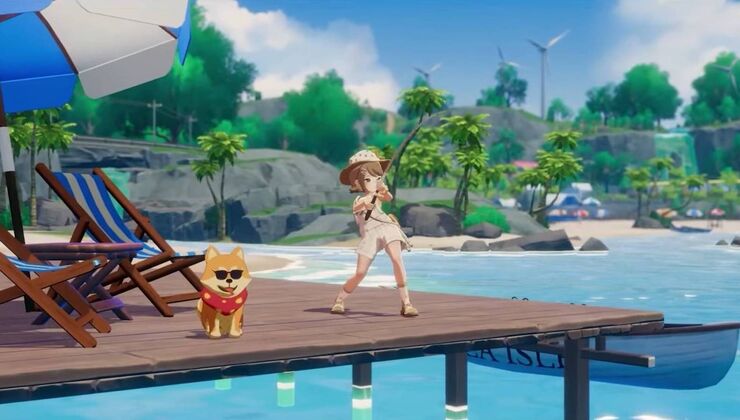
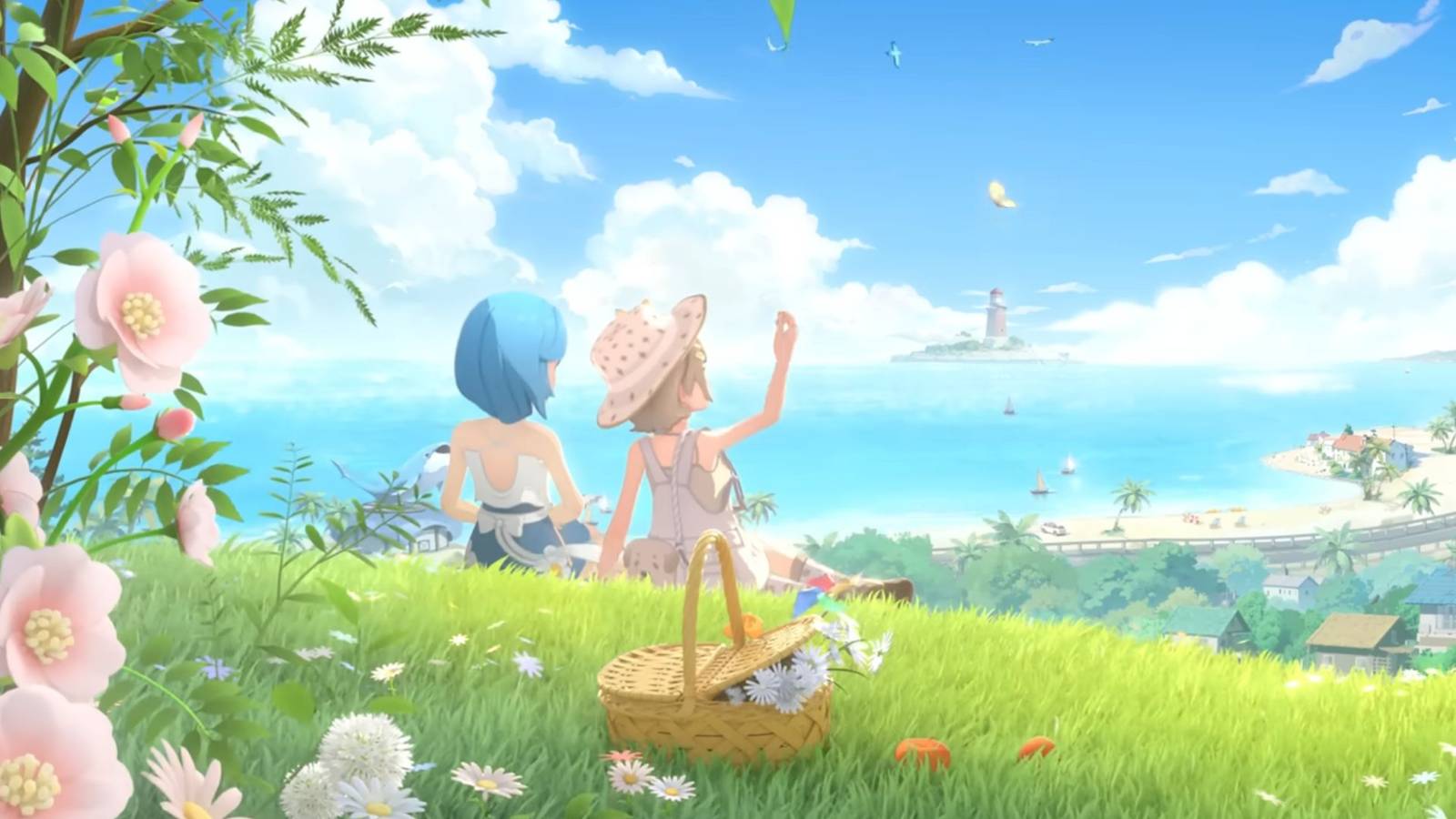
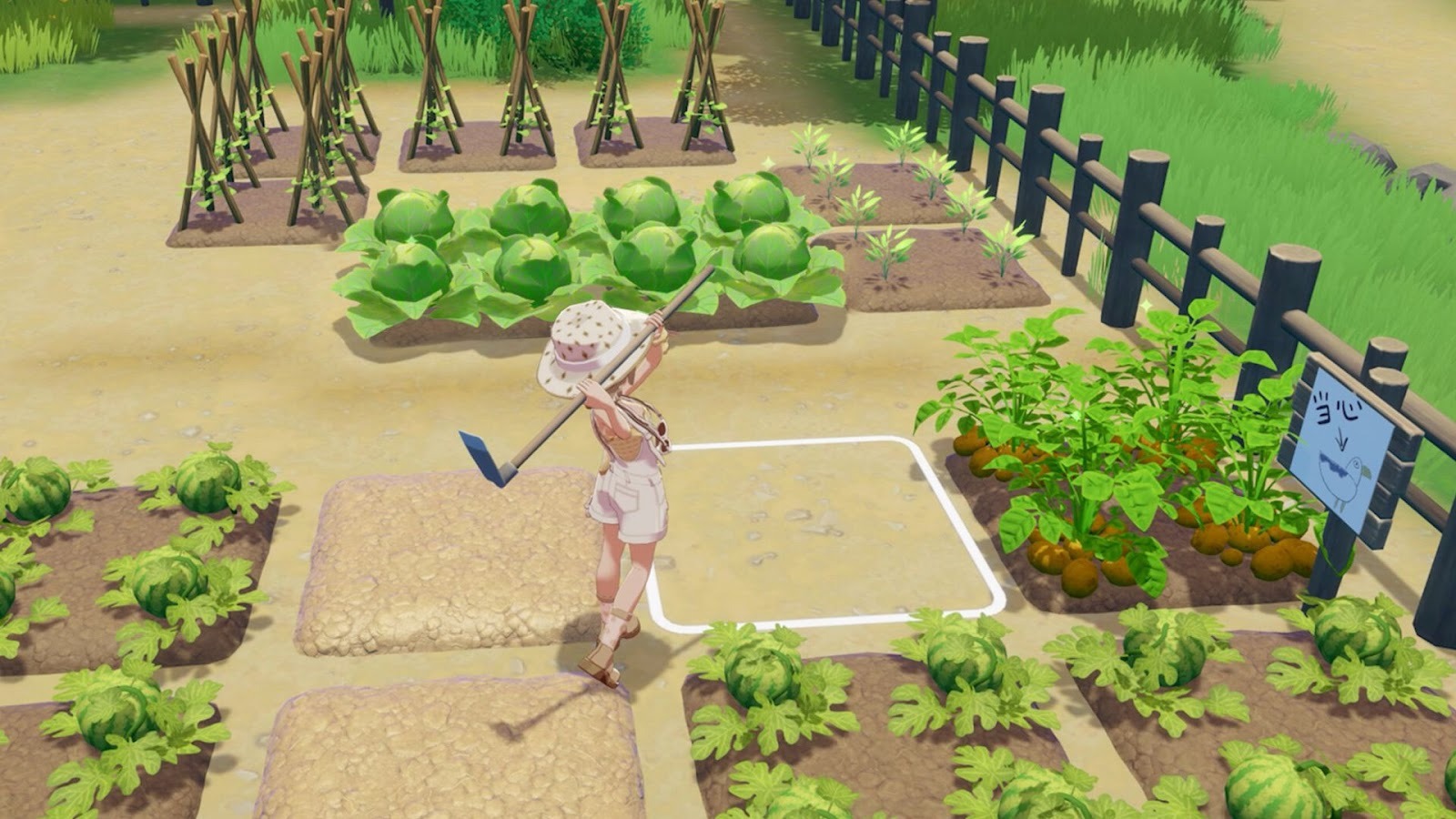
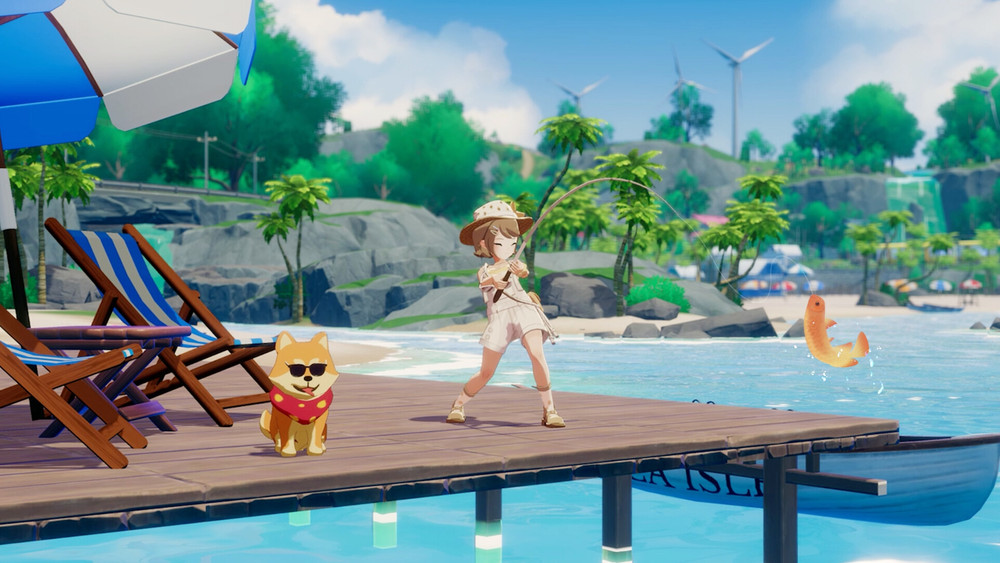
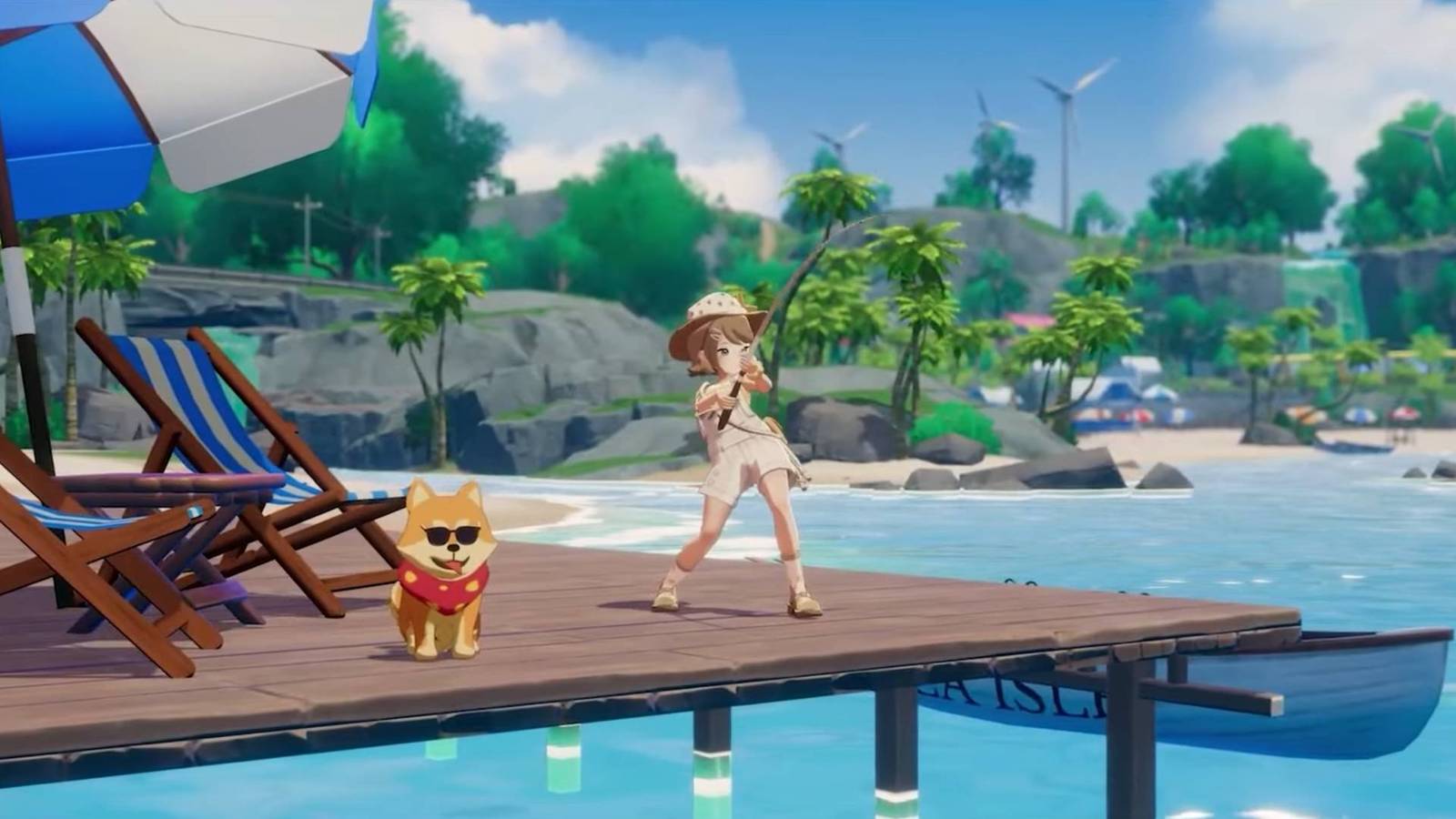
Starsand Island's February 11, 2026 Early Access launch on Steam and Xbox represents a significant market entry point for cross-border e-commerce sellers targeting the rapidly expanding cozy gaming merchandise category. Developed by Chinese studio Seed Sparkle Lab, this anime-inspired life simulation game is positioned as a Stardew Valley competitor with multi-platform console releases planned for summer 2026 (PlayStation 5, Xbox Series X|S, Nintendo Switch 2). The game's 100+ hours of gameplay, featuring farming, fishing, crafting, and relationship-building mechanics, appeals to the growing demographic of players seeking relaxation-focused gaming experiences—a market segment that has generated explosive merchandise demand following Stardew Valley's $100M+ success.
For cross-border sellers, the strategic opportunity centers on three revenue streams emerging from this launch cycle. First, licensed merchandise opportunities will expand significantly once the full console release launches in summer 2026. News reports indicate Seed Sparkle Lab plans physical editions for console releases and has already established crossover collaborations (My Time at Portia, Yueyang Tower), signaling openness to merchandise partnerships. Sellers on Amazon, eBay, and specialty gaming platforms (Etsy, Redbubble) can prepare inventory for anime-inspired apparel, home décor, and collectibles targeting the established Stardew Valley fan community—estimated at 20M+ active players globally. The game's Chinese-inspired aesthetic and cultural elements (Chinese New Year bonuses in Standard Edition, traditional outfits) create differentiation opportunities in the underserved Asian-Western gaming merchandise niche.
Second, the six-month Early Access window (February-summer 2026) creates a critical pre-launch inventory planning period for sellers. The staggered release strategy—Early Access on PC/Xbox followed by console launches—mirrors successful indie game monetization patterns where merchandise sales peak 2-4 weeks post-console launch. Sellers should monitor official announcements for physical edition specifications, licensing opportunities, and collectible variants. The Deluxe Edition's inclusion of "Romanticism-inspired classical outfits and fantasy furniture" indicates multiple cosmetic tiers, suggesting tiered merchandise pricing strategies (standard vs. premium collectibles). Third, the extended development cycle and feature additions (terraforming, expanded animal companions, new maps) signal ongoing content updates that drive sustained player engagement and merchandise refresh cycles—similar to how Stardew Valley's annual updates generate recurring merchandise demand spikes.
Operational considerations for sellers include supply chain timing and platform positioning. Chinese-origin games targeting Western markets typically see 30-40% higher merchandise demand in Q3-Q4 (post-summer console launch through holiday season). Sellers should establish relationships with print-on-demand suppliers and collectible manufacturers by March 2026 to meet anticipated Q3 demand. The game's multi-platform launch (Steam, Xbox, PlayStation, Switch 2, macOS) indicates broad audience reach—Switch 2 particularly attracts casual players with higher merchandise conversion rates. Sellers can leverage this by positioning gaming collectibles across multiple marketplaces: Amazon for mainstream appeal, eBay for collectible variants, Etsy for handmade/custom items, and specialty gaming retailers for exclusive editions. The anime aesthetic also opens opportunities in the $3.2B global anime merchandise market, where cross-border sellers from Asia-Pacific regions have established supply chain advantages.
问题 7
How does Starsand Island's Chinese origin affect merchandise strategy?
The game's Chinese development by Seed Sparkle Lab and Chinese-inspired aesthetic (Chinese New Year bonuses, traditional outfits) create differentiation in the underserved Asian-Western gaming merchandise niche. This positioning appeals to two distinct buyer segments: Western cozy game enthusiasts seeking culturally diverse gaming experiences, and Asian diaspora communities valuing culturally authentic merchandise. Sellers can leverage this by developing dual-market merchandise strategies: Western-focused designs emphasizing anime aesthetics and relaxation themes for Amazon/eBay, and Asia-Pacific focused designs emphasizing cultural authenticity for regional platforms (Shopee, Lazada, Taobao). Chinese-origin sellers have 20-30% cost advantages through established manufacturing networks, enabling competitive pricing while maintaining 40-50% margins. The game's planned crossover with Yueyang Tower (Chinese cultural landmark) signals additional cultural merchandise opportunities.
What is the timeline for sellers to prepare Starsand Island merchandise inventory?
The optimal preparation timeline spans February-June 2026. February-March: Monitor Early Access player feedback and community engagement to validate merchandise demand. March-April: Finalize designs and establish manufacturing partnerships with print-on-demand suppliers or collectible manufacturers (lead time: 6-8 weeks). April-May: Begin pre-production for high-volume items (apparel, plushies, posters). May-June: Prepare inventory for launch during summer console release window. Peak merchandise sales typically occur 2-4 weeks post-console launch (late June-July 2026), with sustained demand through Q3-Q4 holiday season. Sellers who launch merchandise within 2 weeks of console release capture 40-50% of annual merchandise revenue, while late entries (post-August) see 60-70% lower sales.