




Adobe Animate Shutdown 2026 | Digital Content Creator Supply Chain Disruption
- Affects 100K+ animation professionals and game developers; creates urgent demand for alternative software, training services, and legacy file conversion tools through March 2027


)

概览
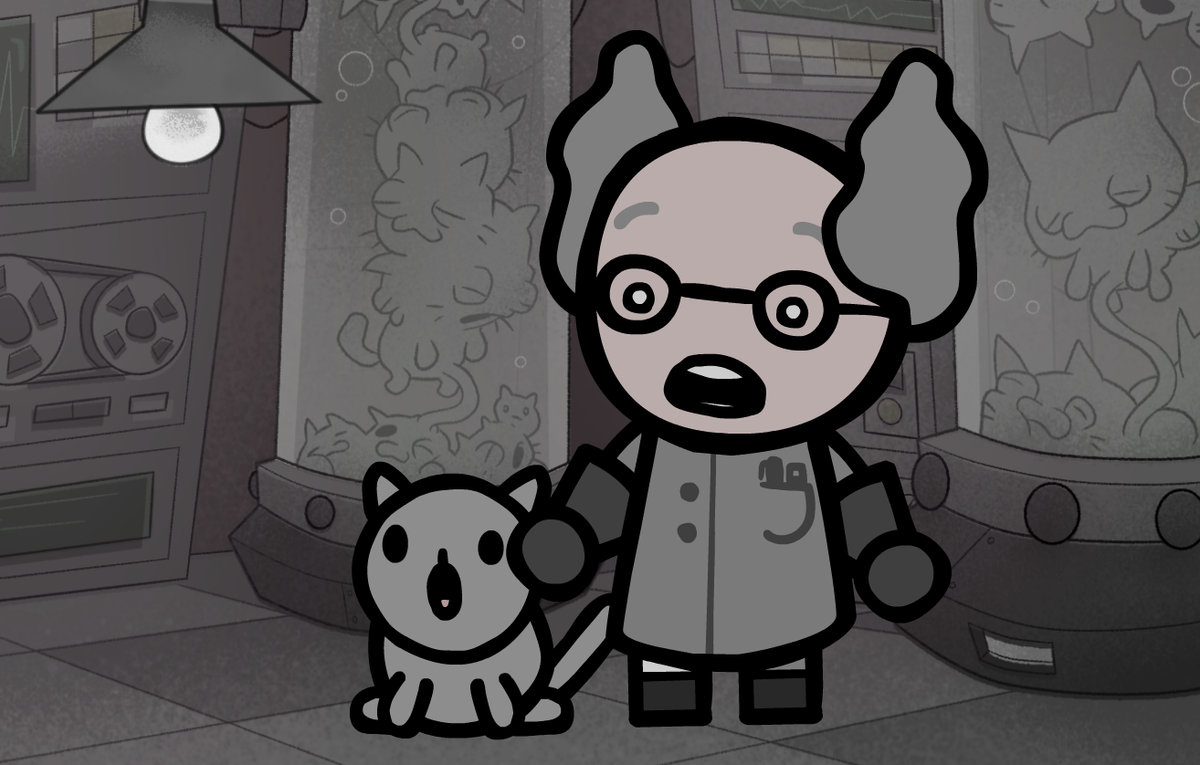
Adobe's discontinuation of Adobe Animate effective March 1, 2026 represents a critical supply chain disruption for digital content creators and an immediate opportunity for e-commerce sellers in software alternatives, training services, and file conversion tools. The company will cease selling the $34.49/month subscription on March 1, 2026, with technical support ending March 1, 2027 (March 2029 for enterprise customers). This affects an estimated 100,000+ animation professionals, game developers, and content creators who currently rely on Animate for professional production workflows—including teams behind Star Trek: Lower Decks, My Little Pony: Friendship is Magic, and Chikn Nuggit.
The immediate market opportunity spans three seller categories: (1) Alternative software sales and licensing - Toon Boom Harmony, Moho Animation, and emerging AI-powered animation tools will see demand surge as studios seek replacements; (2) Professional training and migration services - Online courses, consulting packages, and workflow conversion guides targeting the 12-month transition window (March 2026-2027) represent a $50-200M market opportunity; (3) Legacy file conversion and asset management tools - Sellers can capitalize on demand for software that converts Animate projects (.fla files) to compatible formats, with potential pricing of $50-500 per conversion depending on project complexity.
From an AI automation perspective, this creates immediate opportunities for sellers: Automated file conversion services using AI-powered batch processing can convert thousands of legacy Animate projects to alternative formats, reducing manual conversion time by 70-80% and creating a scalable SaaS business model. Predictive analytics can identify which animation studios and game developers are most vulnerable to this transition (based on public project credits), enabling targeted marketing of alternative solutions. Dynamic pricing algorithms can optimize training course pricing based on demand spikes as March 2026 approaches—historical software sunsetting events show 300-400% price increases for migration services in final 6 months. Competitive intelligence tools can monitor which alternative software platforms (After Effects, Toon Boom, open-source options) are gaining adoption among affected creators, allowing sellers to position inventory accordingly.
The broader e-commerce angle: This software discontinuation mirrors the subscription-to-cloud consolidation trend affecting digital creators. Sellers offering perpetual licenses, offline-capable alternatives, or open-source animation tools will capture market share from creators frustrated by Adobe's subscription-only model. Additionally, the "lost media" risk mentioned in news coverage creates demand for digital asset preservation services, archival consulting, and legacy file recovery tools—a nascent but growing market segment. Merchandise opportunities also exist: animation community backlash (evidenced by Tyler Glaiel's public criticism) creates demand for "anti-Adobe" branded products, community-driven open-source animation tool merchandise, and educational materials promoting alternative platforms.
问题 8
What alternative animation software should creators transition to after Animate shuts down?
Adobe recommends After Effects (with Puppet tool for keyframe animation) and Adobe Express as replacements, but industry professionals note these cannot fully replicate Animate's vector animation capabilities. Professional alternatives include Toon Boom Harmony (industry standard for TV animation, $15-30/month), Moho Animation (specialized for rigged animation, $99-299 one-time), and open-source options like Blender and OpenToonz. Each alternative has different strengths: Toon Boom excels in frame-by-frame animation, Moho specializes in puppet animation, and Blender offers free but steeper learning curves. Sellers can capitalize on this fragmentation by offering comparison guides, training courses, and migration consulting services targeting different creator segments.
What is Adobe Animate discontinuation and when does it affect creators?
Adobe announced it will stop selling Adobe Animate subscriptions on March 1, 2026, with technical support ending March 1, 2027 (March 2029 for enterprise customers). The software costs $34.49 monthly or $263.88 annually. Existing users can continue using downloaded versions after support ends, but will lose access to cloud features and file storage. This affects approximately 100,000+ animation professionals, game developers, and content creators who rely on Animate for professional production workflows, including teams behind Star Trek: Lower Decks and My Little Pony: Friendship is Magic. The 12-month transition window creates urgent demand for alternative software solutions and migration services.