



Gaza Medical Crisis Reopens Supply Chain Opportunities | Humanitarian Relief Products Surge
- Rafah crossing reopens after 2 years; 22,000 patients need urgent care abroad; medical supply demand spike creates cross-border e-commerce opportunities for healthcare sellers








概览
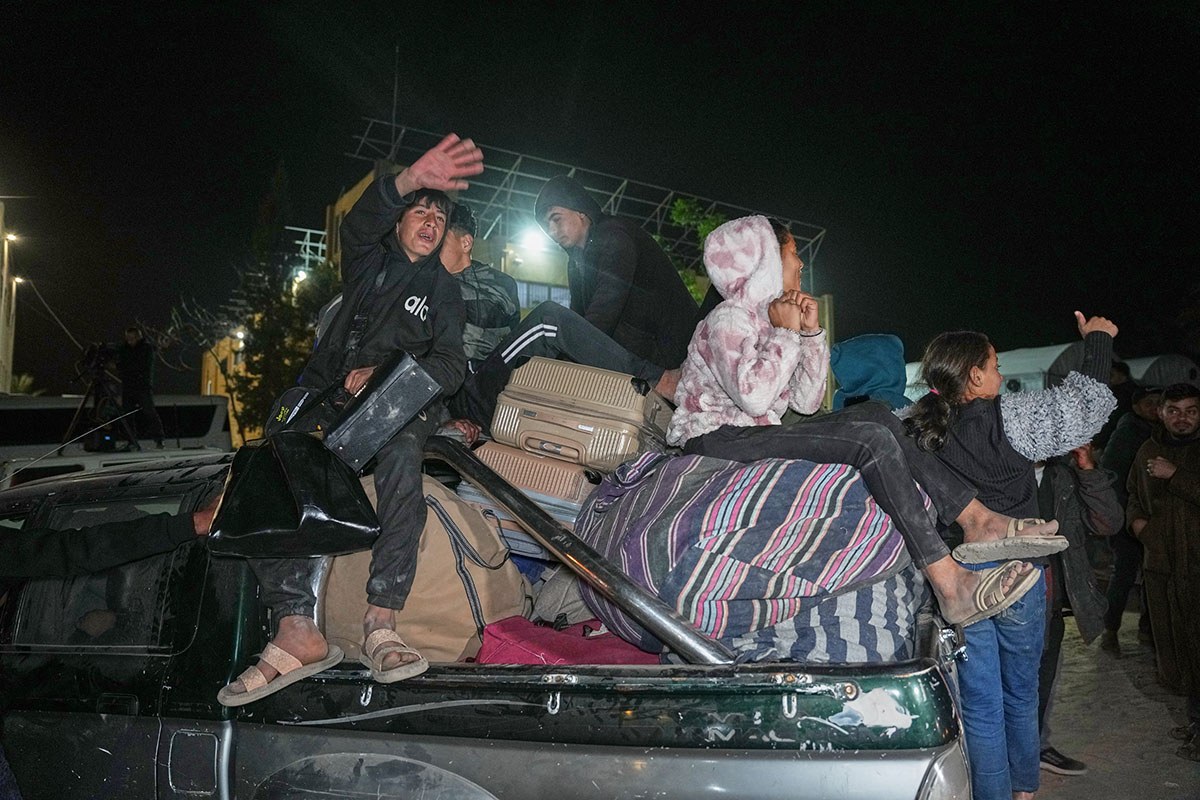
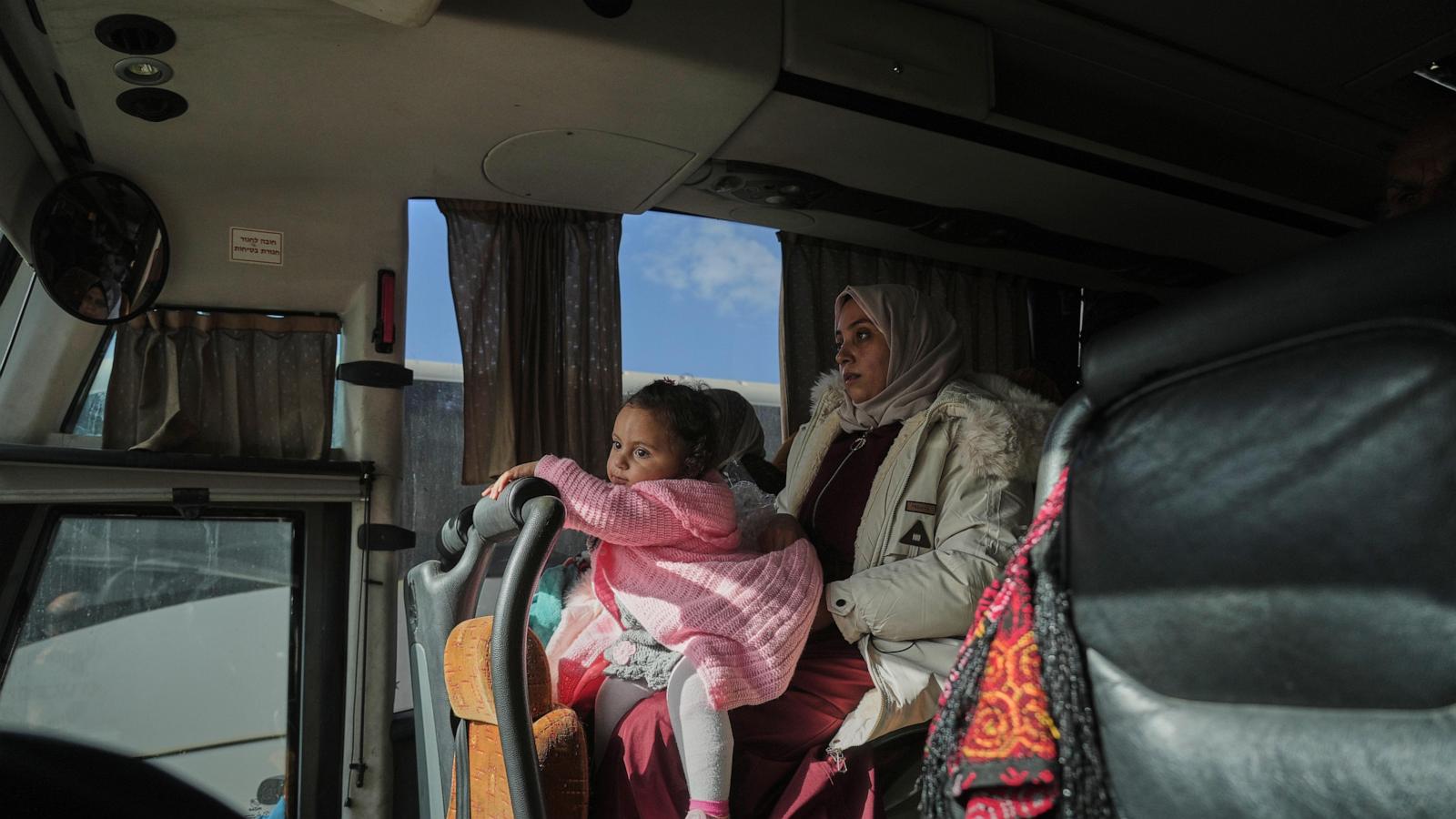
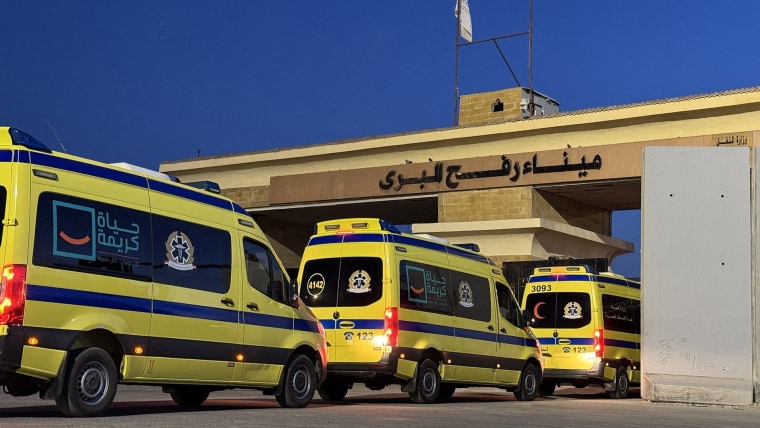
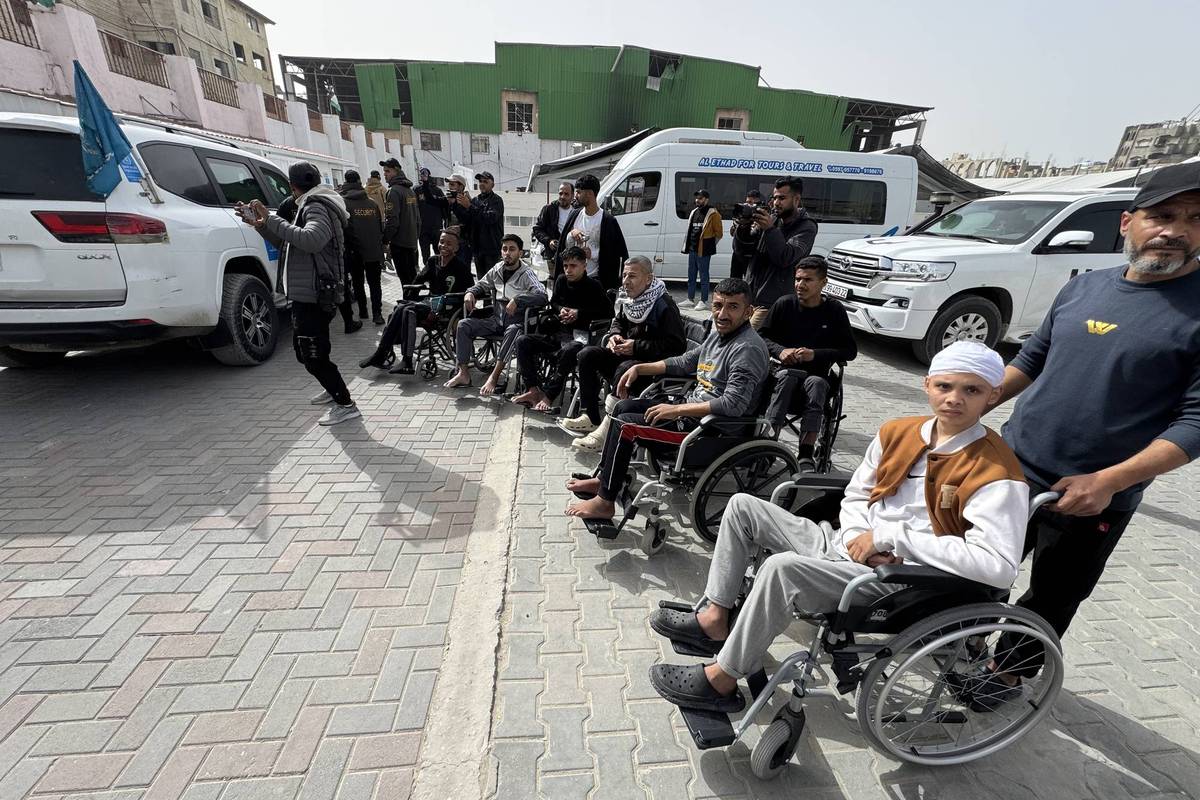
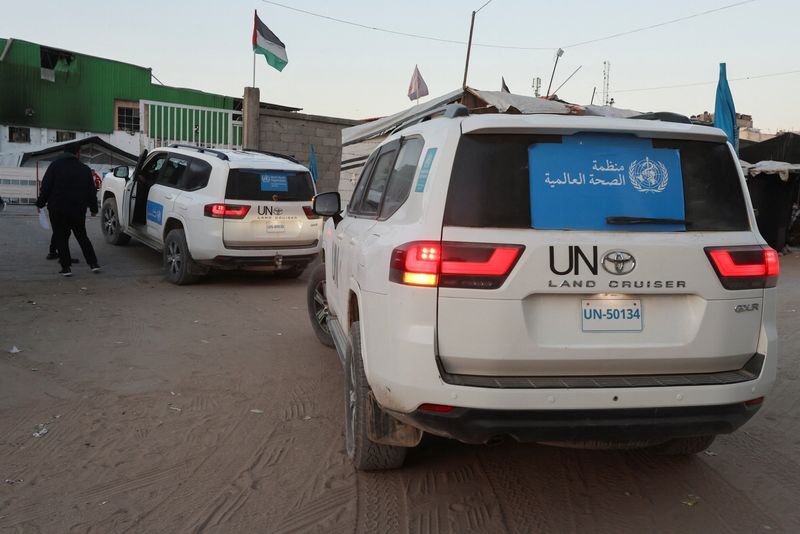
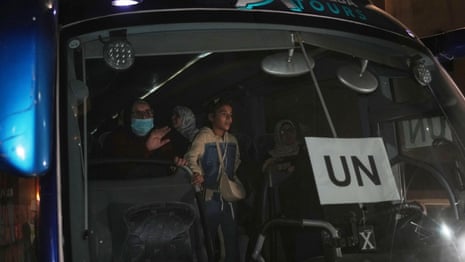
The reopening of the Rafah crossing after nearly two years of closure represents a critical humanitarian inflection point with significant implications for cross-border e-commerce sellers in the medical, relief, and humanitarian product categories. On the first day of reopening, only 5 Palestinian patients were permitted to exit Gaza for medical treatment, despite an estimated 22,000 wounded and sick individuals requiring urgent care abroad. The Palestine Red Crescent Society coordinated evacuation of approximately 45 patients with 90 companions toward the Rafah crossing for transfer to Egypt, signaling the beginning of a sustained medical evacuation pipeline that will drive demand for specialized healthcare products, mobility aids, medical supplies, and post-trauma care items across regional e-commerce platforms.
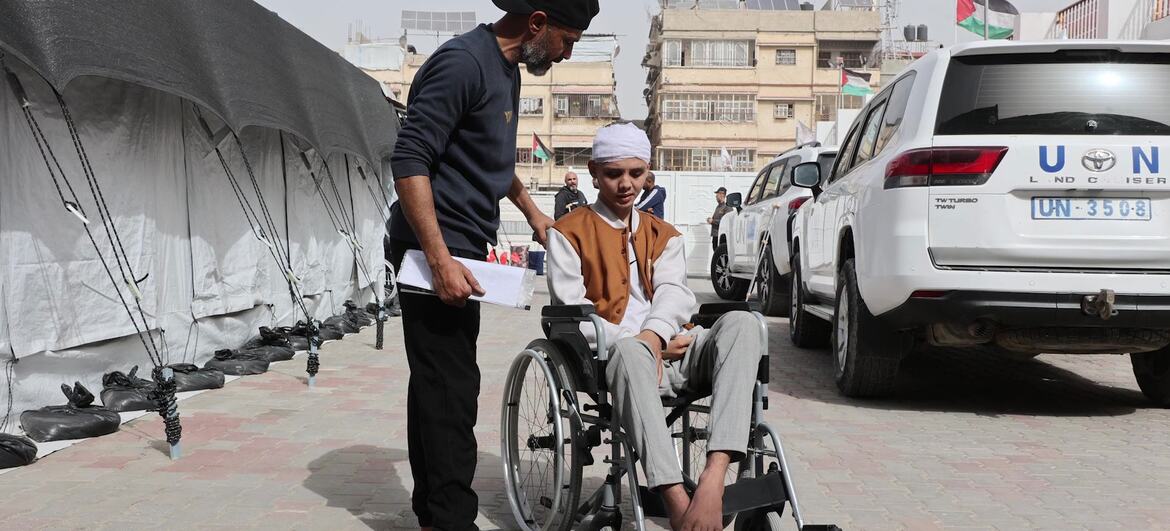
For cross-border sellers, this crisis creates immediate product opportunities in three categories: (1) Medical supplies and equipment - wheelchairs, crutches, prosthetics, wound care products, and diagnostic devices needed for 22,000+ patients requiring treatment abroad; (2) Humanitarian relief products - first aid kits, emergency medical packs, hygiene products, and sanitation supplies for displaced populations; (3) Logistics and packaging solutions - specialized medical transport containers, temperature-controlled packaging, and documentation systems required for cross-border patient evacuation coordination. The World Health Organization's ongoing discussions with Israeli military regarding patient lists indicate a formalized, sustained evacuation process rather than a temporary measure, suggesting 6-12 month sustained demand window for medical product suppliers serving Egypt, Jordan, and other regional treatment centers.
Market dynamics indicate significant seller opportunities: Regional healthcare NGOs like Fajr Global are coordinating large-scale procurement, creating B2B wholesale opportunities for sellers with medical product certifications and bulk fulfillment capabilities. The humanitarian context—with 43 Palestinians killed in attacks between January 14-28 and 18,731 casualties documented in a single Saturday—indicates this is not a temporary crisis but a sustained emergency requiring continuous supply replenishment. Sellers with existing relationships in Egypt, UAE, and Jordan can position themselves as critical supply chain partners for medical organizations coordinating patient care. Additionally, the security complications noted (interrogations, military checkpoints at Rafah) suggest demand for secure documentation systems, encrypted communication platforms, and compliance-tracking software for NGOs managing patient data across conflict zones.
Immediate seller actions: (1) Identify medical product categories with highest demand in Egypt and Jordan through marketplace analytics; (2) Establish relationships with humanitarian NGOs and healthcare providers coordinating patient evacuations; (3) Develop bulk fulfillment capabilities for medical organizations; (4) Create product listings optimized for "medical evacuation," "humanitarian relief," and "Gaza healthcare" search terms; (5) Ensure compliance with international medical product standards and export documentation requirements for conflict-affected regions.
问题 8
How long will demand for Gaza crisis medical products remain elevated?
The reopening of Rafah crossing after 2 years and the documented need for 22,000+ patients to receive treatment abroad suggests a sustained 6-12 month demand window. The World Health Organization's ongoing coordination with Israeli military regarding patient evacuation lists indicates this is a formalized, continuous process rather than a temporary emergency response. Historical patterns from similar humanitarian crises show medical supply demand remains elevated for 12-18 months as patient populations receive ongoing treatment and rehabilitation. Sellers should plan inventory and fulfillment capacity for sustained demand rather than short-term spikes, positioning themselves as reliable long-term suppliers to humanitarian organizations.
Which regional e-commerce platforms offer best access to humanitarian procurement?
Egypt and Jordan-based marketplaces including Jumia Egypt, Noon.com, and regional B2B platforms serve as primary channels for reaching institutional buyers and healthcare organizations. Amazon Global and eBay Business offer international fulfillment options for sellers shipping medical products to the region. However, direct relationships with NGOs and healthcare providers often bypass marketplace channels entirely, requiring sellers to develop B2B sales capabilities. Consider registering with UN procurement databases and international humanitarian organization vendor lists, which provide direct access to organizations coordinating patient care and medical supply procurement.