




Hungary 2026 Election AI Manipulation | Political Instability Reshapes EU Consumer Markets
- Political uncertainty in Hungary drives €4B+ media spending surge; sellers face regulatory volatility and shifting consumer confidence across Central Europe through April 2026











概览
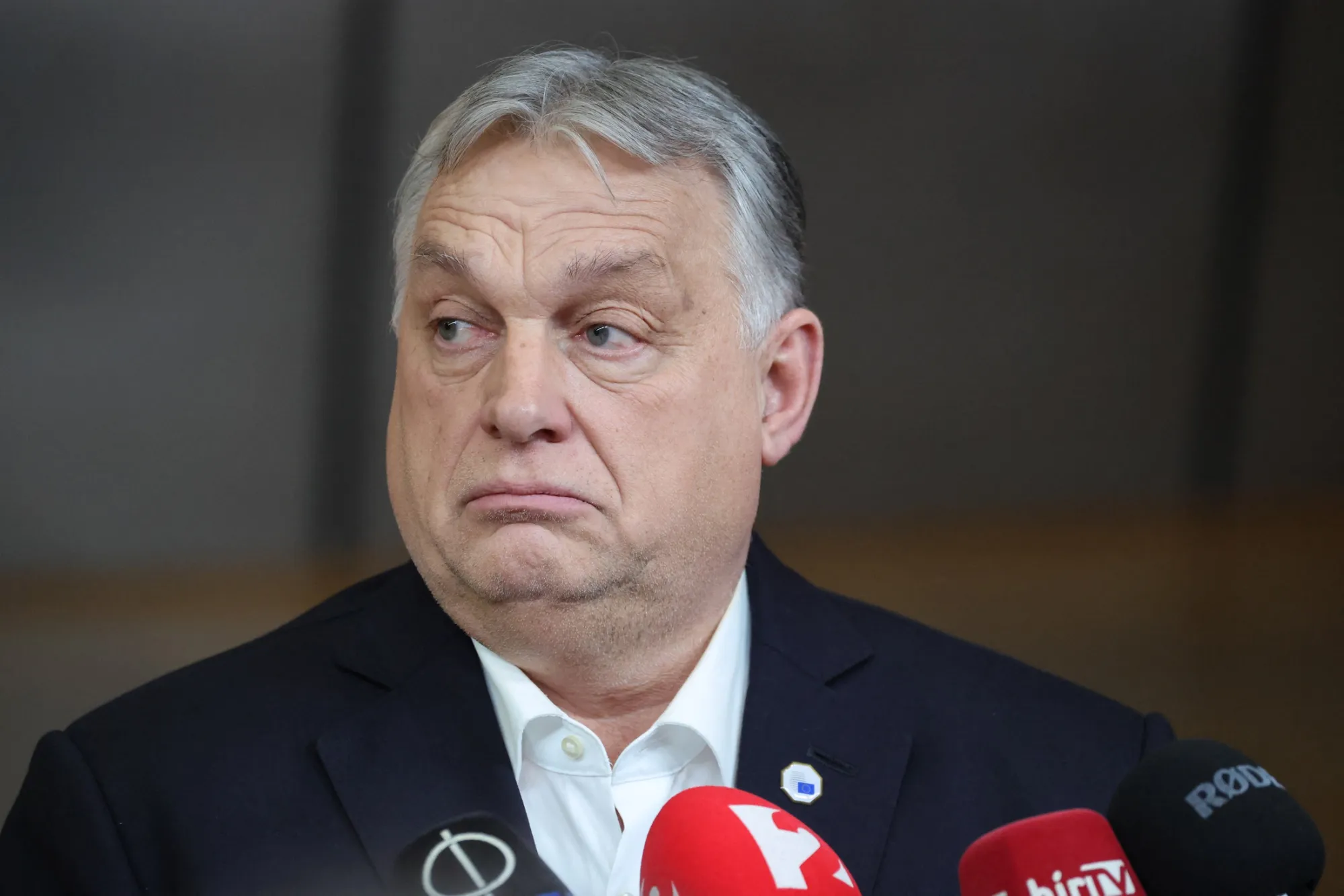
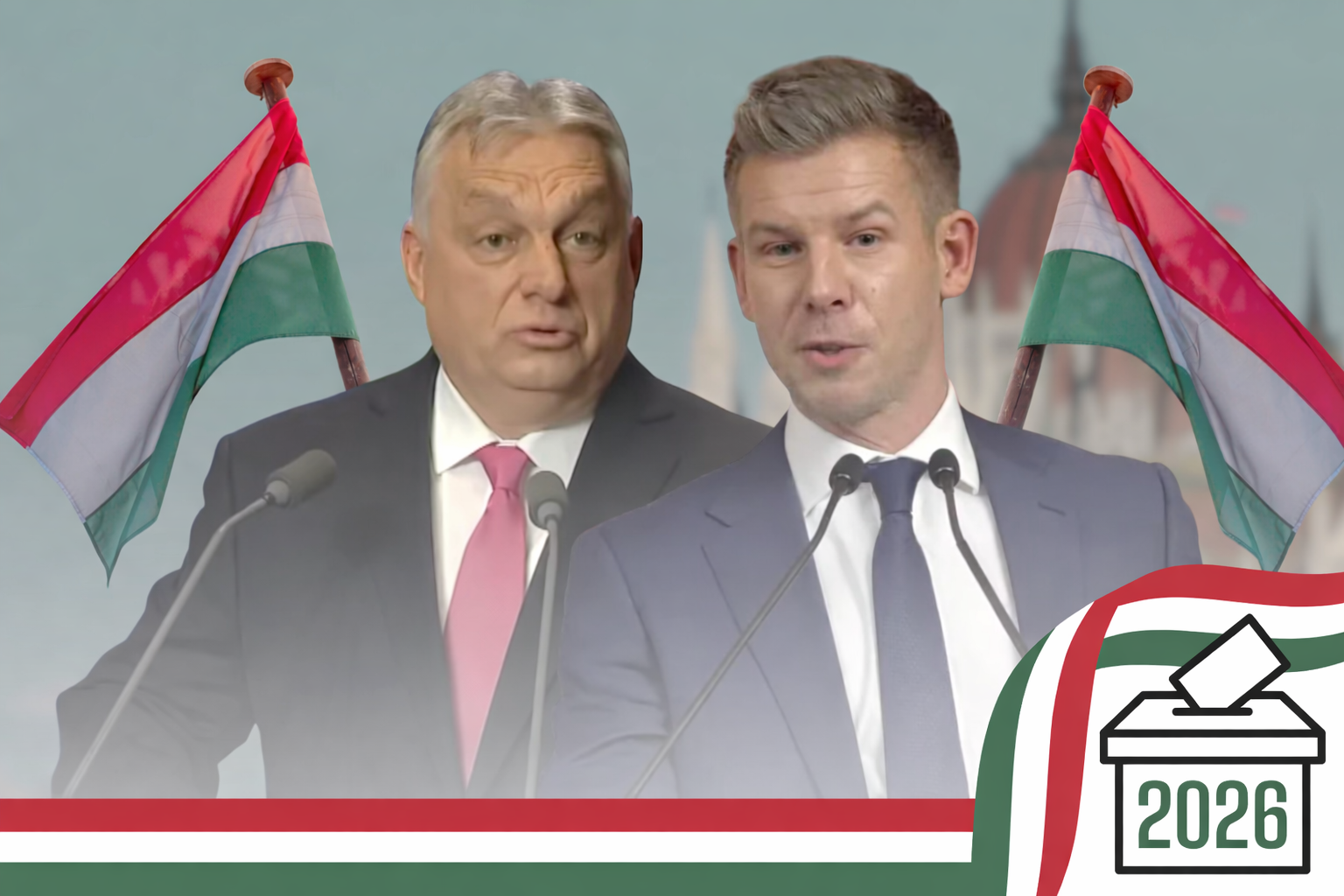
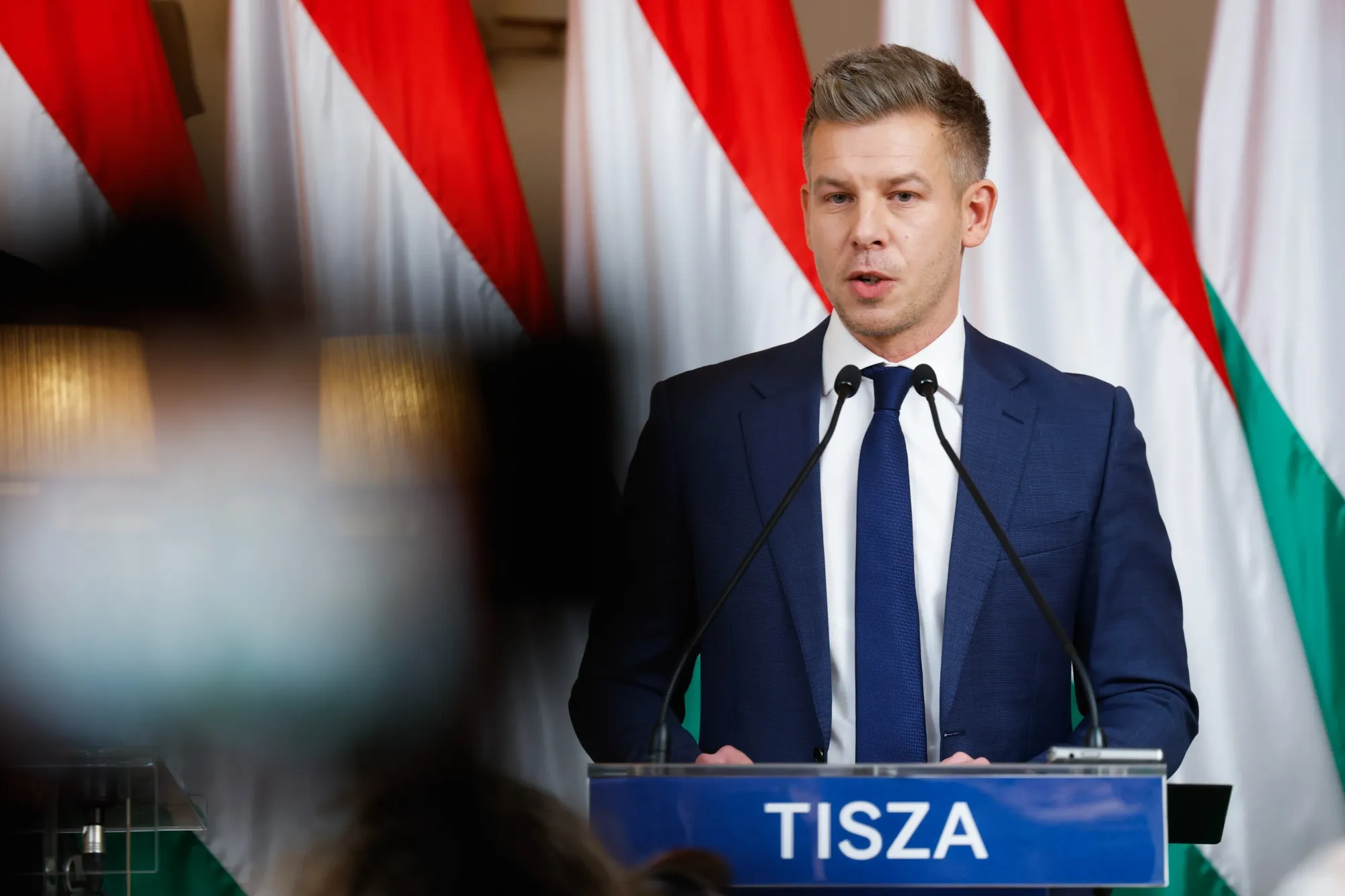
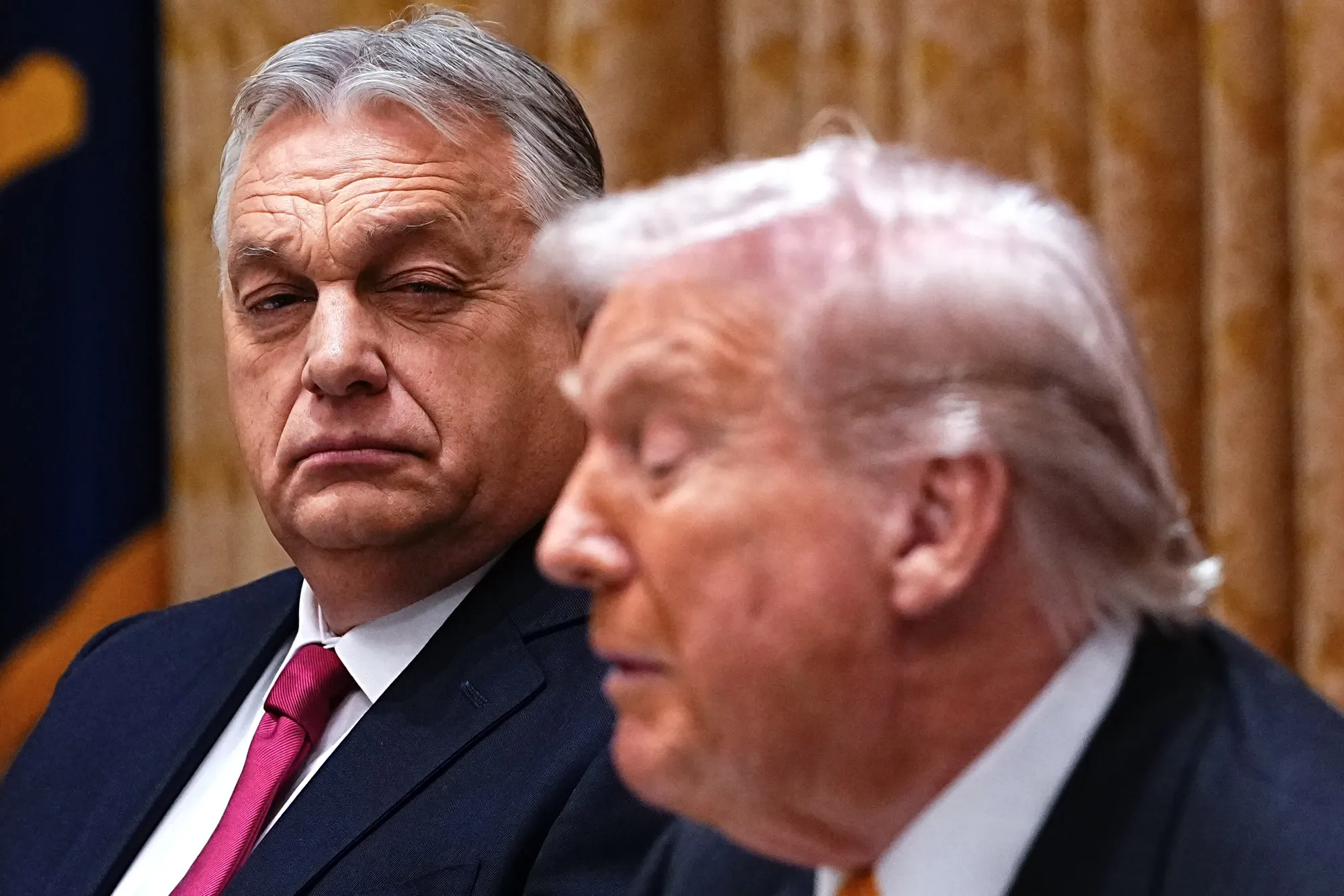
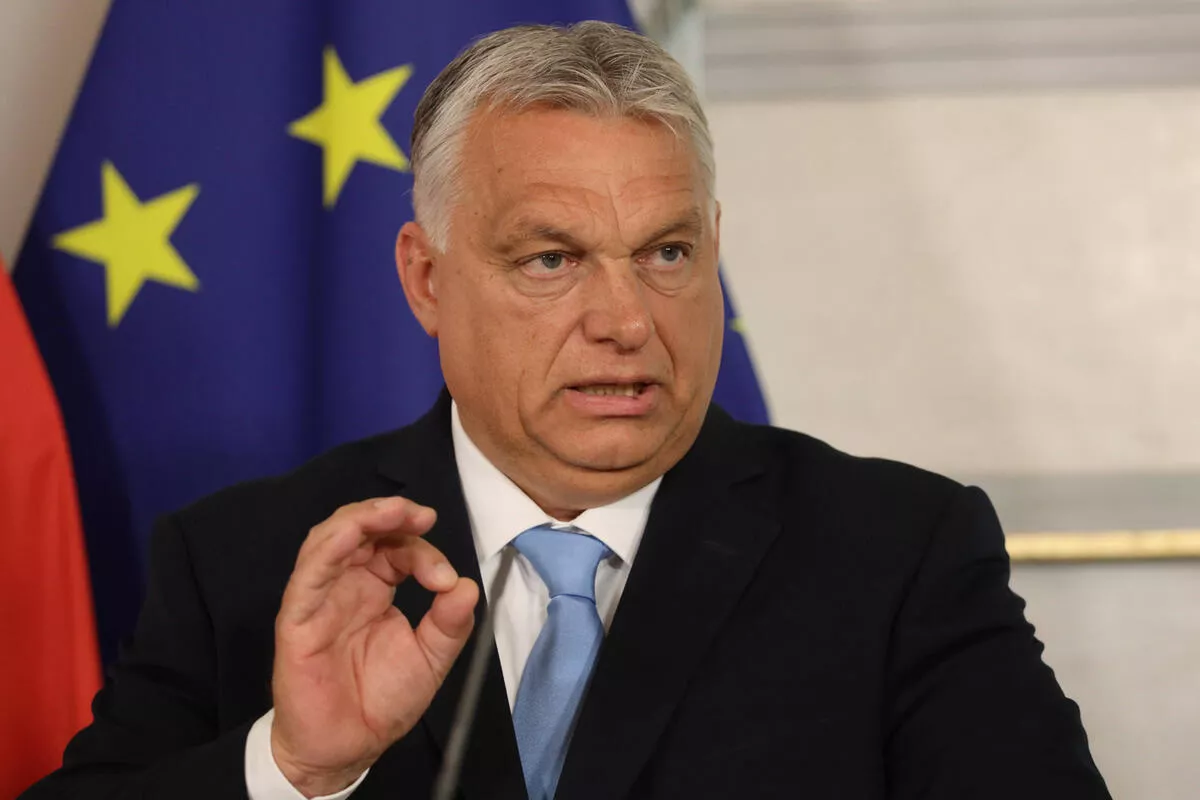
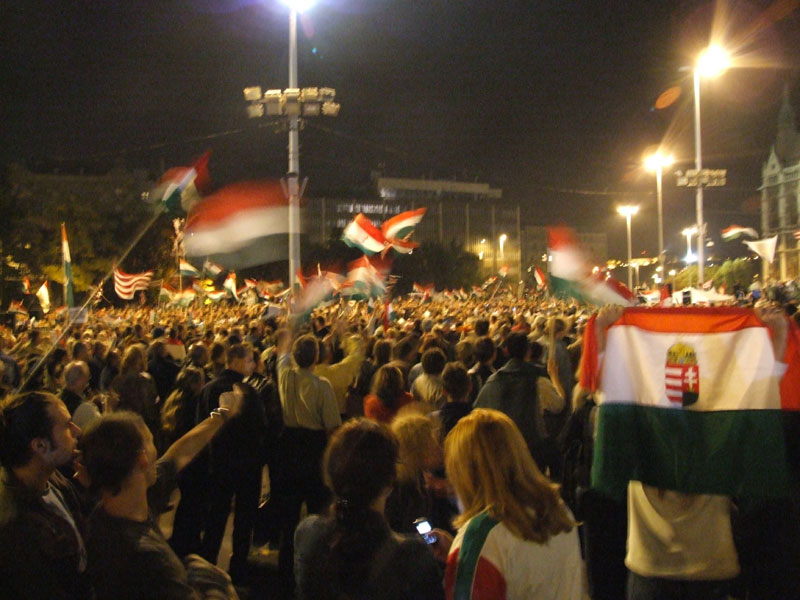
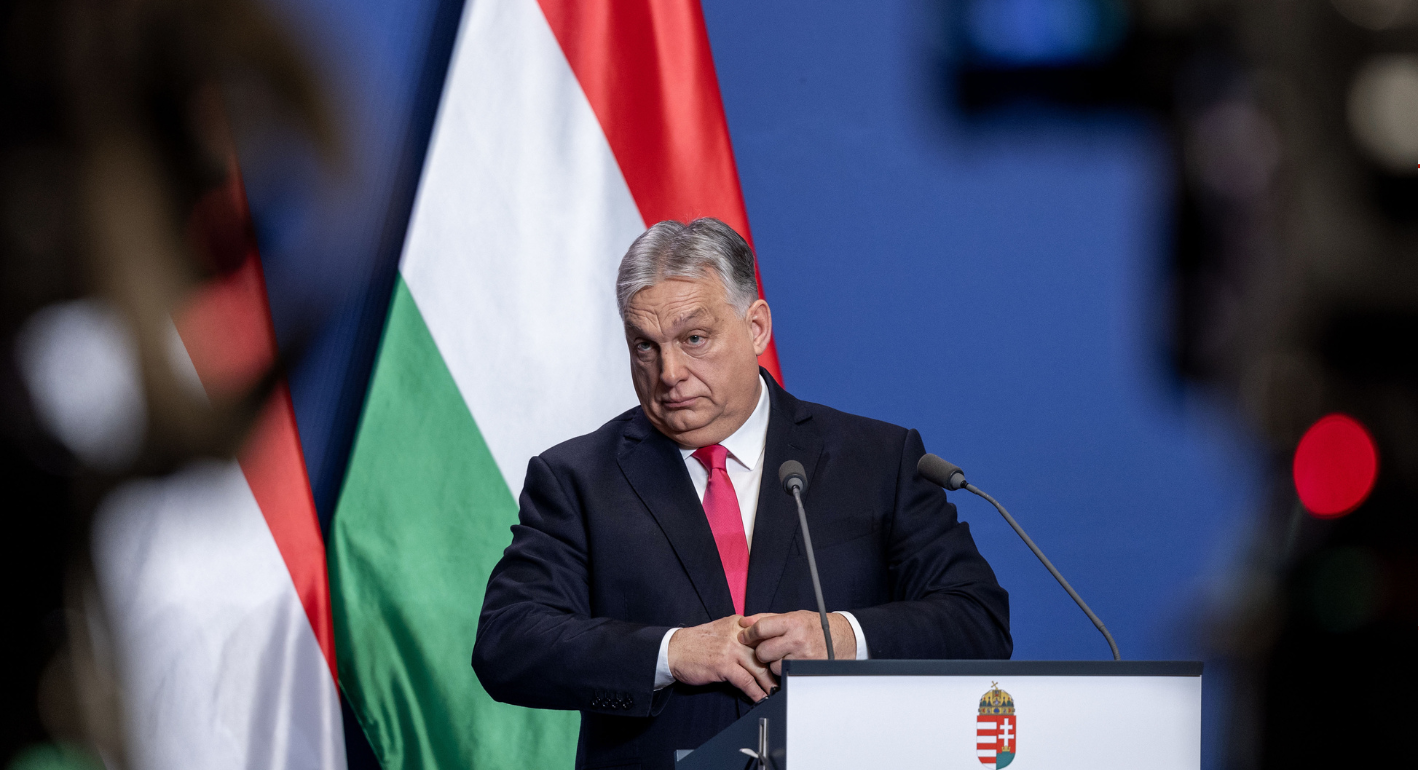
Hungary's April 2026 parliamentary elections represent a critical inflection point for Central European political stability, with direct implications for cross-border e-commerce operations and consumer spending patterns. Prime Minister Viktor Orbán's Fidesz party faces unprecedented electoral pressure from challenger Péter Magyar's Tisza party, which has established a 10-12% polling lead—the first measurable decline for Fidesz in fifteen years. This political volatility creates a complex operating environment for sellers targeting the Hungarian and broader EU markets.
The government's escalating electoral tactics reveal systemic risks that impact business operations. Orbán's administration has amended electoral law twice: abolishing campaign spending ceilings and gerrymandering over one-third of electoral districts, creating asymmetric voting dynamics where opposition parties require 55% popular vote for simple majority while Fidesz could secure constitutional supermajority with just 45%. The National Communication Office manages advertising budgets across roughly 1,500 state institutions, having spent €4 billion on communication campaigns since 2015—a massive public resource allocation that distorts market competition and consumer information flows.
Most significantly for sellers, government-aligned actors increasingly deploy AI-generated disinformation at scale. In September 2024, pro-government outlets published a 600-page AI-generated document falsely presenting Tisza's program, while networks of AI-generated social media profiles produce fabricated images and videos promoting government narratives. This coordinated disinformation campaign—including conspiracy narratives linking Ukrainian President Zelensky with domestic opposition—saturates media with anti-Ukrainian messaging and AI-generated apocalyptic war scenarios. These tactics directly affect consumer confidence, purchasing behavior, and regulatory predictability for sellers operating in Hungary and neighboring markets.
For cross-border sellers, this political instability creates three operational challenges: (1) Regulatory Uncertainty—electoral outcomes could trigger policy reversals affecting VAT compliance, data protection enforcement, and marketplace regulations; (2) Consumer Confidence Volatility—political polarization and disinformation campaigns suppress discretionary spending and increase payment fraud risk; (3) Supply Chain Disruption Risk—Hungary's geographic position as EU logistics hub means political instability could affect warehouse operations, customs processing, and regional distribution networks. The precedent of "innovative legal manipulation" over twenty years suggests institutional capture will persist regardless of electoral outcome, creating long-term compliance complexity.
Sellers should monitor Hungarian market dynamics through April 2026 while diversifying exposure across more stable EU markets. The €4 billion government communication spend indicates sustained political volatility will continue, potentially suppressing consumer spending in discretionary categories (fashion, electronics, home goods) while potentially boosting demand for essential goods and services.
问题 8
What competitive advantages do sellers have against state-backed brands in Hungary?
State-backed brands benefit from government advertising budgets (€4 billion since 2015) and favorable electoral law changes, but independent sellers retain advantages in agility, customer service, and authentic brand narratives. The government's reliance on AI-generated disinformation and fabricated social media profiles signals weakness in organic consumer trust. Sellers should emphasize authenticity, transparent operations, and genuine customer reviews—attributes that build trust during periods of high disinformation. Focus marketing on grassroots community engagement (similar to Péter Magyar's village-to-village campaigning strategy) rather than paid advertising. Build email lists and direct customer relationships to reduce dependence on government-controlled advertising channels. Expect 10-15% cost advantage for sellers using organic/community-based marketing versus paid channels through April 2026.
How should sellers evaluate geopolitical risk for Hungary operations?
Use multi-factor geopolitical risk assessment: (1) Monitor electoral polling weekly—Tisza's 10-12% lead indicates competitive race with unpredictable outcomes; (2) Track government communication spending—€4 billion allocation signals sustained political volatility; (3) Assess media environment—1,500 state institutions under government control indicates information asymmetry; (4) Evaluate regulatory precedent—twenty-year history of 'innovative legal manipulation' suggests institutional capture regardless of electoral outcome. Sellers should assign Hungary a 'Medium-High' geopolitical risk rating through April 2026, requiring quarterly compliance reviews and contingency planning. Consider purchasing political risk insurance for inventory and receivables in Hungarian operations.