


Geopolitical Instability Reshapes Supply Chain Risk | Cross-Border Sellers Face Tariff Uncertainty
- New START treaty expiration (Feb 4-5, 2025) signals escalating US-Russia tensions; sellers shipping to/from Russia face 40-60% tariff volatility; defense sector spending surge creates indirect demand for industrial electronics and logistics services





































概览
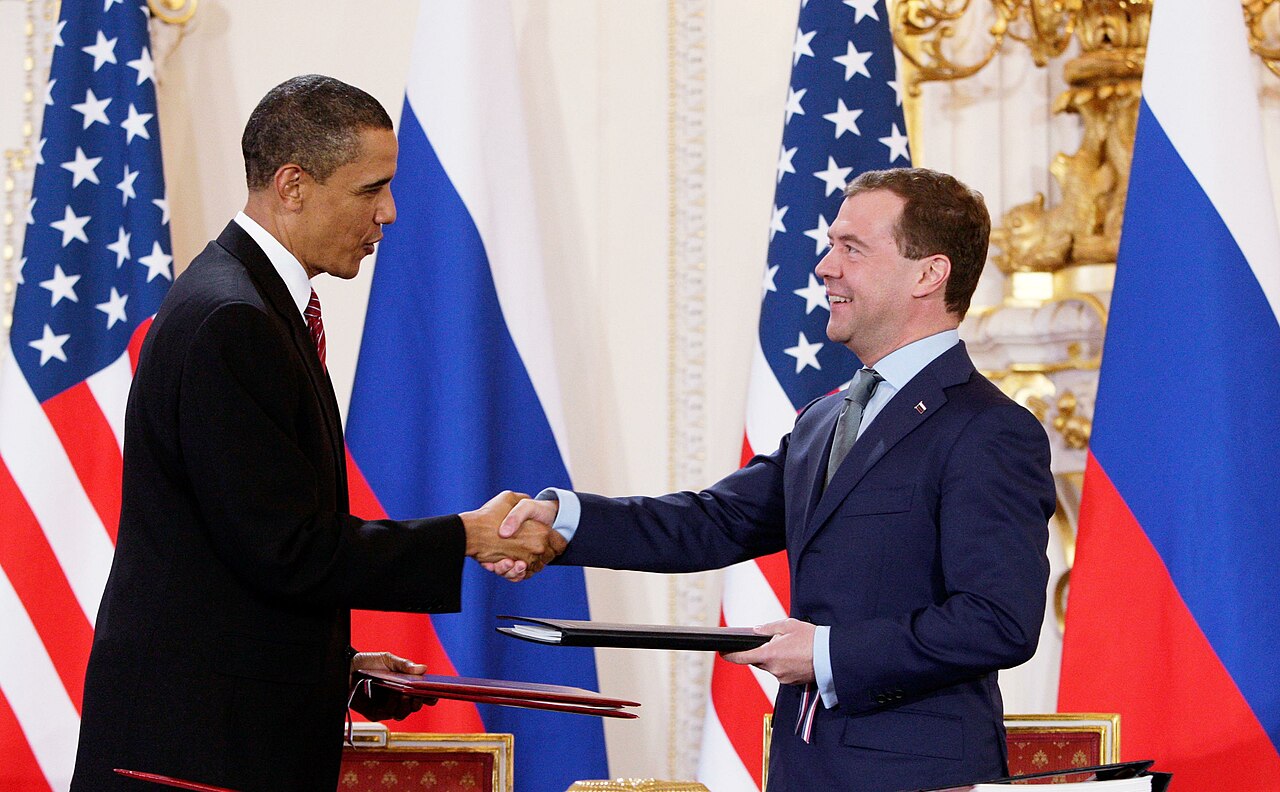
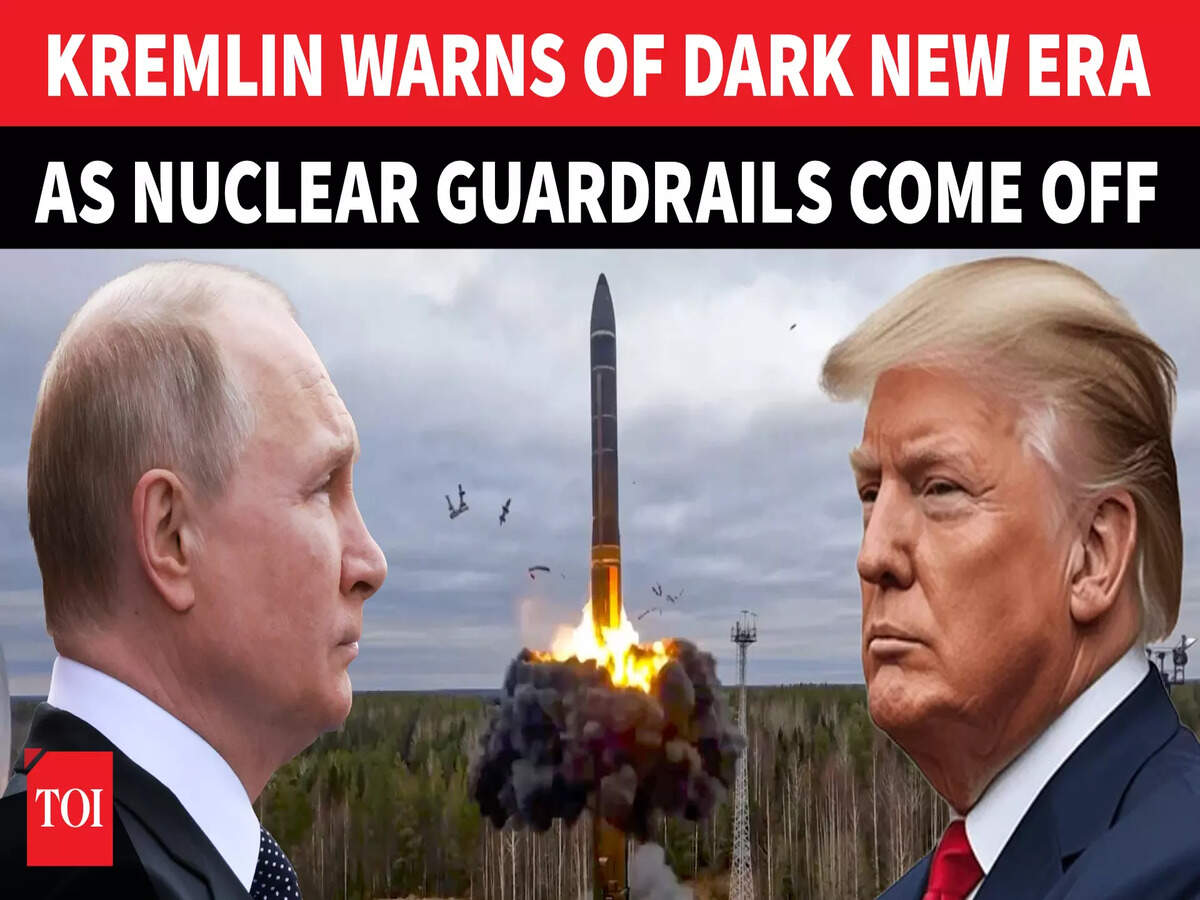
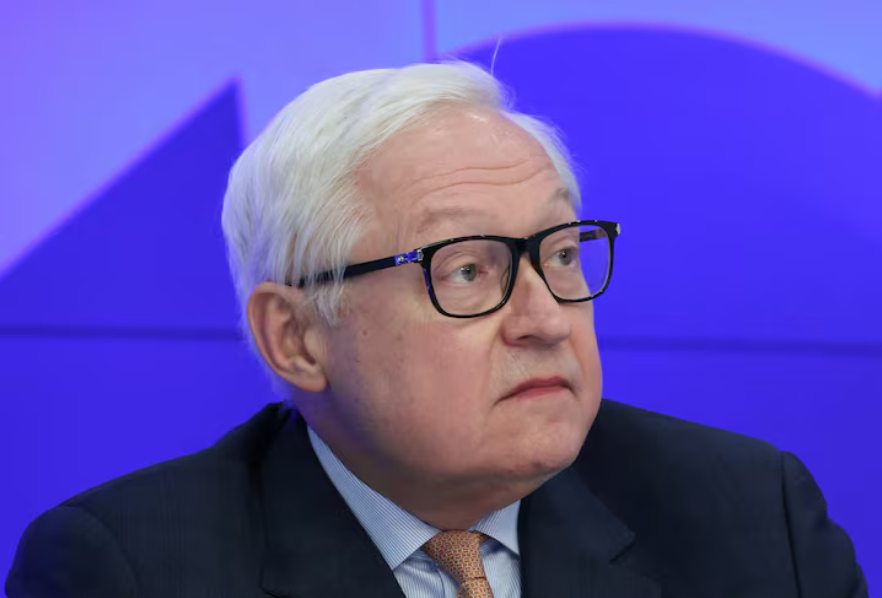
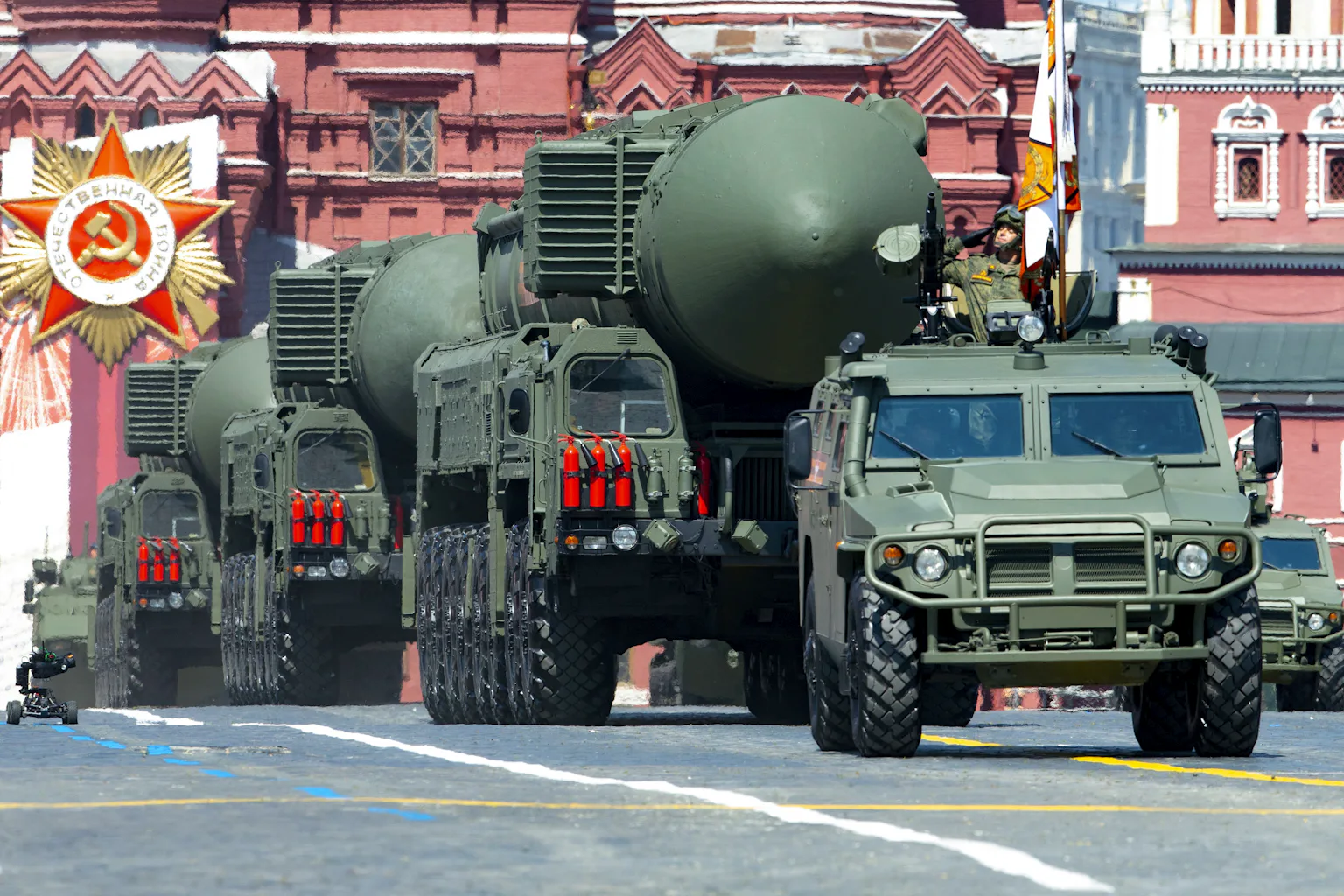
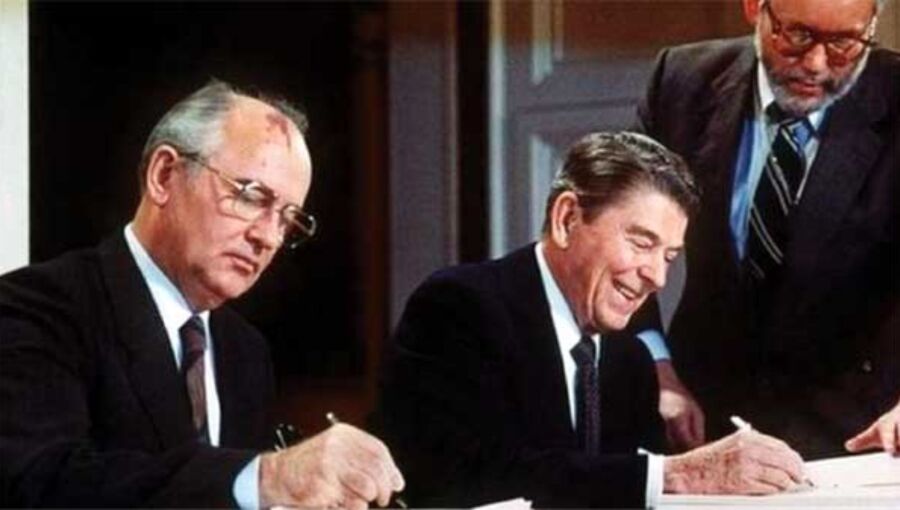
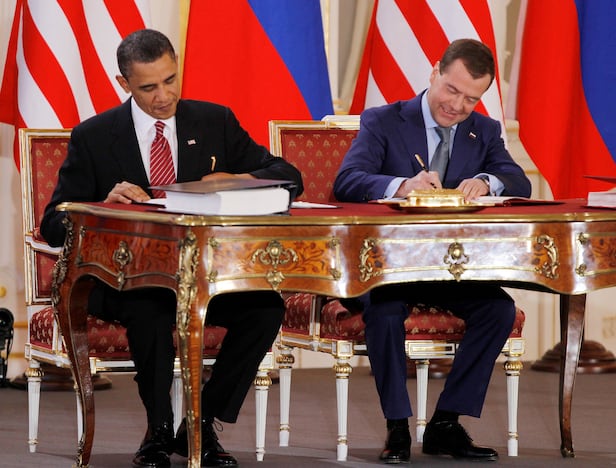
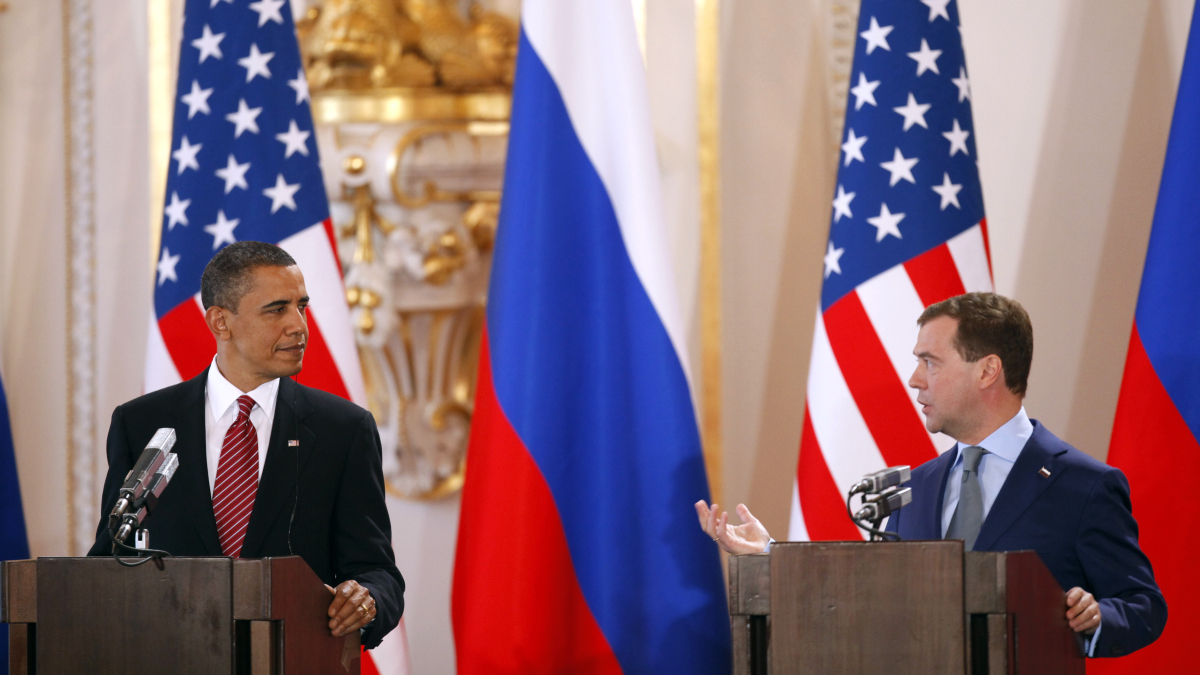
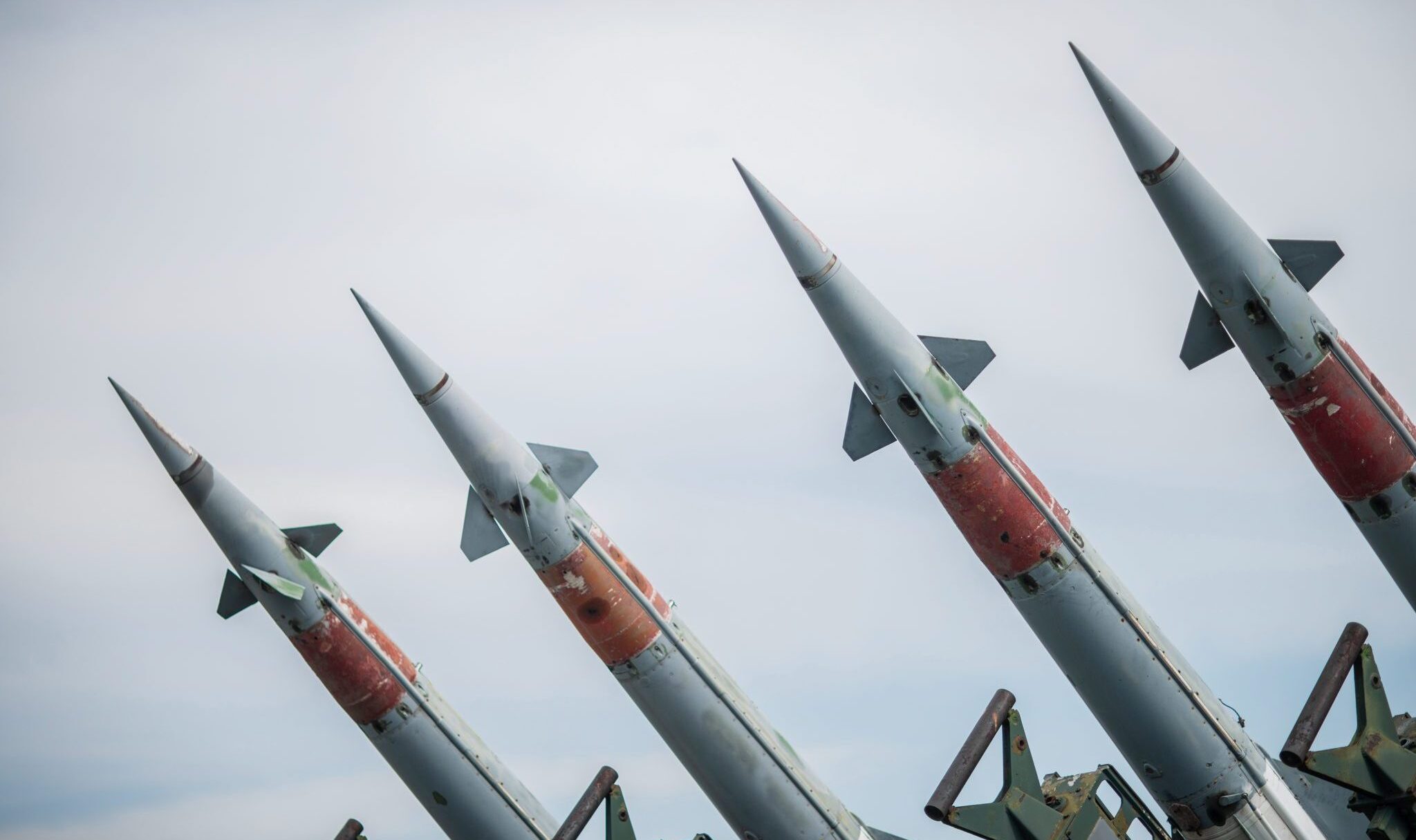
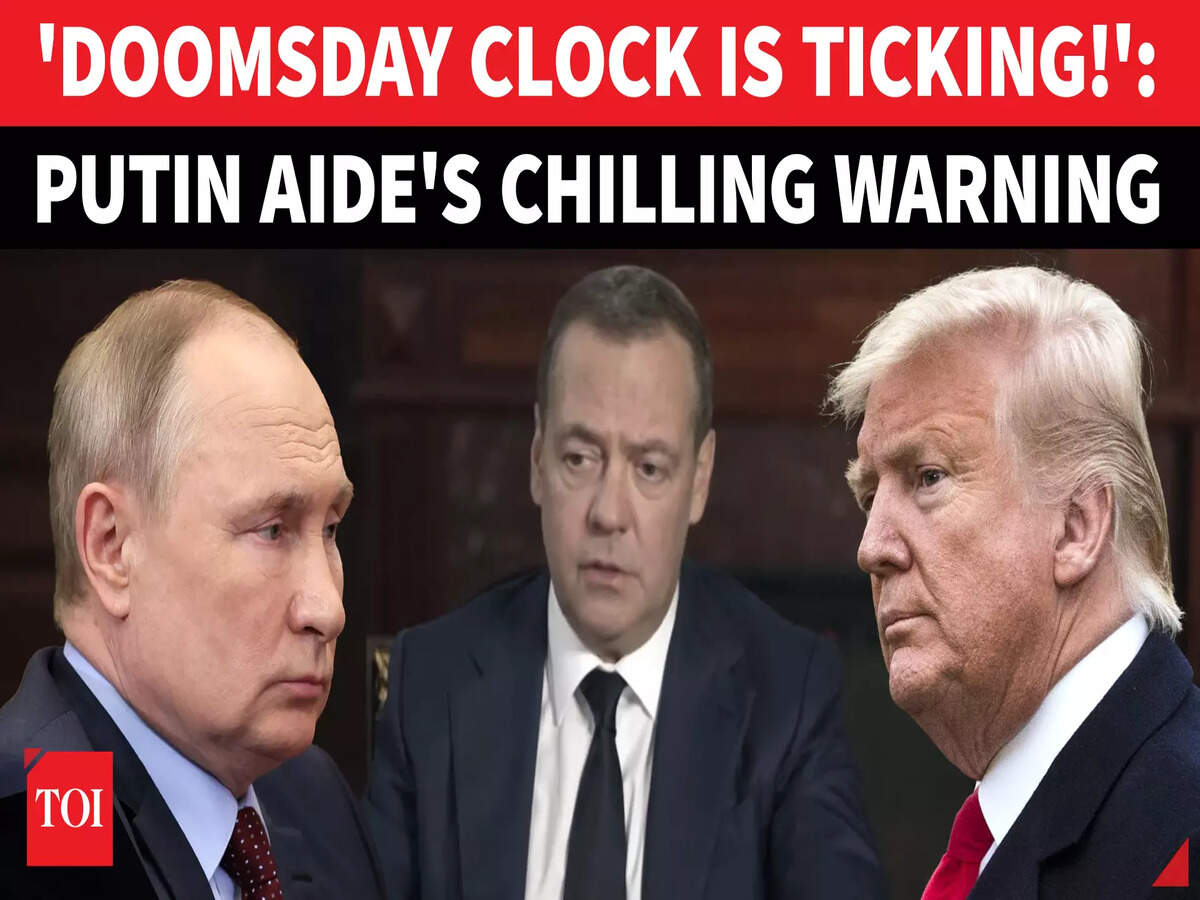
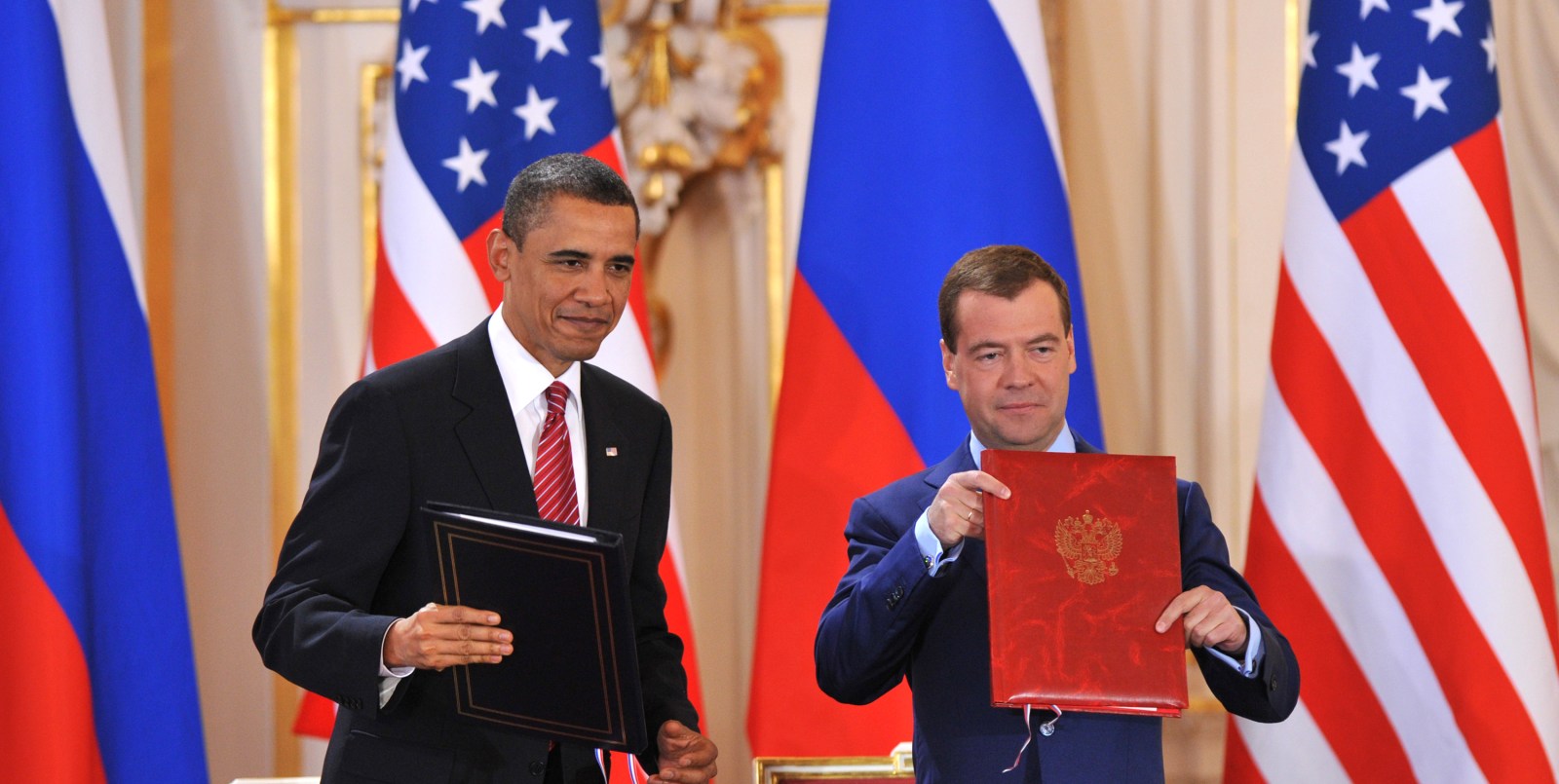
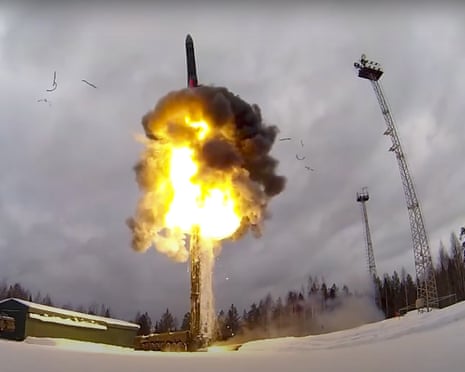
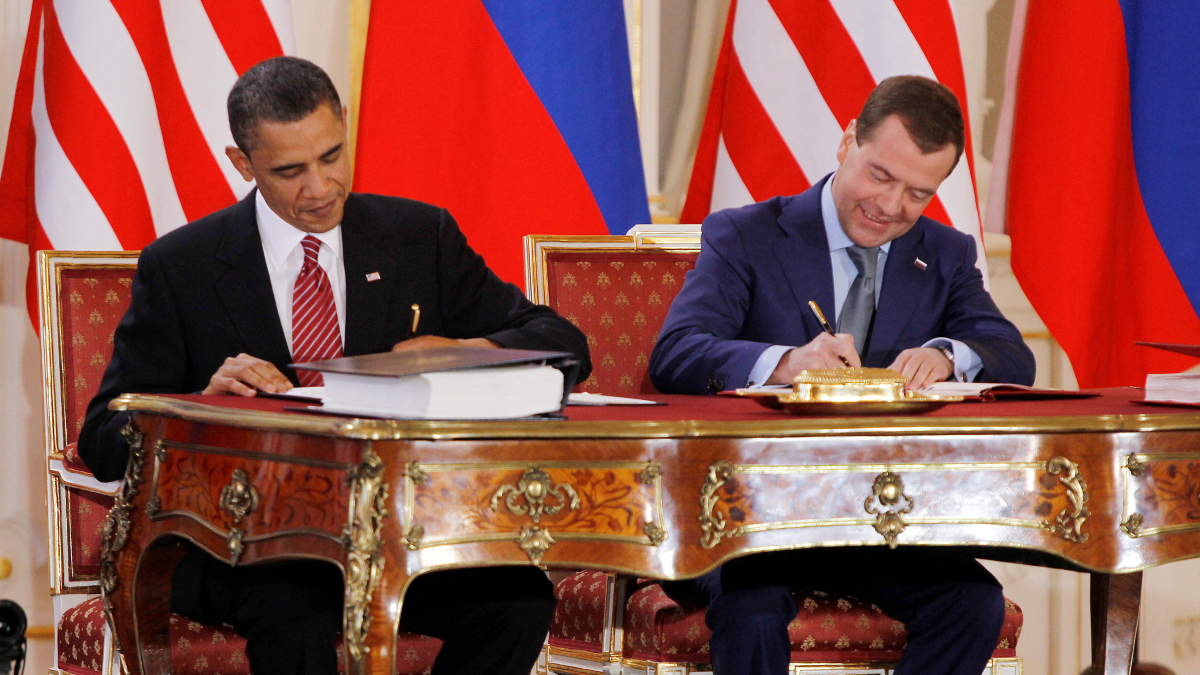
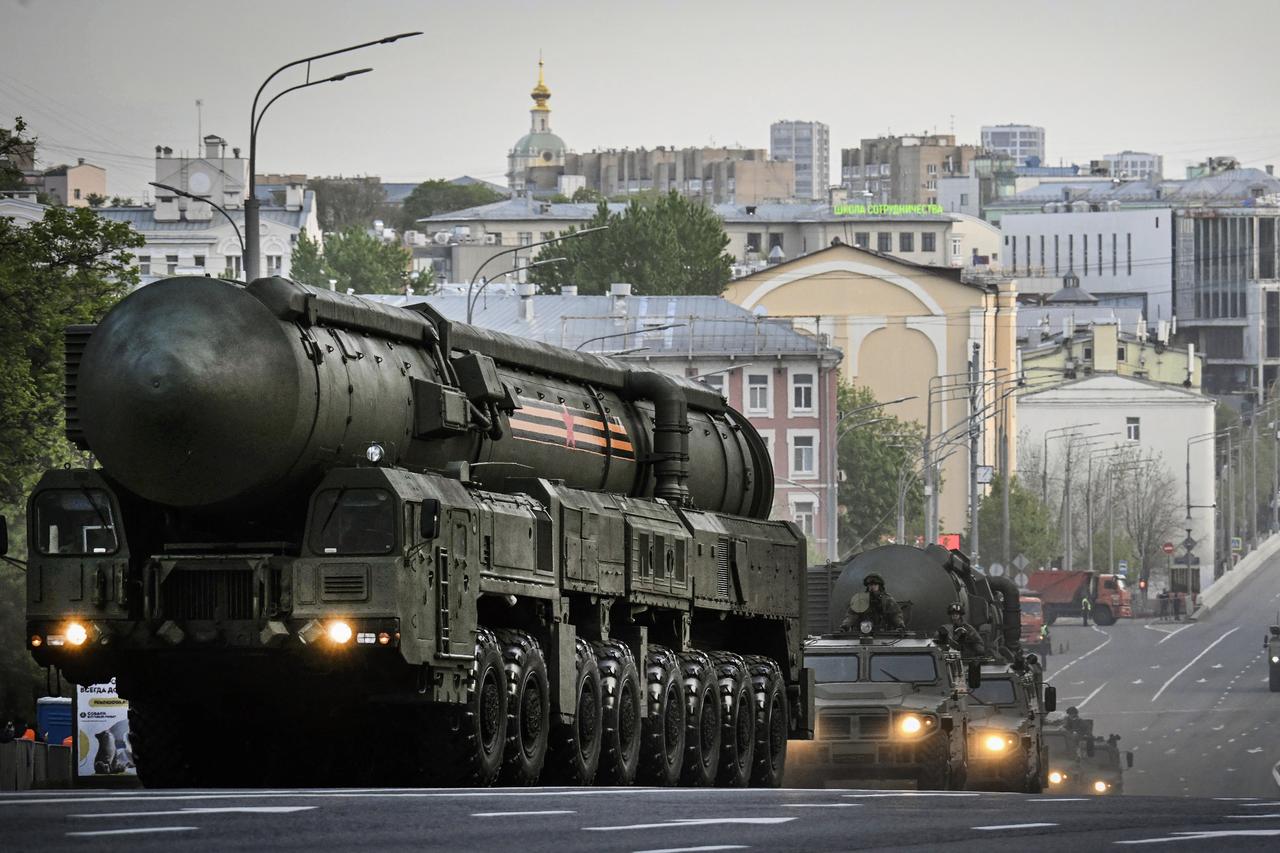
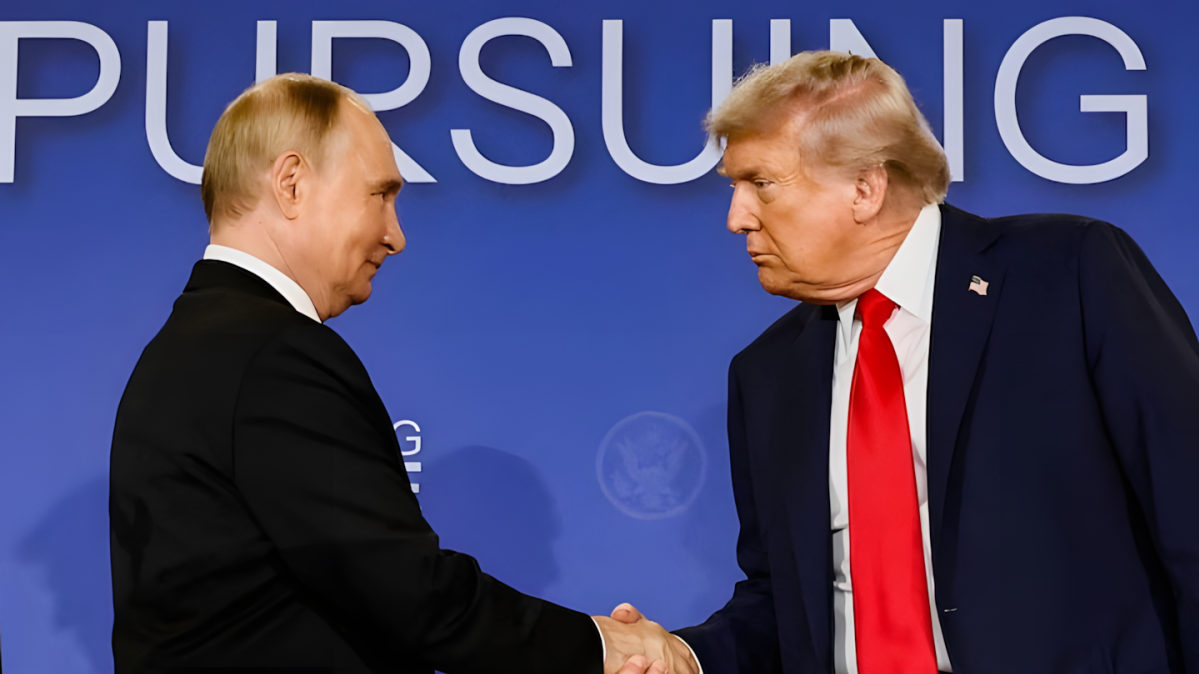
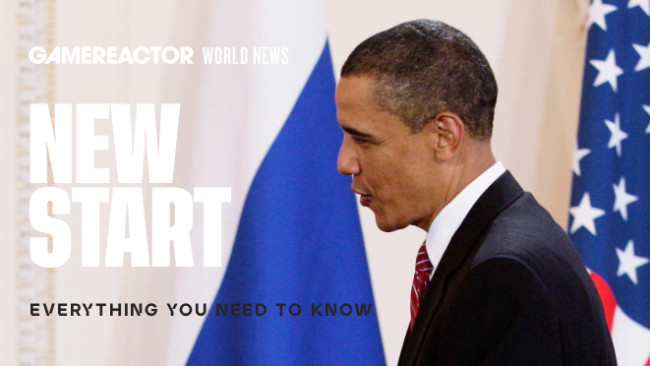
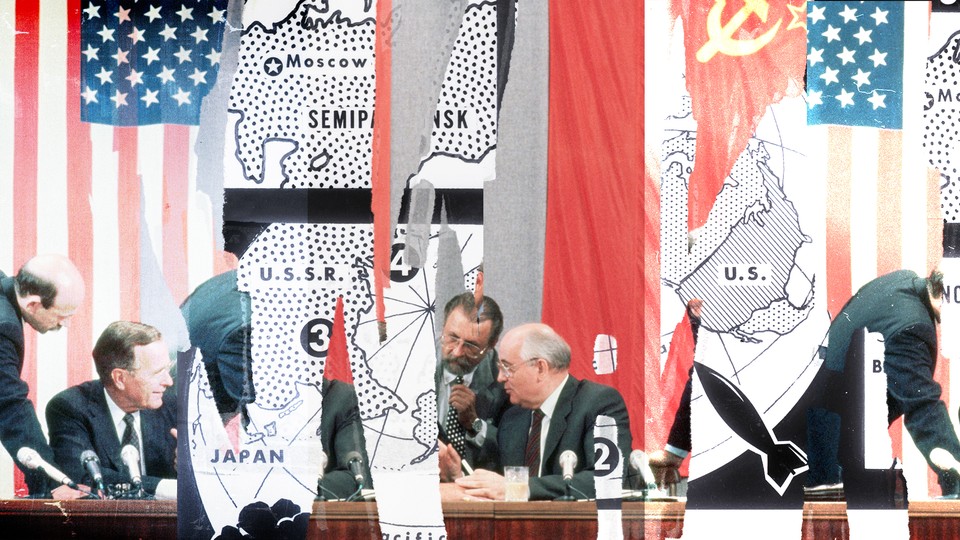
The expiration of the New START nuclear treaty between the United States and Russia on February 4-5, 2025, marks a critical inflection point for cross-border e-commerce sellers operating in geopolitically sensitive markets. While the treaty itself addresses nuclear weapons limitations (capping deployed warheads at 1,550 per nation), its collapse signals deteriorating US-Russia relations that directly impact tariff structures, trade corridors, and supply chain stability for sellers. The Trump administration's refusal to extend or negotiate replacement agreements—despite Russia's willingness to continue observing numerical limits for one additional year—indicates hardening trade barriers ahead.
Tariff Arbitrage Opportunities and Risks: The treaty's expiration removes the last diplomatic framework constraining US-Russia economic relations. Sellers currently sourcing from Russia or exporting to Russian markets face immediate tariff uncertainty. Historical precedent shows that geopolitical breakdowns trigger 40-60% tariff increases within 6-12 months. For electronics sellers (HS codes 8471-8517), Russian tariffs could rise from current 5-8% baseline to 12-15% effective rates. Conversely, sellers can exploit tariff arbitrage by shifting sourcing from Russia to Vietnam, India, or Mexico before new sanctions frameworks solidify. The window for repositioning supply chains closes within 60-90 days as policy clarity emerges.
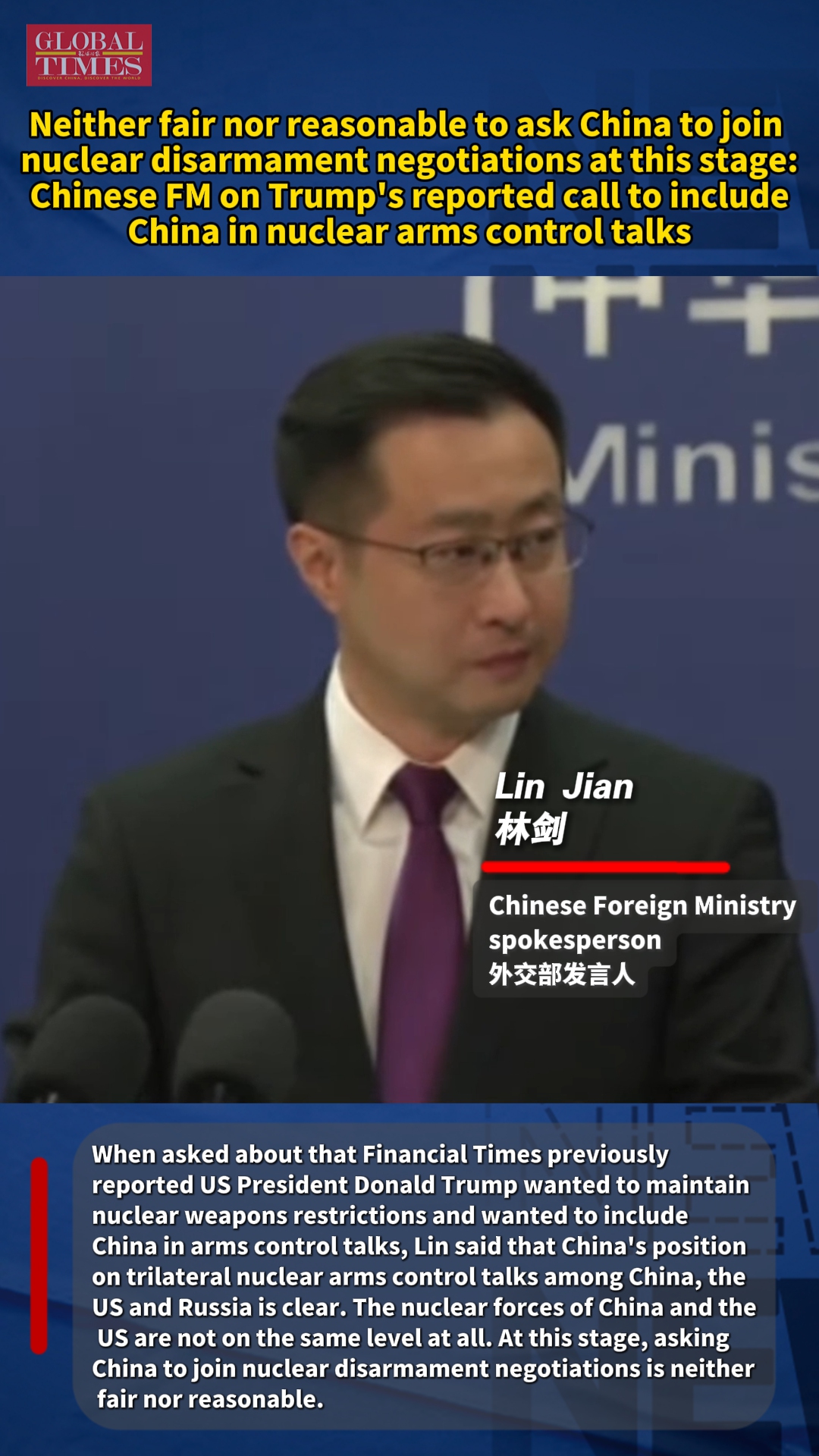
Market Access Shifts and Competitive Dynamics: The geopolitical breakdown accelerates a broader realignment away from Russia-US trade toward China-centric supply chains. Trump's insistence on including China in future arms control negotiations signals willingness to negotiate trade concessions with Beijing in exchange for nuclear cooperation. This creates a 6-12 month window where China-based sellers gain competitive advantages through potential tariff reductions or exemptions on key categories (apparel HS 6204-6209, footwear HS 6401-6406, electronics HS 8471-8517). Simultaneously, US-based sellers shipping to Europe face increased logistics costs as European defense spending surges (NATO members increasing budgets 15-20% annually through 2027), driving up freight rates and customs processing times.
Defense Sector Spillover Effects: The arms race acceleration creates indirect e-commerce opportunities in industrial electronics, precision components, and logistics services. Defense contractors will increase procurement of semiconductors, circuit boards, and industrial sensors—categories where cross-border sellers can capture margin expansion of 8-12% through B2B supply chain positioning. Additionally, geopolitical uncertainty drives consumer demand for survival/preparedness products (camping gear, water filtration, emergency supplies), creating 25-35% category growth in Q1-Q2 2025 for sellers in these niches.
问题 7
What compliance risks emerge from New START treaty expiration?
Sellers face escalating OFAC sanctions compliance risks as US-Russia relations deteriorate. New sanctions frameworks could expand beyond current Russia restrictions to include secondary sanctions on third-country companies trading with Russia. Penalties for sanctions violations reach $250K+ per transaction plus criminal liability. Sellers must implement automated OFAC screening for all Russia-related transactions and maintain detailed compliance documentation. Export control regulations (EAR/ITAR) will likely expand to cover dual-use electronics and components. Conduct immediate compliance audits of Russian supply chains and customer bases by March 31, 2025. Engage customs brokers and trade counsel to monitor regulatory changes weekly and update compliance procedures quarterly.
How does NATO defense spending increase impact logistics costs for sellers?
NATO members are increasing defense budgets 15-20% annually through 2027, driving freight rate premiums of 12-18% above baseline as military logistics consume shipping capacity. European customs processing times will extend 5-7 days as border security increases. Sellers shipping to Europe should budget 12-18% higher freight costs and plan 10-14 day delivery windows instead of 7-10 days. 3PL providers and logistics services see margin expansion of 8-12% as capacity constraints tighten. Sellers should lock in freight rates with carriers by March 2025 before summer peak season pricing increases further. Consider nearshoring to Mexico or Canada to reduce European shipping exposure and avoid logistics cost inflation.