




Project Vault $12B Minerals Stockpile | Supply Chain Reshaping for Tech Sellers
- Reshapes sourcing for electronics, EV accessories, and smart devices; creates tariff arbitrage opportunities as U.S. domestic rare earth production scales; affects 50K+ cross-border sellers sourcing from China


)
















概览
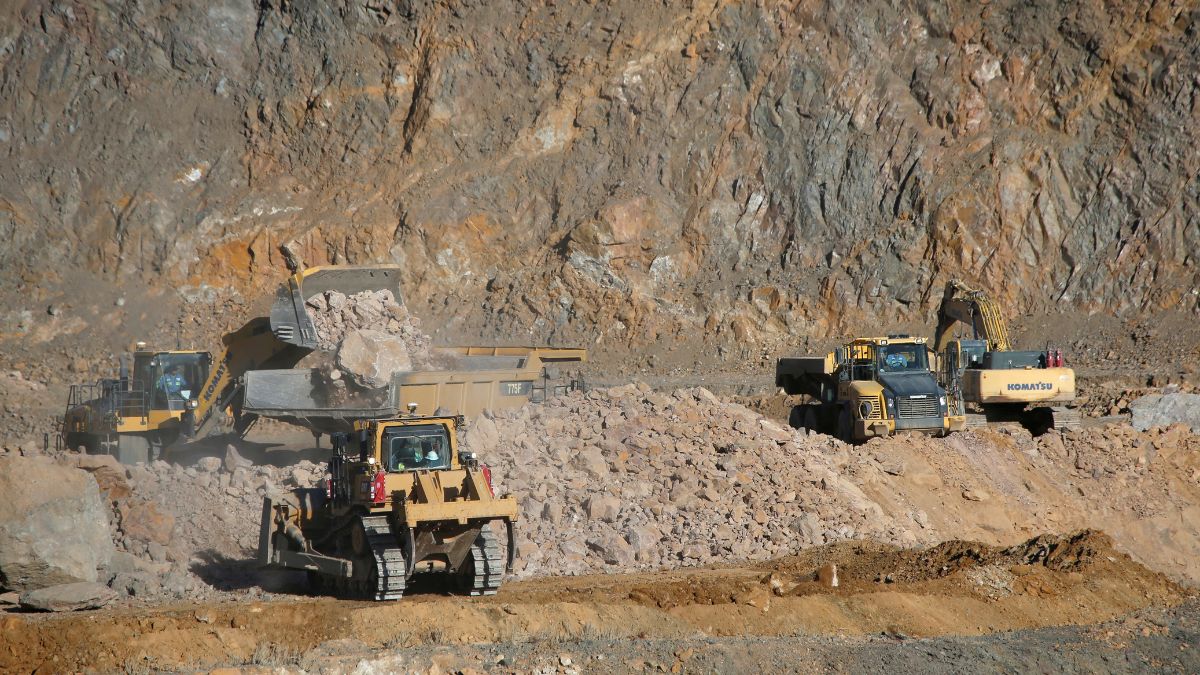
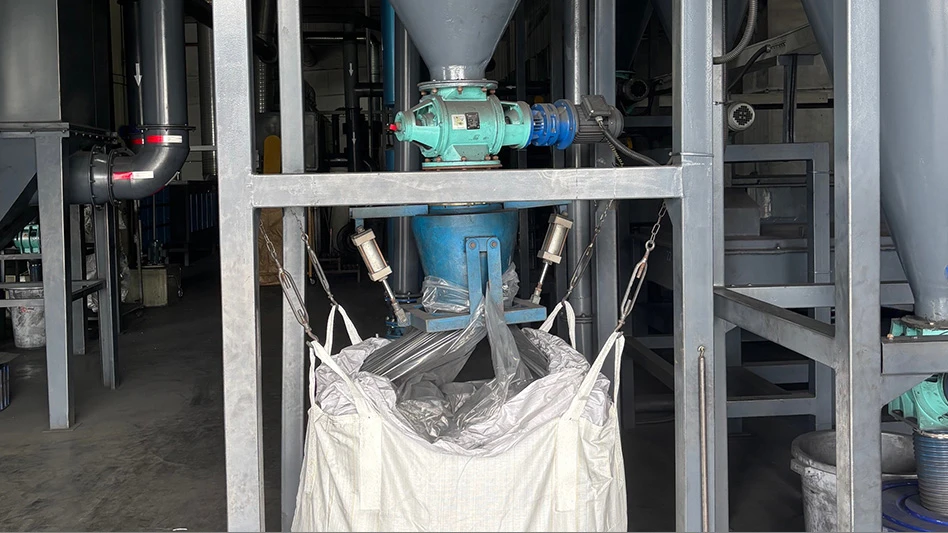
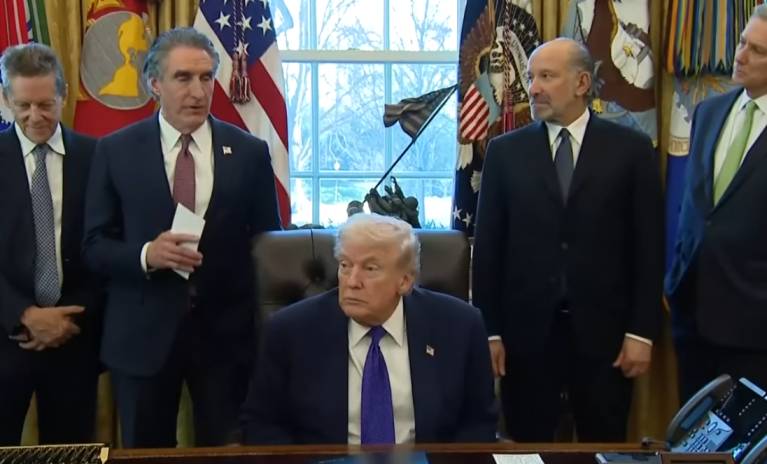
Project Vault, announced February 2, 2026, represents a $12 billion strategic shift in critical minerals sourcing that fundamentally reshapes supply chains for e-commerce sellers in electronics, electric vehicles, and consumer tech. The initiative—combining $2 billion private capital with a $10 billion Export-Import Bank loan—directly targets China's 60% control of rare earth mining and 90% dominance in permanent magnet manufacturing. For cross-border sellers, this creates immediate tariff arbitrage opportunities and long-term sourcing diversification strategies.
The immediate market impact signals accelerating U.S.-China decoupling in critical mineral supply chains. Stock market reactions (Idaho Strategic Resources +6.2%, Critical Metals +5%, USA Rare Earth +4.3%) reflect investor confidence in domestic production scaling. For e-commerce sellers, this translates to three concrete opportunities: (1) Tariff reduction windows as U.S. domestic rare earth products gain preferential treatment under emerging trade policies; (2) Sourcing cost stabilization as domestic supply reduces China-dependent pricing volatility; (3) Compliance simplification for sellers moving from Chinese suppliers to U.S.-based rare earth component manufacturers. Sellers currently sourcing permanent magnets, motor components, and EV battery materials from China face 12-24 month transition windows before tariff structures shift.
Strategic positioning requires immediate action on three fronts. First, sellers should audit supply chains by HS code (2844.30 for rare earth oxides, 8505.19 for permanent magnets) to identify China-dependent components. Second, establish relationships with emerging U.S. suppliers now entering production—Advanced Magnet Lab and similar manufacturers will scale capacity over 18-24 months, creating first-mover advantages for sellers securing long-term contracts. Third, monitor tariff code changes: as domestic production increases, expect preferential tariff treatment (potentially 0-5% vs. current 10-15% on Chinese imports) for products using U.S.-sourced rare earths. Sellers in smartphone accessories, drone components, and EV charging equipment face the most immediate sourcing pressure, as these categories depend heavily on permanent magnets and rare earth elements. The window for securing advantageous supplier relationships closes within 6-9 months as larger competitors recognize the opportunity.
问题 7
How should sellers monitor tariff code changes and policy implementation timelines?
Sellers should establish a monitoring system tracking three key indicators: (1) U.S. Trade Representative (USTR) tariff code updates—watch for changes to HS codes 2844.30 and 8505.19 starting Q3 2026; (2) Export-Import Bank financing announcements—these will signal domestic supplier capacity scaling and tariff timeline acceleration; (3) Stock performance of domestic rare earth miners (Idaho Strategic Resources, USA Rare Earth, MP Materials)—rising stock prices indicate accelerating production timelines. Subscribe to USTR.gov tariff updates and join industry associations tracking critical minerals policy. Set calendar alerts for Q3 2026 (likely tariff code announcement window) and Q4 2026 (implementation deadline). Sellers should also monitor competitor sourcing announcements—when major electronics brands announce U.S. rare earth sourcing, tariff changes typically follow within 60-90 days. The 12-month window from announcement (February 2026) to likely implementation (February 2027) provides sufficient time for strategic planning if sellers act immediately.
Which seller segments gain competitive advantages from Project Vault?
Three seller segments gain distinct advantages: (1) U.S.-based electronics manufacturers with existing domestic supplier relationships—they can immediately access preferential tariff treatment and supply chain stability; (2) Mid-market sellers (500-5,000 monthly units) with technical sourcing expertise—they can negotiate favorable terms with emerging U.S. suppliers before large competitors saturate capacity; (3) Sellers in EV accessories and smart device categories—these high-margin categories justify sourcing complexity and benefit most from tariff arbitrage. Conversely, Chinese-based sellers and large importers relying on Chinese permanent magnets face margin compression as tariff advantages shift to domestic sourcing. Sellers with less than 100 monthly units in rare-earth-dependent categories may not see sufficient ROI to justify supplier transitions. The competitive window closes within 9-12 months as larger players recognize and execute the same strategy.