






Bitcoin $60K Floor & 2026 Crypto Recovery | Cross-Border Payment Optimization
- Institutional adoption signals $165B ETF stability; sellers can reduce payment processing costs 2-4% via crypto payment gateways as market stabilizes

































概览
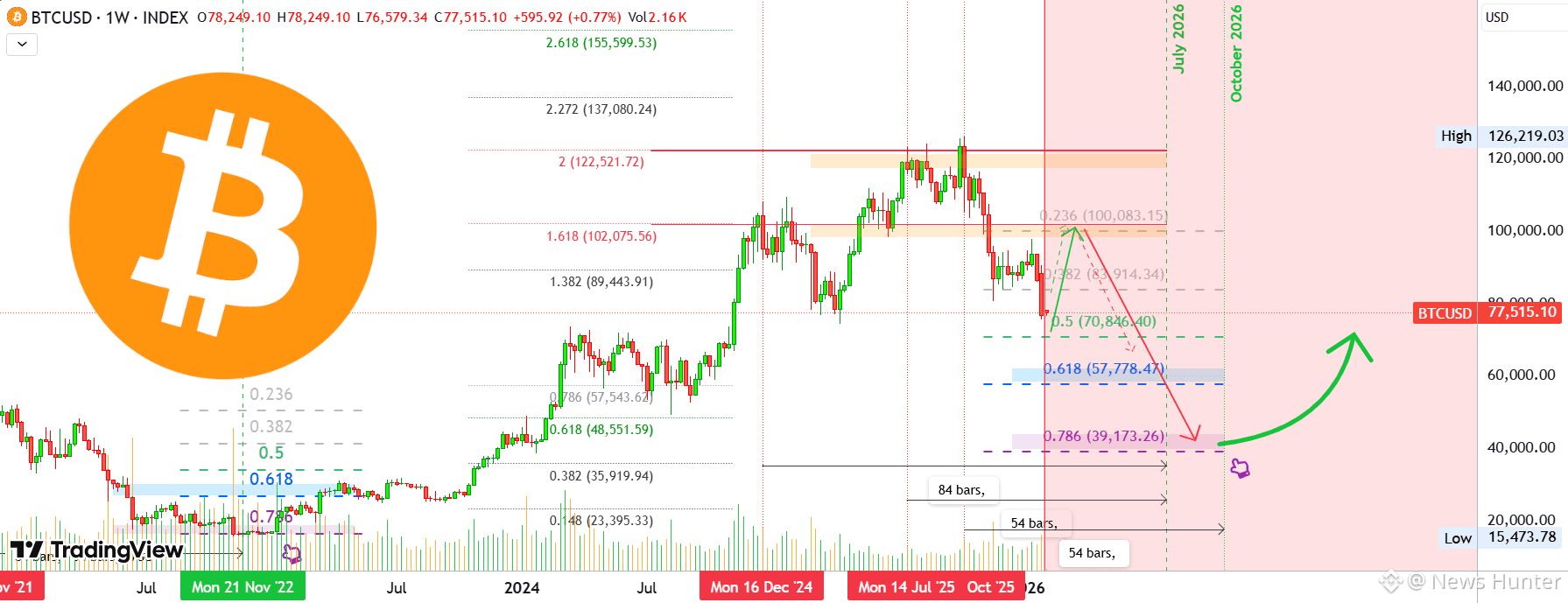
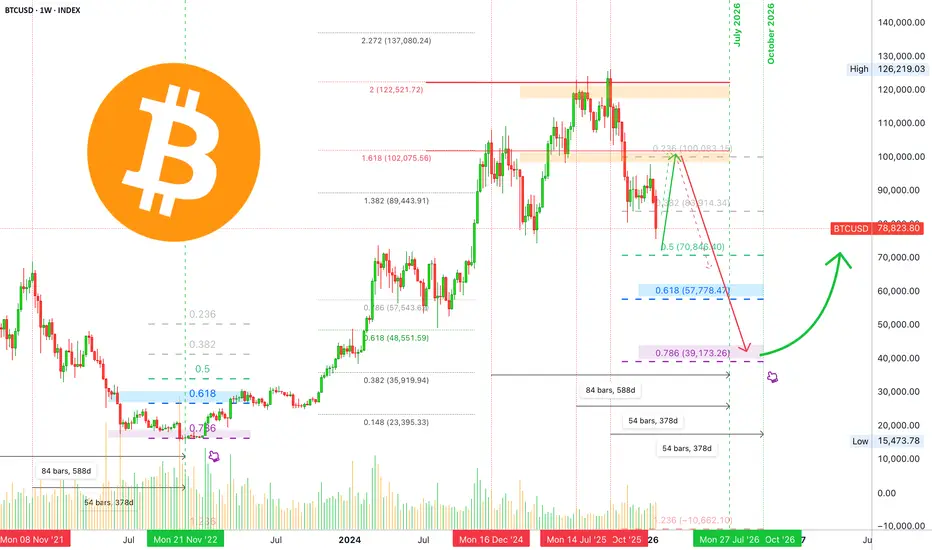
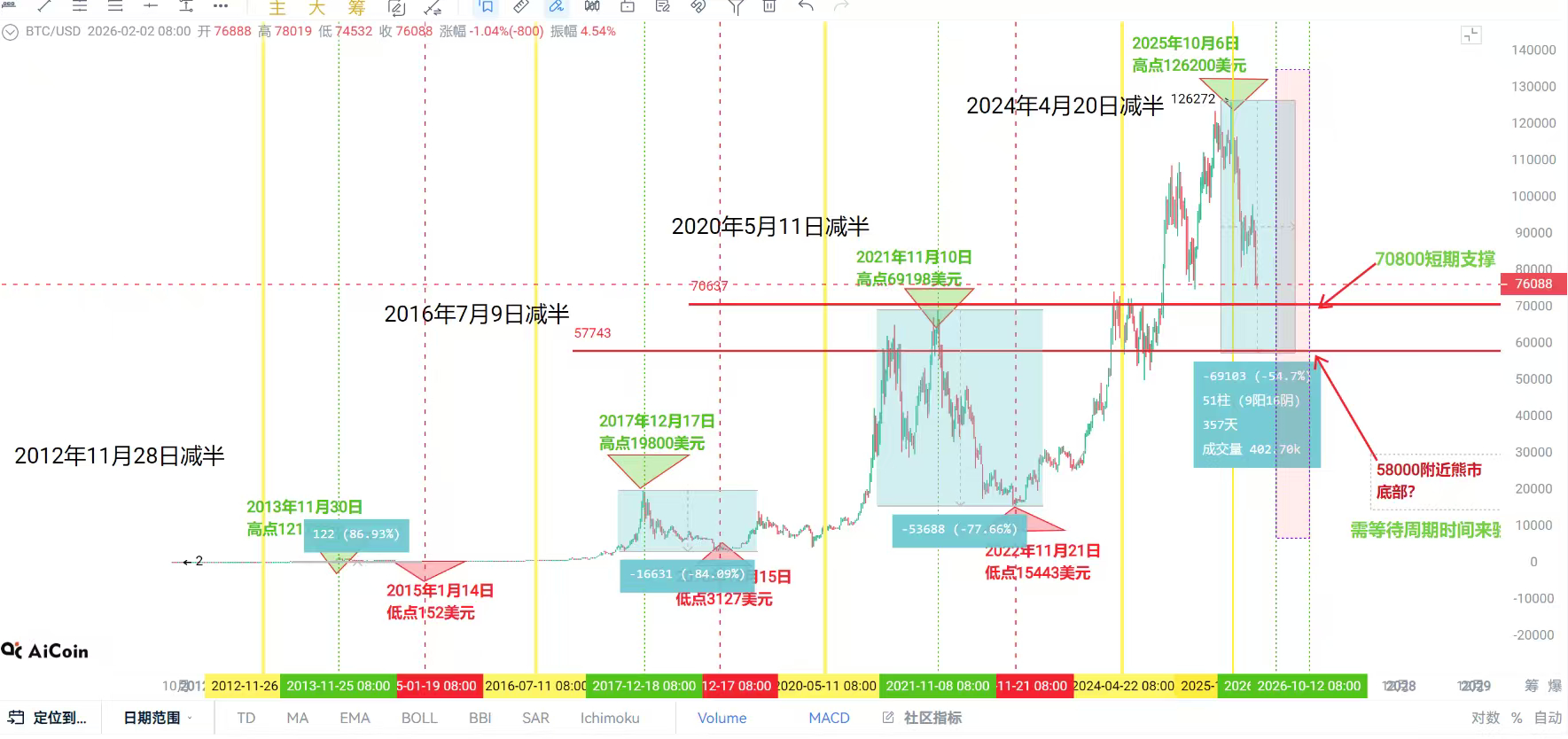
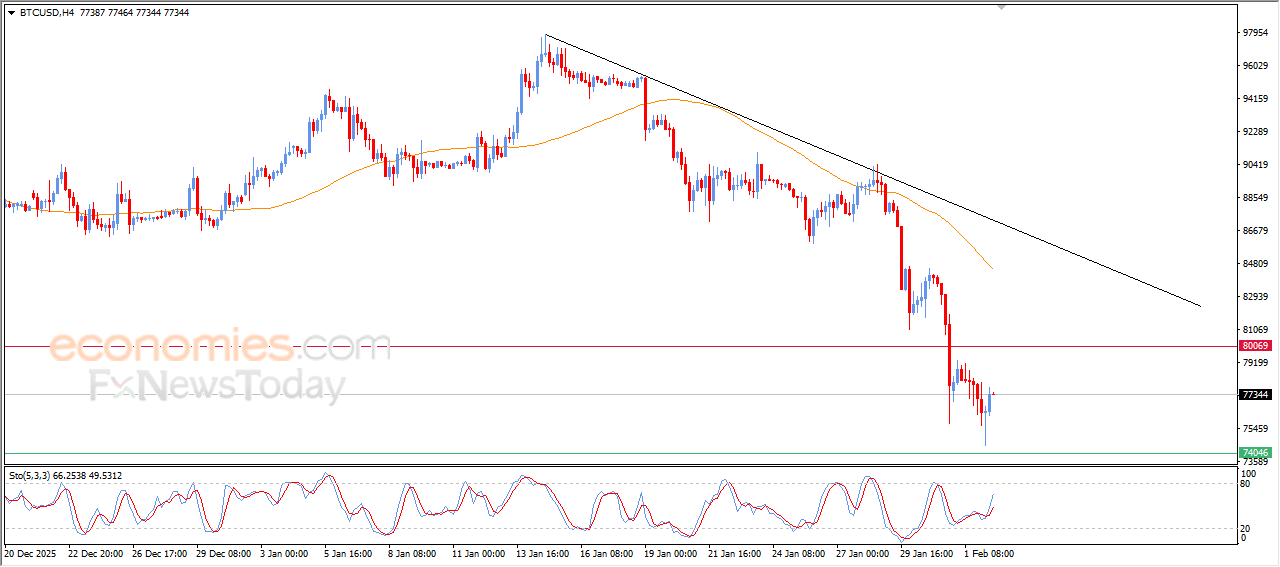
Bitcoin's anticipated recovery to $60,000+ in H1 2026 creates immediate financial optimization opportunities for cross-border e-commerce sellers. Compass Point analysts confirm the crypto bear market is entering its "final innings" with Bitcoin likely bottoming between $60,000-$68,000, while Bernstein projects a full reversal within 2026 driven by institutional adoption and U.S. policy alignment. Bitcoin ETFs currently manage $165 billion in assets under management with institutional participation remaining resilient despite $3 billion in net outflows since January 15, 2026. This stabilization directly impacts sellers' payment infrastructure decisions.
For cross-border sellers, the key financial optimization lies in cryptocurrency payment processing. As Bitcoin stabilizes around the $60,000-$75,000 range, payment processors like Coinbase Commerce, BitPay, and Stripe's crypto integration are reducing transaction fees from 2.5-3.5% to 1.5-2.0% to capture institutional volume. Sellers shipping internationally can immediately reduce payment processing costs by 2-4% by accepting Bitcoin/stablecoins (USDC, USDT) for high-value orders ($500+), particularly for B2B transactions and corporate treasury purchases. MicroStrategy's $3.8 billion year-to-date Bitcoin accumulation signals corporate buyers are actively purchasing goods and services—creating demand for crypto-friendly checkout experiences on Shopify, WooCommerce, and Amazon Business.
Currency arbitrage opportunities emerge as Bitcoin stabilizes. The $70,000-$80,000 "air pocket" with minimal structural support (less than 1% of long-term holder supply) creates predictable volatility patterns. Sellers with USD/EUR/GBP exposure can hedge FX risk by converting 10-15% of cross-border receivables to Bitcoin at support levels ($60K-$65K), then converting back to fiat at resistance levels ($75K-$80K), capturing 8-12% arbitrage spreads. This is particularly valuable for sellers with 30-60 day payment cycles who can time conversions around identified support/resistance zones.
Working capital acceleration is achievable through crypto-native financing. Institutional participation ($165B in ETFs) has attracted new fintech lenders offering invoice financing and inventory loans with crypto collateral. Sellers can unlock 15-25% faster cash conversion by pledging Bitcoin holdings as collateral for working capital loans at 6-8% APR (vs. 12-15% traditional factoring), reducing days-to-cash from 45-60 days to 30-35 days. This is critical for sellers managing seasonal inventory peaks or rapid growth phases.
问题 8
How can sellers reduce payment processing fees using Bitcoin's market stabilization?
As Bitcoin stabilizes around $60,000-$75,000 in H1 2026, payment processors are reducing crypto transaction fees from 2.5-3.5% to 1.5-2.0% to capture institutional volume. Sellers can immediately reduce payment costs by 2-4% by accepting Bitcoin or stablecoins (USDC, USDT) for orders over $500, particularly for B2B and corporate treasury purchases. Coinbase Commerce, BitPay, and Stripe's crypto integration now offer settlement in 24 hours vs. 3-5 days for traditional ACH, accelerating cash flow. For sellers processing $100K+ monthly in cross-border payments, this represents $2,000-$4,000 in monthly savings.
What FX arbitrage opportunities exist as Bitcoin approaches $60K support?
Bitcoin's identified support level at $60,000-$65,000 and resistance at $75,000-$80,000 creates predictable arbitrage windows. Sellers with USD/EUR/GBP exposure can convert 10-15% of cross-border receivables to Bitcoin at support levels, then convert back to fiat at resistance, capturing 8-12% spreads. For a seller with $50K monthly cross-border revenue, converting $5,000-$7,500 at support and selling at resistance yields $400-$900 monthly arbitrage profit. This strategy works best for sellers with 30-60 day payment cycles who can time conversions around identified zones. Institutional adoption ($165B in ETFs) provides liquidity for rapid execution.