




Measles Outbreak Disrupts SoCal Tourism & Consumer Spending | Seller Supply Chain Alert
- 588 confirmed U.S. cases in January 2026 (highest since 2000); LAX/Disneyland exposures threaten 24,000-27,000 daily visitors; impacts fulfillment operations, consumer discretionary spending, and health/safety product demand




概览
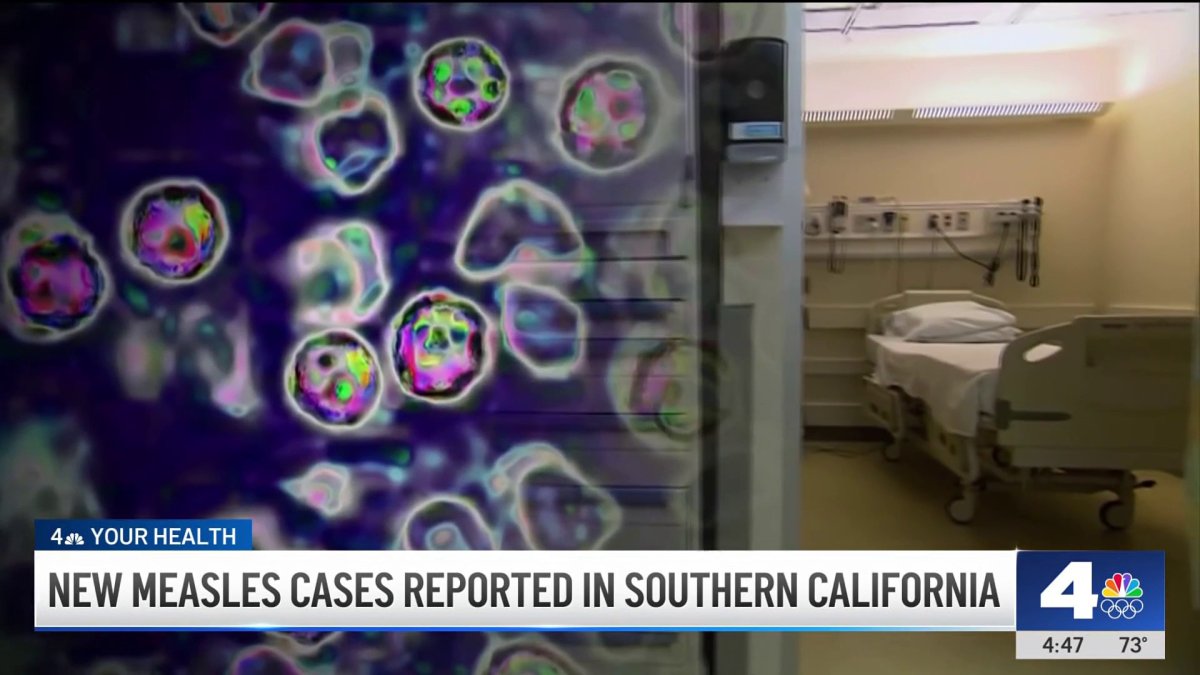
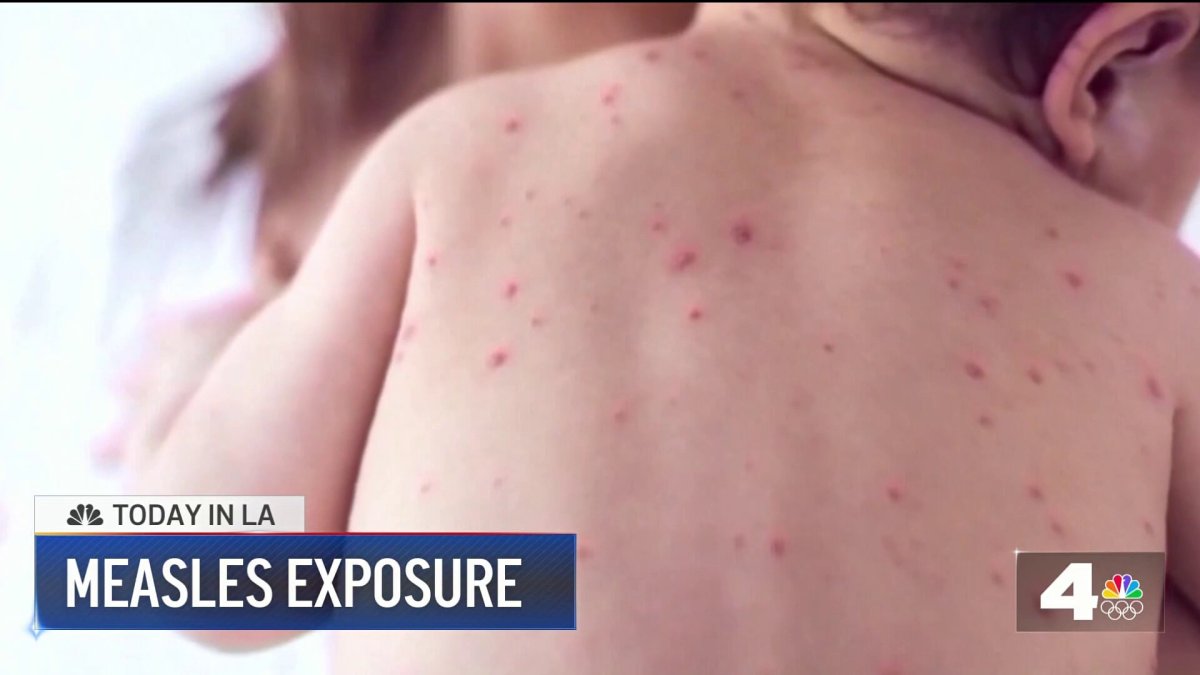
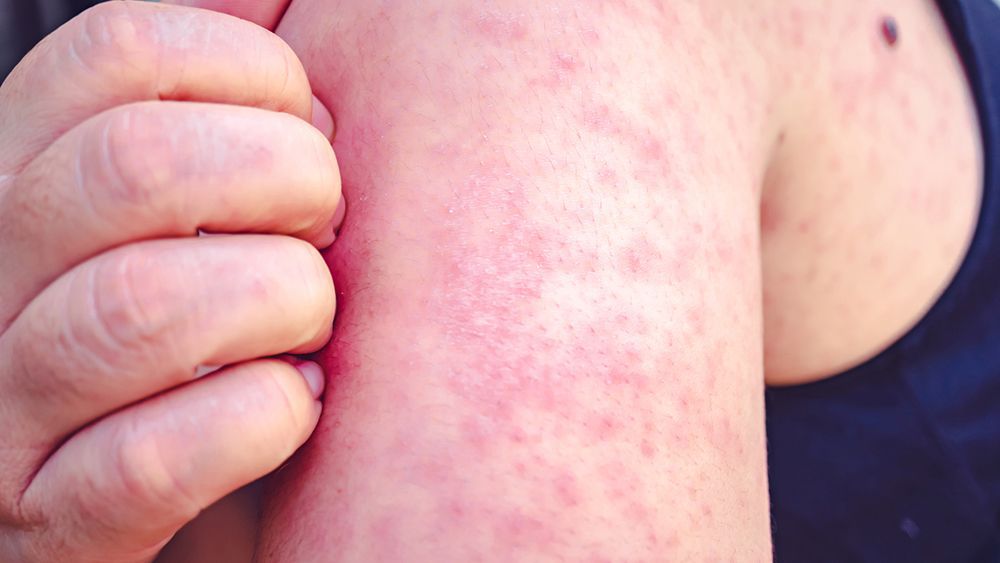
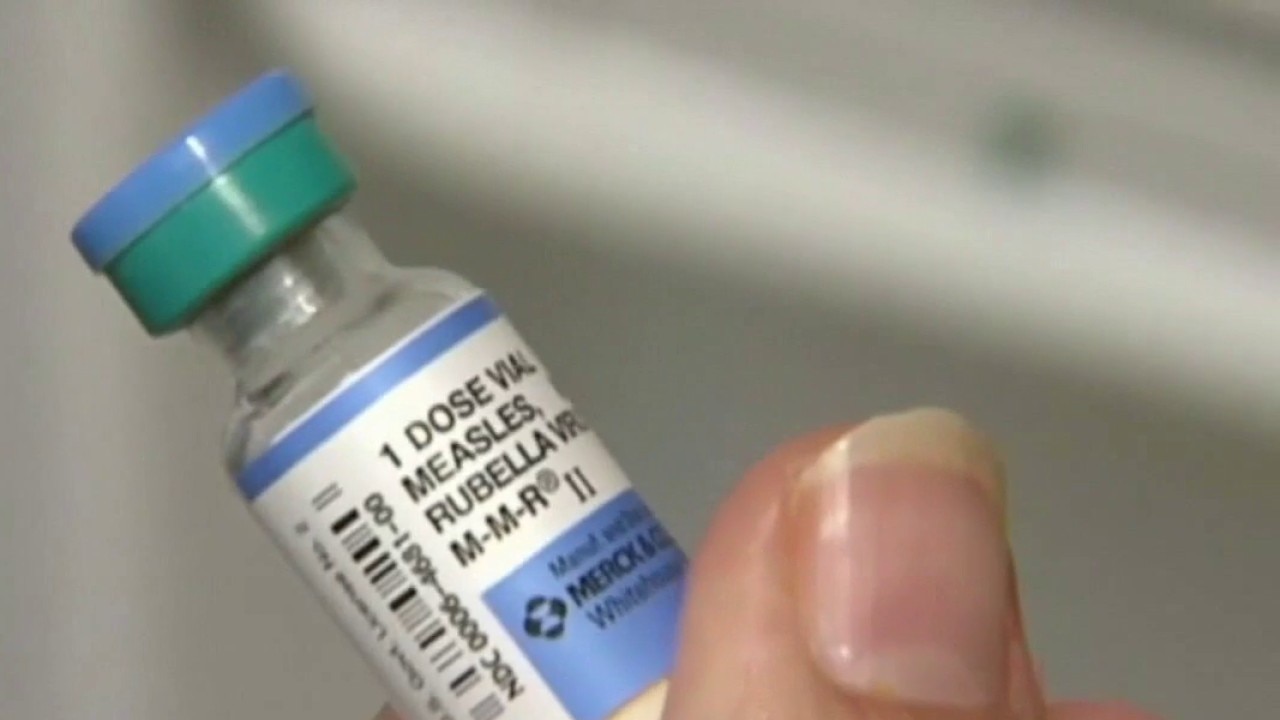
The measles resurgence in Southern California represents a critical operational and market disruption for e-commerce sellers, particularly those with logistics infrastructure, fulfillment centers, or inventory positioned in the LAX/Orange County region. As of February 2, 2026, five confirmed measles cases emerged within one week across Orange County and L.A. County, with the U.S. recording 588 confirmed cases in January 2026—the highest January total since measles elimination was declared in 2000. A pivotal exposure event occurred when an international traveler arriving at LAX Terminal B on January 26 subsequently visited Disneyland Resort (January 28, 10:30 a.m. to 1:30 p.m.) and Disney California Adventure Park, exposing an estimated 24,000-27,000 daily visitors. This outbreak directly impacts three critical seller segments: (1) Fulfillment Operations: Sellers operating 3PL facilities or Amazon FBA warehouses in Southern California face potential workforce disruptions, quarantine protocols, and operational slowdowns if employees are exposed or required to isolate during the 7-21 day measles incubation period. (2) Consumer Discretionary Spending: The outbreak suppresses foot traffic at major retail destinations like Disneyland and surrounding shopping areas, reducing consumer spending on entertainment, dining, and impulse purchases—categories that drive secondary demand for travel accessories, apparel, and lifestyle products. (3) Health & Safety Product Demand: The measles alert creates immediate demand spikes for protective equipment (N95 masks, hand sanitizers), health monitoring devices, and vaccination-related informational products, presenting short-term merchandising opportunities for sellers in health/wellness categories.
The outbreak's international transmission vector—all confirmed cases involved international travelers—signals broader supply chain vulnerabilities. LAX processes approximately 88 million passengers annually, making it a critical node for cross-border commerce logistics. Measles' high contagiousness (spreads 4 days before symptom appearance, per Dr. Muntu Davis, LA County Health Officer) creates cascading risks: delayed shipments from LAX-based fulfillment centers, increased insurance/liability costs for logistics providers, and potential customs/border processing delays if health screening protocols intensify. Sellers with inventory concentrated in Southern California warehouses face 2-4 week supply chain delays if facilities implement health protocols or workforce quarantines.
The broader national context amplifies risk: outbreaks in South Carolina, Arizona, and Utah indicate this is not isolated to California. For sellers operating multi-region fulfillment networks, this suggests potential disruptions across 3+ major logistics hubs. Vaccination rates and public health response will determine outbreak trajectory—if cases accelerate to 1,000+ by March 2026, expect significant operational impacts including temporary facility closures, increased 3PL costs (15-25% premium for expedited shipping), and potential Amazon FBA capacity constraints in West Coast regions.
问题 7
What supply chain risks should sellers monitor given LAX's role in cross-border commerce?
LAX processes 88 million passengers annually and serves as a critical logistics hub for cross-border e-commerce. The measles outbreak—with 588 confirmed U.S. cases in January 2026, the highest since 2000—creates three supply chain vulnerabilities: (1) Customs/border processing delays if health screening protocols intensify; (2) 3PL cost increases of 15-25% if logistics providers implement health protocols or require expedited alternative routing; (3) Inventory delays of 2-4 weeks if LAX-adjacent fulfillment centers reduce operations. Sellers importing goods from Asia or Mexico should diversify port entry points: consider routing 20-30% of inventory through Port of Long Beach, Port of Oakland, or inland hubs (Phoenix, Las Vegas) to reduce LAX dependency. Track LA County Department of Public Health announcements for facility-specific impacts.
How will the measles outbreak impact consumer spending on discretionary categories?
The outbreak suppresses foot traffic at major retail destinations like Disneyland Resort and surrounding shopping areas, reducing consumer spending on entertainment, dining, and impulse purchases. Historically, disease outbreaks reduce discretionary spending by 8-15% in affected regions for 4-8 weeks. Sellers in travel accessories, apparel, dining/entertainment merchandise, and lifestyle categories should expect 10-20% traffic declines in Southern California during February-March 2026. However, this creates a counter-opportunity: health/safety product categories (N95 masks, hand sanitizers, health monitoring devices) typically see 40-60% demand spikes during outbreaks. Sellers should shift PPC budgets from discretionary categories toward health/wellness products and monitor Amazon Best Seller Rank (BSR) trends in health categories for inventory rebalancing opportunities.