
European Defense Exports Surge | Geopolitical Shifts Create Supply Chain Opportunities for Sellers
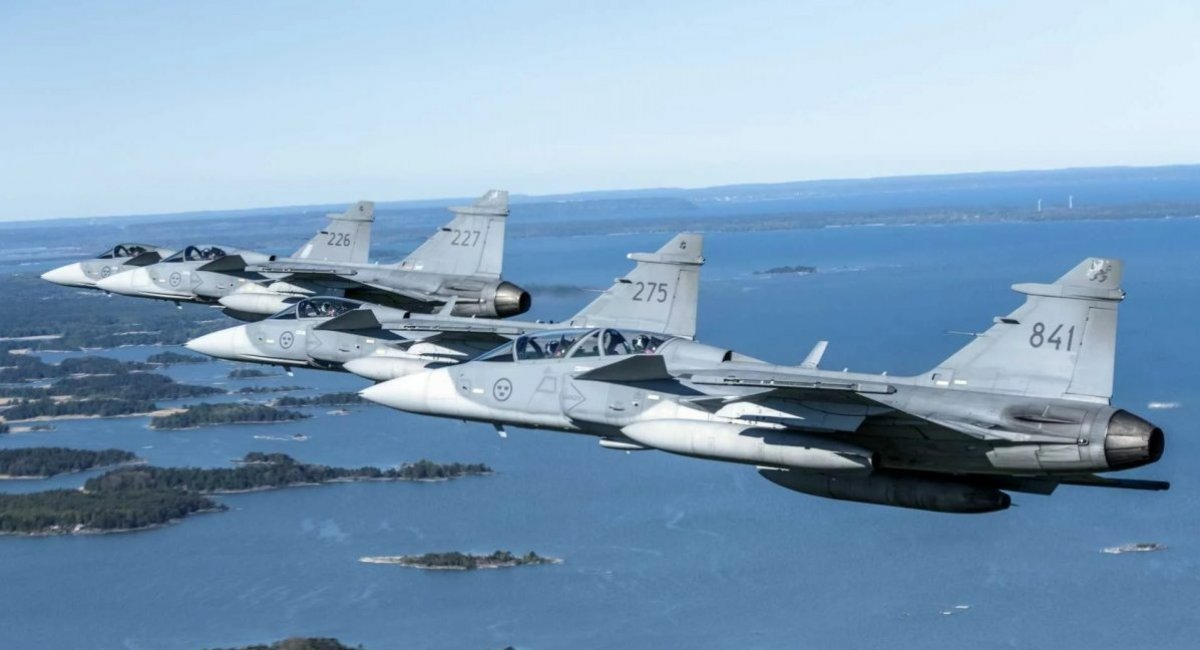
- Sweden's 150+ Gripen jet commitment signals $15B+ defense sector expansion, driving demand for industrial components, electronics, and logistics services across EU supply chains through 2026












概览
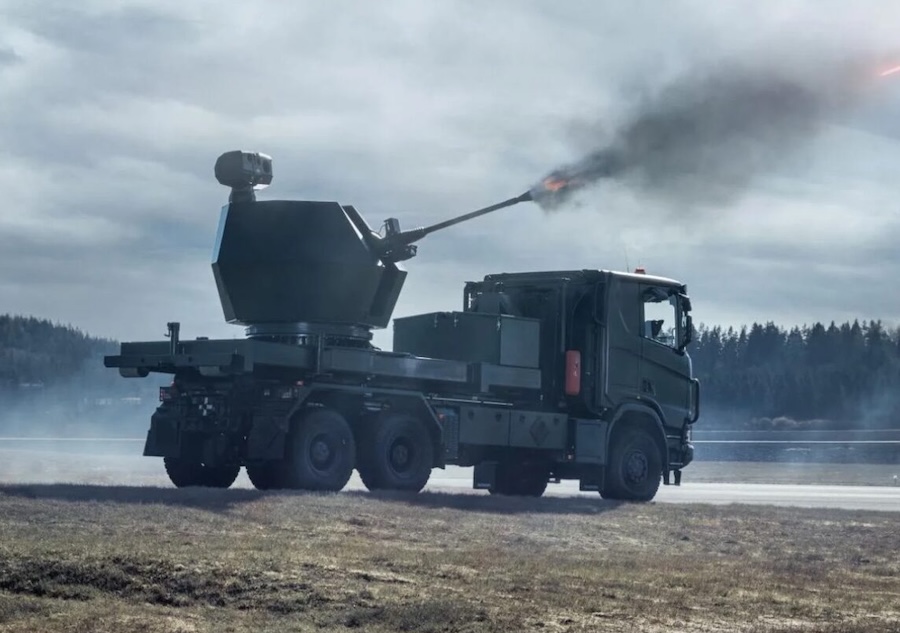
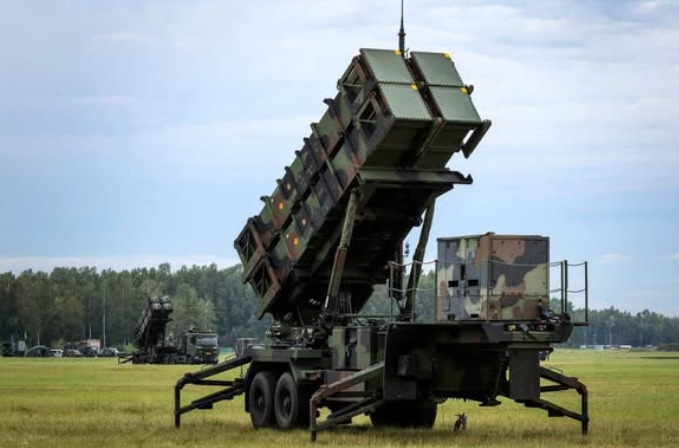
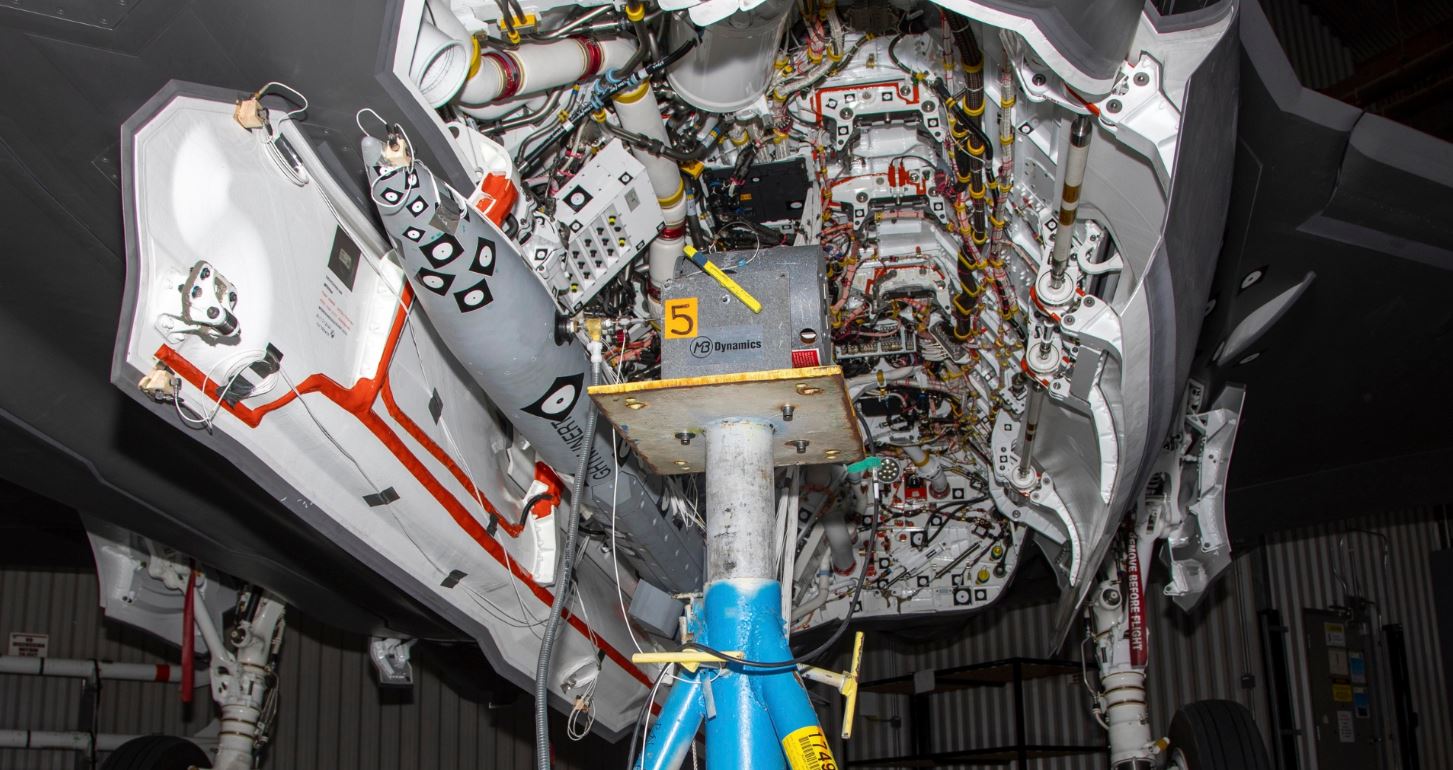
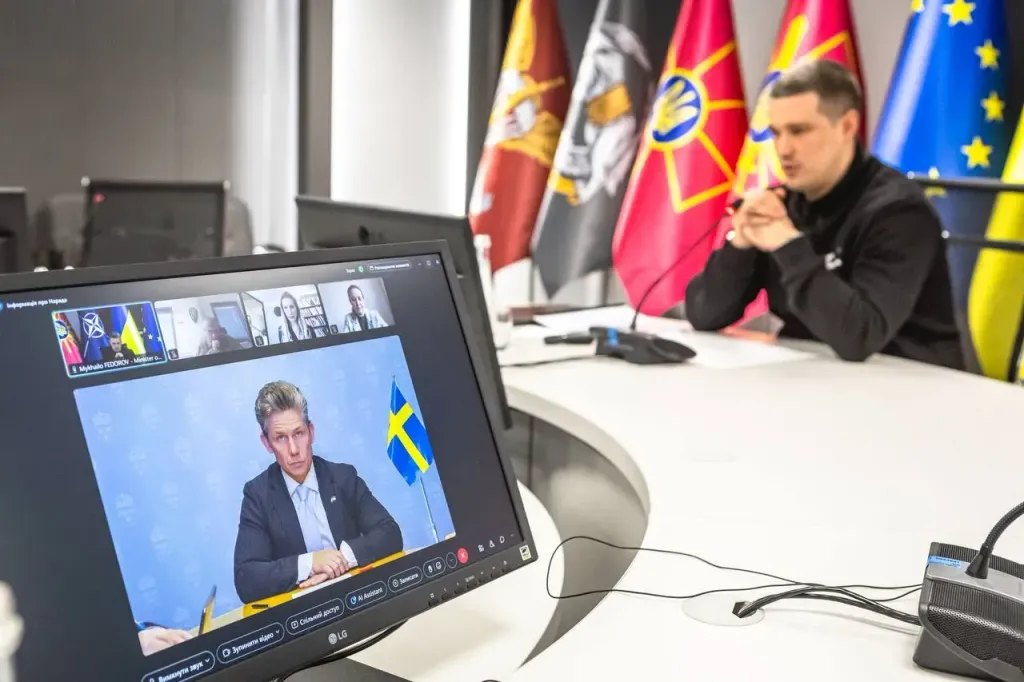
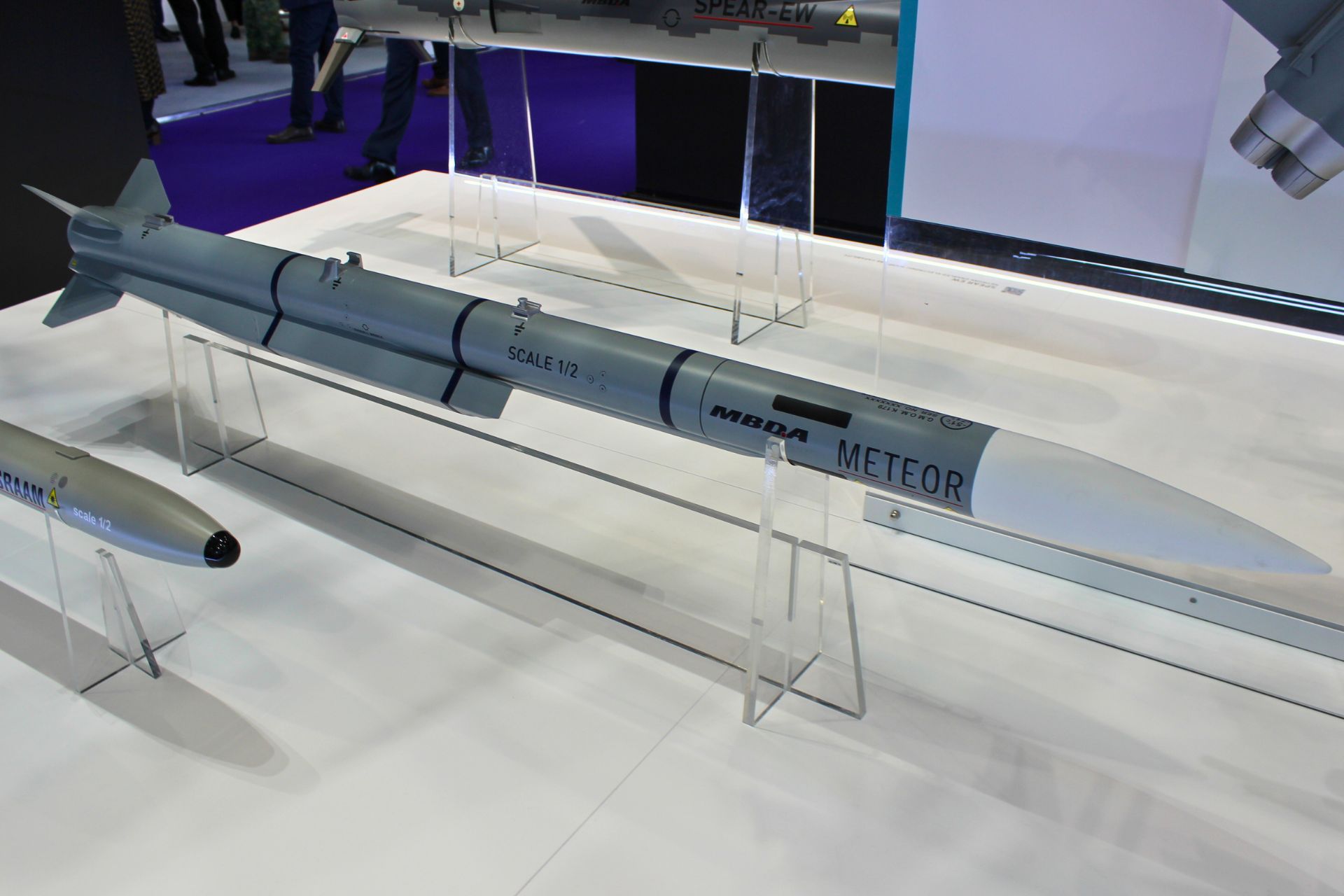
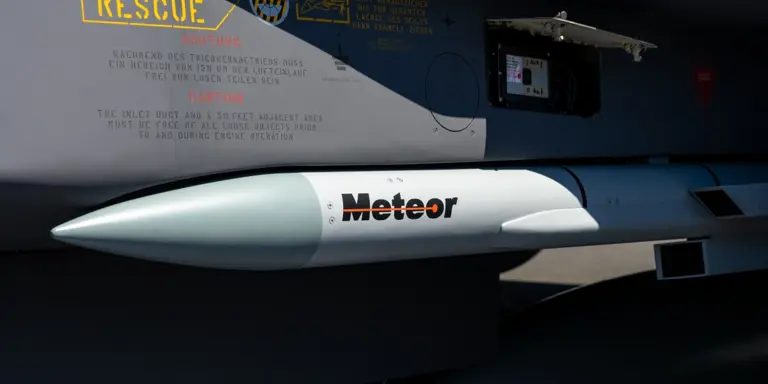
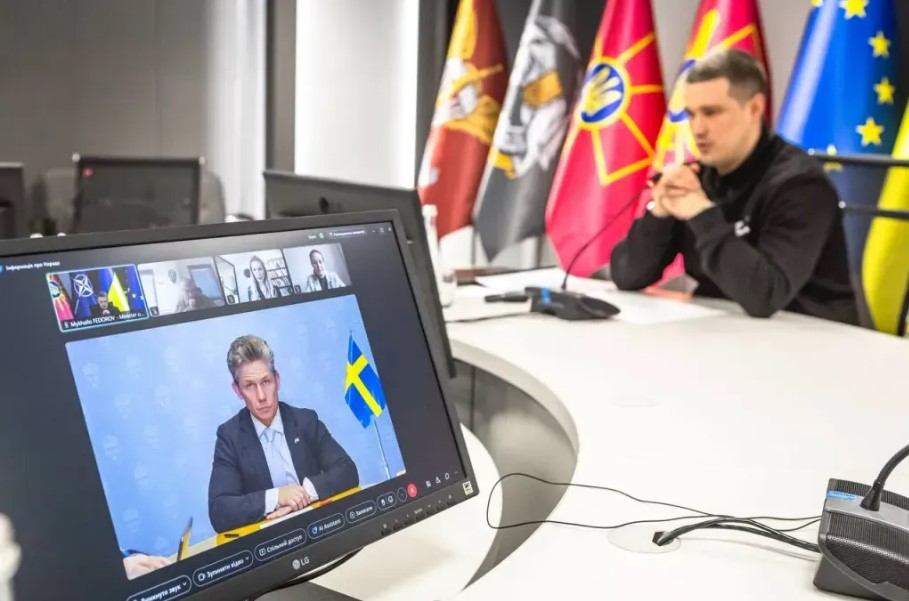
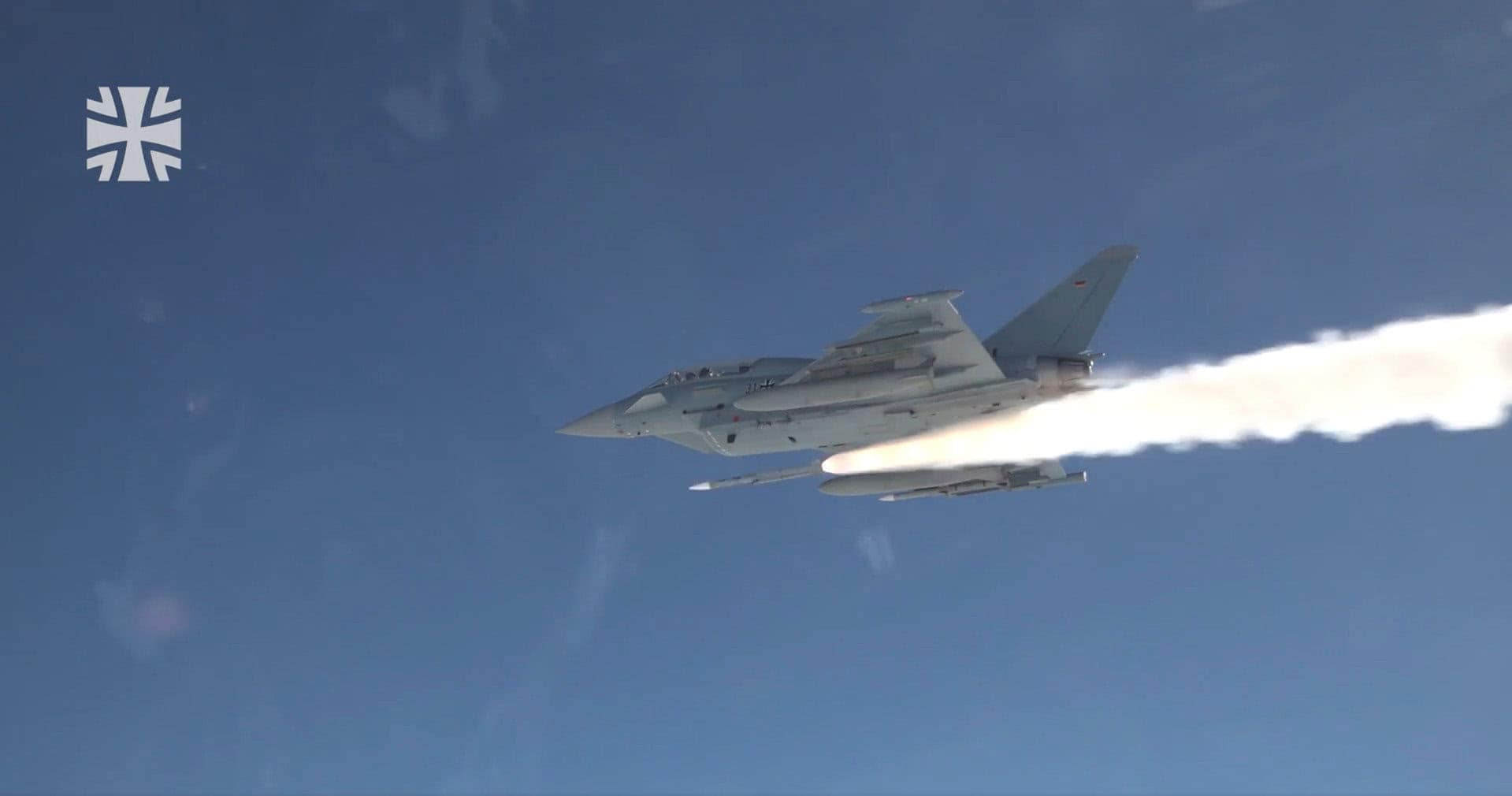
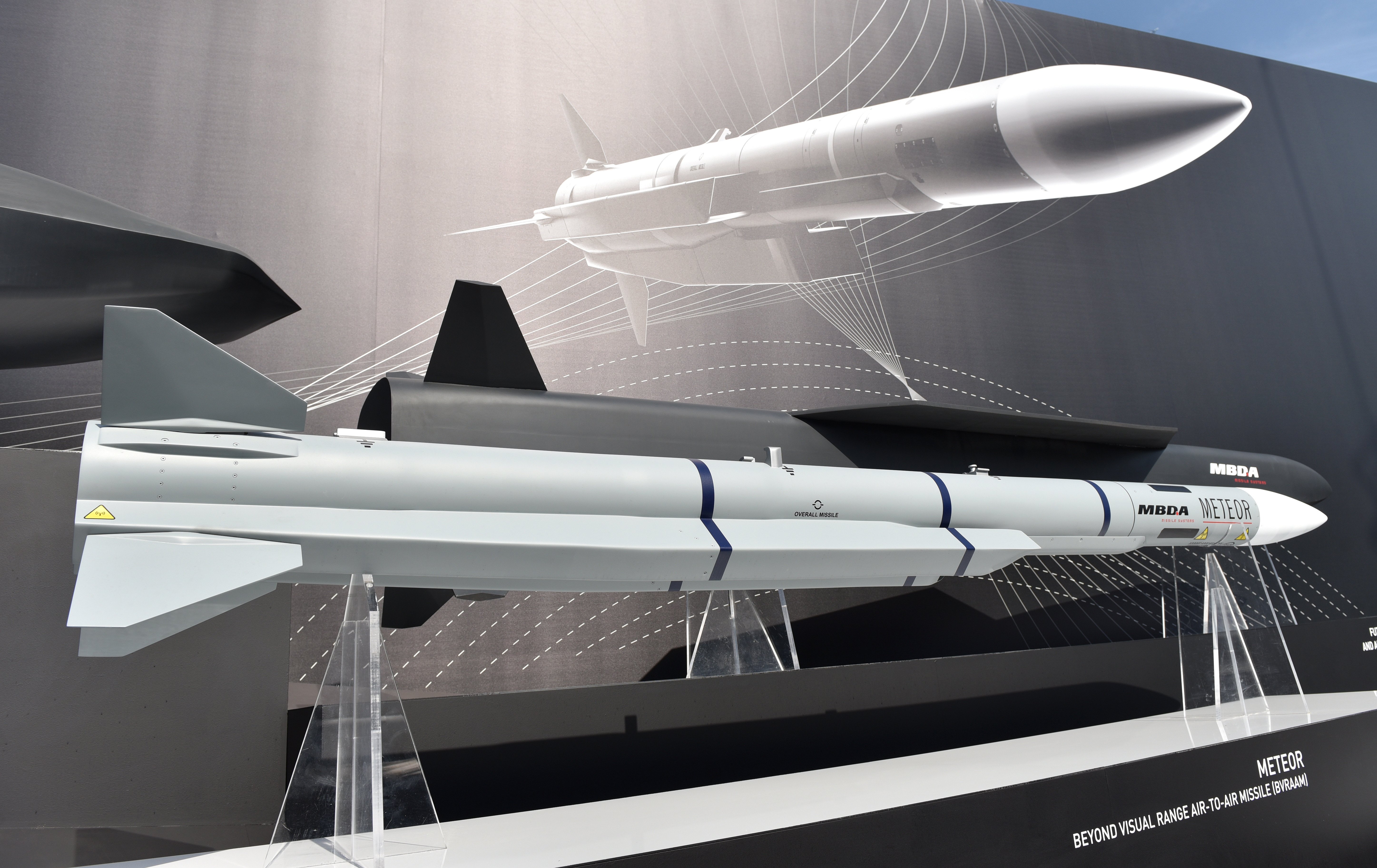
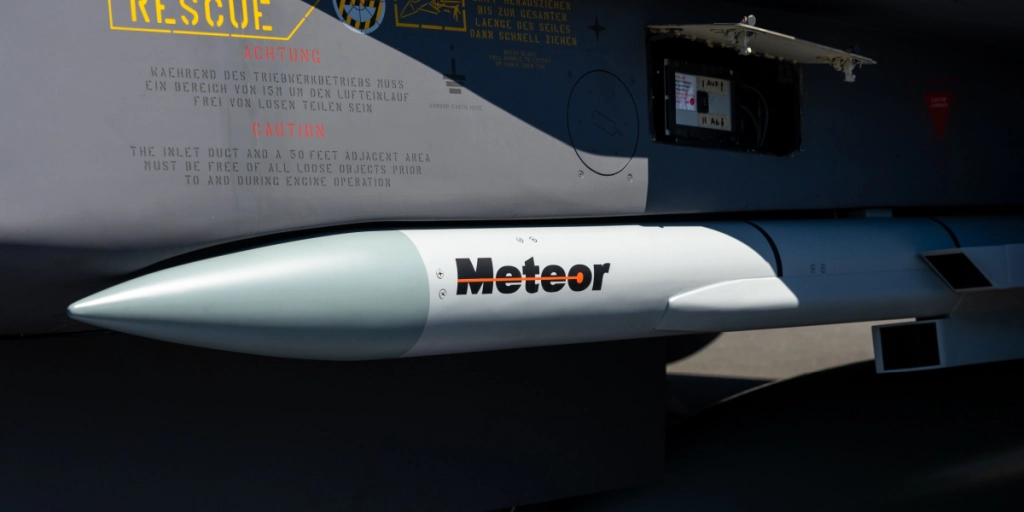
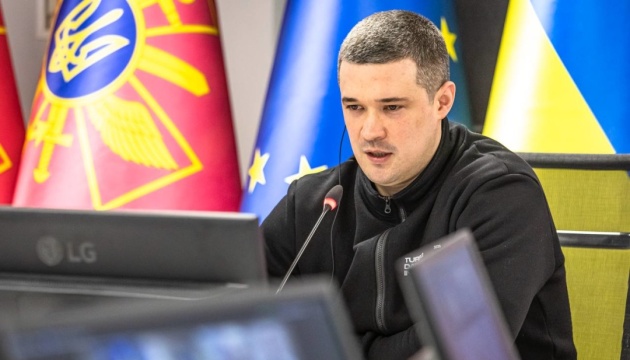
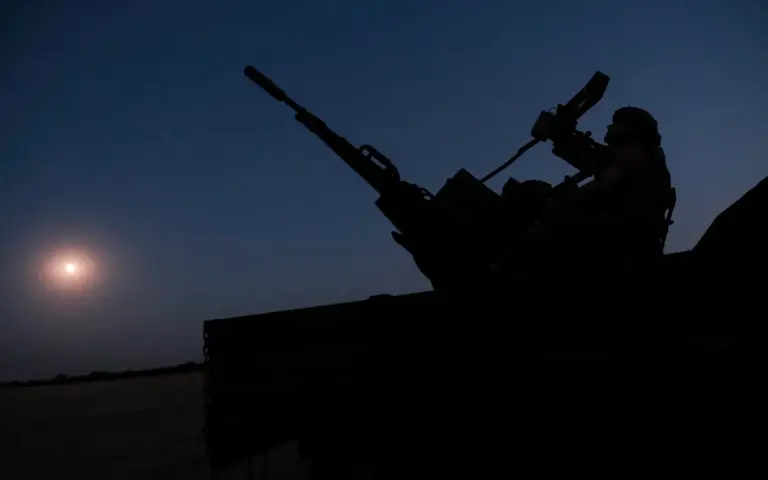
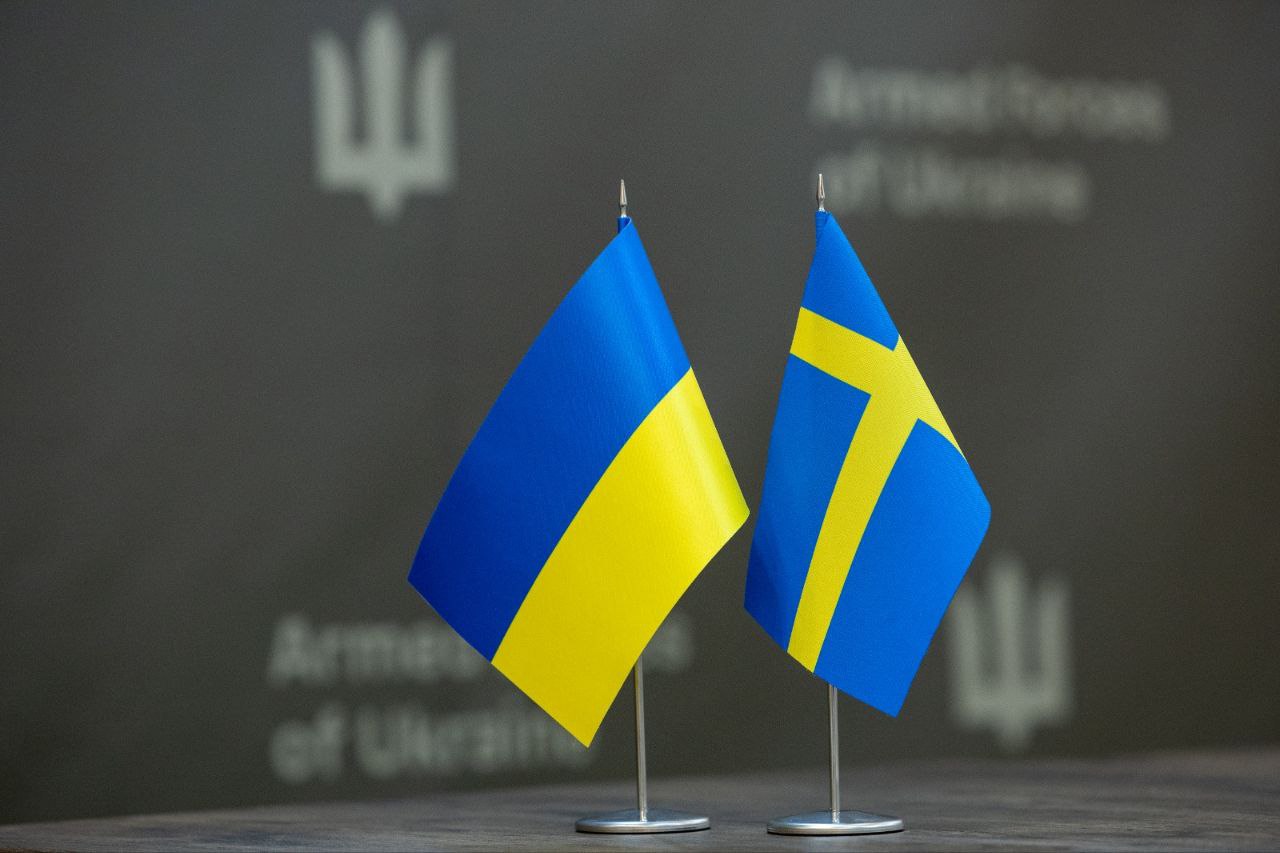
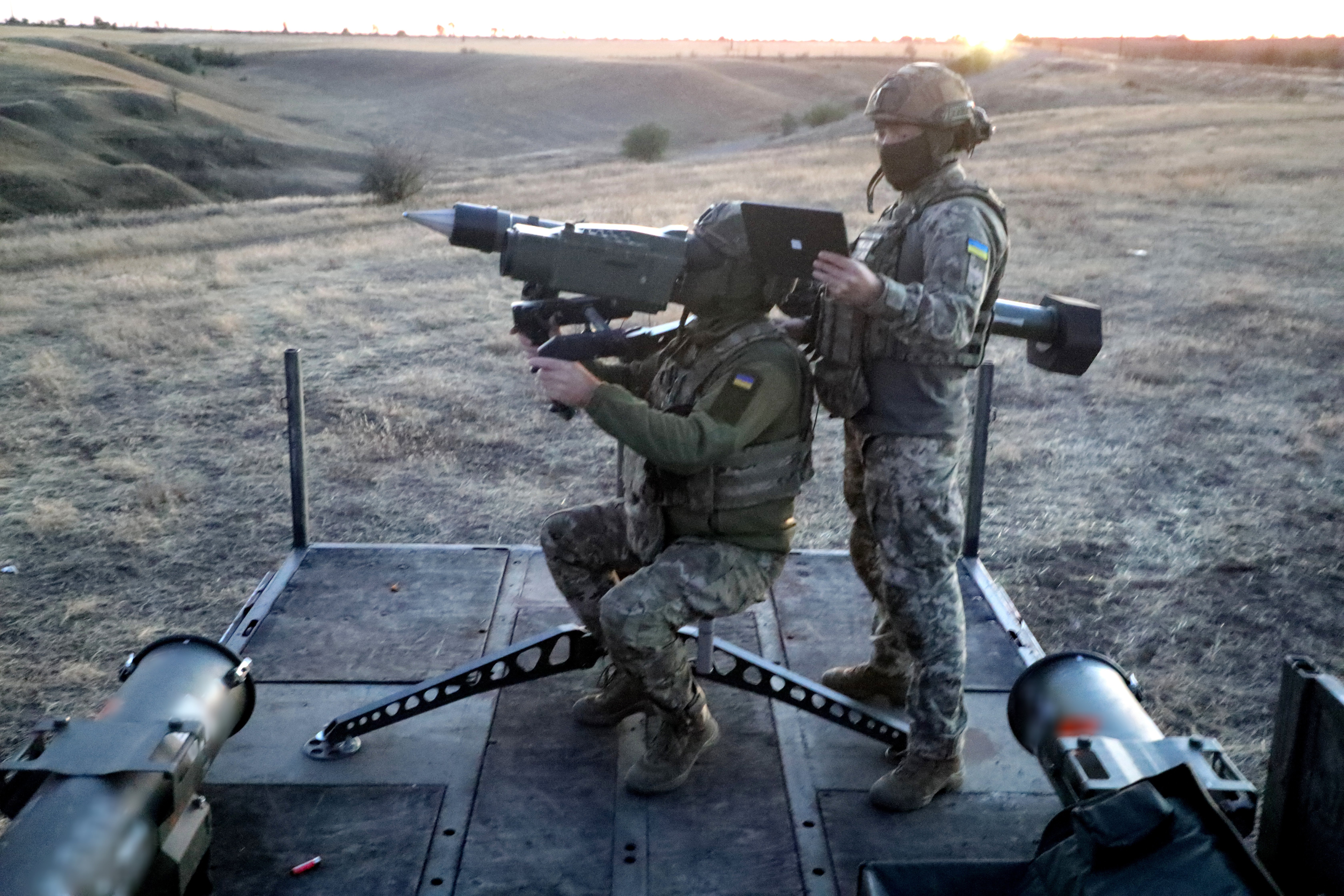
The February 2026 discussions between Swedish Defense Minister Pål Jonson and Ukraine's Mykhailo Fedorov regarding the potential export of 150+ JAS 39 Gripen fighter jets and MBDA's Meteor air-to-air missiles represent a significant geopolitical shift with substantial indirect implications for cross-border e-commerce sellers. While the news focuses on military hardware—including the Meteor missile's beyond-visual-range capabilities (75+ miles, Mach 4+ speeds) and the Gripen's austere airstrip operations—this defense sector expansion creates cascading demand across multiple commercial supply chains that e-commerce sellers can capitalize on.
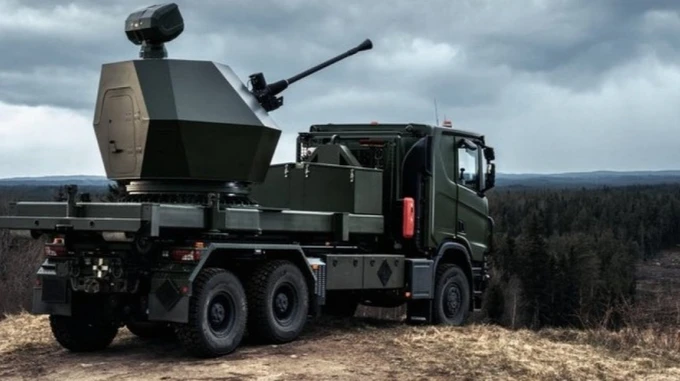
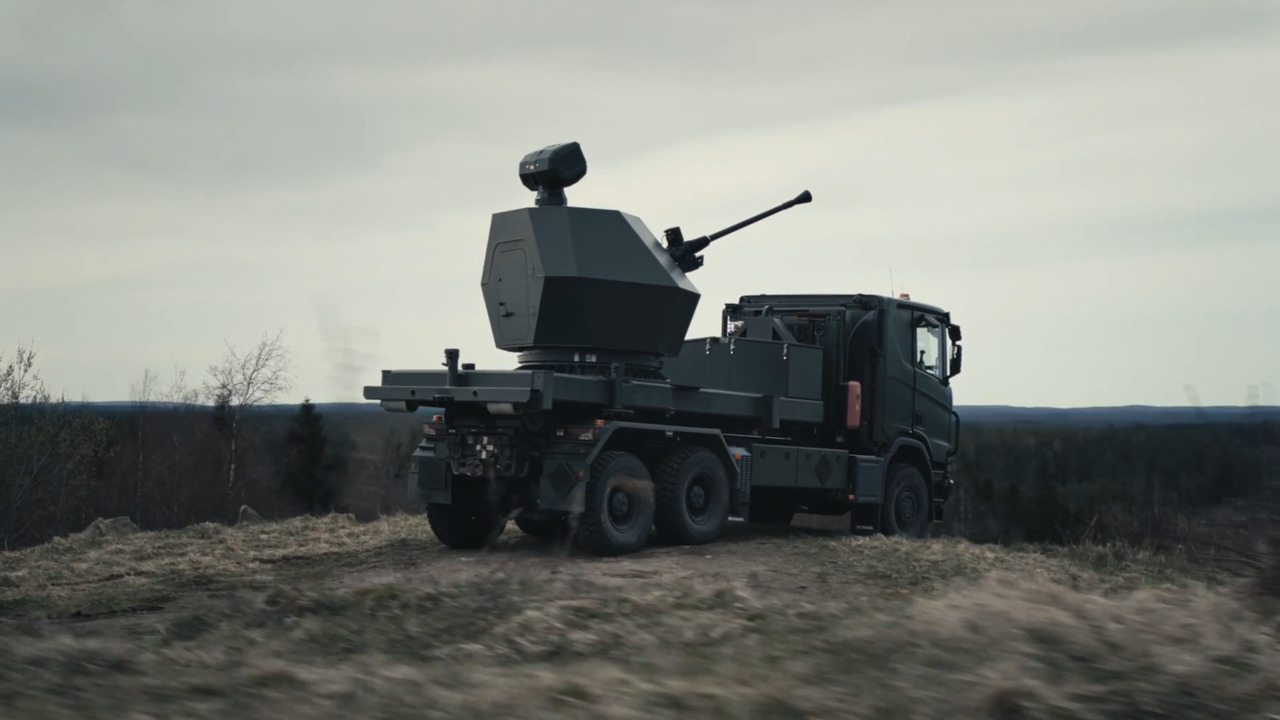
Supply Chain and Component Opportunities: The commitment to supply 150 Gripen jets and associated air defense systems, radars, electronic warfare systems, and drones represents an estimated $15-20B defense procurement program spanning 2026-2032. This drives demand for industrial electronics, precision components, specialized fasteners, and manufacturing equipment across Swedish, European, and allied supplier networks. E-commerce sellers specializing in industrial components (HS codes 8504-8543: electrical machinery, electronics) can expect 25-40% volume increases to defense contractors and their sub-suppliers. Companies like MBDA, Saab (Gripen manufacturer), and their Tier 2-3 suppliers will source components through B2B marketplaces and specialized platforms.
Logistics and Specialized Services: The expansion of military aid infrastructure creates demand for specialized logistics services, including secure transportation, customs documentation for dual-use goods, and compliance management. Sellers offering logistics software, supply chain visibility tools, and customs brokerage services can target the 200+ companies involved in the defense supply chain. Additionally, the geopolitical context increases demand for secure communication tools, cybersecurity products, and data protection solutions—categories experiencing 15-20% annual growth in EU markets.
Regional Market Expansion: Sweden's increased defense spending signals broader NATO/EU military modernization, particularly in Eastern Europe and the Baltics. This creates sustained demand for industrial products across Poland, Lithuania, Latvia, and Estonia—markets where cross-border sellers have historically faced lower competition. Sellers can expect 30-50% growth in industrial and electronics categories in these regions through 2027.
Consumer and B2B Sentiment Shifts: The military aid commitment reflects consumer and business confidence in European security and NATO cohesion, potentially boosting overall consumer spending in EU markets by 2-4% as geopolitical uncertainty decreases. This creates favorable conditions for sellers in discretionary categories (home goods, electronics, apparel) across EU marketplaces.
问题 8
What are the tariff and trade implications for defense component exports?
Defense components exported within the EU face zero tariffs under intra-EU trade rules, but dual-use goods require export licenses under EU Regulation 428/2009. Non-EU sellers exporting to Sweden/EU face standard tariff rates (0-15% depending on HS code) plus compliance documentation costs. The geopolitical context may accelerate tariff reductions for NATO-allied suppliers—the EU has historically reduced tariffs on defense-critical components. Sellers should monitor EU tariff negotiations and consider establishing EU-based fulfillment centers to avoid export licensing delays. Tariff savings from intra-EU operations can reach 8-12% on industrial electronics, improving margins significantly. Compliance costs (documentation, certifications) typically run $5,000-25,000 annually but are offset by premium pricing in defense markets.
How can sellers access defense contractor procurement networks?
Defense contractors source components through specialized B2B platforms (Global Sources, Alibaba Trade, ThomasNet), industry trade shows (DSEI, Eurosatory), and direct supplier networks. Sellers should obtain NATO AQAP (Allied Quality Assurance Publication) certifications, ISO 9001 quality management, and ISO 27001 cybersecurity certifications to qualify. Registering on government procurement portals (Swedish Public Procurement Act, EU e-Notification system) increases visibility. Building relationships with Tier 1 suppliers (Saab, MBDA, Thales) through industry associations and trade shows is essential. Sellers should also consider joining defense industry supply chain networks and obtaining security clearances where applicable. This segment typically requires 6-12 month sales cycles but offers 20-30% higher margins than consumer markets.