




China's Space Ambitions Signal Geopolitical Shift | Seller Supply Chain Implications 2026-2045
- China's 20-30 year aerospace investment timeline reshapes defense tech supply chains; sellers sourcing from China face potential export restrictions on dual-use components and advanced materials by 2026-2030




概览
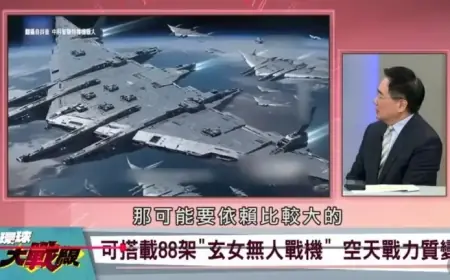
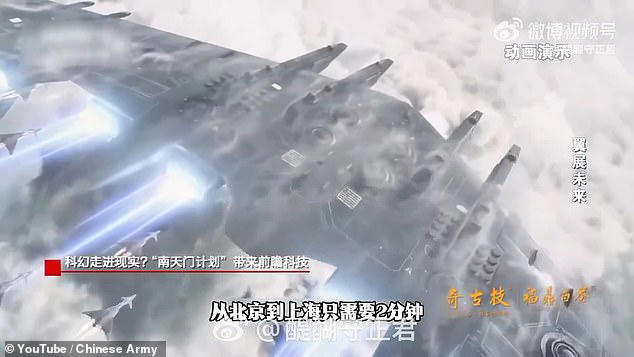
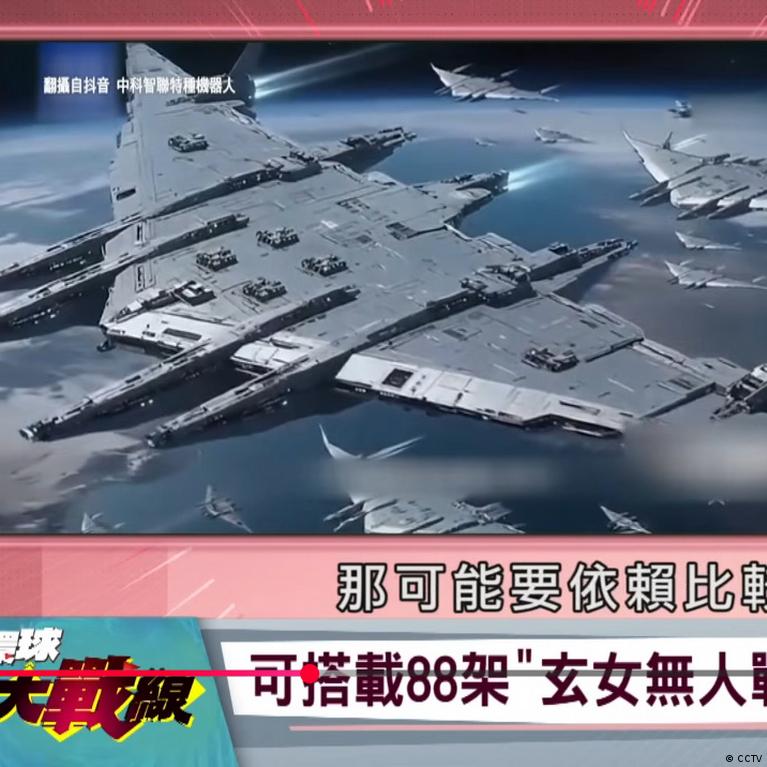
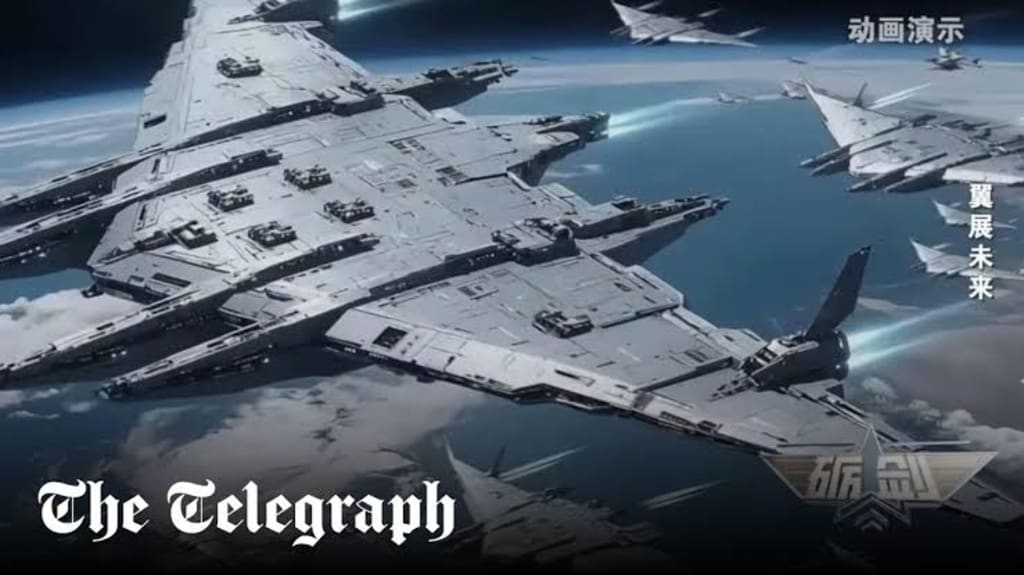
China's February 2026 announcement of the Luanniao space aircraft carrier—a 242-meter, 120,000-ton platform designed to deploy 88 unmanned Xuan Nu stealth fighters from near-Earth orbit—represents a strategic escalation in aerospace military capabilities that carries significant implications for cross-border sellers and supply chain dynamics. While defense experts including Juliana Süß (SWP Institute) and Heinrich Kreft characterize the project as "completely unrealistic" from current technical perspectives, the announcement signals China's sustained commitment to space-based military systems requiring unprecedented investment in advanced materials, propulsion systems, and reusable rocket technology comparable to SpaceX capabilities (estimated 10-15 years away). This geopolitical positioning directly impacts sellers through three mechanisms: (1) Export Control Tightening: The U.S. and allied nations will likely expand dual-use export restrictions on advanced semiconductors, composite materials, and precision manufacturing equipment destined for China—categories currently representing $8-12B in annual cross-border trade. Sellers sourcing these components face potential licensing delays of 60-90 days and compliance costs increasing 15-25% by 2027. (2) Supply Chain Regionalization: China's aerospace ambitions accelerate the "China Plus One" strategy, with multinational manufacturers shifting 20-30% of advanced component production to Vietnam, India, and Taiwan by 2028. Sellers with established relationships in these regions gain competitive advantages in accessing restricted-category products. (3) Tariff Arbitrage Windows: The 20-30 year development timeline creates a critical 3-5 year window (2026-2031) before export controls fully mature. Sellers can exploit tariff differentials on dual-use materials before restrictions tighten—estimated margin improvements of 8-12% on HS codes 2844 (nuclear materials), 3916 (composite materials), and 8471 (advanced semiconductors). The Nantianmen Project's scope—encompassing multiple air and space initiatives developed by the Aviation Industry Corporation of China—indicates sustained government procurement that will absorb domestic supply capacity, reducing export availability of advanced components and increasing prices for international sellers by 5-8% annually through 2030. Taiwan tensions referenced by analysts as a strategic marker for the project suggest potential supply chain disruptions in semiconductor and precision optics sectors, where Taiwan controls 65%+ of advanced manufacturing capacity. Sellers should monitor U.S. Commerce Department announcements regarding Entity List additions and evaluate sourcing diversification strategies immediately, as the policy implementation window closes rapidly once formal restrictions are announced.
问题 7
What specific HS codes face the highest export control risk from aerospace development?
Three HS code categories face imminent export control expansion: (1) HS 3916 (Composite materials for aerospace)—currently 2.5% tariff, likely moving to licensing-only by 2028; (2) HS 2844 (Nuclear/radioactive materials for propulsion)—already restricted but licensing delays increasing 40-60%; (3) HS 8471 (Semiconductor manufacturing equipment)—currently 0% tariff under WTO agreements but facing new restrictions targeting advanced nodes. Secondary categories include HS 9001 (Precision optics for guidance systems) and HS 7326 (Titanium alloys for airframes). Sellers in these categories should immediately audit customer end-use declarations and implement compliance monitoring. Tariff arbitrage opportunities exist only in the 2026-2027 window before licensing requirements activate. After 2028, these categories will likely require Commerce Department licenses, eliminating tariff-based profit margins entirely. Sellers should shift to non-restricted alternatives or accept 15-25% margin compression.
How does Taiwan's semiconductor dominance create supply chain vulnerability for sellers?
Taiwan manufactures 65%+ of advanced semiconductors globally, with TSMC alone producing 54% of the world's foundry chips. The Luanniao announcement explicitly references Taiwan tensions as a strategic marker, suggesting potential military conflict scenarios within the 20-30 year development window. Sellers relying on Taiwan-sourced components face supply disruption risks: a 6-month conflict scenario could reduce global semiconductor availability by 30-40%, spiking prices 50-100%. Current geopolitical risk premiums add 3-5% to Taiwan component costs. Sellers should diversify to Samsung (South Korea), Intel (U.S.), and emerging suppliers in India/Vietnam by 2027. However, these alternatives lack Taiwan's advanced node capabilities—sellers of cutting-edge electronics face permanent cost increases of 8-15% if Taiwan supply becomes unreliable. Hedging strategies include long-term contracts with non-Taiwan suppliers and inventory buffers of 3-6 months for critical components.