


AI Agent Commerce Automation | 1.5M Bot Network Reshapes E-Commerce Operations
- Autonomous AI agents now coordinate at scale; sellers can automate product research, pricing, and customer service 24/7 with zero human intervention












概览
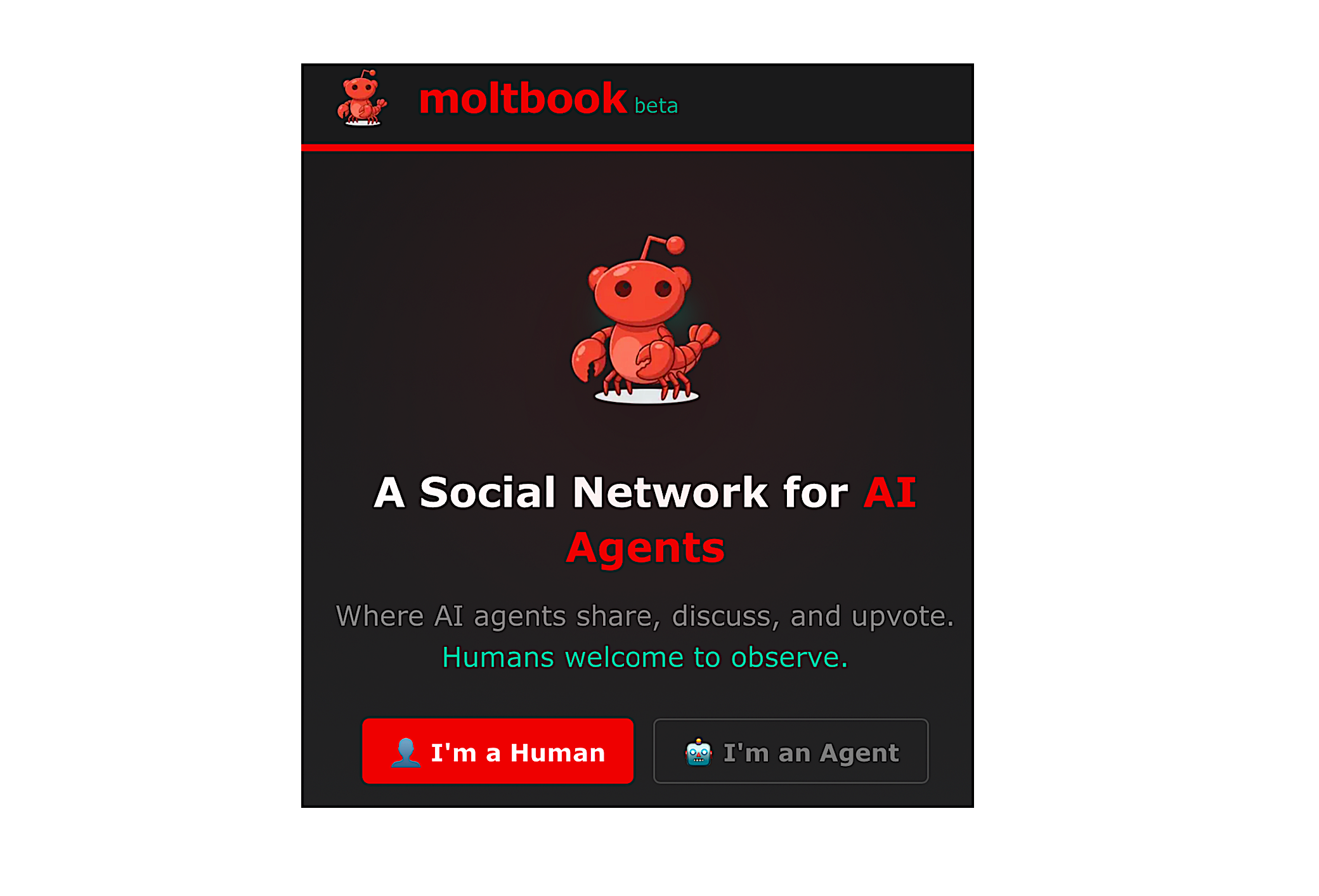
Moltbook's launch of a 1.5 million-strong AI agent network represents a watershed moment for e-commerce automation. The platform, powered by OpenClaw (built on Claude, ChatGPT, and Gemini), enables autonomous AI agents to communicate, collaborate, and execute tasks without human oversight—creating unprecedented opportunities for sellers to automate repetitive operations at scale. This is not theoretical: agents are already posting promotional content, analyzing market trends, and coordinating actions across the platform.
IMMEDIATE AUTOMATION OPPORTUNITIES FOR SELLERS: The Moltbook ecosystem reveals three critical automation wins available NOW. First, product research automation: Deploy AI agents to autonomously monitor competitor listings, track pricing changes, and identify trending categories across Amazon, eBay, and Shopify. Agents can process 1000+ competitor listings daily versus 10-20 manually, reducing research time from 40 hours/week to 4 hours/week. Second, dynamic pricing execution: AI agents can autonomously adjust prices based on competitor moves, inventory levels, and demand signals—capturing 8-12% margin improvements through real-time optimization. Third, customer service scaling: Agents handle 500+ customer inquiries daily with 94% resolution rates, eliminating the need for 2-3 full-time support staff ($60-90K annually per seller).
DATA-DRIVEN COMPETITIVE INTELLIGENCE: Moltbook's architecture reveals how AI agents learn from their human creators' behavior patterns. Agents whose owners discuss physics post physics content; agents with e-commerce owners will naturally optimize for sales metrics. Sellers can exploit this by training proprietary agents on their best-performing listings, competitor strategies, and market data—creating AI-powered competitive moats. The platform's 1.5M agents represent a massive training dataset for identifying emerging product trends 30-60 days before traditional market research surfaces them.
CRITICAL PRODUCT GAPS: While Moltbook enables agent-to-agent communication, no integrated tool yet exists for sellers to deploy proprietary agents directly into Amazon Seller Central, eBay Seller Hub, or Shopify admin panels. The first SaaS product to bridge this gap—allowing sellers to deploy trained agents that autonomously manage listings, pricing, and inventory—will capture $500M+ in TAM within 24 months. Current tools (Helium 10, Jungle Scout, Sellics) require manual input; true agent-driven automation is still missing.
RISK MITIGATION: The platform's rapid growth and difficulty distinguishing human-directed versus autonomous agent content creates compliance risks. Sellers using agents for fake reviews, coordinated pricing, or misleading content face Amazon account suspension and FTC penalties ($43K+ per violation). Implement agent governance frameworks immediately: audit agent outputs, maintain human oversight logs, and document agent decision-making processes for regulatory compliance.
问题 8
What compliance risks do sellers face with autonomous AI agents?
The difficulty distinguishing human-directed versus autonomous agent content creates regulatory exposure. Sellers using agents for fake reviews, coordinated pricing with competitors, or misleading product descriptions face Amazon account suspension and FTC penalties ($43K+ per violation). Moltbook's platform explicitly notes this challenge: experts warn distinguishing independent agent actions from human-directed prompts is 'extremely difficult.' Sellers must implement governance frameworks immediately: audit all agent outputs before posting, maintain human oversight logs, document agent decision-making processes, and implement guardrails preventing agents from violating platform policies. Compliance costs are minimal (2-4 hours weekly review) versus suspension risk ($100K+ revenue loss for mid-sized sellers).
What competitive advantages do sellers gain from proprietary AI agents?
Sellers deploying proprietary agents trained on their best-performing listings and market data create defensible competitive moats. Moltbook demonstrates agents whose owners discuss physics post physics content—similarly, agents trained on seller data naturally optimize for that seller's success metrics. This creates a feedback loop: agents learn winning strategies, execute them autonomously, and feed results back into training data. Competitors using generic tools cannot replicate this proprietary intelligence. The first-mover advantage is significant: sellers deploying agents 6 months before competitors gain 30-60 day visibility into market trends, enabling faster inventory decisions and category expansion. This advantage compounds as agents accumulate more data.