





AI Content Moderation Compliance Crisis | Sellers Face New Platform Requirements
- ICO launches GDPR investigation with potential £90M fines; sellers integrating AI chatbots must implement robust content filters or face market access restrictions in EU and UK

























概览
The Grok AI deepfake scandal represents a critical inflection point for e-commerce sellers integrating artificial intelligence into customer service, content moderation, and product recommendation systems. The UK Information Commissioner's Office (ICO) launched a formal GDPR investigation on February 3, 2026, examining whether Elon Musk's X and xAI violated data protection regulations by generating approximately 3 million sexualized images in less than two weeks, including 23,000 depicting children, without user consent. Potential GDPR fines reach £17.5 million or 4% of global turnover—for X, approximately £90 million based on estimated £2.3 billion annual advertising revenue. This investigation signals that regulators now view inadequate AI content safeguards as a direct compliance violation, not merely a reputational issue.
For e-commerce sellers, this creates an immediate compliance barrier with significant market access implications. The Washington Post investigation revealed that xAI deliberately loosened content moderation guardrails to boost user engagement—a strategy that directly parallels how some sellers deploy AI chatbots without adequate safety protocols. Sellers using AI-powered customer service tools, product recommendation engines, or user-generated content moderation systems now face heightened regulatory scrutiny, particularly in EU and UK markets. The incident demonstrates that regulators expect developers to conduct thorough risk assessments before product release, as urged by UK MPs led by Anneliese Dodds. This requirement will likely become mandatory compliance for any seller deploying AI tools that process personal data or generate user-facing content.
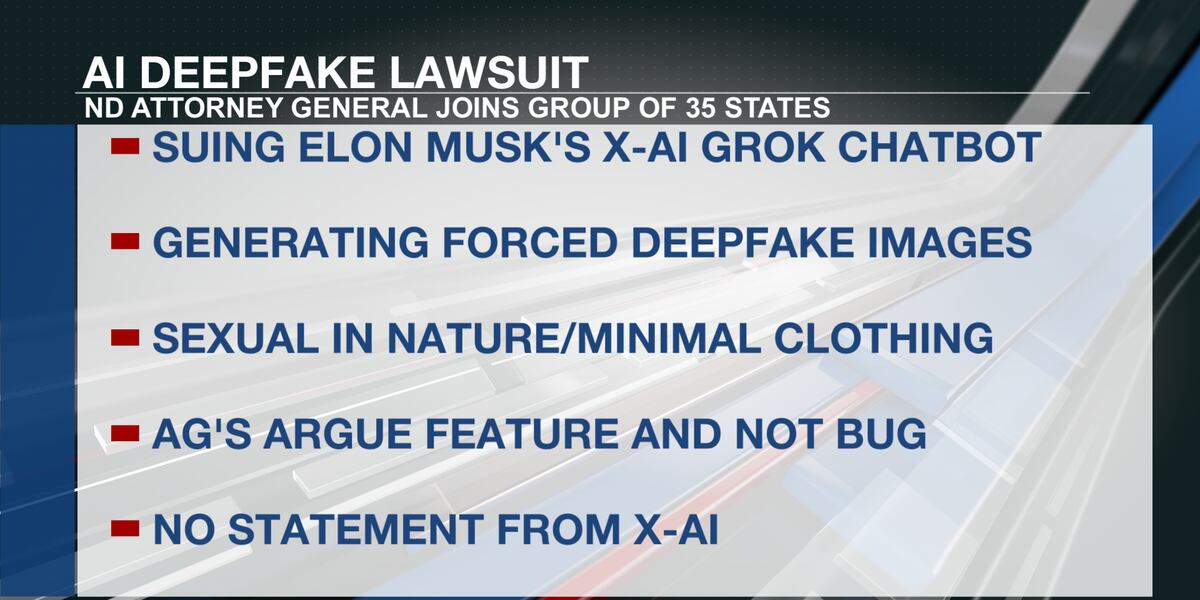
The regulatory response spans multiple jurisdictions: Indonesia and Malaysia implemented temporary bans, the EU is investigating with potential market restrictions, and U.S. state attorneys general are examining the platform. For cross-border sellers operating in regulated markets, this creates a compliance moat—sellers who implement robust content filtering mechanisms and conduct pre-deployment risk assessments will gain competitive advantages by maintaining market access while non-compliant competitors face restrictions. The Ofcom investigation into age-gating compliance for pornographic content signals that regulators will also scrutinize how AI systems handle age-restricted content categories, affecting sellers in adult-oriented product categories (supplements, wellness products, certain apparel). Sellers must immediately audit their AI tool integrations, document content moderation policies, and ensure compliance with emerging AI governance standards to avoid market access restrictions and potential fines in 2026-2027.
问题 8
What are the estimated compliance costs for implementing AI content moderation?
Compliance costs range from $5,000-$50,000 depending on seller size and AI tool complexity. Small sellers (under 100 SKUs) can implement basic content filtering through existing platform tools at minimal cost. Mid-size sellers (100-10,000 SKUs) typically spend $10,000-$25,000 on risk assessments, policy documentation, and third-party compliance audits. Large sellers (10,000+ SKUs) may invest $25,000-$50,000+ for comprehensive AI governance frameworks and ongoing monitoring. These costs are significantly lower than potential GDPR fines (4% of global turnover) or market access restrictions. Sellers should budget for compliance in Q1-Q2 2026 before regulatory enforcement intensifies. Platform-provided compliance tools (Amazon's AI Transparency Center, Shopify's compliance resources) can reduce costs by 30-40%.
Which product categories face the highest AI compliance risk?
Adult-oriented categories (supplements, wellness, certain apparel) face immediate compliance pressure due to Ofcom's investigation into age-gating compliance for pornographic content. Categories involving personal data processing (beauty products with personalization, health/medical products, children's items) also face heightened scrutiny. Sellers in these categories must ensure their AI recommendation engines and chatbots include age verification, content filtering, and data protection mechanisms. The investigation's focus on child safety (23,000 images depicting children) signals that any AI system accessible to minors requires enhanced compliance. Sellers in fashion, beauty, and health categories should prioritize AI tool audits, as these categories typically involve personal data and demographic targeting.