




Tech Earnings Volatility & PayPal Crisis | Seller Payment Risk Alert
- PayPal stock crashes 16-17% on missed forecasts; payment processing uncertainty threatens seller cash flow in Q1 2026






















































:sharpen(0.5,0.5,true)/tpg%2Fsources%2F230b28bf-e2d4-46ac-8faf-81753c7794bd.jpeg)












概览
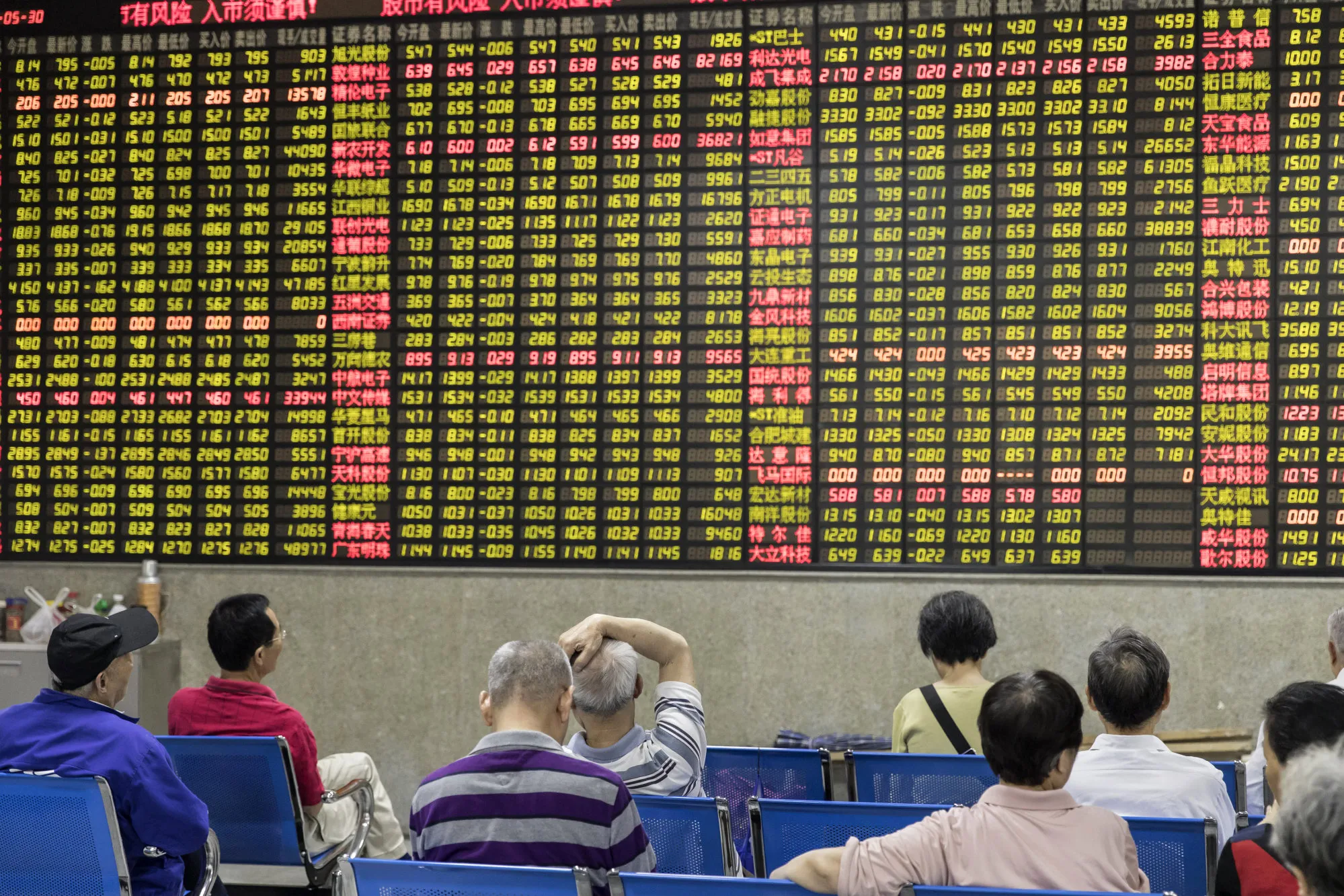
Critical Payment Infrastructure Risk: The February 3, 2026 earnings season reveals severe instability in seller payment ecosystems, with PayPal's 16-17% stock collapse signaling fundamental challenges to its 2026 profitability forecasts. This represents an immediate threat to cross-border sellers relying on PayPal for payment processing, invoicing, and working capital management. The company's appointment of new CEO Enrique Lores (from HP) indicates board-level concerns about operational execution and competitive positioning against Amazon Payments and Stripe, both gaining market share in the e-commerce payment space.
Immediate Financial Implications for Sellers: PayPal's missed earnings forecast directly impacts seller economics through three mechanisms: (1) Payment processing fee uncertainty—PayPal may increase merchant rates 2-4% to restore profitability, adding $200-500/month to sellers processing $50K+ monthly volume; (2) Working capital access tightening—PayPal's Capital lending product (which provides 0-30 day invoice financing) may face stricter underwriting or higher APR rates (currently 6-18%) as the company prioritizes cash preservation; (3) Platform stability concerns—stock volatility signals potential service disruptions or feature rollbacks that could delay payment settlement from 1-2 days to 3-5 days, compressing cash conversion cycles by 2-3 days.
Contrasting Market Dynamics: While PayPal struggles, Amazon's modest 0.6% gain and scheduled earnings report signal the company's payment infrastructure remains stable. Amazon's Seller Central payment system processes $200B+ annually with 14-day settlement cycles, and the company's earnings confidence suggests no imminent fee increases. Similarly, Palantir's 8.6% surge on AI platform demand reflects strong defense/government spending, which indirectly benefits logistics and supply chain software that sellers use for inventory management. The S&P 500 software index decline of 15% in January (largest drop since October 2008) indicates broader SaaS disruption concerns, affecting accounting software (QuickBooks, Xero) and inventory management tools (TradeGecko, Cin7) that sellers depend on for financial operations.
Government Shutdown Impact on Payment Processing: The partial government shutdown (entering its 4th day on February 3) creates secondary risks: (1) Customs delays—reduced staffing at CBP slows import clearance, potentially delaying inventory arrival by 3-7 days; (2) Payment processor compliance reviews—reduced SEC/CFPB oversight may temporarily ease regulatory scrutiny, but creates uncertainty around future enforcement; (3) Banking system stress—if shutdown extends beyond 2 weeks, banks may tighten credit lines to payment processors, reducing their ability to extend seller financing. The House's 71-29 Senate passage of funding suggests shutdown resolution within 1-2 weeks, limiting extended impact.
问题 8
Which software tools are at risk from the SaaS disruption mentioned in earnings?
The S&P software index's 15% January drop reflects AI disruption concerns affecting accounting (QuickBooks, Xero), inventory management (TradeGecko, Cin7), and customer service software. These tools face margin pressure as AI-powered alternatives (ChatGPT plugins, Claude) offer lower-cost automation. Sellers should: (1) **Audit software subscriptions**—identify redundant tools and consolidate to 3-5 core platforms; (2) **Negotiate renewals**—use SaaS vendor instability to secure 15-25% discounts on 2-year contracts before March 2026; (3) **Test AI alternatives**—evaluate ChatGPT for customer service, Zapier for automation, and native platform tools (Amazon Seller Central reports) to reduce dependency on third-party SaaS. This can save $200-500/month for mid-size sellers.
How should I hedge currency risk given tech stock volatility?
The S&P 500 software index's 15% January decline signals broader tech sector weakness, which typically strengthens the USD as investors seek safe-haven assets. For sellers with EUR/GBP/JPY exposure, this creates FX headwinds—your foreign currency revenues convert to fewer USD. Implement hedging: (1) **Forward contracts**—lock in exchange rates 30-90 days forward at 0.5-1.0% cost; (2) **Multi-currency accounts**—hold 30-40% of foreign revenue in local currency to reduce conversion frequency; (3) **Pricing adjustments**—increase prices in weak-currency markets by 2-3% to offset FX losses. Monitor USD/EUR (currently ~1.08) and USD/GBP (currently ~1.27) daily; hedge when USD strengthens >2% in a week.