


)

Japan Winter Storm Disrupts Logistics | Sellers Face 2-3 Week Delays
- Record 183cm snowfall in Aomori paralyzes northern Japan fulfillment centers; 30+ deaths, airport closures, power outages threaten FBA operations and delivery timelines through February 2026














概览
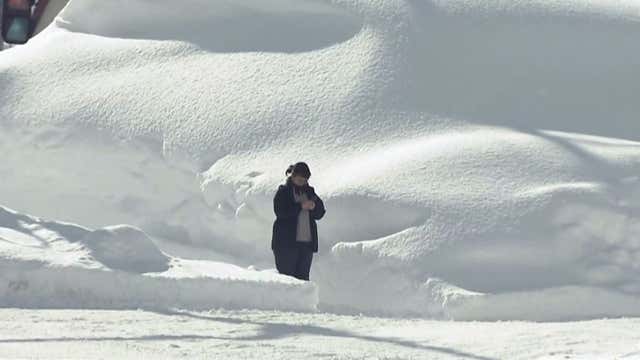
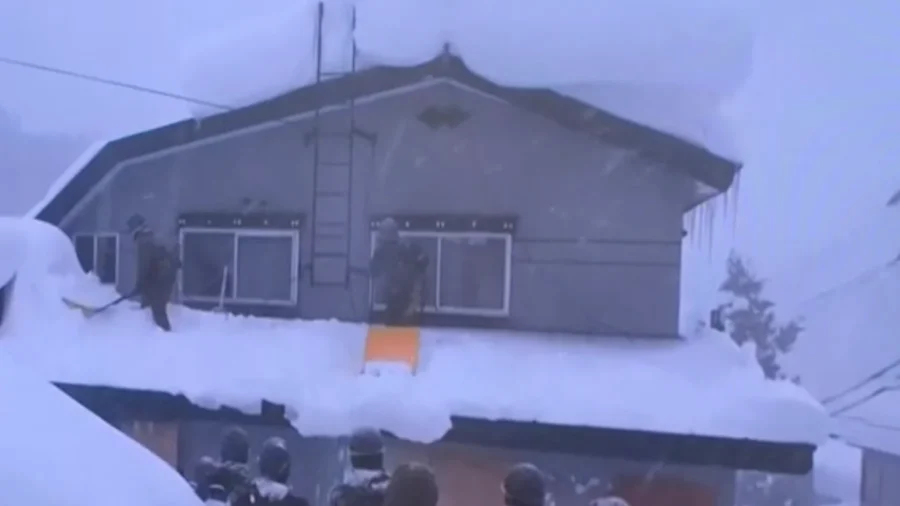
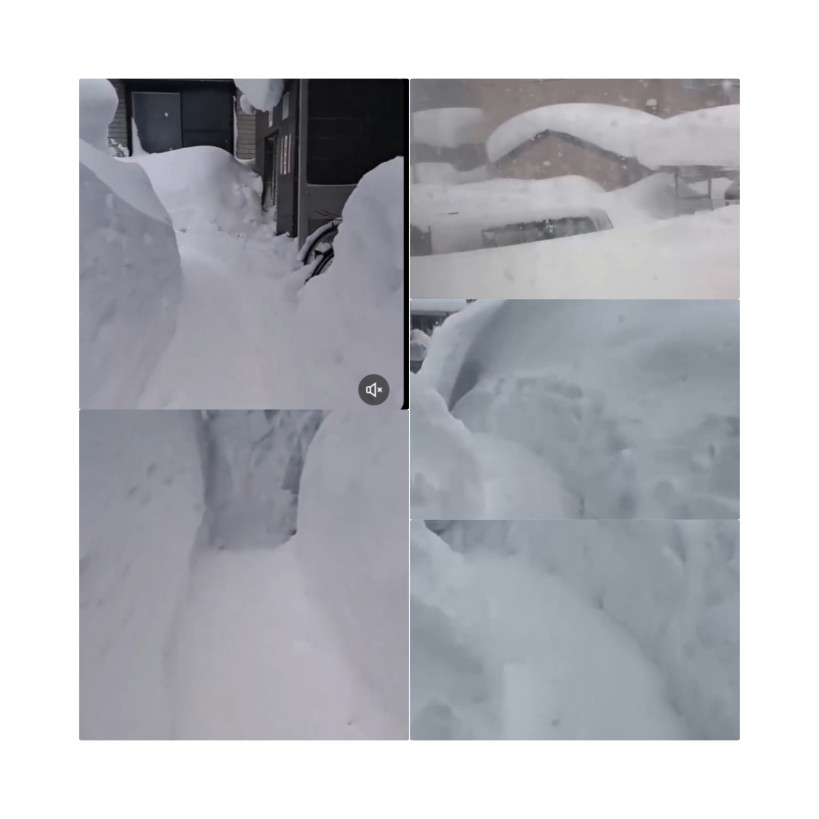
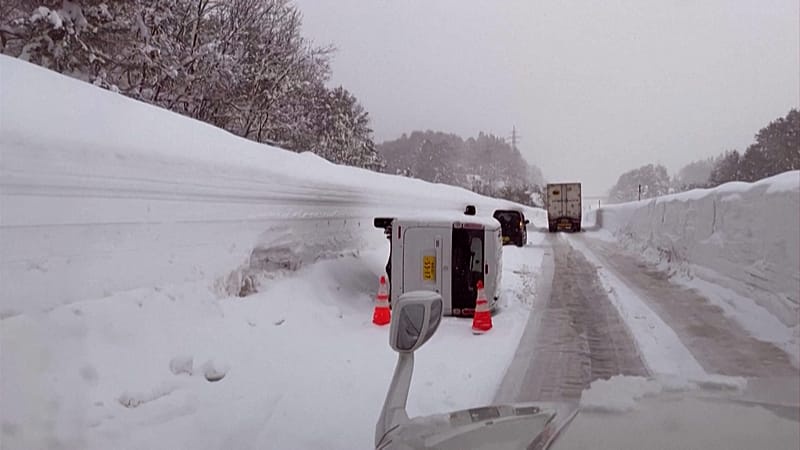
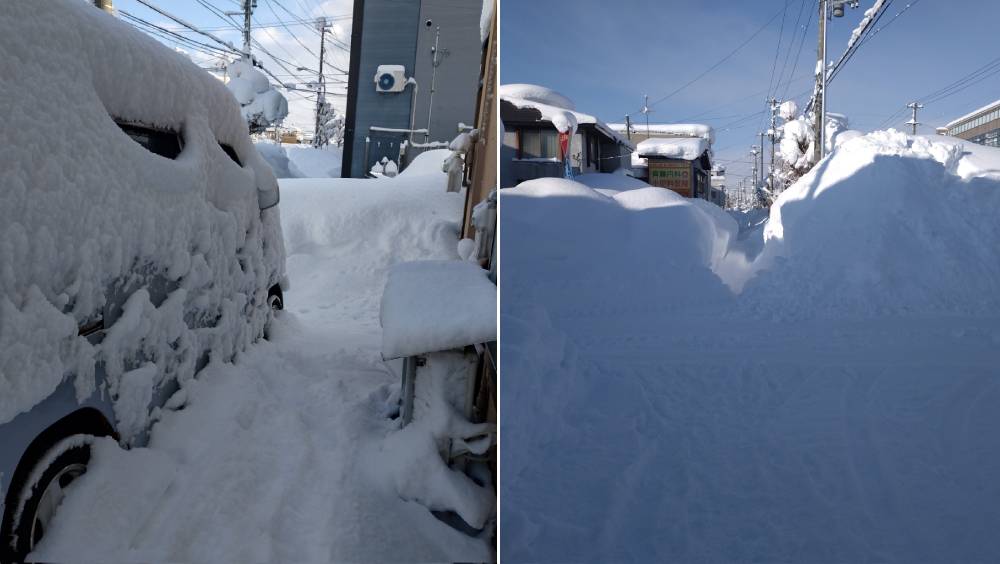
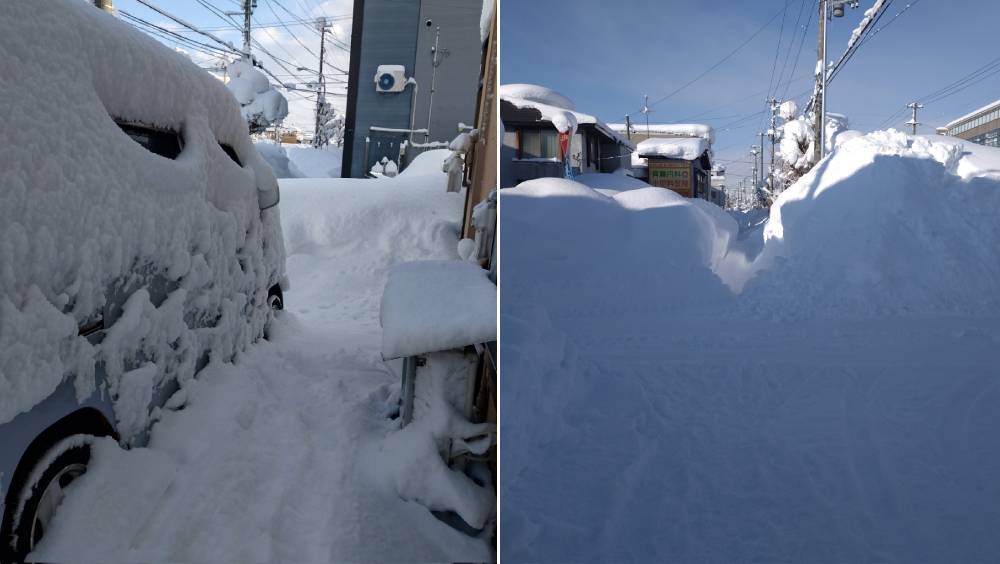
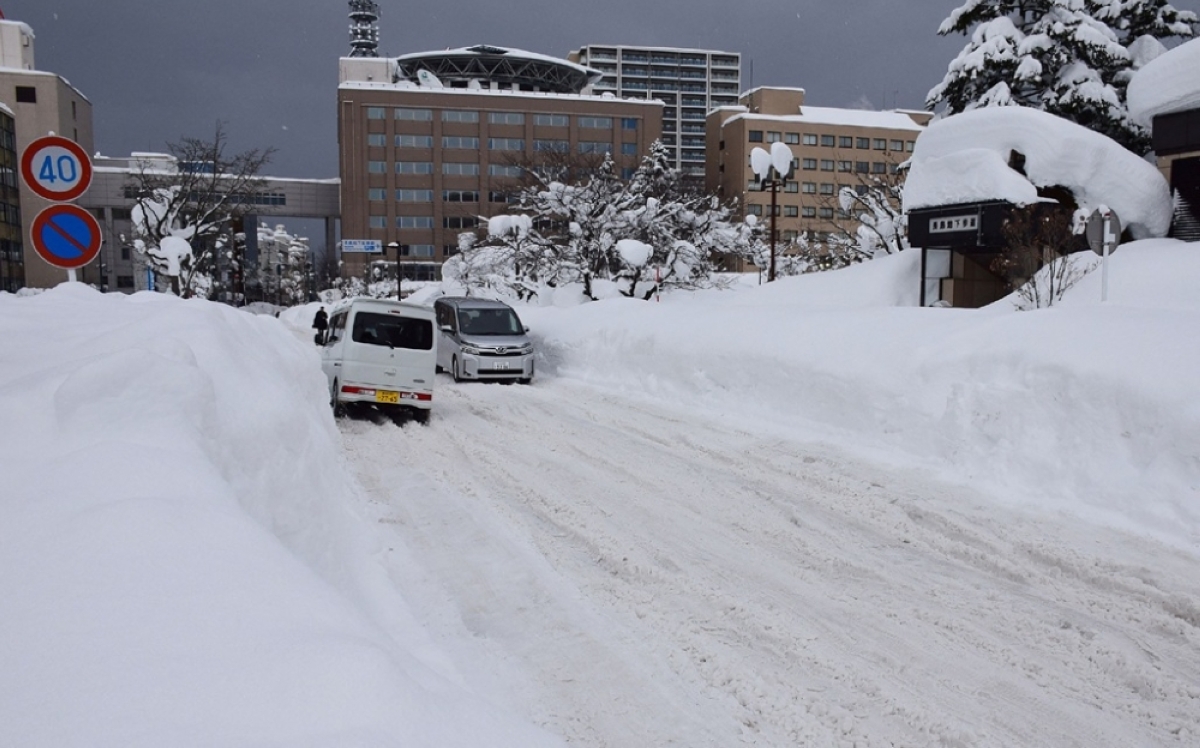
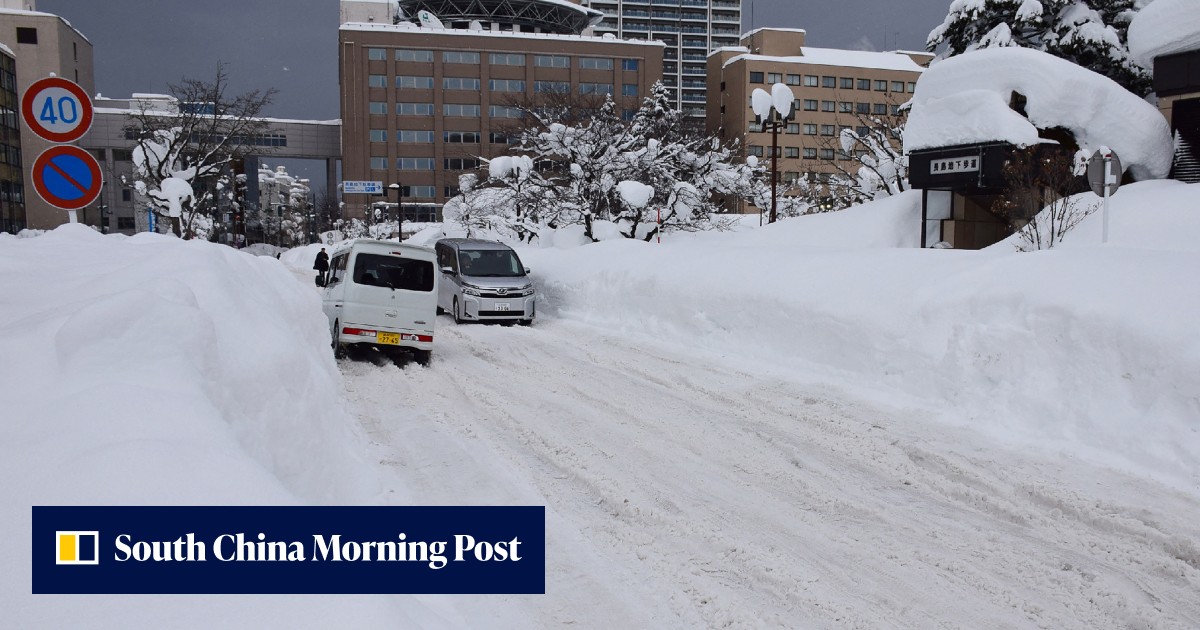
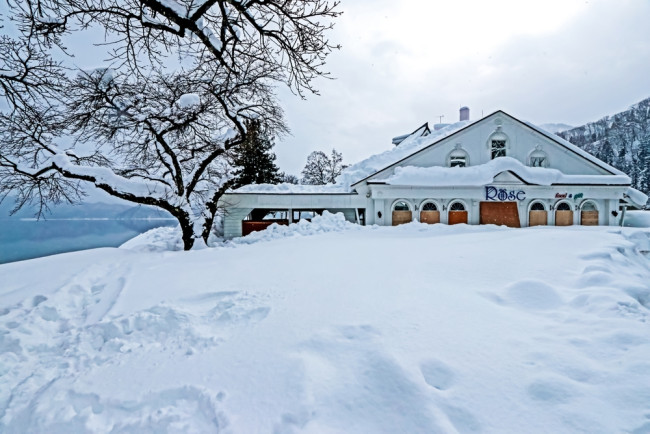
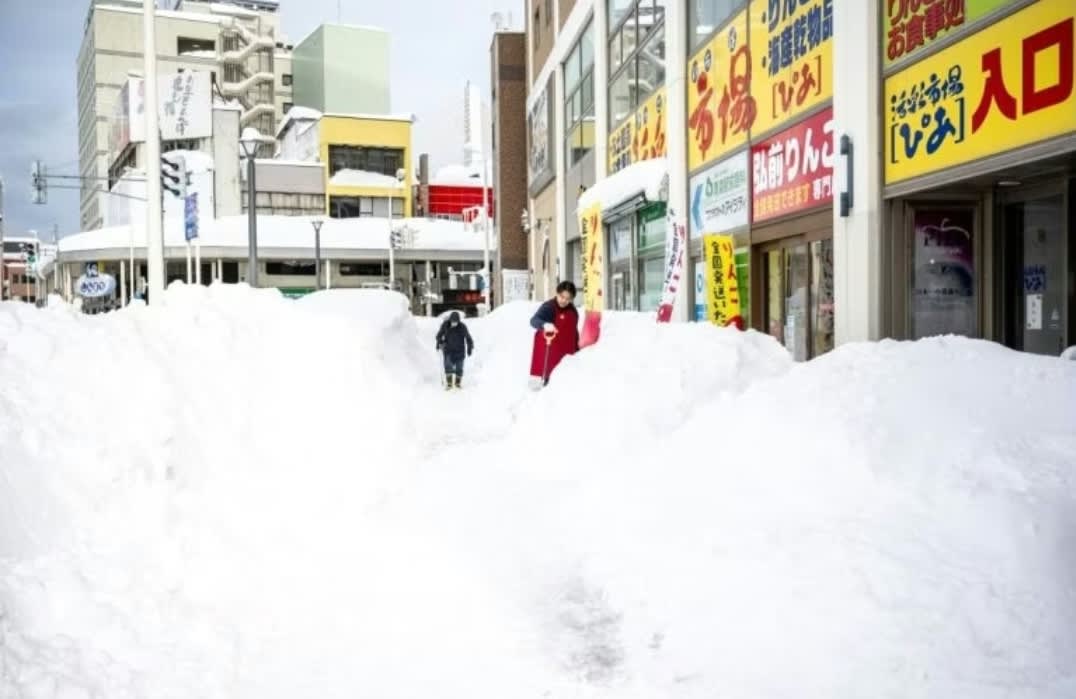
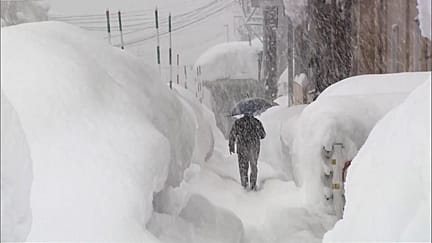
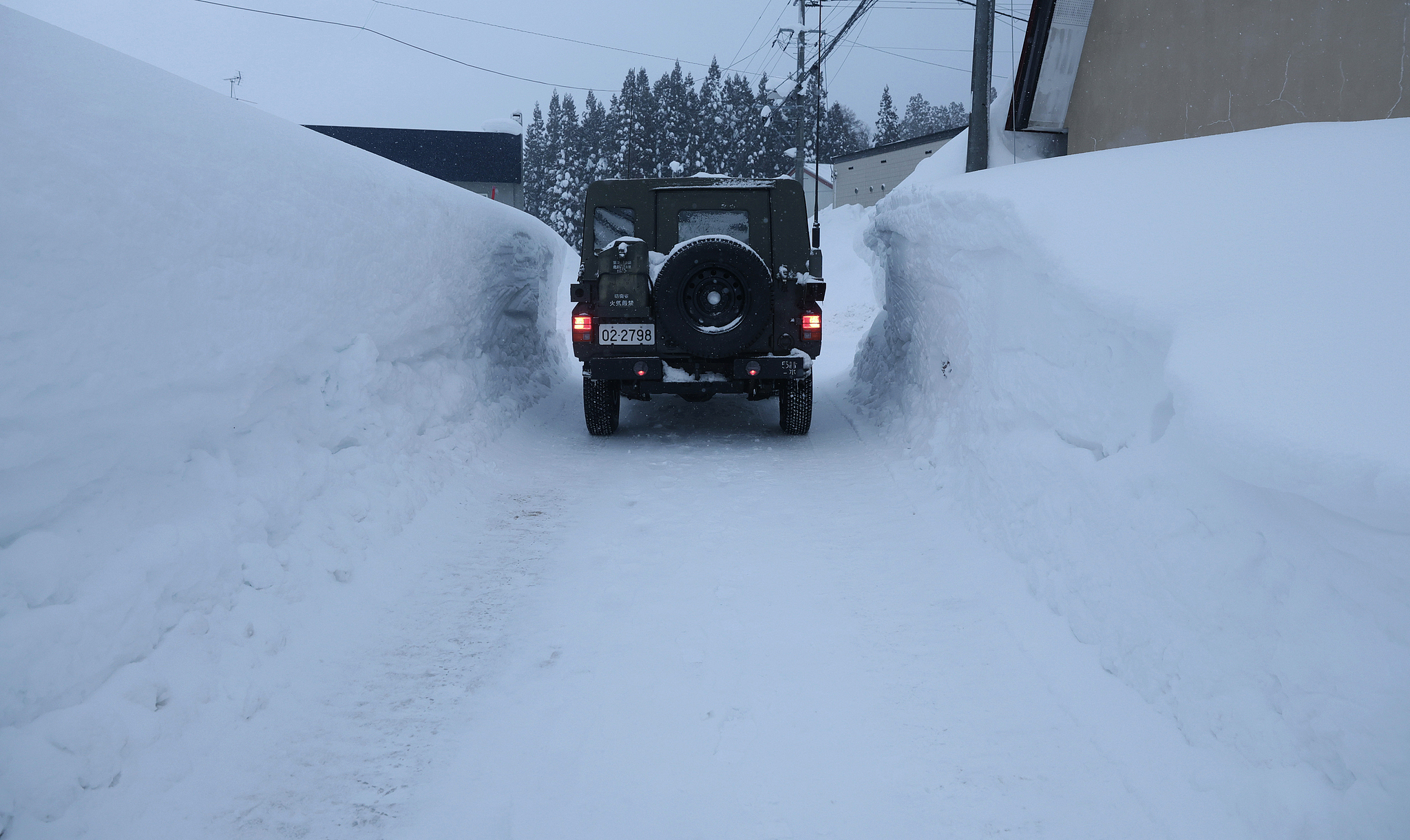
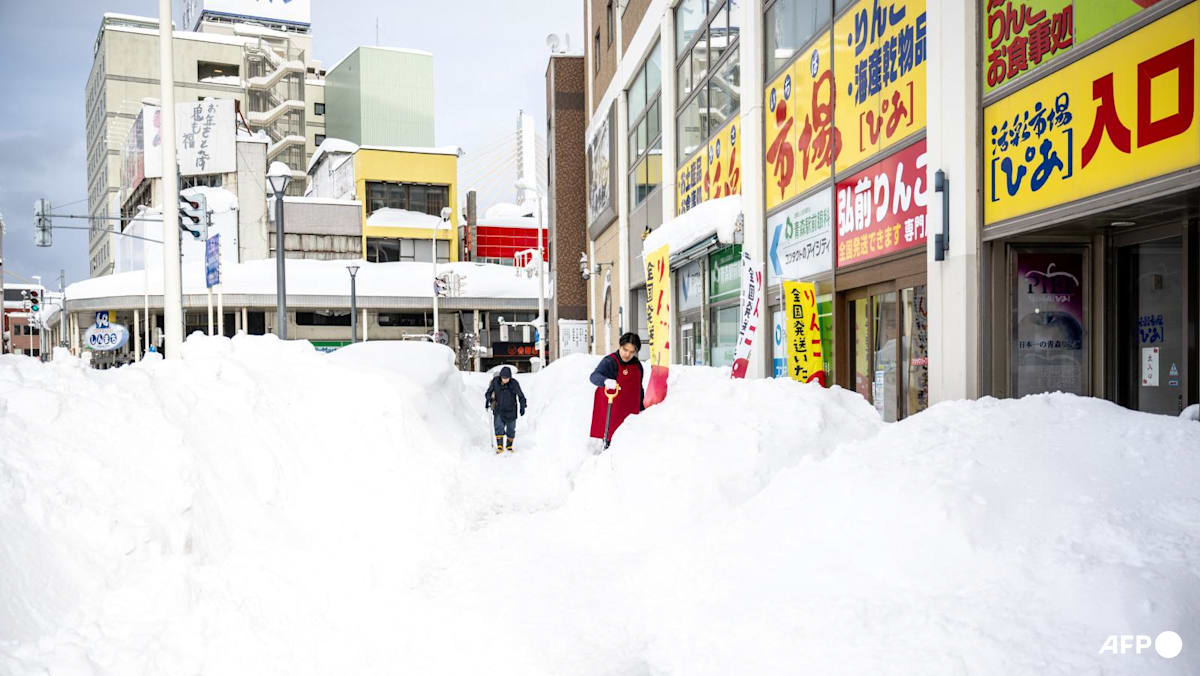
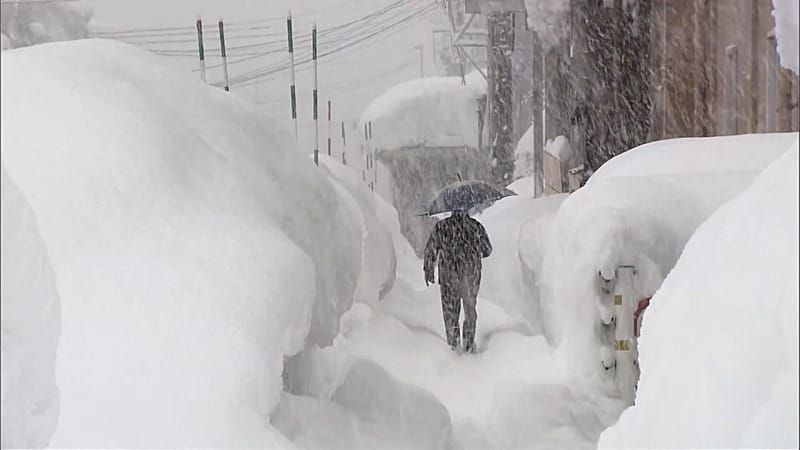
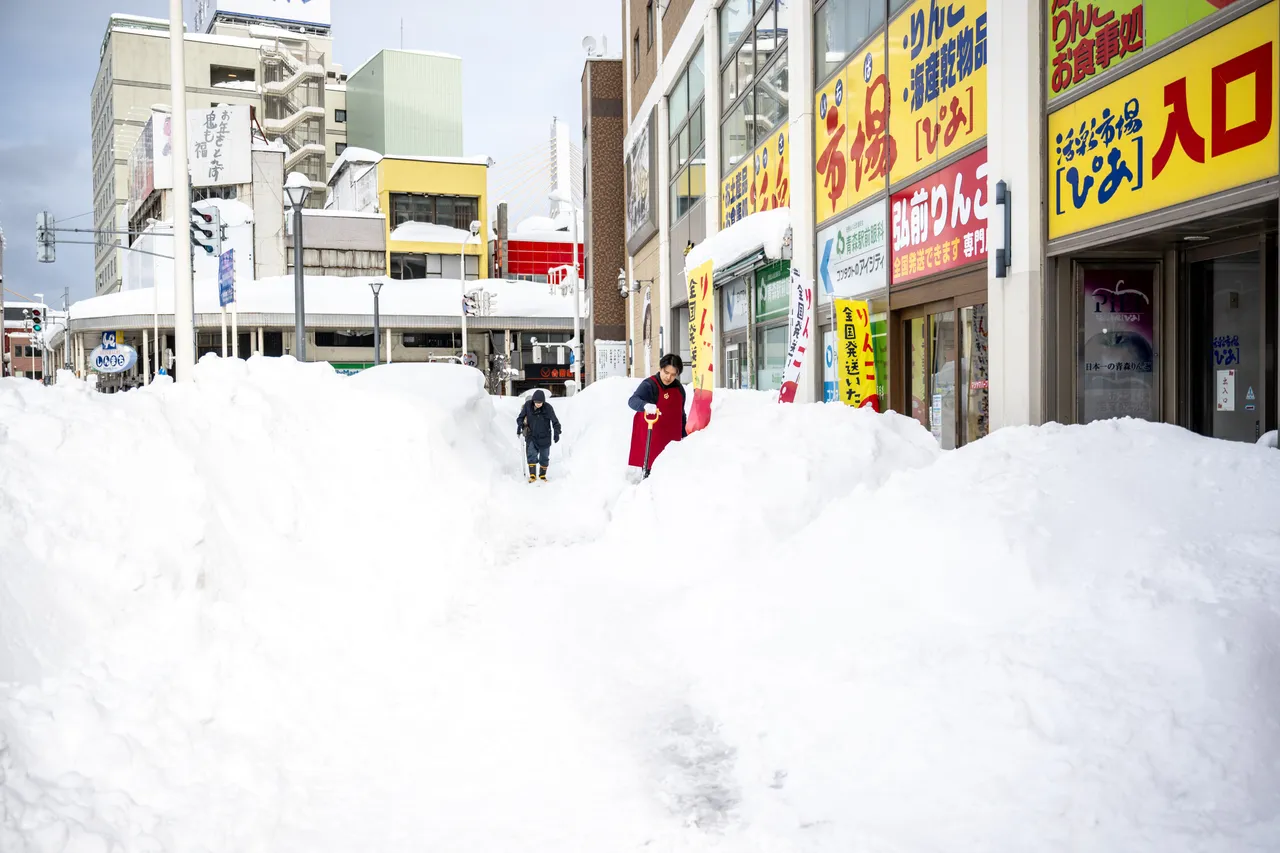
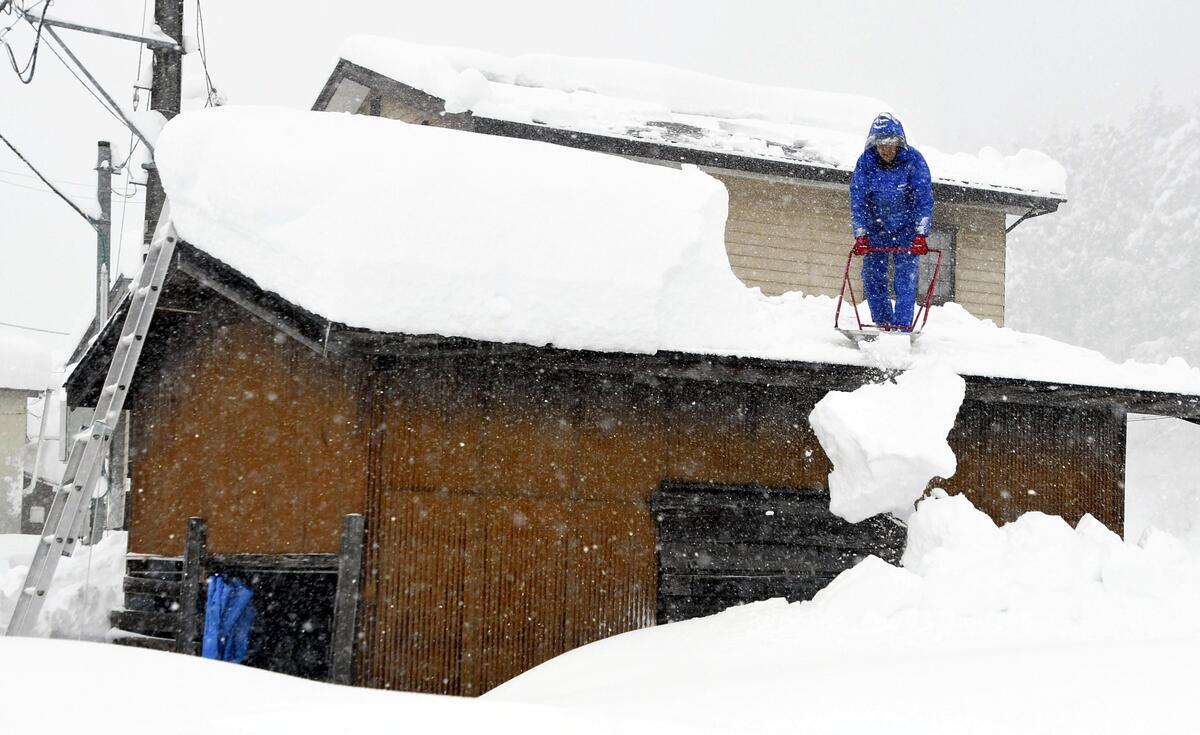
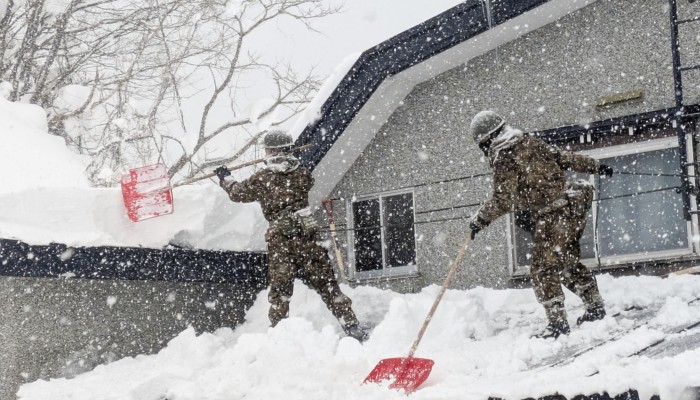
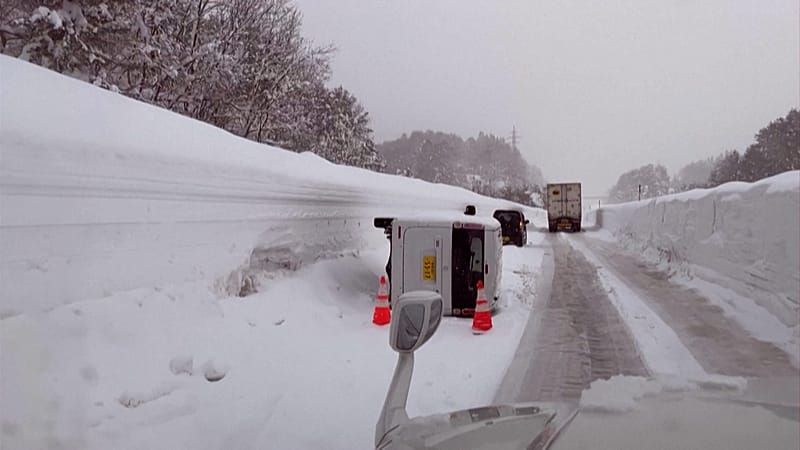
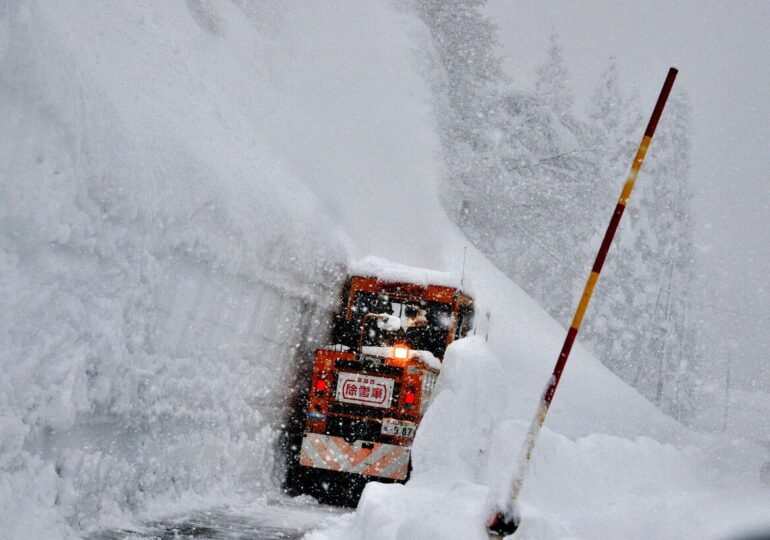
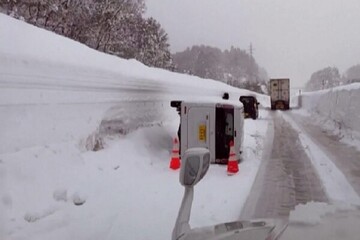
Japan is experiencing unprecedented winter weather disruptions from January 20 through February 3, 2026, with record-breaking snowfall creating critical operational challenges for cross-border e-commerce sellers. The northern city of Aomori recorded 183cm of snow accumulation—breaking a 40-year record—while Hokkaido's main airport faced temporary closure and 1,000 snow plows mobilized across 2,300 miles of roads. These conditions directly impact sellers relying on Amazon Japan FBA fulfillment centers, domestic 3PL providers, and logistics networks in northern prefectures including Hokkaido, Niigata, Akita, and Aomori.
Operational Impact on Seller Fulfillment: Sellers using Japanese fulfillment centers face 2-3 week shipping delays in affected regions due to highway closures, train service disruptions, and power outages affecting warehouse inventory management systems. The Fire and Disaster Management Agency reported 30+ deaths and 290 injuries, indicating infrastructure strain that extends beyond weather clearing to emergency response resource allocation. Hokkaido-based 3PL facilities and Amazon FBA warehouses in Sapporo are operating at reduced capacity, with power outages creating inventory tracking risks. Sellers shipping 500+ units monthly through northern Japan distribution networks should expect fulfillment delays and potential customer complaints regarding delivery SLAs. The parliamentary snap election scheduled for February 8 adds uncertainty to government resource allocation and infrastructure recovery timelines.
Product Opportunity & Consumer Behavior Shift: This crisis creates immediate demand for winter emergency products—snow removal equipment, heating supplies, emergency kits, and roof maintenance tools—particularly in affected prefectures. Japanese consumers in snow-heavy regions typically increase purchases of winter safety products 40-60% during severe weather events. Sellers stocking snow shovels, roof rakes, heating fuel, emergency blankets, and portable heaters can capitalize on this 2-4 week demand spike. Additionally, the election disruption and travel hazards may shift consumer behavior toward online shopping for essential goods, potentially increasing conversion rates for home delivery categories by 15-25% in northern regions through mid-February.
Strategic Seller Actions: Diversify fulfillment away from northern Japan warehouses; communicate proactively with 3PL partners regarding delay expectations; consider temporary price adjustments for expedited shipping to manage customer expectations; monitor Rakuten and Amazon Japan platform announcements for fulfillment policy adjustments; and stock winter-related products to capture emergency demand. Sellers should also prepare contingency messaging for customers regarding delivery delays and consider offering partial refunds or credits for orders affected by the weather crisis.
问题 8
What long-term supply chain strategies should sellers implement for Japan operations?
Implement multi-region fulfillment redundancy: maintain fulfillment partnerships across Hokkaido, Kanto (Tokyo), Kansai (Osaka), and Kyushu regions to distribute weather risk. Negotiate force majeure clauses with 3PL providers guaranteeing backup capacity during natural disasters. Invest in inventory management systems with real-time warehouse monitoring to detect power outages and disruptions immediately. Develop seasonal inventory strategies—reducing northern Japan stock January-March. Consider Amazon Japan's multi-warehouse fulfillment options to automatically distribute inventory across safer regions. Build 2-3 week buffer stock for high-velocity items to absorb logistics disruptions without stockouts.
How can sellers communicate delivery delays to customers without losing sales?
Proactive communication is critical: (1) Update product listings immediately with revised delivery estimates (+5-7 days through February 3); (2) Send automated emails to customers with pending orders explaining weather delays and revised timelines; (3) Offer partial refunds (5-10%) or account credits for affected orders to maintain goodwill; (4) Provide tracking transparency showing weather-related delays; (5) Highlight winter product alternatives with faster delivery. Sellers who communicate transparently typically retain 85-90% of customers despite delays, versus 40-50% for those who remain silent. Use this crisis as opportunity to build customer loyalty through exceptional communication.