


PepsiCo Slashes Snack Prices 15% | Super Bowl Demand Surge Opportunity for Sellers
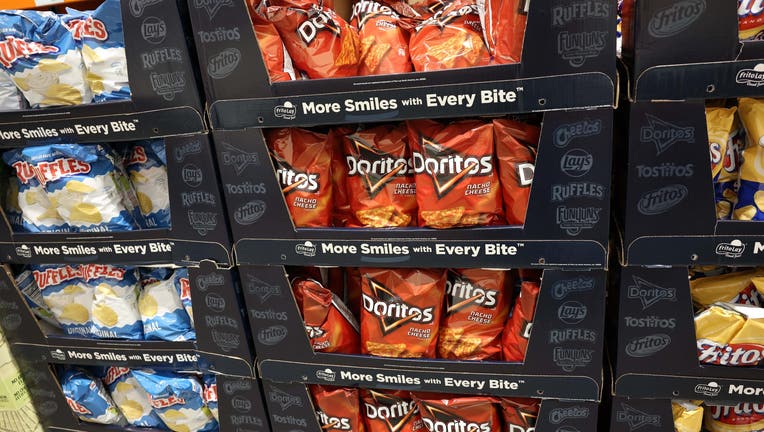
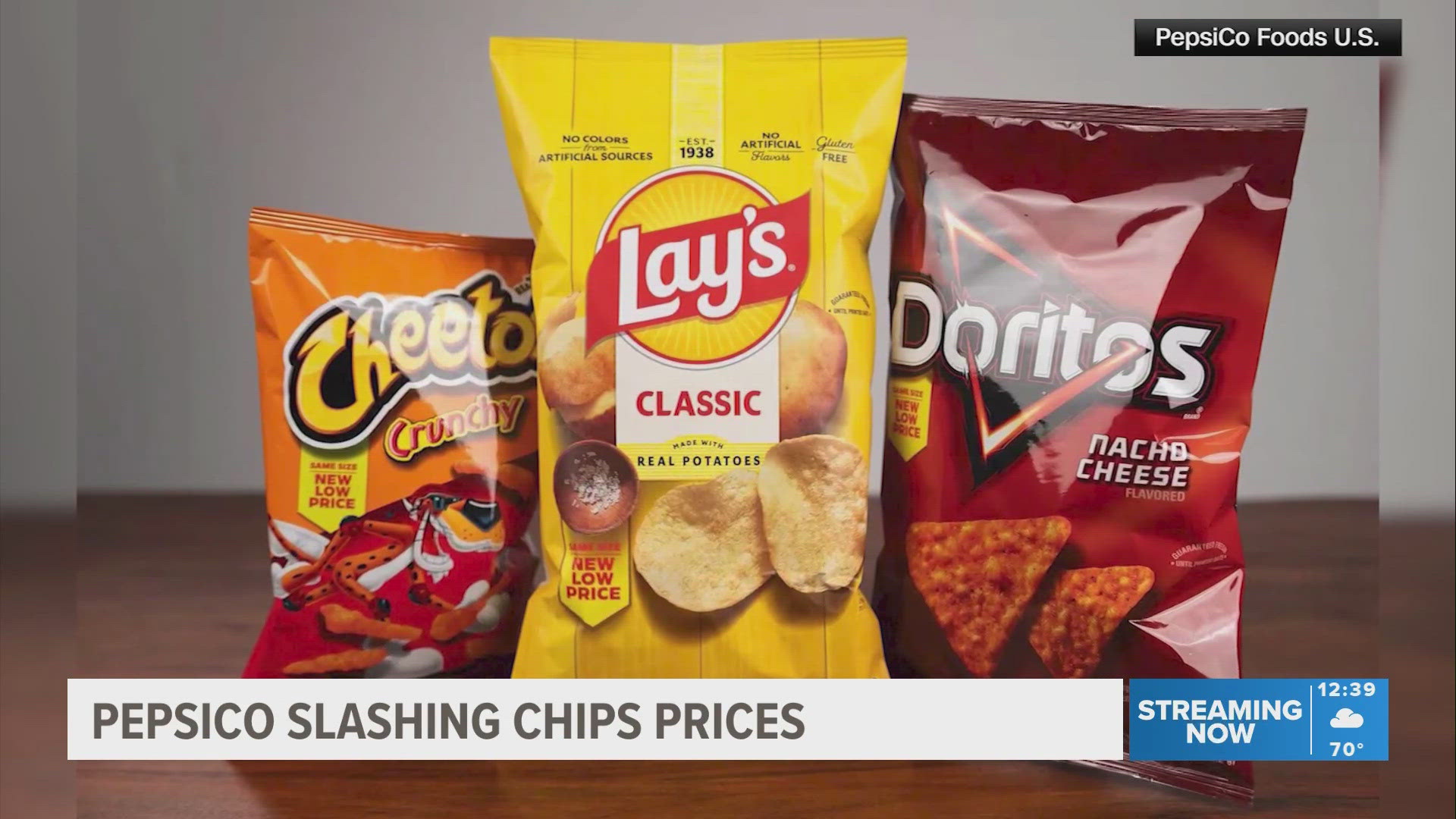
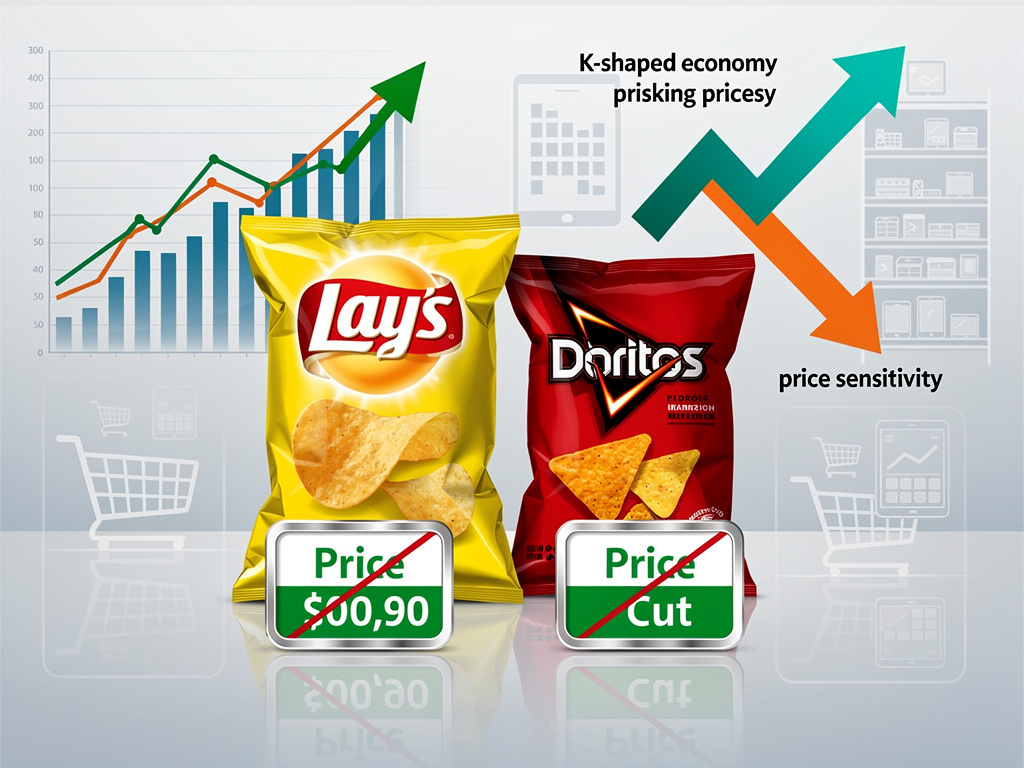
- Up to 15% price reduction on Lay's, Doritos, Cheetos, Tostitos effective Feb 3, 2026; grocery inflation at 2.4% annually creates margin compression for resellers but signals peak consumer demand window










概览
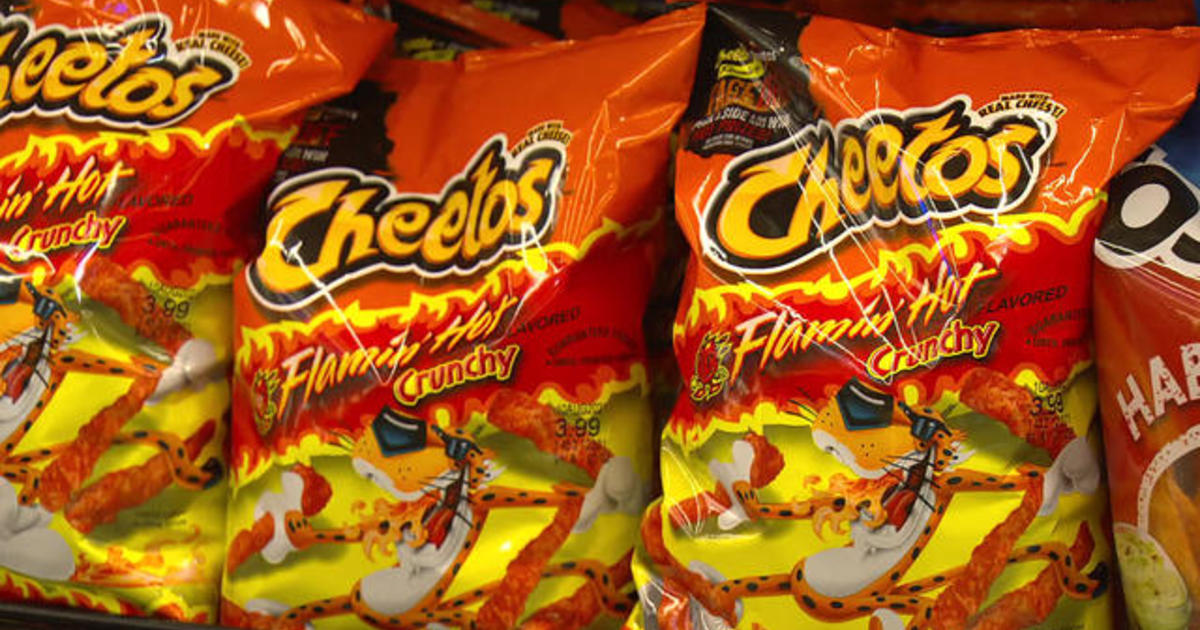
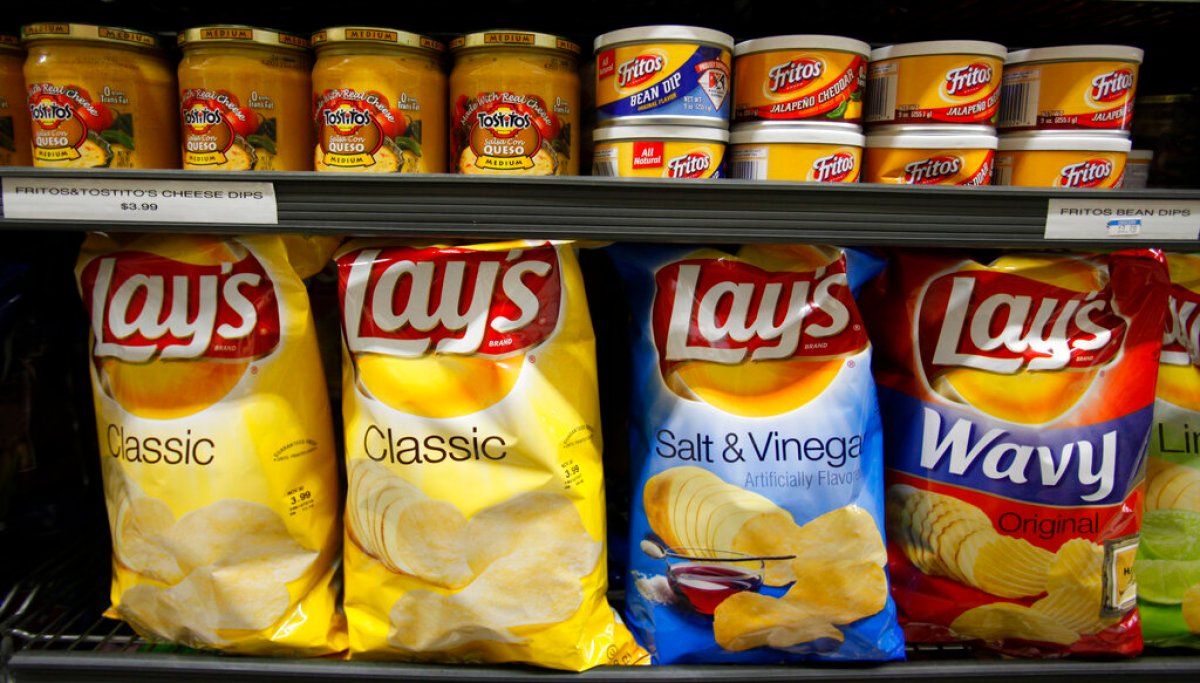
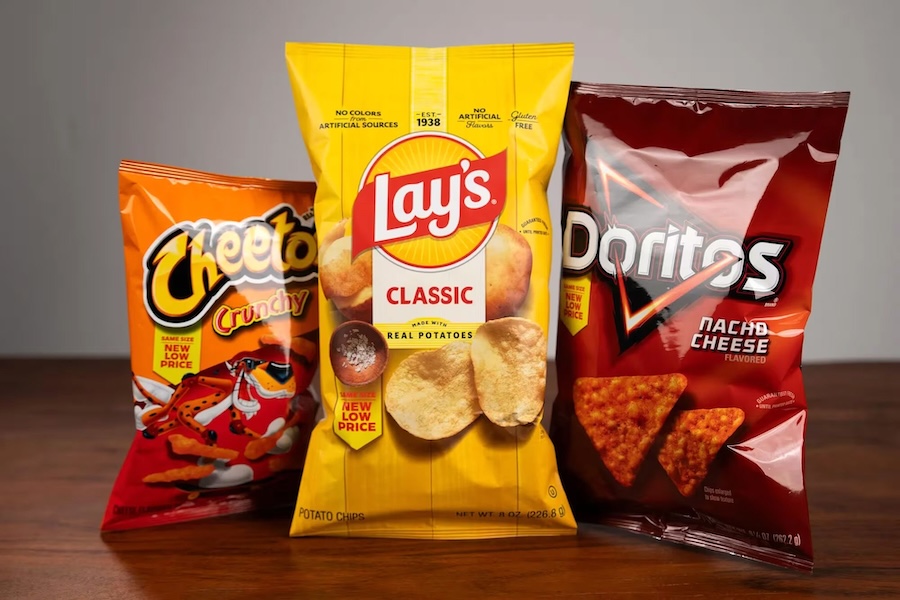
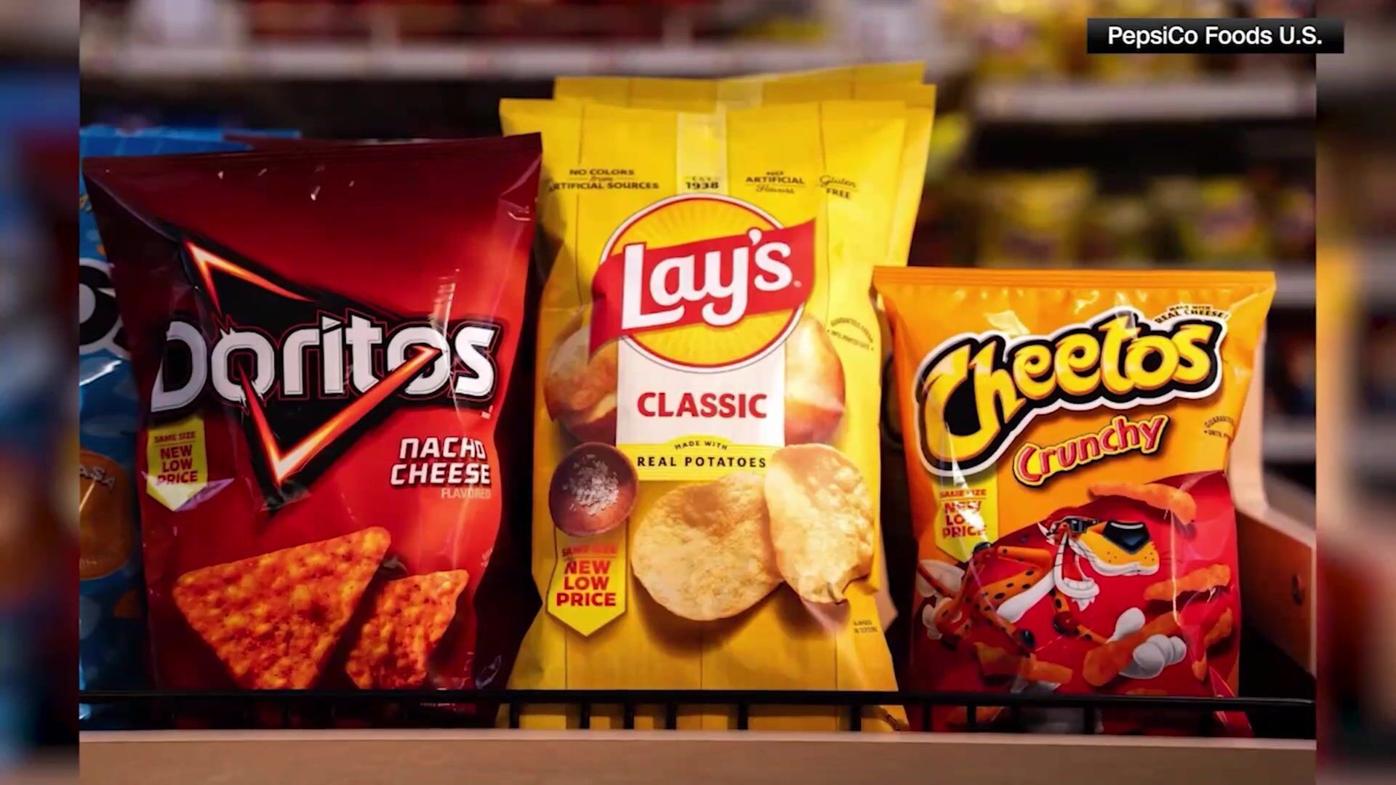
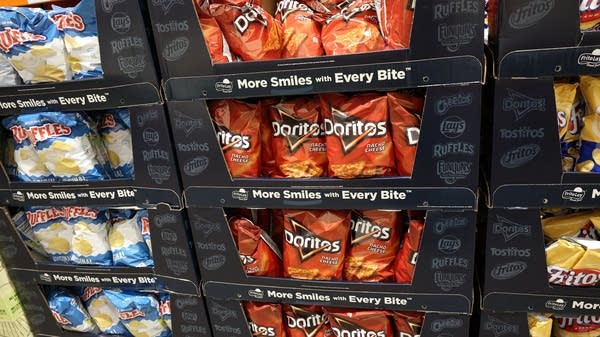
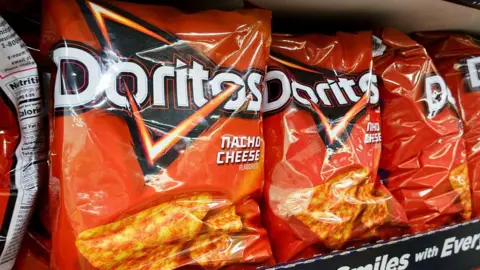
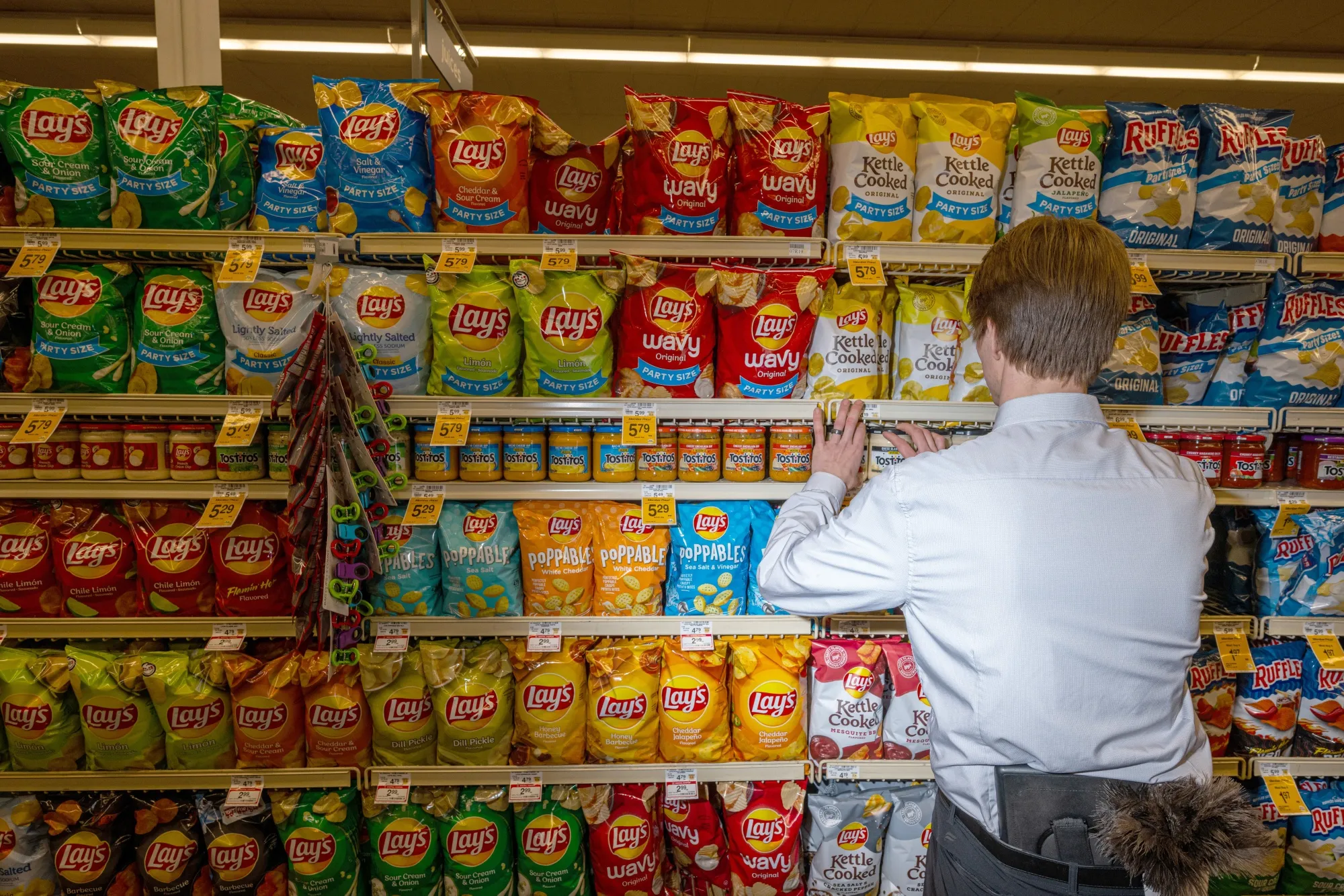
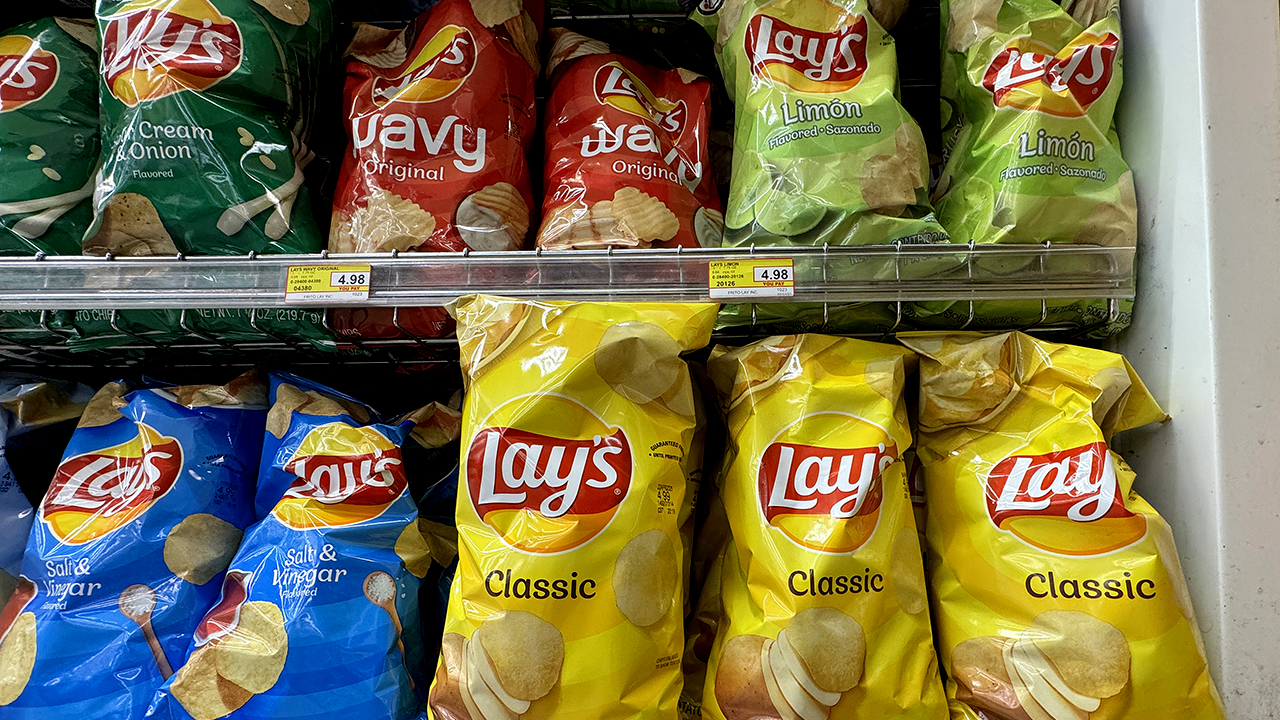
PepsiCo's strategic 15% price reduction on flagship snack brands—Lay's, Doritos, Cheetos, and Tostitos—rolled out February 3, 2026, ahead of Super Bowl season, representing a critical market shift for e-commerce sellers. The announcement follows sustained consumer backlash over elevated food prices, with grocery inflation remaining at 2.4% annually despite cooling general inflation. CEO Rachel Ferdinando emphasized the company received "influx of consumer messages throughout 2025" expressing frustration with pricing, forcing a reassessment of retail strategy. While PepsiCo sets suggested retail prices, individual retailers determine final shelf prices, creating arbitrage opportunities for sellers who can source at lower wholesale costs.
For cross-border e-commerce sellers, this development presents dual opportunities and challenges. Sellers importing PepsiCo snack products into international markets may benefit from lower wholesale acquisition costs, potentially improving margins by 8-12% or enabling competitive pricing to capture market share. The timing coincides with peak snacking occasions—Super Bowl (February 9, 2026) drives estimated $1.4B in snack category sales—suggesting retailers should anticipate 25-40% demand increases during this promotional window. However, the announcement reflects broader consumer sensitivity to food price inflation, indicating that sellers must monitor competitive pricing closely and adjust promotional calendars accordingly.
The strategic pivot demonstrates how major CPG manufacturers respond to sustained price resistance, balancing profitability with market accessibility. PepsiCo maintained product quality and package sizes while removing artificial flavors and colors from select products, signaling that value-conscious consumers still prioritize quality. The company's stock rose 13% year-to-date at announcement, suggesting investor confidence despite margin compression. For sellers, this indicates strong consumer demand fundamentals—the market is expanding, not contracting. Sellers utilizing these products should leverage lower suggested prices for competitive advantage in Amazon, Walmart, and specialty food marketplaces, adjusting inventory levels upward to capture the Super Bowl demand surge. The broader context reveals that grocery price sensitivity will remain elevated through 2026, requiring sellers to maintain competitive positioning while managing margin pressure from wholesale cost fluctuations.
问题 8
How does PepsiCo's stock performance signal market confidence in this strategy?
PepsiCo shares were up 13% year-to-date at announcement, suggesting investor confidence in the company's strategic direction despite margin compression from price reductions. This indicates strong underlying demand fundamentals—the market is expanding, not contracting. For sellers, this signals that consumer spending on snacks remains robust and that the category will support healthy sales volumes through 2026. The stock performance validates that PepsiCo's value-focused approach (maintaining quality while reducing prices) resonates with both consumers and investors, supporting long-term demand stability for sellers relying on these products.
Which e-commerce platforms offer the best opportunities for snack sales during this period?
Amazon represents the largest opportunity, with grocery and snacks categories generating significant volume during Super Bowl season. Walmart's grocery platform and specialty food marketplaces (Instacart, Amazon Fresh) also see elevated snack demand. eBay's wholesale and bulk categories attract bulk buyers preparing for Super Bowl parties. Consider multi-channel strategy: list on Amazon FBA for Prime shipping advantage, Walmart for price-conscious shoppers, and specialty platforms for niche audiences (organic snacks, international products). Track category BSR (Best Seller Rank) trends on Amazon to identify which specific snack products are trending highest during this period.