




Tech Stock Volatility & AI Disruption Impact on E-Commerce Platform Investment Priorities
- Shopify, PayPal, and Amazon face investor pressure amid AI competition; sellers should monitor platform feature development and potential fee restructuring in 2026


































概览
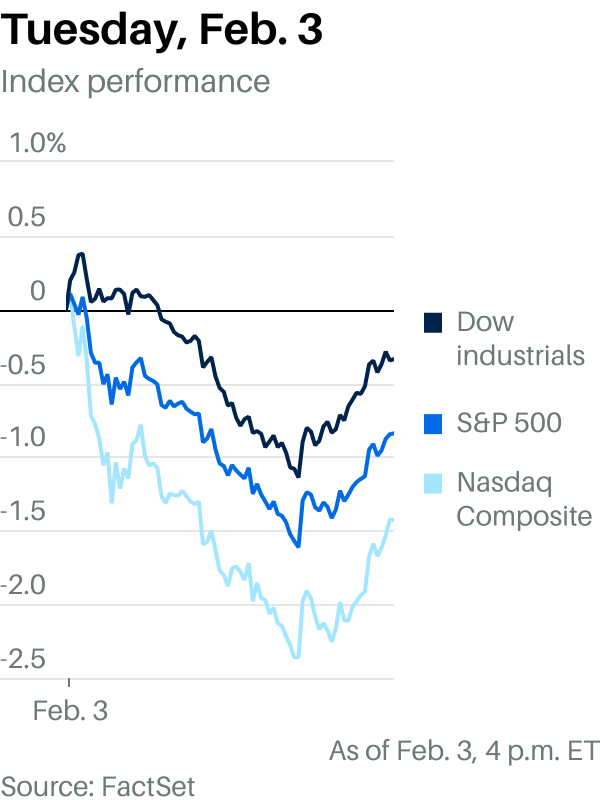
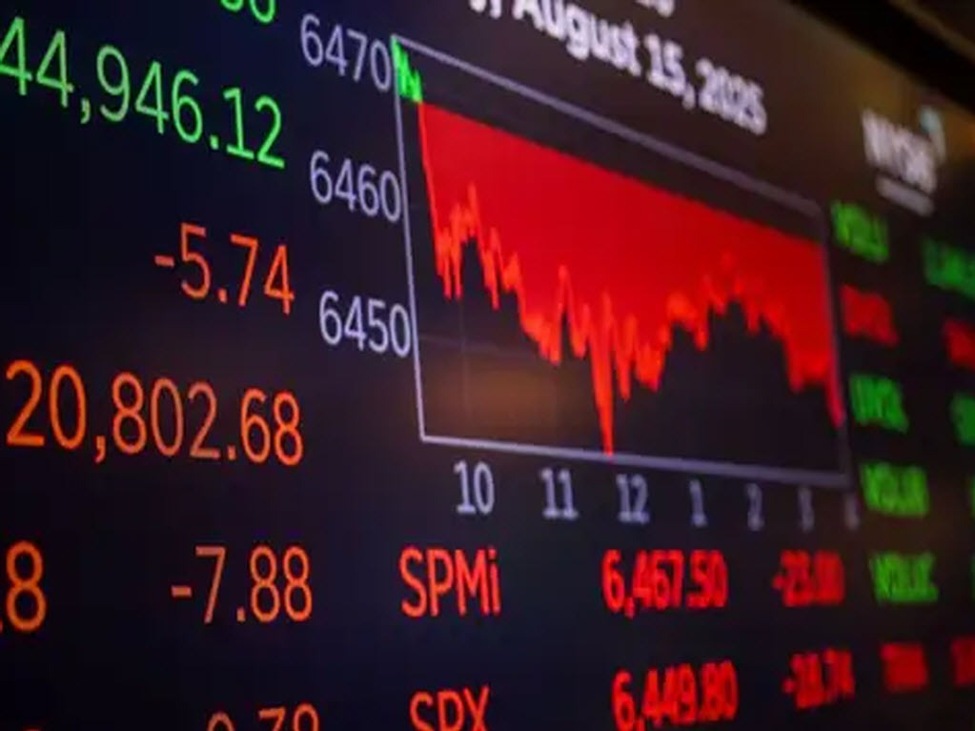
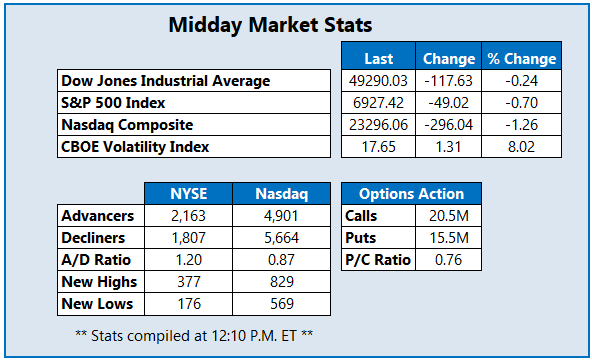
The technology sector experienced significant market turbulence in February 2026 and November 2024, with cascading implications for e-commerce sellers relying on platform infrastructure. On February 3, 2026, the Nasdaq Composite fell 1.4%, the S&P 500 declined 0.8%, and the Dow Jones dropped 0.3% as investors digested earnings reports revealing concerns about AI spending efficiency and market saturation. Major technology companies including Nvidia (down 2.8%), Microsoft, and Amazon experienced declines amid questions about artificial intelligence ROI and chip supply negotiations between Nvidia and OpenAI. More critically for sellers, PayPal's stock tumbled over 20% after missing earnings estimates and announcing new CEO Enrique Lores from HP—signaling potential strategic shifts for a payment processor serving millions of cross-border merchants.
The broader market anxiety intensified following Anthropic's November 2024 launch of AI productivity tools, which triggered a significant selloff in software and SaaS companies. Shopify shares declined notably alongside other e-commerce platforms, while Intuit fell 11% and European software firms RELX and Wolters Kluwer each dropped over 10%. This market reaction reveals investor concerns about AI disruption to traditional software revenue models—a critical signal for sellers because it directly impacts platform investment priorities. When software companies face valuation pressure, they typically reduce discretionary spending on seller-facing features, customer support expansion, and logistics infrastructure improvements. Conversely, platforms may accelerate AI-powered automation tools (like listing optimization, demand forecasting, and customer service chatbots) to reduce operational costs and demonstrate AI competency to investors.
For cross-border e-commerce sellers, these market dynamics create both risks and opportunities. The 20% PayPal decline suggests potential leadership changes could affect payment processing fees, settlement timelines, or fraud protection policies—areas where sellers have limited alternatives. Shopify's stock pressure indicates the platform may prioritize AI-driven automation over expanding seller support services, potentially reducing personalized merchant success resources. However, the market's focus on AI disruption also signals that platforms investing in AI capabilities will attract capital and talent, creating competitive advantages. Sellers using platforms with strong AI roadmaps (Amazon's AI-powered tools, Shopify's emerging features) may gain listing visibility and conversion advantages over competitors. The precious metals surge (gold up 6%, silver up 9%) and oil price increase (2.6% rise) following geopolitical tensions also indicate potential shipping cost volatility—a secondary but important consideration for logistics planning.
Immediate seller actions should focus on three areas: (1) Monitor PayPal's announcements under new CEO Lores for fee changes or service modifications by March 2026; (2) Evaluate platform AI capabilities across Amazon, Shopify, and eBay to identify which tools can improve listing performance and reduce manual workload; (3) Review logistics costs and consider 3PL providers with hedged shipping rates given commodity price volatility. Strategic adjustments over the next 6 months should include diversifying payment processors to reduce PayPal dependency, testing platform-native AI tools for inventory management and customer service, and assessing whether platform investment shifts toward AI automation align with your business model. Risk mitigation requires monitoring quarterly earnings reports from major platforms to identify investment trend changes and potential fee restructuring announcements.
问题 8
What currency risks should sellers monitor given market volatility?
Market volatility and geopolitical tensions (US fighter jet shot down Iranian drone) typically increase currency fluctuation risk. Sellers with significant international revenue exposure should review PayPal's currency conversion rates and consider alternatives like **Wise** (typically 2-3% better rates than PayPal) or **OFX** for bulk transfers. Lock in favorable exchange rates for major currency pairs (EUR/USD, GBP/USD, JPY/USD) through forward contracts if managing $50K+ monthly international revenue. Monitor central bank policy announcements, as rate hikes/cuts directly affect currency valuations. Consider pricing products in USD or local currencies rather than relying on dynamic conversion to reduce exposure to daily fluctuations.
How should sellers prepare for potential PayPal and Shopify strategic changes?
Both PayPal and Shopify face investor pressure to demonstrate AI competency and cost efficiency, suggesting strategic changes are likely within 6-12 months. For PayPal, prepare by: (1) documenting your current fee structure and settlement terms by January 2026; (2) testing alternative payment processors (Stripe, Square, 2Checkout) with 5-10% of transactions; (3) monitoring PayPal's earnings calls for fee change announcements. For Shopify, prepare by: (1) auditing your current app ecosystem and identifying which apps could be replaced by native AI features; (2) testing Shopify's new AI tools as they launch; (3) evaluating alternative platforms (WooCommerce, BigCommerce) if Shopify's pricing increases exceed 15%. Create a contingency plan to migrate to alternative platforms within 30 days if fee increases become unmanageable. Document all customer data, product listings, and order history to facilitate quick migration if needed.