


European Social Media Age Bans Eliminate Gen Z Marketing Channel | Seller Strategy Shift Required
- Spain joins Australia, France, Denmark in under-16 social media restrictions; 6-nation European coalition coordinating enforcement; sellers targeting Gen Z face 25-40% audience loss on TikTok, Instagram, Snapchat; criminal liability for platform executives accelerates policy changes affecting seller accounts


















概览
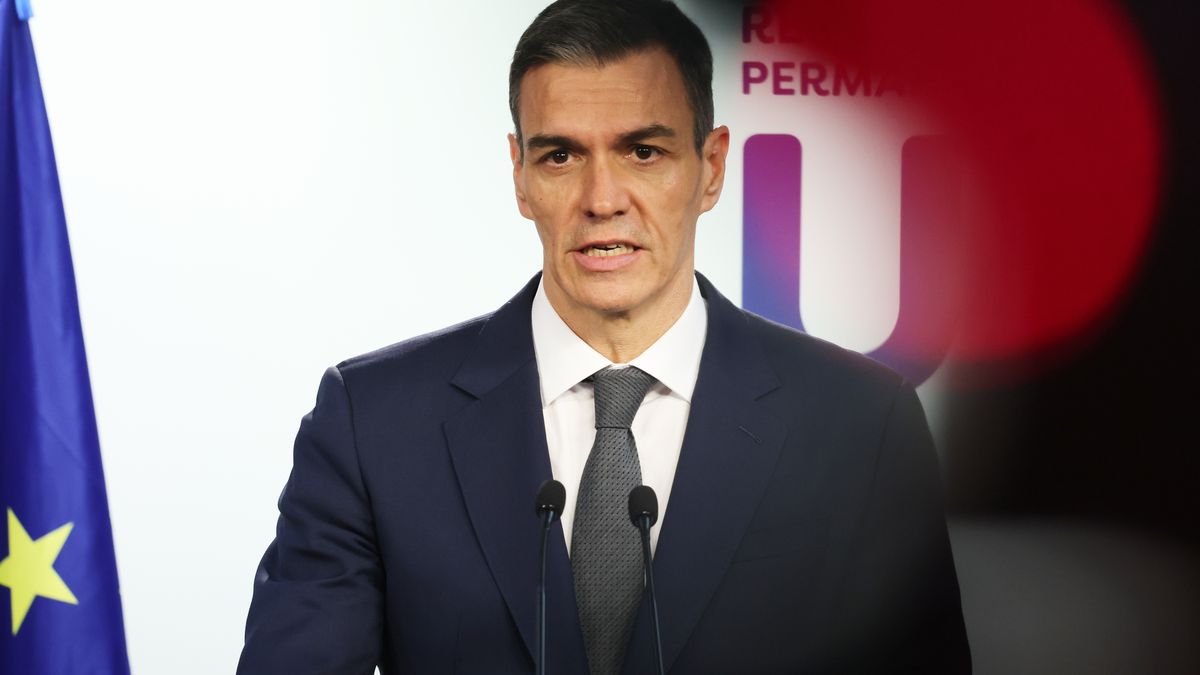
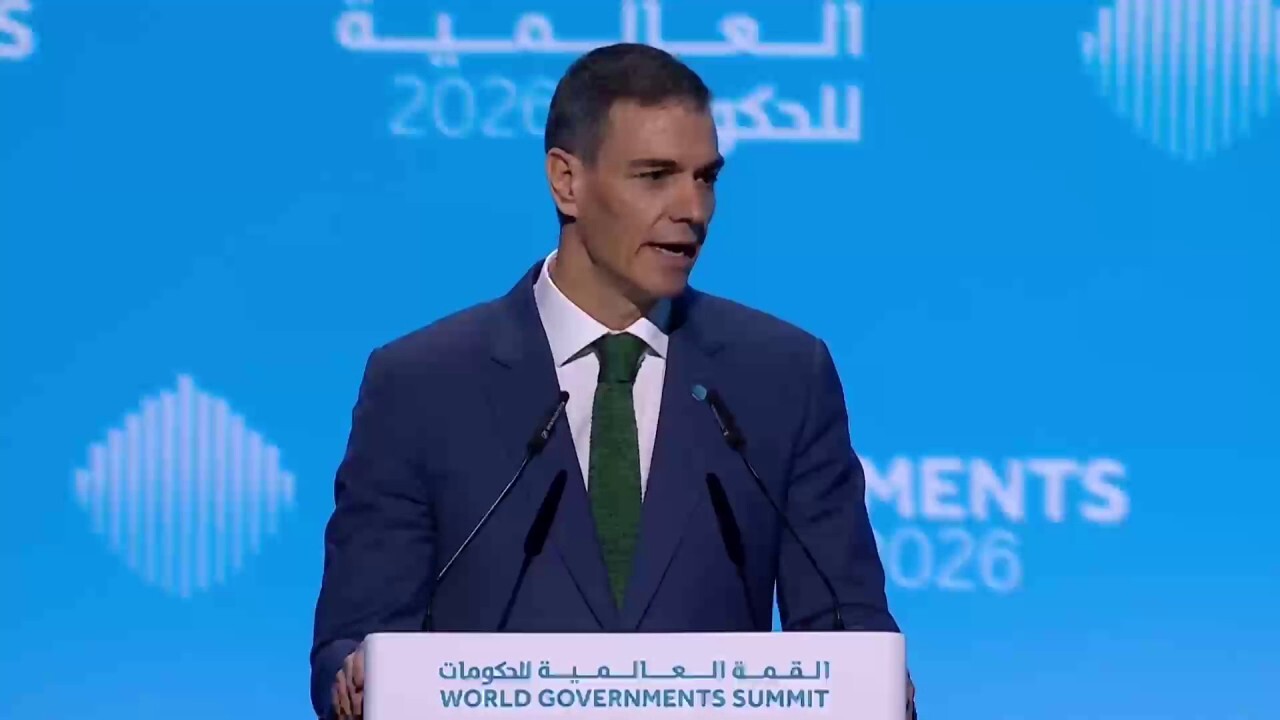
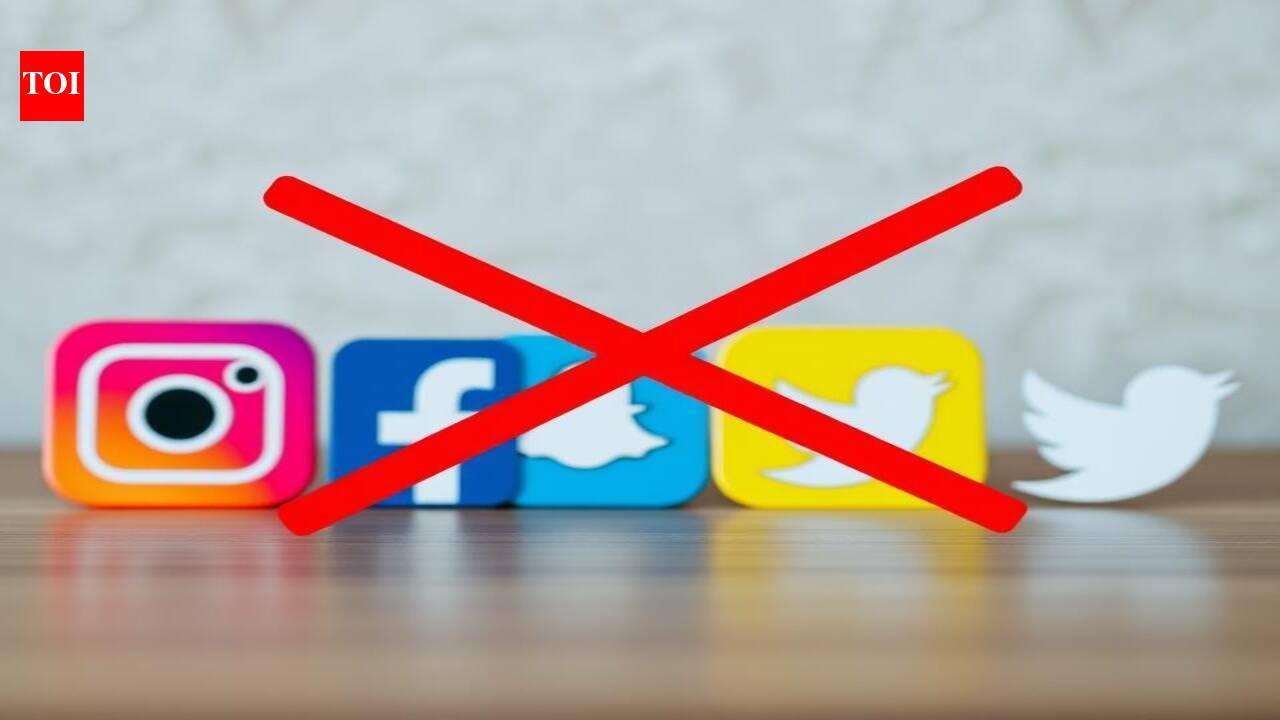
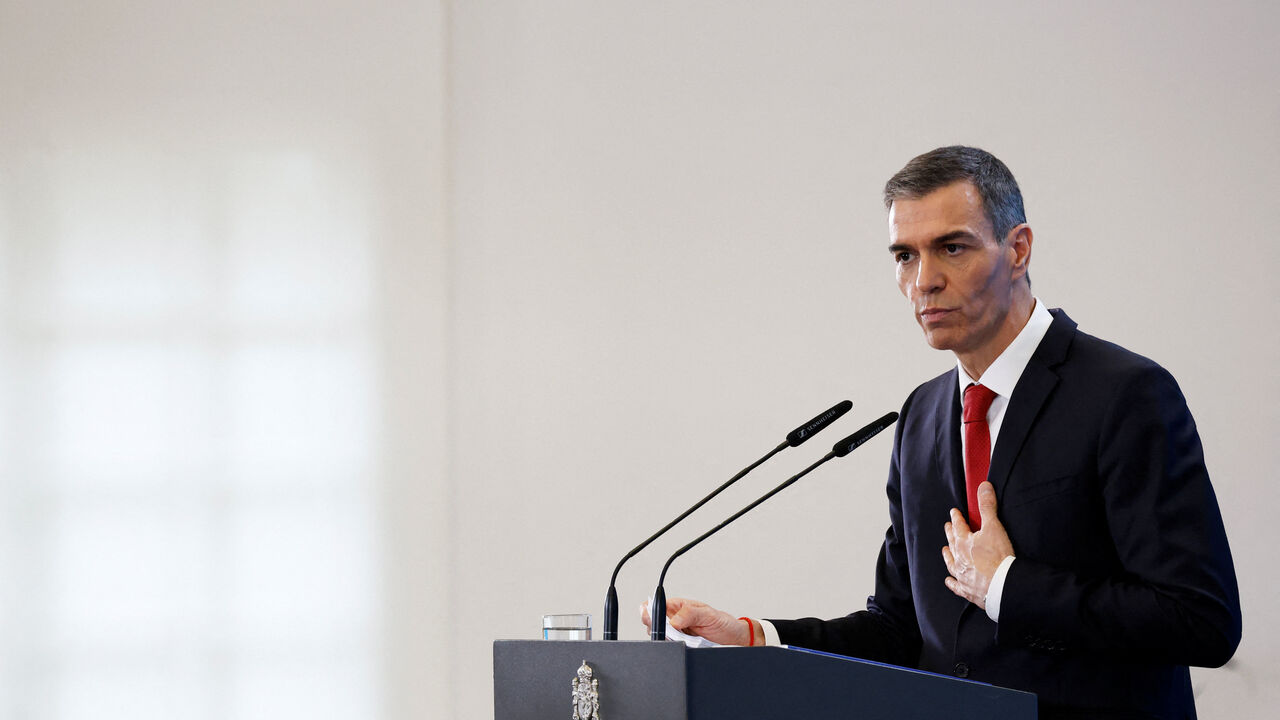
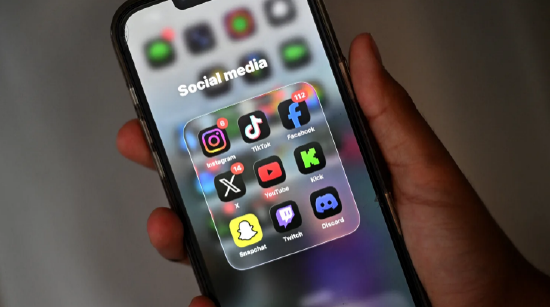
Spain's announcement on February 3, 2026, of a comprehensive ban on social media access for users under 16 represents a seismic shift in digital commerce marketing strategy across Europe. Prime Minister Pedro Sánchez revealed that Spain has coordinated with five additional European nations to enforce stricter social media regulation, with the legislative process beginning immediately. This regulatory movement follows Australia's December 2025 implementation restricting access to 10 platforms including Facebook, TikTok, Instagram, Snapchat, and X, while France and Denmark have announced similar restrictions targeting under-15s. The Spanish legislation mandates strict age verification tools, introduces criminal liability for platform executives failing to remove illegal content, and criminalizes algorithmic manipulation—a significant escalation beyond traditional regulatory fines.
For cross-border e-commerce sellers, this represents a fundamental restructuring of European marketing channels. Sellers relying on social media marketing to European audiences, particularly those targeting Gen Z consumers (ages 13-24), face immediate audience reduction of 25-40% on platforms like TikTok and Instagram. The criminal targeting of platform executives signals that enforcement will be aggressive and coordinated across multiple jurisdictions, likely accelerating platform policy changes and content moderation practices that directly affect seller account policies, content guidelines, and algorithmic visibility. The European coalition approach creates uniform compliance requirements rather than fragmented national rules, which standardizes operational complexity but increases overall compliance costs for sellers operating across multiple EU markets.
The operational impact extends beyond audience loss to platform algorithm changes and seller account management. As platforms implement age verification systems and face criminal liability investigations, they will likely modify their recommendation algorithms, reduce algorithmic amplification of content, and implement stricter content moderation—all of which compress organic reach for sellers. Sellers targeting younger demographics through lifestyle, fashion, beauty, and gaming categories will experience the most severe impact. The "hate and polarization footprint" system Spain plans to develop will create additional compliance burdens, potentially affecting how sellers can use influencer partnerships, user-generated content, and community engagement features. This regulatory environment reflects growing European skepticism toward major tech platforms' influence on youth, signaling that similar measures will likely expand to other jurisdictions globally.
Strategic seller response requires immediate diversification away from social media dependency. Sellers should allocate marketing budgets toward email marketing (GDPR-compliant), search engine marketing (Google Shopping, Bing), affiliate partnerships with age-appropriate publishers, and direct-to-consumer channels. For sellers currently generating 30-50% of European traffic from social platforms, this represents a critical 6-12 month transition window before regulations fully implement. The criminal liability for executives may accelerate platform policy changes within 90-180 days, creating a first-mover advantage for sellers who establish alternative marketing infrastructure before organic reach compression becomes severe.
问题 8
Which European countries are implementing social media age restrictions?
Spain announced its ban on February 3, 2026, joining Australia (implemented December 2025), France, and Denmark in restricting under-16 access to social platforms. Spain has coordinated with five additional European nations to enforce stricter regulation, with the coalition's first meeting scheduled immediately after the announcement. France plans to fast-track legislation before the September school year, while Britain is considering similar measures. This coordinated European approach creates uniform compliance requirements across multiple markets, eliminating the possibility of geographic arbitrage through different national rules. Sellers operating across EU markets should prepare for synchronized enforcement rather than staggered implementation.
What are the criminal penalties for platform executives under Spain's new legislation?
Spain's legislation introduces criminal liability for platform executives who fail to remove illegal or hateful content, representing a significant escalation beyond traditional regulatory fines. The government will also criminalize algorithmic manipulation and amplification of illegal content, making it a new offense to spread hate through platform algorithms. Spain plans to develop a 'hate and polarization footprint' system to track and quantify how platforms fuel division. While specific penalty amounts aren't detailed in the announcement, the criminal targeting of executives signals aggressive enforcement that will likely accelerate platform policy changes within 90-180 days. Sellers should monitor platform policy updates closely, as platforms will implement stricter content moderation and algorithm changes to reduce executive liability exposure.